
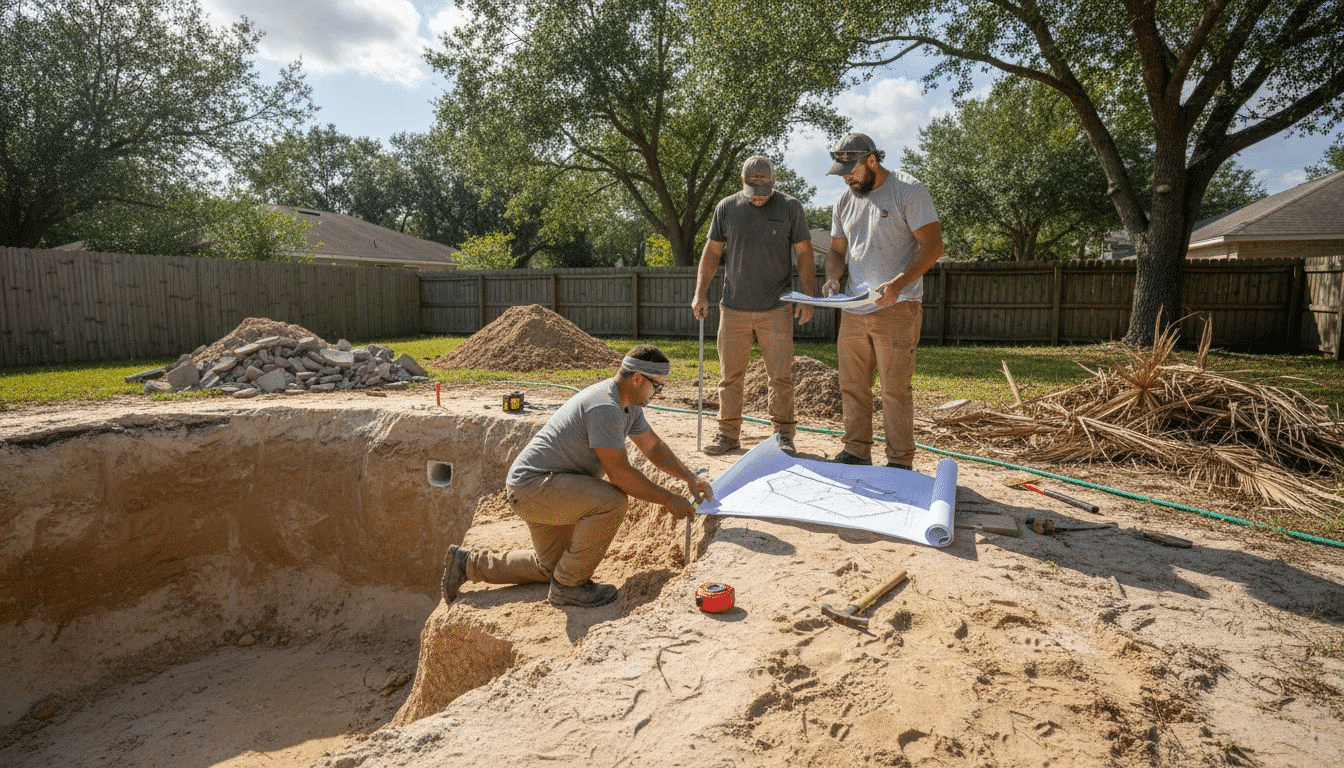
Most American homeowners do not realize that hiring an unlicensed builder can put their property and wallet at serious risk. With pool installations representing one of the largest investments for families across Central Florida, choosing a licensed professional means more than meeting state requirements. Working with a certified expert protects your home’s value, guarantees safety, and brings peace of mind. Discover why only a true licensed pool builder delivers the exceptional results you deserve.
Table of Contents
- Defining the Licensed Pool Builder Profession
- Types of Pools and Specialized Projects
- Licensing Requirements and Legal Standards
- Core Responsibilities in Pool Construction
- Mistakes Homeowners Make With Unlicensed Builders
Key Takeaways
| Point | Details |
|---|---|
| Licensed Pool Builders Ensure Quality | Hiring licensed pool builders guarantees adherence to safety standards and construction codes, protecting your investment. |
| Understanding Pool Types Matters | Familiarize yourself with various pool types—concrete, fiberglass, and vinyl—to find the best fit for your needs and budget. |
| Verify Licenses Before Hiring | Always check a pool builder’s license status via the Florida Department of Business and Professional Regulation to avoid potential legal and safety issues. |
| Risks of Unlicensed Builders | Engaging unlicensed pool builders increases liability and may lead to significant financial risks due to non-compliance with regulations. |
Defining the Licensed Pool Builder Profession
A licensed pool builder represents a professional contractor who has met rigorous state and industry standards for designing, constructing, and installing residential and commercial swimming pools. In Central Florida, these professionals undergo extensive training and certification processes to ensure they can deliver safe, high-quality pool construction services. The Certified Builder Professional (CBP) credential offered by the Pool & Hot Tub Alliance validates their technical knowledge and distinguishes them in the competitive swimming pool industry.
Licensed pool builders in Central Florida must demonstrate comprehensive expertise across multiple domains. This includes understanding local building codes, zoning regulations, soil conditions, and environmental considerations specific to the region. They are required to obtain specific permits, conduct thorough site assessments, and develop custom pool designs that meet both aesthetic preferences and functional requirements. Their professional credentials ensure they can handle complex projects involving concrete, fiberglass, and vinyl pool installations with precision and technical skill.
The certification process for these professionals involves multiple layers of validation. Builders must typically complete formal education programs, pass rigorous examinations, maintain ongoing professional development, and carry appropriate insurance and bonding. These requirements protect homeowners by ensuring that pool construction meets high safety standards and technical specifications. By choosing a licensed pool builder, Central Florida residents can have confidence that their significant investment will be managed by a true professional who understands the intricate details of pool design and construction.
Pro Tip: Always verify a pool builder’s current license status and professional certifications before beginning any pool construction project, as this simple step can save you significant time, money, and potential future complications.
Types of Pools and Specialized Projects
Central Florida pool builders specialize in multiple pool construction types, each requiring unique design and installation techniques. The three primary pool categories are concrete, fiberglass, and vinyl liner pools, with each offering distinct advantages for homeowners. PHTA’s Build & Design Pathway certification ensures professionals are expertly trained to handle these diverse pool construction methods with precision and technical expertise.
Concrete pools represent the most versatile option, allowing completely customized shapes, sizes, and design features. These pools are constructed by building a steel reinforcement framework, which is then sprayed with concrete and finished with specialized plaster or tile surfaces. Fiberglass pools offer a faster installation process, featuring pre-manufactured shells transported and installed directly into prepared ground locations. Vinyl liner pools provide an economical alternative, utilizing flexible liners fitted over a structured frame and offering quick installation with lower initial costs.
Here’s a quick comparison of the main types of pools built by licensed professionals in Central Florida:
| Pool Type | Customization Level | Installation Time | Longevity & Maintenance |
|---|---|---|---|
| Concrete | Fully customizable shapes | Several weeks to months | High durability; regular maintenance |
| Fiberglass | Limited to preset designs | Few days to one week | Low maintenance; long lifespan |
| Vinyl Liner | Moderately customizable | Two to three weeks | Liner may need replacement in years |
Specialized pool projects in Central Florida extend beyond standard installations. Builders frequently incorporate advanced features like infinity edges, custom water features, integrated spa sections, and sophisticated lighting systems. These complex projects require advanced technical skills, including precise excavation, structural engineering knowledge, and intricate plumbing and electrical work. Professionals must navigate local zoning regulations, environmental considerations, and specific homeowner requirements to execute these sophisticated swimming pool designs successfully.
Pro Tip: Research multiple pool types thoroughly and consult with licensed pool builders about your specific landscape, budget, and aesthetic preferences before making a final pool construction decision.
Licensing Requirements and Legal Standards
In Central Florida, pool builders must navigate a complex landscape of professional licensing that ensures consumer protection and industry quality standards. Pool and spa contractors are certified by the Construction Industry Licensing Board within the Department of Business and Professional Regulation, which mandates rigorous requirements for legal operation. This certification process involves comprehensive background checks, technical examinations, and ongoing professional development to maintain active licensing status.
The licensing requirements for pool builders in Florida are multifaceted and include several critical components. Contractors must demonstrate technical competency through detailed written examinations covering building codes, safety regulations, construction techniques, and local environmental considerations. They are required to provide proof of general liability insurance, submit financial statements demonstrating fiscal responsibility, and maintain a clean professional record. Additionally, these professionals must complete continuing education courses every two years to stay current with evolving industry standards, technological advancements, and safety protocols.
Legal standards for pool construction in Central Florida extend beyond basic licensing. Builders must comply with stringent local and state building codes, obtain necessary permits for each project, and ensure all installations meet precise safety and structural requirements. This includes adhering to regulations regarding electrical systems, drainage, structural integrity, and barriers designed to prevent accidental drowning. Contractors are legally responsible for ensuring that pool designs not only meet aesthetic expectations but also satisfy comprehensive safety standards that protect homeowners and their families.
Pro Tip: Always request to see a pool builder’s current license number and verify its status with the Florida Department of Business and Professional Regulation before starting any pool construction project.
Core Responsibilities in Pool Construction
Pool builders in Central Florida carry extensive technical responsibilities that extend far beyond simple construction. Certified Builder Professionals are responsible for comprehensive pool construction processes, including critical phases like site evaluation, precise excavation, structural planning, and meticulous equipment installation. These professionals must conduct thorough site assessments to determine soil conditions, drainage capabilities, and potential environmental challenges before initiating any pool construction project.
The core technical responsibilities involve multiple complex stages of pool development. Builders must perform precise grading and excavation, ensuring proper ground preparation and structural stability. They design and install comprehensive circulation systems, including pumps, filters, and intricate plumbing networks that guarantee optimal water movement and filtration. Tiling, coping, and decking require exceptional craftsmanship, with contractors needing to select appropriate materials that withstand Central Florida’s unique climate conditions and provide both aesthetic appeal and long-term durability.
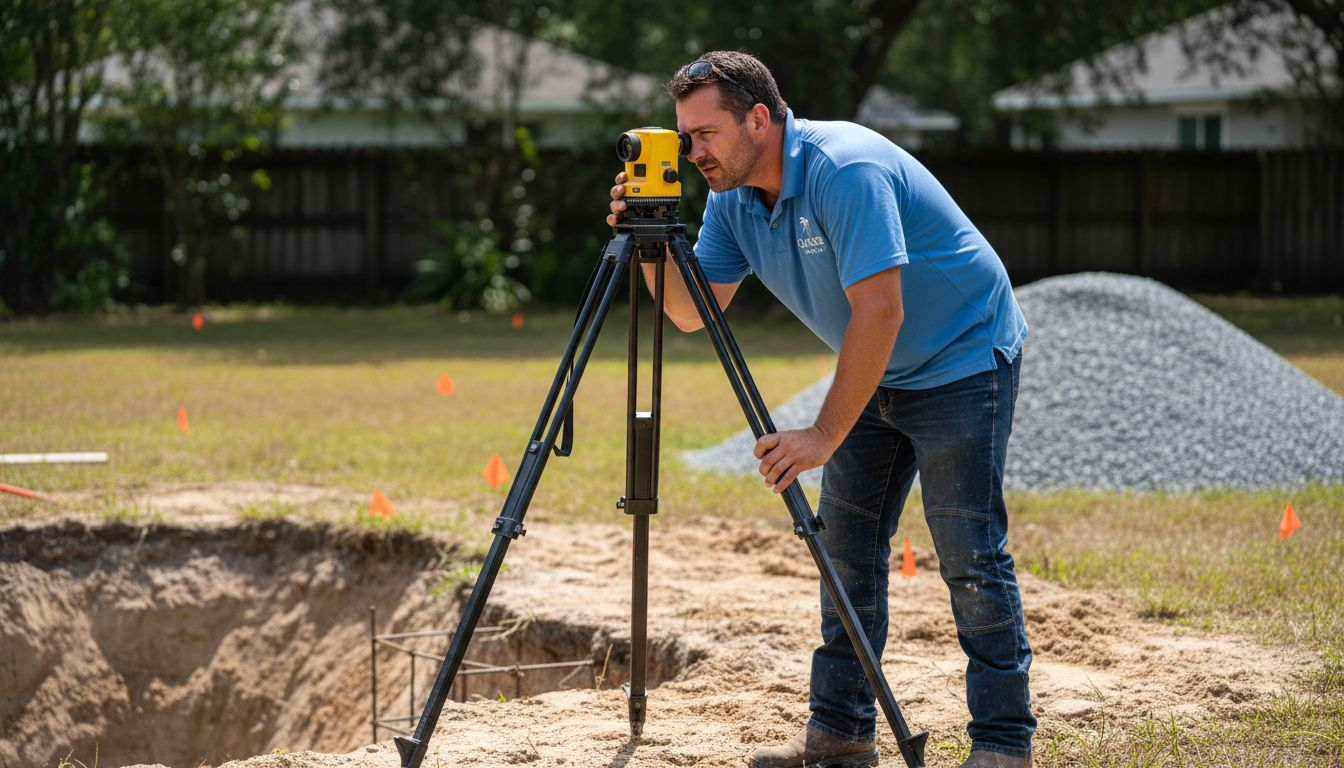
Beyond physical construction, pool builders must also manage critical technical and regulatory aspects of pool installation. Service technicians play a crucial role in maintaining water safety and equipment functionality, understanding complex water chemistry principles and ensuring all systems operate at peak efficiency. This includes precise chemical balancing, equipment maintenance, and ongoing performance monitoring. Contractors must navigate local building codes, obtain necessary permits, and implement safety features that protect homeowners, such as proper barriers, non-slip surfaces, and compliant drainage systems.
Pro Tip: Always request a comprehensive project timeline and detailed breakdown of construction phases from your pool builder to ensure transparent communication and clear expectations throughout the pool construction process.
Mistakes Homeowners Make With Unlicensed Builders
Homeowners often underestimate the potential risks associated with hiring unlicensed pool contractors. Engaging unlicensed pool builders can lead to significant legal and safety complications, including non-compliance with state regulations and potentially invalidating homeowner’s insurance coverage. These contractors typically lack the necessary technical training, professional certifications, and comprehensive understanding of local building codes required to execute safe and reliable pool construction projects.
The financial consequences of working with unlicensed builders can be substantial and long-lasting. Without proper licensing, homeowners have minimal legal recourse if construction defects emerge, potentially facing expensive repairs or complete pool reconstruction. Unlicensed contractors frequently cut corners on critical aspects like structural integrity, drainage systems, electrical installations, and safety barriers. These shortcuts can create dangerous conditions that compromise the pool’s functionality, increase potential liability risks, and potentially reduce property value.
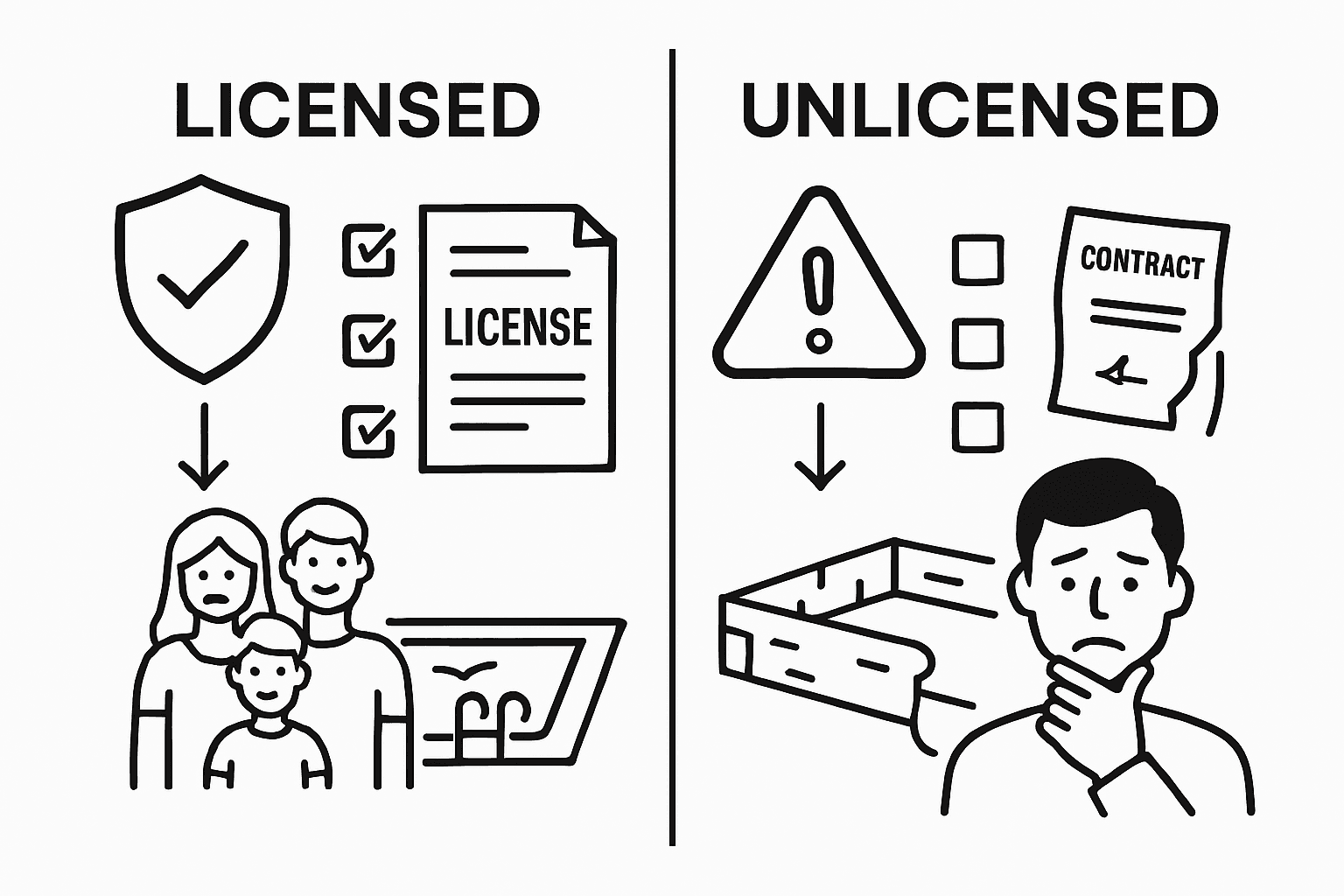
Beyond immediate construction concerns, unlicensed builders create complex legal and financial vulnerabilities for homeowners. They typically do not carry required insurance, meaning homeowners become personally liable for workplace injuries, property damage, or accidents during construction. Additionally, unpermitted pool installations can create significant challenges when attempting to sell a property, as potential buyers and home inspectors will identify these non-compliant construction practices. Municipal authorities may even mandate complete pool removal or expensive retroactive permitting processes, turning what seemed like a cost-saving measure into a financial nightmare.
The following table outlines the risks homeowners face when working with unlicensed pool builders compared to licensed professionals:
| Risk Category | Licensed Pool Builder | Unlicensed Pool Builder |
|---|---|---|
| Legal Protection | Full compliance and recourse | Limited or no legal protection |
| Insurance Coverage | Proper workplace and liability | Often no insurance, homeowner is liable |
| Work Standards | Adherence to codes and safety | Low standards, code violations possible |
| Resale Impact | No permitting issues on resale | Potential for failed inspections, delays |
Pro Tip: Always request and independently verify a pool builder’s current state licensing credentials, including their license number, through the Florida Department of Business and Professional Regulation before signing any contracts.
Trust Licensed Experts for Your Custom Pool in Central Florida
Building a safe and stunning pool requires more than just vision it demands licensed professionals who understand Central Florida’s strict regulations and unique environmental challenges. The article highlights the importance of choosing a licensed pool builder to avoid hidden dangers like code violations, safety risks, and costly repairs. If you want to protect your family and investment while bringing your dream pool to life with expert craftsmanship, working with reputable, certified builders is essential.
At R & R Swimming Pools, we specialize in custom inground pools crafted with precision and licensed professionalism. Whether you prefer a fully customized concrete pool or a sleek fiberglass design, our decades of experience make us the trusted choice for homeowners across Central Florida. We fully comply with all state licensing requirements, ensuring your project meets every code and safety standard.
Looking to create a pool that blends beauty, durability, and complete peace of mind? Our service includes site evaluation, detailed design consultation, and expert construction backed by licenses and certifications.
Explore your options and see examples in our portfolio at R & R Swimming Pools.
Ready to experience the confidence that comes with hiring licensed pool builders? Contact R and R Swimming Pools today for a free quote and start building your dream pool the right way.
Frequently Asked Questions
What is a licensed pool builder?
A licensed pool builder is a professional contractor who has met state and industry standards for designing, constructing, and installing residential and commercial swimming pools. They must have certifications, such as the Certified Builder Professional (CBP) credential, and comply with local building codes and regulations.
Why should I hire a licensed pool builder instead of an unlicensed contractor?
Hiring a licensed pool builder ensures compliance with safety standards and local regulations, providing legal protection and quality assurance for your pool construction project. Unlicensed contractors often lack the necessary training and insurance, which can lead to safety hazards and legal complications.
What are the different types of pools that licensed builders can construct?
Licensed pool builders can construct concrete, fiberglass, and vinyl liner pools. Each type has unique advantages, including customization options, installation time, and maintenance needs, allowing homeowners to choose the best option for their preferences and budget.
How can I verify a pool builder’s licensing and credentials?
You can verify a pool builder’s licensing status by requesting their license number and checking it with the state’s Department of Business and Professional Regulation. This helps ensure that they meet all legal and professional requirements before starting your pool construction project.
