
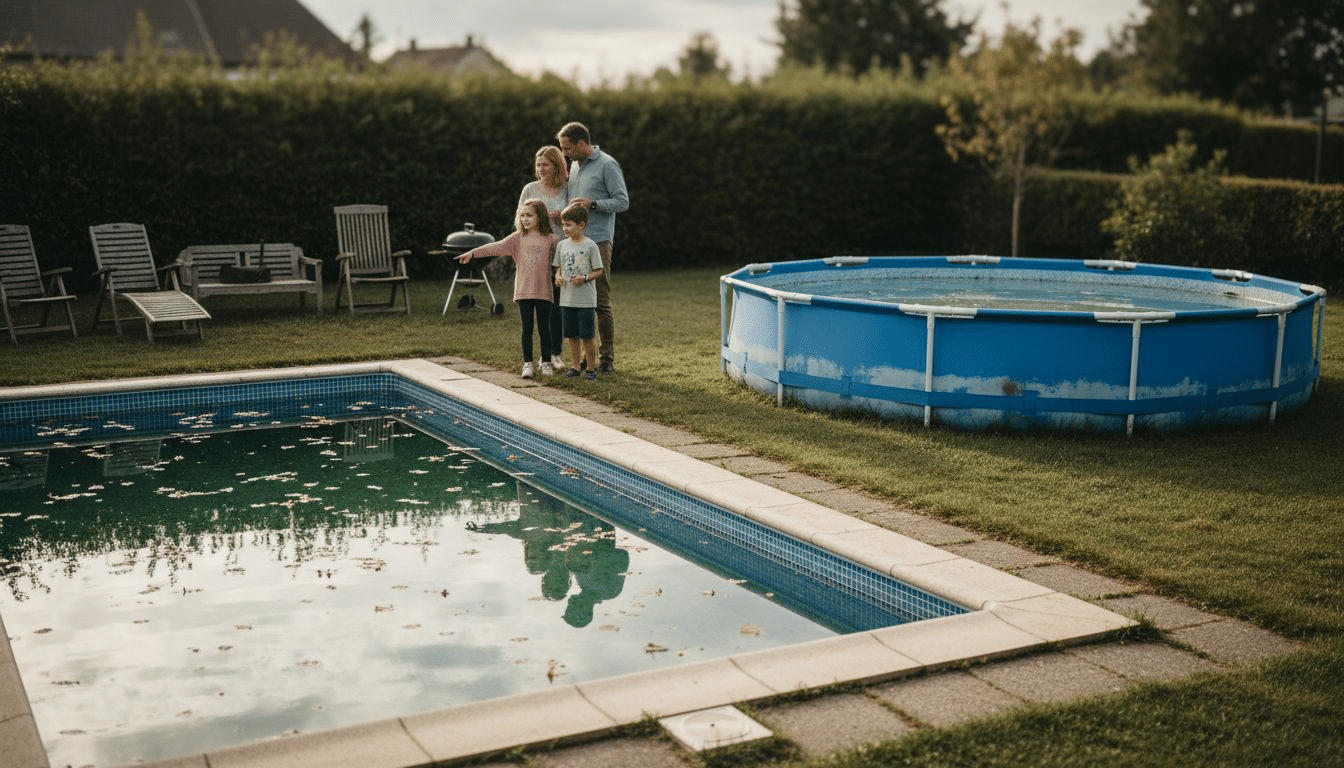
Most American families in Central Florida agree that backyard pools are more than just a luxury. The choice between inground and above ground pools can shape your family’s daily fun and the value of your home. With over 75 percent of American homeowners investing in backyard upgrades each year, understanding these pool types helps you create a personal oasis in places like The Villages and Mount Dora. Discover custom options for transforming your leisure space into something extraordinary.
Table of Contents
- Defining Inground and Above Ground Pools
- Key Differences In Design and Structure
- Cost, Installation, and Maintenance Factors
- Customization, Features, and Lifestyle Impact
- Home Value, Safety, and Local Considerations
Key Takeaways
| Point | Details |
|---|---|
| Inground vs. Above Ground | Inground pools are permanent structures integrated into the landscape, while above ground pools are modular and portable. |
| Cost Considerations | Inground pools typically require a higher upfront investment, while above ground pools are more budget-friendly. |
| Maintenance Needs | Inground pools often demand professional servicing and complex maintenance, whereas above ground pools are easier to maintain. |
| Impact on Home Value | Inground pools can enhance property value, but may also deter potential buyers due to maintenance concerns. |
Defining Inground and Above Ground Pools
Swimming pools are defined by their structural relationship with the surrounding landscape, creating two primary categories: inground and above ground pools. Unlike portable water features, these swimming installations represent significant home infrastructure designed for recreation and aesthetic enhancement. Swimming pool regulations from Massachusetts specify that pools containing water over 24 inches deep fall into these distinct classifications, each with unique construction characteristics.
Inground pools are permanently constructed within the ground, utilizing materials like concrete, fiberglass, or vinyl. These pools are integrated directly into the landscape, offering a seamless aesthetic and typically representing a more substantial investment. They require significant excavation, precise engineering, and comply with specific structural standards outlined in building codes. The International Swimming Pool and Spa Code provides detailed regulations governing their design, ensuring safety and structural integrity.
Above ground pools, by contrast, are freestanding structures that sit atop the existing ground surface. These pools are generally manufactured as modular units, can be disassembled, and offer more flexibility in placement and installation. They typically feature prefabricated walls made from materials like aluminum, steel, or resin, and are often less expensive and quicker to install compared to inground alternatives. While they provide recreational value, they generally have a shorter lifespan and may have less impact on property aesthetics.
Pro Tip: When considering pool installation, consult local building codes and homeowners association regulations to understand specific requirements for inground and above ground pool configurations in your area.
Key Differences in Design and Structure
The fundamental distinctions between inground and above ground pools extend far beyond their visual appearance, encompassing complex structural engineering, material composition, and installation methodologies. Permanent pool construction standards reveal critical architectural variations that significantly impact design flexibility, durability, and long-term performance.
Structural composition represents the most dramatic difference between these pool types. Inground pools demand extensive site preparation, requiring precise excavation and ground modification. They are typically constructed using robust materials like reinforced concrete, fiberglass, or specialized vinyl structures that integrate seamlessly with the landscape. These pools feature intricate structural requirements, including precise foundation support, engineered wall reinforcement, and comprehensive drainage systems. Contractors must meticulously calculate load-bearing capacities, soil conditions, and potential ground movement to ensure structural integrity.
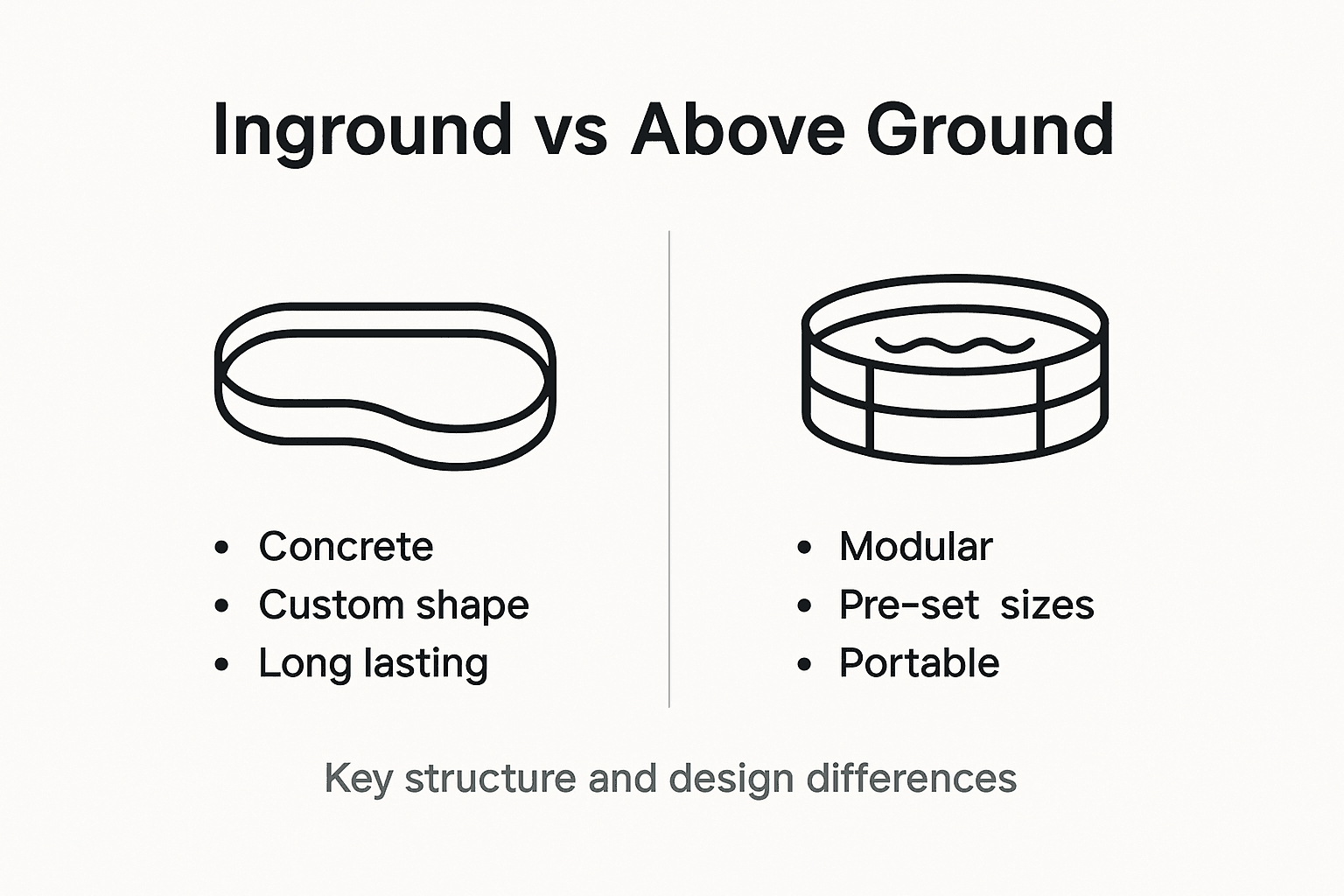
Above ground pools, by contrast, represent modular engineering solutions designed for rapid deployment and potential relocation. Their structural framework typically consists of prefabricated metal or resin panels assembled on a level surface, with flexible liner systems creating the water-containing environment. These pools prioritize ease of installation and portability, featuring standardized component designs that allow relatively quick setup and dismantling. While less permanent than inground alternatives, they offer homeowners greater flexibility in placement and potential future reconfiguration.
Pro Tip: Consult a professional pool engineer to assess your specific landscape and soil conditions before selecting between inground and above ground pool designs, as site-specific factors can dramatically impact long-term structural performance.
Cost, Installation, and Maintenance Factors
The financial landscape of pool ownership varies dramatically between inground and above ground installations, with multiple factors influencing initial investment, long-term expenses, and overall value. Swimming pool construction standards reveal complex considerations that extend beyond mere purchase price, encompassing installation complexity, maintenance requirements, and potential property value impact.
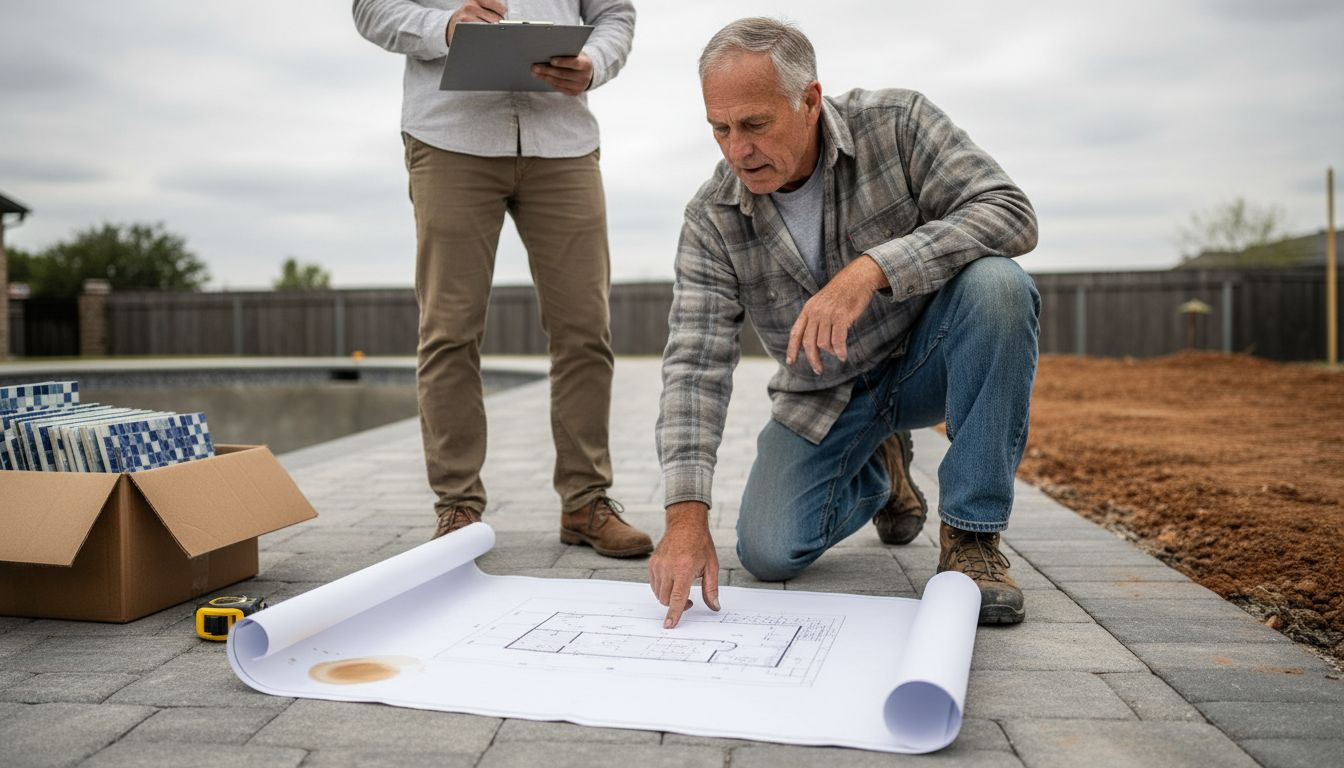
Initial installation costs represent the most significant financial divergence between pool types. Inground pools typically require a substantial upfront investment ranging from $50,000 to $100,000, depending on materials, design complexity, and site conditions. The process involves extensive excavation, precise engineering, custom design, and specialized labor. Concrete pools demand the highest initial expenditure, while fiberglass and vinyl options provide slightly more economical alternatives. Conversely, above ground pools present a dramatically lower entry point, with basic models starting around $2,000 to $5,000, including installation. These modular systems minimize site preparation costs and can often be self-installed by homeowners with moderate DIY skills.
Maintenance expenses further differentiate these pool categories. Inground pools demand more comprehensive and potentially costly maintenance protocols, including regular professional servicing, more complex chemical balancing, and potential structural repairs. Specialized equipment like advanced filtration systems, automated cleaning mechanisms, and temperature control units significantly increase ongoing operational costs. Above ground pools typically feature simpler maintenance requirements, with lower chemical consumption, easier cleaning processes, and more straightforward equipment replacement. Additionally, their modular nature allows for more cost-effective component exchanges when individual parts wear out.
Here’s a concise overview comparing inground and above ground pools across key dimensions:
| Dimension | Inground Pools | Above Ground Pools |
|---|---|---|
| Longevity | 20+ years with proper care | 7-15 years depending on use |
| Aesthetic Impact | Highly customizable, seamless | Standard shapes, visible walls |
| Installation Time | 6-12 weeks depending on design | 1-3 days for most models |
| Value Addition | Can enhance home resale potential | Minimal influence on home value |
| Flexibility | Permanent, fixed location | Portable, easy to relocate |
Pro Tip: Calculate total cost of ownership, including installation, annual maintenance, and potential repairs, rather than focusing solely on initial purchase price when comparing inground and above ground pool options.
Customization, Features, and Lifestyle Impact
Pool selection represents a profound lifestyle decision that extends far beyond mere water installation, fundamentally transforming outdoor living spaces and personal recreational experiences. Swimming pool design guidance underscores the nuanced ways different pool types can dramatically reshape residential environments and personal leisure opportunities.
Inground pools offer unparalleled customization potential, functioning as true architectural extensions of a home’s landscape. Homeowners can integrate sophisticated design elements like infinity edges, beach entries, integrated spas, and complex water features that seamlessly blend with existing architectural styles. These pools can be tailored to specific aesthetic preferences, incorporating unique shapes, depths, and surrounding landscaping that reflect individual taste and complement property design. Advanced technological integrations like smart lighting systems, automated temperature controls, and energy-efficient filtration mechanisms further enhance the personalization potential of inground installations.
Above ground pools, while more limited in customization, still provide meaningful recreational opportunities for families seeking cost-effective aquatic experiences. These pools typically prioritize functional design over aesthetic complexity, offering standardized shapes and more straightforward installation processes. They excel in providing flexible recreational spaces that can be relatively easily relocated or removed, making them ideal for homeowners uncertain about long-term pool commitment or those with evolving landscape requirements. Despite their structural limitations, modern above ground pools have evolved to include more attractive design options, with improved materials and aesthetic considerations that expand their visual appeal.
Pro Tip: Consider your long-term lifestyle goals and property usage when selecting between inground and above ground pools, evaluating not just immediate recreational needs but potential future home value and personal enjoyment.
Home Value, Safety, and Local Considerations
The impact of swimming pools on residential property extends far beyond recreational enjoyment, encompassing complex considerations of financial investment, safety protocols, and community standards. Home value research reveals nuanced dynamics where pool installations can simultaneously attract and potentially deter potential homebuyers, making strategic decision-making crucial.
Inground pools generally demonstrate a more substantial potential for positive home value impact, particularly in regions with extended swimming seasons and high-end real estate markets. These permanent installations can increase property attractiveness for specific buyer demographics, potentially commanding premium prices when professionally designed and meticulously maintained. However, the financial benefit is not universal; some buyers perceive inground pools as maintenance-intensive liabilities, potentially limiting the property’s broader market appeal. Factors such as pool quality, surrounding landscape integration, and overall property condition play critical roles in determining the actual value contribution.
Safety considerations represent an equally critical dimension of pool ownership, transcending mere recreational enjoyment. Home safety guidelines emphasize the paramount importance of implementing comprehensive safety measures, regardless of pool type. Mandatory safety features include secure perimeter fencing, self-closing and self-latching gates, alarm systems, and ongoing maintenance of protective barriers. Local municipalities frequently mandate specific safety standards, with variations in residential pool regulations that can significantly impact installation requirements, liability considerations, and insurance protocols. Homeowners must proactively research and comply with these localized guidelines to mitigate potential legal and safety risks.
For quick reference, here are maintenance and safety considerations homeowners should evaluate:
| Aspect | Inground Pools | Above Ground Pools |
|---|---|---|
| Maintenance | Professional servicing | DIY-friendly upkeep |
| Repairs | Specialized contractors | Simple part replacements |
| Safety Needs | Multiple barriers, alarms | Fencing, lockable ladders |
| Local Codes | Often more strict | Generally simpler |
Pro Tip: Consult local real estate professionals and insurance agents to understand precise home value implications and safety requirements specific to your neighborhood before investing in a pool installation.
Discover the Lasting Value of a Custom Inground Pool
Choosing between an inground and above ground pool goes beyond just installation cost or appearance. As the article highlights, understanding how a pool affects your home’s value and lifestyle is essential. You want a solution that combines beautiful design, safety, and long-term durability with a strong potential to enhance your property value in Central Florida. This is where expert craftsmanship and personalized design make all the difference.
At R&R Swimming Pools, we specialize in custom inground pools built to meet your unique needs. With decades of experience crafting concrete and fiberglass pools featuring luxury elements like waterfalls and spas, we help you create an outdoor living space that is both stunning and valuable. Our team understands local regulations, safety requirements, and the importance of a seamless blend between your pool and home environment.
Ready to transform your property with a pool that adds real value and enjoyment for years?
Take the next step toward your dream backyard by scheduling a free quote today. Explore our portfolio to see how custom pools elevate home appeal and lifestyle. Visit R&R Swimming Pools now and start building the pool you deserve.
Frequently Asked Questions
Do inground pools increase home value more than above ground pools?
Inground pools generally have a more substantial potential to enhance home value, especially in areas with longer swimming seasons and higher-end markets. However, buyer perceptions can vary, so proper maintenance and design integration are essential.
What are the maintenance differences between inground and above ground pools?
Inground pools typically require more extensive maintenance, professional servicing, and complex repairs, while above ground pools often allow for DIY maintenance and simpler component replacements.
Are there safety concerns that differ between inground and above ground pools?
Yes, inground pools often require more stringent safety measures and barriers due to their permanent structure, whereas above ground pools may have simpler safety requirements, such as fencing and lockable ladders.
How long do inground and above ground pools last?
Inground pools usually last over 20 years with proper care, while above ground pools typically last between 7 to 15 years, depending on usage and maintenance.
