
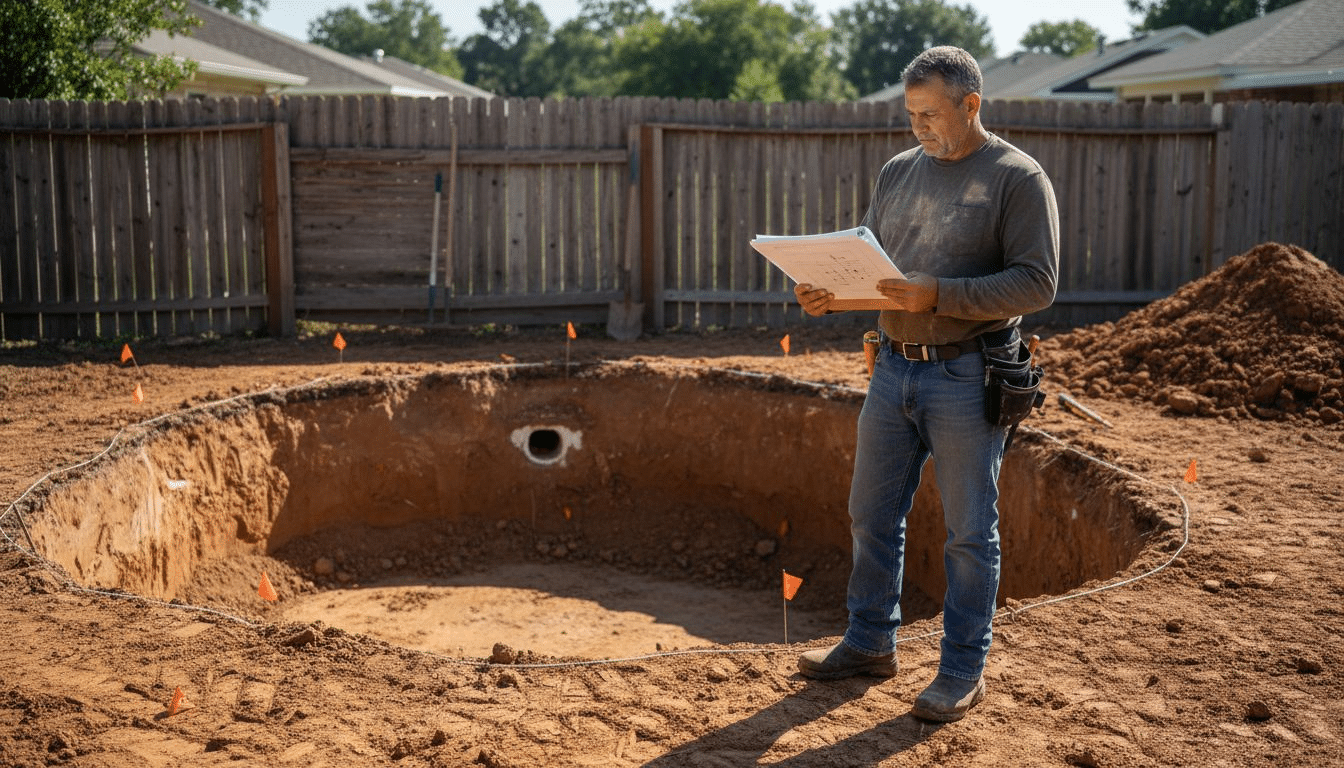
Over forty percent of American homeowners in Central Florida say the right custom pool transforms their outdoor living space into a private retreat. For families in The Villages and Mount Dora, designing a luxurious inground pool begins with more than choosing tile or water features. The key is a smart step by step approach that ensures your new pool fits your yard, matches your lifestyle, and meets every safety standard. This guide lays out essential planning details from initial yard assessment to final walkthrough, helping you create a flawless backyard oasis.
Table of Contents
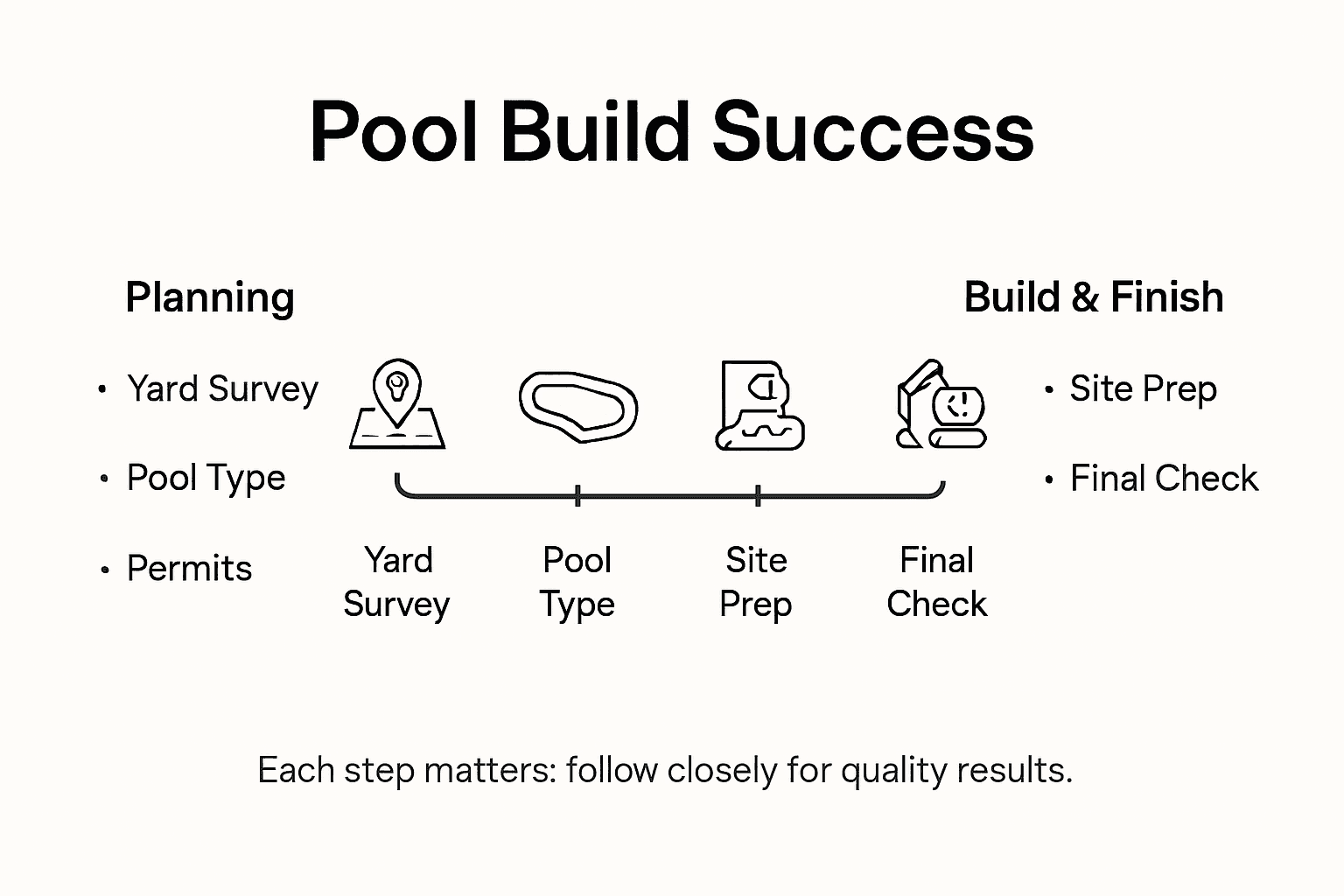
- Step 1: Assess Your Yard and Pool Needs
- Step 2: Choose the Best Inground Pool Type
- Step 3: Plan and Prepare the Installation Site
- Step 4: Oversee Professional Pool Construction
- Step 5: Verify Pool Quality and Final Details
Quick Summary
| Key Point | Explanation |
|---|---|
| 1. Assess Your Yard Needs | Measure space, note obstacles, and identify ideal sunlight for proper pool placement and design. |
| 2. Choose Inground Pool Type | Decide between concrete, fiberglass, or vinyl options based on budget, maintenance, and design preferences. |
| 3. Prepare Installation Site | Mark utilities, check zoning regulations, and assess site conditions to prevent issues during installation. |
| 4. Oversee Construction Process | Maintain communication with contractors, regularly inspect progress, and address concerns to ensure quality. |
| 5. Verify Final Pool Quality | Conduct a thorough inspection and ensure compliance with local regulations to safeguard your investment. |
Step 1: Assess Your Yard and Pool Needs
Before breaking ground on your dream inground pool, understanding your yard’s unique characteristics is crucial. Careful assessment helps ensure a successful pool installation that matches your lifestyle and backyard layout. Pool design starts with a comprehensive yard evaluation that considers multiple critical factors.
Begin by thoroughly measuring your available outdoor space and identifying potential obstacles like tree roots, utility lines, or existing landscaping. Take precise measurements of the area where you want to install the pool, noting any slopes, drainage patterns, or uneven terrain. Consider how sunlight moves across your yard throughout the day, as sun exposure impacts pool placement and comfort. Think about your primary pool goals: do you want a space for lap swimming, family recreation, or elegant backyard entertaining? These objectives will guide your pool design and help determine the ideal size, shape, and features.
Understand that local zoning regulations and property setback requirements will also influence your pool placement. Most municipalities have specific rules about how far a pool must be from property lines, structures, and underground utilities. Consulting with a professional pool contractor can help you navigate these regulations and avoid potential legal complications.
Pro Tip: Create a rough sketch of your yard before meetings with pool designers, marking potential pool locations, existing features, and noting approximate measurements to streamline the planning process.
Step 2: Choose the Best Inground Pool Type
Selecting the right inground pool type is a critical decision that will impact your backyard’s aesthetics, functionality, and long term enjoyment. Your choice will depend on factors like budget, maintenance preferences, durability, and specific landscaping requirements. Custom concrete pool building offers the most flexibility for homeowners seeking a truly personalized swimming experience.
Three primary inground pool types dominate the Central Florida market: concrete, fiberglass, and vinyl liner pools. Concrete pools provide unparalleled design versatility, allowing you to create custom shapes, incorporate unique features like waterfalls or integrated spas, and match your exact backyard vision. They are highly durable and can be resurfaced multiple times, making them an excellent long term investment. Fiberglass pools offer faster installation, smoother surfaces, and lower maintenance requirements. These prefabricated shells come in preset designs and can be installed quickly. Vinyl liner pools represent the most budget friendly option, with lower initial costs and relatively simple installation, though they require liner replacements every 7 to 10 years.
Consider your specific needs carefully. Families with active children might prefer the durability of concrete, while homeowners seeking quick installation might lean toward fiberglass. Budget constraints, maintenance willingness, and aesthetic preferences will ultimately guide your decision. Consulting with local pool professionals can help you navigate these choices and select the pool type that best matches your lifestyle.
Here is a quick comparison of the main inground pool types to help narrow your selection:
| Pool Type | Key Strength | Installation Speed | Maintenance Level |
|---|---|---|---|
| Concrete | Fully customizable design | Slowest, often weeks | Moderate, resurfacing needed |
| Fiberglass | Smooth surface, fast setup | Fast, a few days | Low, less cleaning needed |
| Vinyl Liner | Lowest upfront cost | Medium, one to two weeks | Moderate, liner replacement needed |
Pro Tip: Request material samples and visit local pool showrooms to physically experience the look and feel of different pool types before making your final selection.
Step 3: Plan and Prepare the Installation Site
Preparing your installation site is a critical phase that sets the foundation for a successful inground pool project. Inground pool installation requires meticulous pre-construction planning to ensure safety, compliance, and optimal pool placement.
The first crucial step is identifying and marking all underground utilities. Contact your local utility location service by dialing 811 at least two weeks before excavation to have professional technicians map out electrical lines, water pipes, gas mains, and communication cables. This free service prevents potentially dangerous and costly accidents during digging. Next, obtain all necessary local permits by consulting your municipal building department. Each jurisdiction has specific requirements regarding pool setbacks, safety barriers, and construction guidelines that must be precisely followed.
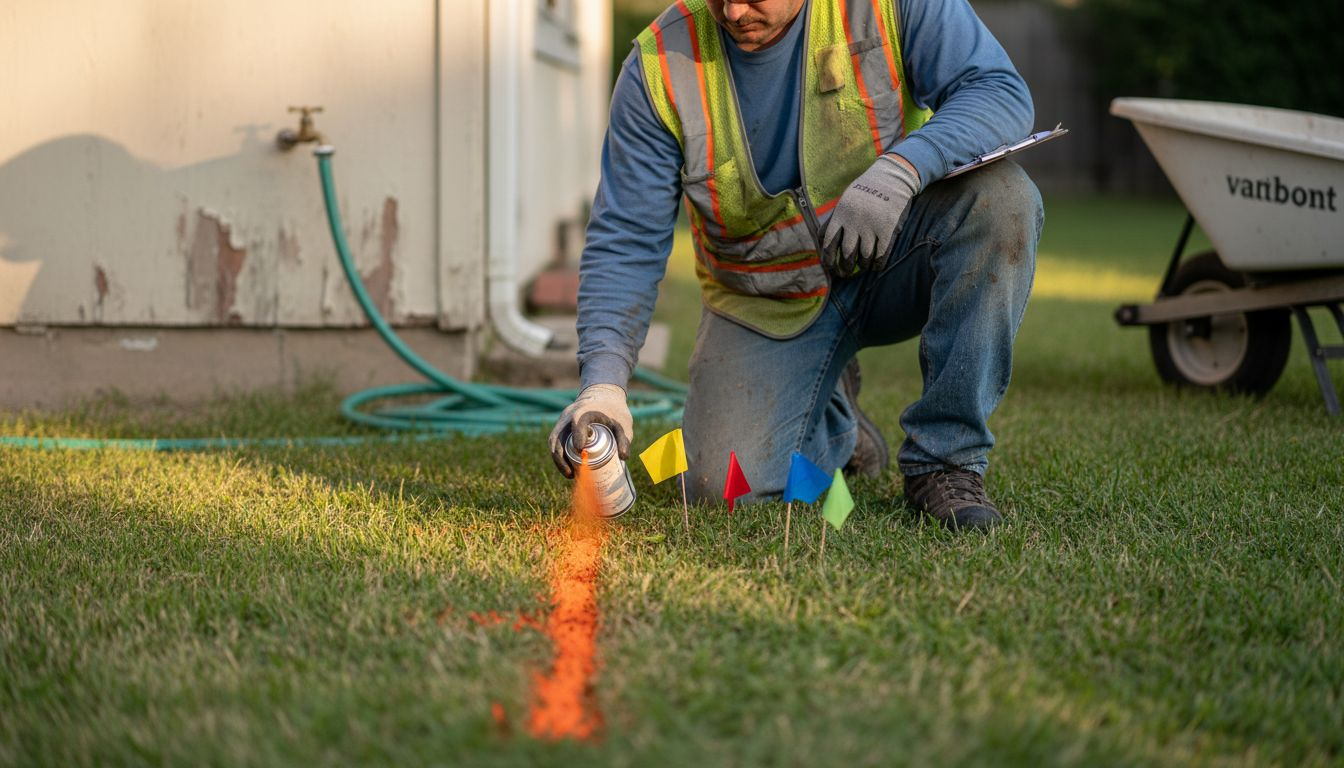
Carefully assess your site’s topography, drainage patterns, and sun exposure. Look for areas with good natural drainage and optimal sunlight throughout the day. Avoid low lying spots where water might accumulate or areas with significant ground slope that could complicate excavation. Consider proximity to your home, existing landscaping, and potential future outdoor living spaces. Take precise measurements and create a detailed site plan that accounts for required safety clearances, equipment placement, and potential additional features like pool decking or surrounding landscaping.
Below is a summary of the essential installation site checks every homeowner should complete before construction:
| Site Assessment Task | Why It Matters | Who Should Do It |
|---|---|---|
| Mark underground utilities | Prevents costly damage | Professional locator |
| Measure sun exposure | Affects pool comfort | Homeowner or contractor |
| Check soil drainage | Avoids future flooding | Contractor recommended |
| Review zoning rules | Ensures code compliance | Contractor/homeowner |
Pro Tip: Photograph and document your entire site before excavation begins to create a baseline record and help contractors understand your specific landscape conditions.
Step 4: Oversee Professional Pool Construction
Successful pool construction requires active homeowner involvement and strategic oversight throughout the building process. Pool construction professionals manage complex projects from initial consultation to final completion, but your engaged participation ensures your vision becomes reality.
Schedule regular onsite meetings with your pool contractor to monitor progress and address potential challenges immediately. During excavation, verify that the dig matches your approved design specifications exactly. When structural framework is installed, carefully inspect rebar placement, concrete reinforcement, and overall structural integrity. Pay close attention during critical phases like plumbing rough in, electrical system placement, and initial shell construction. Request detailed explanations of each stage and dont hesitate to ask questions about material selections, techniques, or potential modifications.
Maintain open communication channels with your construction team and document each significant milestone with photographs. Confirm that all local building codes are being followed and that necessary inspections are scheduled at appropriate stages. Keep track of your project timeline, understand potential weather related delays, and maintain realistic expectations about construction duration. Your proactive approach will help ensure a smooth construction process and a high quality final result.
Pro Tip: Create a dedicated project folder to store all contracts, design plans, communication records, and progress photographs to maintain comprehensive documentation throughout the pool construction process.
Step 5: Verify Pool Quality and Final Details
As your pool construction reaches its final stages, a comprehensive quality verification process becomes critical to ensuring your investment meets the highest standards. Thorough pool inspection provides the ultimate safeguard for safety and functionality, protecting both your significant financial investment and your family’s future enjoyment.
Conduct a meticulous walkthrough with your pool contractor, systematically checking every aspect of the completed project. Examine the pool structure for any surface imperfections, ensuring smooth finishes and proper tile alignment. Test all mechanical systems including pumps, filters, heating elements, and electrical connections. Verify that water circulation systems operate smoothly and that chemical balancing equipment functions correctly. Pay special attention to safety features like pool fencing, non slip surfaces, ladder and step integrity, and emergency access points. Request comprehensive documentation of all installed systems, including warranty information, maintenance guidelines, and operational instructions.
Schedule a professional final inspection to validate that your pool meets all local building codes and safety regulations. This independent assessment can identify potential issues that might have been overlooked during construction. Confirm that all permits have been properly signed off and that your pool complies with municipal requirements. Take time to understand the recommended maintenance schedule and learn proper care techniques from your pool installation team to preserve your pool’s quality and extend its longevity.
Pro Tip: Create a digital and physical file containing all construction documents, inspection reports, and warranty information for easy reference and future maintenance tracking.
Transform Your Backyard with Expert Inground Pool Solutions
If you found the “Expert Guide to Inground Pools Installation Success” helpful in understanding the challenges of pool site assessment, choosing the right pool type, and managing professional construction it is time to take the next step toward making your dream pool a reality. Many homeowners face the pain of navigating complex local regulations, deciding between concrete or fiberglass pools, and ensuring quality installation that lasts for years. At R&R Swimming Pools we specialize in custom inground pools designed and built with craftsmanship and precision to eliminate these concerns.
Experience the confidence that comes from working with Central Florida’s trusted pool contractor since 1985. Our team guides you through every phase from personalized design to professional installation so you get exactly the pool you envision with no surprises. Don’t wait until summer starts to regret not acting now schedule your free quote today and explore our portfolio of beautifully crafted pools including concrete and fiberglass options complete with waterfalls and spas. Visit our expert Concrete Pool Building page for in-depth details or contact us to discuss your unique project. Turn your backyard dreams into lasting memories by contacting R&R Swimming Pools right away.
Frequently Asked Questions
How do I assess my yard for an inground pool installation?
To assess your yard effectively, measure the space available for your pool and identify any obstacles such as tree roots or utility lines. Note the drainage patterns and sun exposure, ensuring you outline your specific pool goals in a rough sketch to guide your project discussions.
What are the main types of inground pools, and how do I choose the right one?
The three primary inground pool types are concrete, fiberglass, and vinyl liner pools. Consider factors like budget, maintenance needs, and desired aesthetics to choose the option that best aligns with your lifestyle.
What should I do to prepare the site for my inground pool?
Before installation, mark all underground utilities and obtain any necessary permits. Review the site’s topography and drainage to ensure safe and compliant construction, and create a detailed site plan that includes all required features and clearances.
How can I oversee the construction process to ensure quality?
Stay actively involved by scheduling regular meetings with your pool contractor and verifying that each construction stage matches the approved design. Take photos to document progress and ask questions about techniques or materials to maintain alignment with your project’s vision.
How do I perform a final inspection of my new pool?
Conduct a thorough walkthrough with your contractor, checking for surface smoothness, system functionality, and safety features. Ensure that all local building codes are met and request documentation for all installed systems to maintain a record of your pool’s specifications and warranties.
What maintenance should I expect after my pool is installed?
After installation, follow a recommended maintenance schedule that may include tasks like balancing chemicals, cleaning filters, and checking mechanical systems. Regularly inspect your pool for any signs of wear, especially on safety features like fences or ladders, to ensure ongoing safety and enjoyment.
