
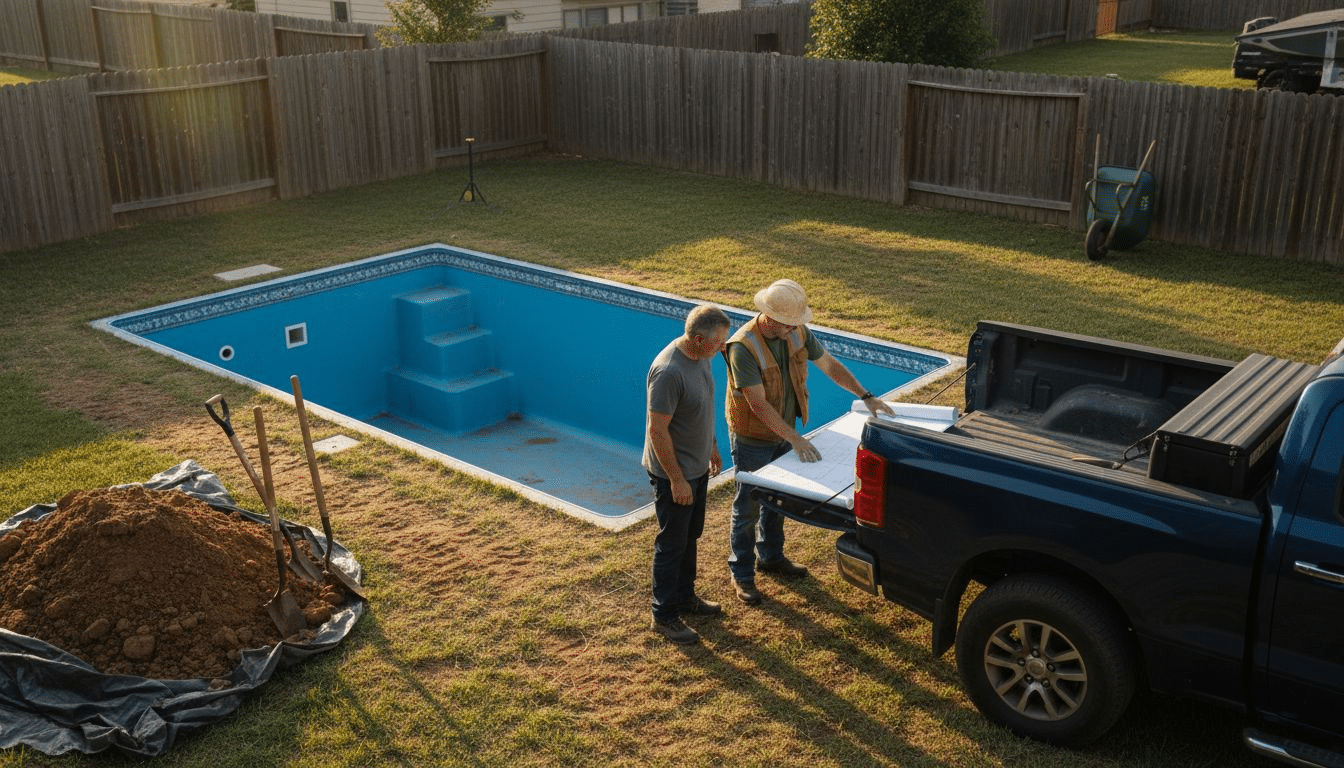
Every homeowner in Central Florida dreams of turning their backyard into a relaxing retreat, but the key to a trouble-free custom fiberglass pool is more than just picking the perfect design. Before diving into luxury features and upgrades, careful site evaluation and expert preparation are what set the stage for lasting craftsmanship. Discover how understanding your property’s unique conditions and local regulations lays the foundation for a stunning, durable pool that becomes the centerpiece of your Mount Dora or The Villages outdoor living space. Highlight the importance of thorough site assessment and planning in bringing your backyard vision to life.
Table of Contents
- Step 1: Assess And Prepare Your Installation Site
- Step 2: Excavate And Level The Pool Foundation
- Step 3: Position And Secure The Fiberglass Pool Shell
- Step 4: Connect Plumbing And Electrical Systems
- Step 5: Backfill And Stabilize Around The Pool
- Step 6: Verify Installation And Finish Landscaping
Quick Summary
| Key Message | Explanation |
|---|---|
| 1. Assess your site conditions meticulously | Examine soil type, drainage, and proximity to utilities to ensure a stable installation foundation. |
| 2. Ensure precise excavation depth and leveling | Dig accurately to specified depths and utilize laser levels to confirm the foundation is completely even. |
| 3. Secure pool shell correctly with backfill | Position the fiberglass pool shell, then carefully backfill and compact surrounding materials for stability. |
| 4. Follow plumbing and electrical safety standards | Connect plumbing and electrical systems in compliance with regulations, focusing on safe and efficient operation. |
| 5. Integrate a cohesive landscape design | Plan your landscaping to complement the pool, ensuring good drainage and planting strategies that suit the pool’s microclimate. |
Step 1: Assess and prepare your installation site
Before you start installing your fiberglass pool, you must thoroughly evaluate and prepare the site to ensure a successful and stable installation. This crucial first step involves understanding your property’s specific characteristics and potential challenges.
Begin by conducting a comprehensive site survey that examines several critical elements. First, you’ll want to assess soil conditions carefully. Structural design considerations are paramount, which means understanding the ground’s bearing capacity and composition. Look for these key factors:
- Soil type and drainage capabilities
- Ground stability and slope
- Underground utility locations
- Potential water table issues
- Proximity to existing structures
Next, obtain the necessary local permits and schedule an official site inspection. Regulatory site surveys help you understand specific requirements for excavation and structural backfill. Your local building department can provide guidance on setback requirements, which typically mandate specific distances from property lines, septic systems, and other underground infrastructure.
Professional pool installations require meticulous site preparation to prevent future structural complications.
Carefully mark out the precise pool location using temporary stakes and string lines. This visual representation helps you and your installation team understand the exact placement and potential challenges before any digging begins. Take measurements multiple times to confirm accuracy and consider how the pool’s location will integrate with your existing landscaping and outdoor living spaces.
Here’s a quick overview of common site challenges and their possible solutions when preparing for a fiberglass pool installation:
| Site Challenge | Typical Solution | Impact on Pool Installation |
|---|---|---|
| High water table | Install drainage system | Prevents future structural issues |
| Poor soil stability | Use engineered backfill | Ensures long-term pool stability |
| Sloped terrain | Regrade or build retaining wall | Creates level foundation for pool |
| Close to structures | Adjust pool placement | Maintains code compliance |
| Underground utilities | Relocate or adjust layout | Reduces risk during excavation |
Pro tip: Hire a professional surveyor to create a detailed site map, which can save you significant time and prevent potential installation errors.
Step 2: Excavate and level the pool foundation
With your site assessment complete, the next critical phase involves carefully excavating and preparing the precise foundation where your fiberglass pool will rest. This step requires precision, specialized equipment, and a thorough understanding of ground preparation techniques.
Begin by marking the exact pool dimensions using spray paint or string lines. Professional excavation demands careful foundation engineering principles to ensure a stable base. Your excavation process will involve several key stages:
- Remove grass, topsoil, and vegetation from the marked area
- Dig to the precise depth required for your specific pool model
- Create a level base with minimal slope variations
- Remove all rocks, roots, and debris from the excavation site
- Compact the ground to create a stable foundation
Typically, most fiberglass pools require an excavation depth between 3-5 feet, depending on the specific design. Excavation techniques involve using professional-grade equipment like mini excavators or backhoes to remove soil with precision. You’ll want to create a base that is within 1-2 inches of level across the entire pool footprint.
A perfectly level foundation is the cornerstone of a successful pool installation.
Once excavation is complete, use a laser level or transit to verify the ground’s evenness. This step is crucial to prevent future structural issues and ensure your pool sits perfectly flat. Remove any loose soil and tightly compact the remaining ground using a plate compactor, which helps create a solid, stable base for your pool shell.
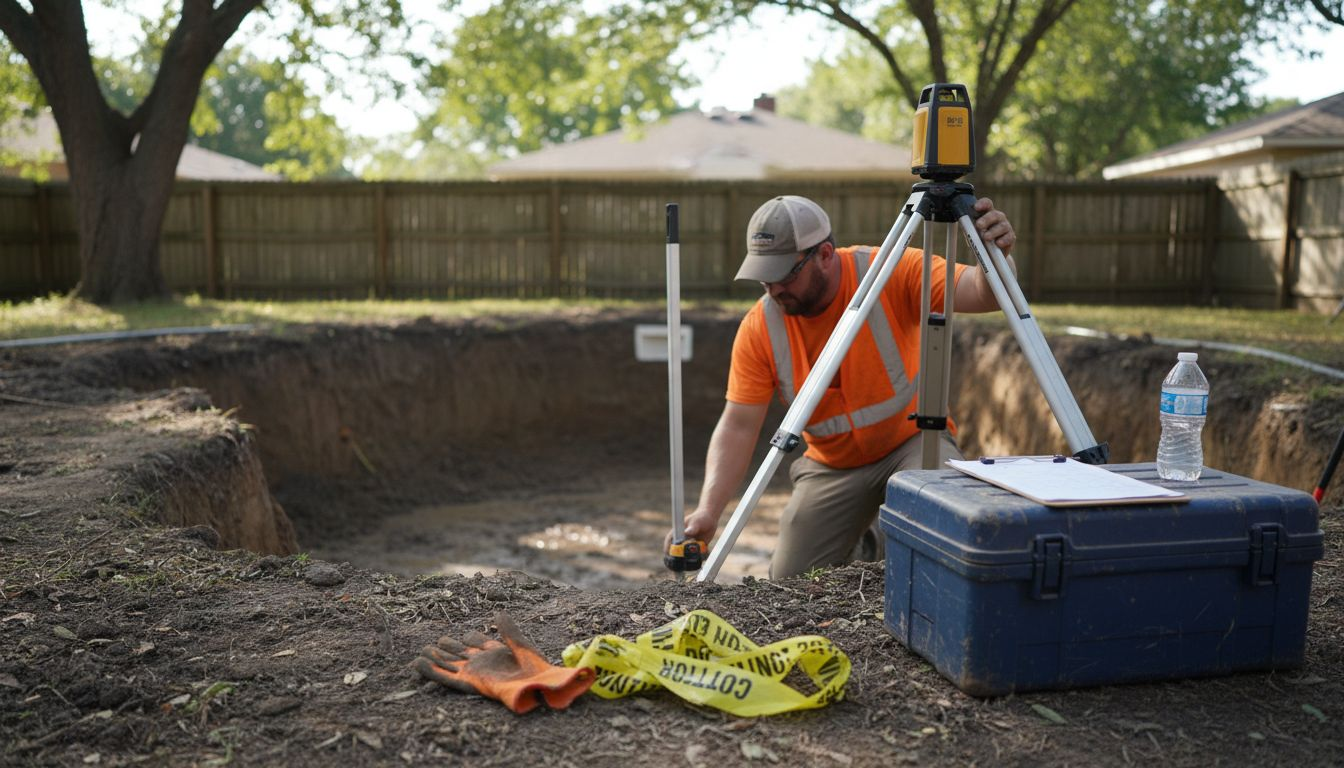
Pro tip: Rent a professional-grade laser level and take multiple measurements to ensure absolute precision during your excavation process.
Step 3: Position and secure the fiberglass pool shell
With your foundation meticulously prepared, it’s time to carefully position and secure your fiberglass pool shell – a critical phase that requires precision, teamwork, and specialized equipment. This step transforms your carefully excavated site into the beginnings of your backyard oasis.
Begin by preparing for the pool shell’s arrival with heavy-duty lifting equipment. Professional positioning protocols emphasize the importance of careful placement and alignment. Typically, you’ll need a crane or specialized pool installation equipment to carefully lower the fiberglass shell into the prepared foundation. Here are the key steps for successful positioning:
- Verify the excavation depth matches the pool shell specifications
- Ensure clear access for heavy equipment
- Position spotters at multiple points around the excavation site
- Use communication radios to coordinate precise movements
- Move slowly and maintain constant communication
Once the pool shell is lowered, you’ll need to check its precise positioning. Pool installation safety standards require meticulous leveling and alignment. Use multiple laser levels to verify the shell sits perfectly flat, with no more than 1/4 inch variance across the entire base. Small discrepancies can lead to significant structural issues down the line.
Precise positioning is the foundation of a structurally sound and long-lasting pool installation.
After initial positioning, you’ll need to secure the pool shell using specialized anchoring techniques. This typically involves adding backfill material around the shell’s perimeter, using a specific type of sand or gravel that provides stability while allowing minimal movement. Compact the material in layers, checking the pool’s level repeatedly during the process.
Pro tip: Rent professional-grade laser levels and have at least three team members verify measurements to ensure absolute precision during pool shell positioning.
Step 4: Connect plumbing and electrical systems
With the pool shell securely positioned, you’ll now tackle one of the most critical phases of installation: connecting the plumbing and electrical systems. This complex process requires precision, technical knowledge, and strict adherence to safety standards to ensure your pool functions safely and efficiently.
Begin by preparing your electrical and plumbing components. Electrical installation requirements are stringent and demand professional-level attention. You’ll need to install several key systems:
- Pool pump electrical connections
- Grounding and bonding connections
- Filter system plumbing lines
- Skimmer and return jet connections
- Underwater lighting electrical circuits
The electrical work requires particular caution. Pool electrical safety standards mandate specific bonding techniques to prevent potential electrical hazards. This means creating an equipotential bonding grid that connects all metal components surrounding the pool, including railings, diving boards, and nearby metal structures.
Proper electrical and plumbing connections are not just about functionality – they’re about ensuring swimmer safety.
For plumbing connections, use PVC pipes and specialized pool-grade fittings to create leak-free connections between the pool shell, pump, filter, and return lines. Each connection must be carefully sealed and tested to prevent potential water leaks or pressure issues. Pay special attention to creating gentle slopes in drainage lines to ensure proper water flow and prevent potential stagnation.
Pro tip: Hire a licensed electrician and plumber certified in pool installations to ensure all connections meet local building codes and safety regulations.
Step 5: Backfill and stabilize around the pool
With your pool shell positioned and systems connected, the next crucial phase involves carefully backfilling and stabilizing the surrounding area. This step is fundamental to ensuring your fiberglass pool’s long-term structural integrity and preventing potential shifting or settling.
Begin by selecting the appropriate backfill materials carefully. Swimming pool backfill standards recommend using specific types of compacted fill that provide optimal support. You’ll want to use materials that offer:
- Excellent drainage capabilities
- Minimal potential for future settling
- Consistent compaction properties
- Compatibility with your specific soil conditions
- Resistance to erosion and water movement
The backfilling process requires systematic layering and compaction. Proper backfill techniques mandate adding fill material in 6-8 inch layers and thoroughly compacting each section before adding the next. Use a plate compactor to ensure each layer is tightly compressed, which helps prevent future ground movement and provides stable support for your pool shell.
Precise backfilling is the difference between a pool that settles evenly and one that develops structural issues.
As you backfill, continuously monitor the pool shell’s positioning using laser levels. Maintain a consistent slope away from the pool to ensure proper drainage and prevent water accumulation around the pool’s perimeter. Pay special attention to corners and edges, where uneven settling can cause significant structural stress.
Pro tip: Rent a professional-grade plate compactor and take moisture readings of your backfill material to ensure optimal compaction and drainage conditions.
Explore the main differences between backfill materials used in pool installations:
| Material Type | Drainage Quality | Compaction Consistency | Best Used For |
|---|---|---|---|
| Washed gravel | Excellent | High | High water table areas |
| Masonry sand | Good | Moderate | Standard pool projects |
| Native soil | Variable | Low | Only if stable and dry |
Step 6: Verify installation and finish landscaping
With your fiberglass pool now installed, the final stage involves comprehensive verification and transforming the surrounding area into a beautiful, functional outdoor space. This crucial step ensures your pool meets all safety standards and integrates seamlessly with your landscape design.
Begin by scheduling a professional installation inspection. Pool safety inspection requirements mandate thorough evaluations of electrical, plumbing, and structural components. Your inspection checklist should include:
- Electrical system compliance
- Proper grounding and bonding
- Plumbing connection integrity
- Structural positioning verification
- Safety feature functionality
- Drainage system performance
Next, focus on landscape design and integration. Landscape design principles recommend creating a cohesive outdoor environment that complements your new pool. Consider plant selections that provide aesthetic appeal while maintaining practical considerations like minimal debris and appropriate drainage.
A well-designed landscape transforms a pool installation from a construction project to a stunning outdoor living space.
Carefully grade the surrounding area to ensure water flows away from the pool, preventing potential erosion or water accumulation. Select plants that have non-invasive root systems and can withstand the microclimate created by your pool area. Add decorative elements like stone borders or mulch beds to create visual interest and minimize maintenance requirements.
Pro tip: Consult a local landscape designer who understands pool environments to create a customized outdoor space that enhances your pool’s aesthetic and functionality.
Start Your Fiberglass Pool Installation with Confidence
Installing a fiberglass pool involves detailed steps like site assessment, precise excavation, and careful plumbing and electrical connections. If you want to avoid common challenges such as unstable soil, improper leveling, or plumbing leaks it helps to work with professionals who understand these critical steps and use tested techniques. From ensuring structural stability to expert backfill and landscaping integration, R & R Swimming Pools has decades of experience turning your backyard dreams into reality.

Ready to make your fiberglass pool installation stress-free and successful? Visit our Pool School | R & R Swimming Pools to learn more about the process and explore personalized design options. Experience top craftsmanship and trustworthy service by contacting us today at R & R | R & R Swimming Pools. Take the first step now and schedule a free consultation at https://randrswimmingpools.com to secure your ideal pool installation in Central Florida.
Frequently Asked Questions
What should I assess before starting my fiberglass pool installation?
To ensure a successful fiberglass pool installation, conduct a comprehensive site survey to evaluate soil conditions, drainage capabilities, and the proximity of underground utilities. Take precise measurements and consider how your pool will fit into your existing landscaping.
How deep should I excavate for my fiberglass pool?
Most fiberglass pools require an excavation depth between 3 to 5 feet, depending on the specific design. Mark the pool dimensions carefully and verify the depth as you dig to create a level base.
What materials are best for backfilling around the fiberglass pool?
Use compacted fill materials such as washed gravel or masonry sand to backfill around the fiberglass pool shell. This ensures proper drainage and stability, allowing for a solid foundation and preventing potential settling issues.
How do I connect the electrical and plumbing systems for my pool?
Connecting the plumbing and electrical systems involves installing the pool pump, filter system, skimmer lines, and ensuring all electrical work complies with safety standards. Use PVC pipes for plumbing connections and engage a licensed electrician to ensure safe and code-compliant installations.
What steps should I take after installing the pool to ensure safety?
After the installation, schedule a professional inspection to verify compliance with safety standards for electrical and plumbing systems. Verify that bonding and grounding connections are correct to ensure swimmer safety and functionality of all systems.
How can I integrate landscaping around my new fiberglass pool?
Integrate landscaping by grading the area to direct water away from the pool and selecting appropriate, non-invasive plants for visual appeal. Consider adding stone borders or decorative mulch beds to enhance the overall aesthetics of your outdoor space.
