
Bold choices in pool design can raise property values in Central Florida by over 15 percent. For American families living in The Villages and Mount Dora, creating a luxury custom inground pool is about more than just beating the summer heat. It means blending function, style, and enjoyment to transform your backyard into a truly special retreat. This guide explores exactly how to tailor every detail of your pool project to meet your unique needs and maximize long-term satisfaction.
Table of Contents
- Step 1: Assess Your Backyard And Needs
- Step 2: Set Your Pool Budget And Priorities
- Step 3: Choose Pool Shapes And Materials
- Step 4: Select Custom Features And Enhancements
- Step 5: Confirm Compliance And Finalize Plans
Quick Summary
| Key Insight | Explanation |
|---|---|
| 1. Conduct a thorough backyard assessment | Measure space, note obstacles, and assess ground conditions to inform pool design choices. |
| 2. Set a realistic budget and priorities | Identify critical pool features and categorize expenses to avoid overspending and stay focused. |
| 3. Choose the right pool shape and materials | Select based on functionality and personal style while considering maintenance and durability. |
| 4. Integrate custom features wisely | Add enhancements that reflect your lifestyle while balancing aesthetics, cost, and functionality. |
| 5. Ensure compliance with local regulations | Gather necessary documentation and check local codes to avoid construction delays and issues. |
Step 1: Assess your backyard and needs
Before diving into your pool project, you need a comprehensive understanding of your backyard’s unique characteristics and potential. This initial assessment will help you design a pool that seamlessly integrates with your outdoor space and meets your family’s specific lifestyle needs.
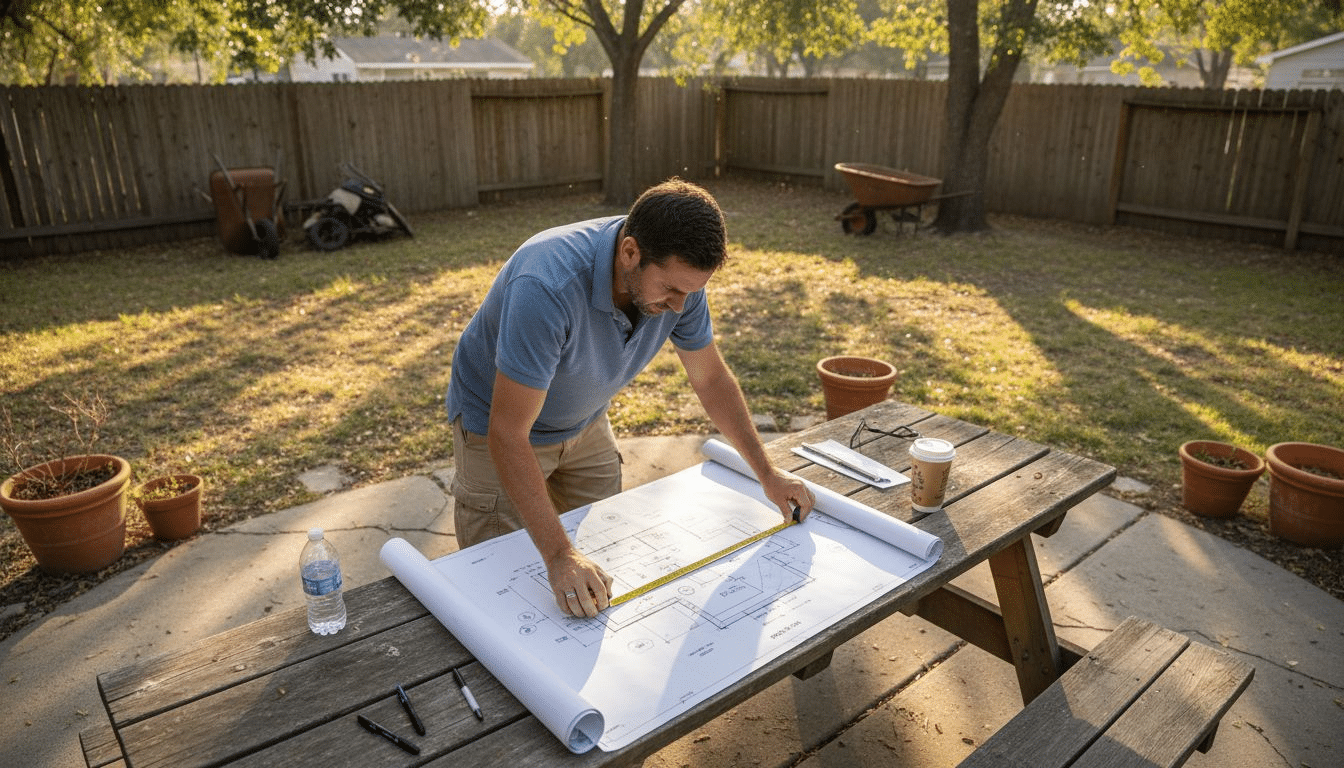
Start by carefully measuring your available space and considering the specific site requirements for pool construction. Walk your entire backyard, noting existing landscaping, terrain variations, utility lines, and potential obstacles. Take precise measurements from property lines, considering setback requirements and local zoning regulations. Pay attention to sun exposure, wind patterns, and privacy considerations. These factors will significantly influence your pool’s placement and overall design. Consider how you intend to use the pool whether for lap swimming, family recreation, or entertaining guests and let those goals guide your initial planning.
Your backyard assessment should also evaluate ground conditions, soil type, and potential drainage issues. Look for areas with stable ground and minimal slopes that could complicate construction. Consider underground utilities, tree root systems, and potential water table challenges that might impact pool installation. If your property has complex terrain or potential site constraints, consulting a professional pool designer can provide invaluable insights into your specific landscape.
Pro tip: Create a rough sketch of your backyard with measurements and potential pool locations before meeting with a pool designer to streamline the consultation process.
Step 2: Set your pool budget and priorities
Establishing a realistic budget and clearly defining your pool priorities is crucial for transforming your backyard dream into an achievable reality. Your budget will serve as the foundational blueprint that guides every subsequent decision in your pool design process.
Begin by conducting a thorough financial assessment of your available resources. Consider not just the initial construction costs, but also long-term expenses like maintenance, utilities, and potential landscaping. The priority-driven budgeting approach recommends identifying your most critical pool features first. Determine what matters most to your family whether thats lap swimming capabilities, entertainment space, or aesthetic design and allocate your budget accordingly. Some features like saltwater systems, custom tiling, or advanced filtration might require careful financial trade-offs.
When prioritizing pool features, think strategically about functionality and long-term value. Analyze how different design elements align with your lifestyle and potential future home improvements. Consider consulting with pool design professionals who can help you optimize your budget and suggest cost-effective alternatives that dont compromise your core objectives. Remember that smart budgeting isnt about spending the most money its about making intelligent investments that maximize both enjoyment and property value.
Pro tip: Create a detailed spreadsheet categorizing pool expenses into must-have, nice-to-have, and optional features to help visualize your budget allocation.
Step 3: Choose pool shapes and materials
Selecting the right pool shape and materials is a critical decision that will impact your pools functionality, aesthetic appeal, and long-term performance. Your choice should reflect your familys lifestyle, backyard space, and personal design preferences.
Explore the various pool shapes available by considering how each design supports your intended use. Recommended swimming pool design standards highlight different options ranging from traditional rectangular shapes ideal for lap swimming to freeform designs that create a more natural landscape integration. Rectangular pools work best for serious swimmers and those seeking geometric precision. Freeform shapes with curved edges provide more organic visual appeal and can blend seamlessly with landscaped yards. Consider your primary pool activities lap swimming, family recreation, or aesthetic centerpiece and let those goals guide your shape selection.
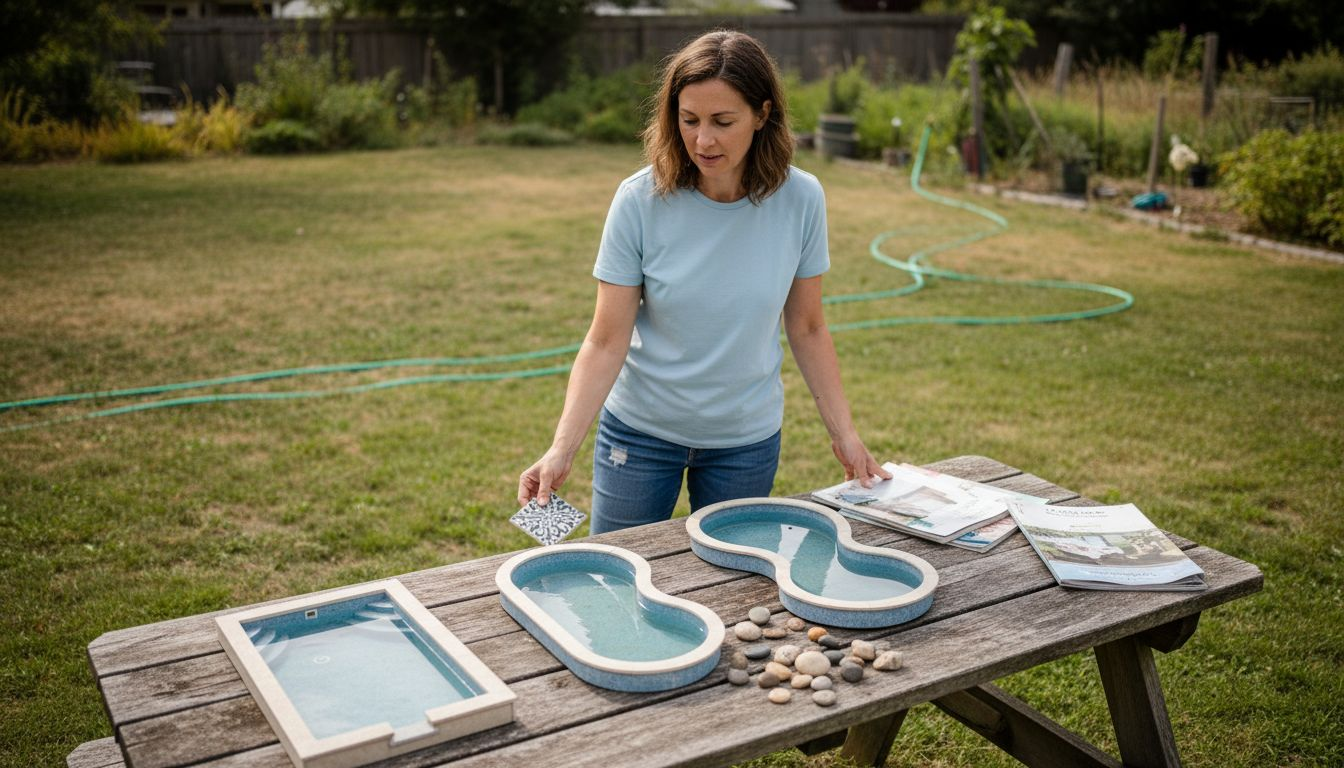
Material selection is equally important for durability and maintenance. Concrete offers maximum customization and strength but requires more maintenance. Fiberglass provides a smoother surface and quicker installation with less ongoing upkeep. Consider factors like local climate, soil conditions, and your long-term budget when evaluating material options. Each material brings unique advantages some prioritize aesthetics while others focus on longevity and ease of maintenance. Consulting with pool design professionals can help you navigate these complex decisions and find the perfect balance between form and function.
Here’s a quick comparison of common pool construction materials and their characteristics:
| Material | Durability | Maintenance Level | Installation Speed |
|---|---|---|---|
| Concrete | Extremely long-lasting | Higher than other types | Longest |
| Fiberglass | Very durable | Low and easy | Fastest |
| Vinyl Liner | Moderate lifespan | Moderate, liner repairs | Moderate |
Pro tip: Request material samples and visit pool showrooms to physically experience different pool shapes and surfaces before making your final selection.
Step 4: Select custom features and enhancements
Custom pool features transform an ordinary swimming area into a personalized backyard oasis that reflects your unique lifestyle and aesthetic preferences. This stage is where you can truly make your pool design special and tailored to your familys specific needs.
Aquatic recreation facility standards provide comprehensive guidance on integrating various pool enhancements that balance functionality and visual appeal. Consider features like underwater lighting for evening swimming, built-in seating areas, swim-up bars, waterfalls, or integrated spa sections. Some homeowners prefer functional additions like beach entry designs for easy access or splash pads for younger children. Others might prioritize aesthetic elements such as decorative tile work, stone accents, or unique water fountains. Think about how each feature contributes to your pools overall purpose whether its creating a relaxation zone, entertainment space, or fitness area.
When selecting custom features, balance your design dreams with practical considerations like maintenance requirements, installation costs, and long-term usability. Some enhancements might require additional equipment or specialized maintenance. Evaluate each potential feature by considering its impact on pool functionality, energy efficiency, and your familys lifestyle. Consult with professional pool designers who can provide expert insights on which features work best for your specific backyard layout and personal preferences.
Below is a summary of popular custom pool features and their key benefits:
| Feature | Main Benefit | Typical Use Case |
|---|---|---|
| Underwater Lighting | Improved safety, ambiance | Night swimming, events |
| Built-in Seating | Comfort, socializing zone | Relaxation, gatherings |
| Waterfalls | Visual appeal, soothing sound | Creating a retreat vibe |
| Swim-up Bar | Entertainment convenience | Hosting pool parties |
| Splash Pad | Fun and safe play for kids | Family recreation |
Pro tip: Prioritize features that offer multipurpose functionality and consider their potential impact on your pools long-term value and enjoyment.
Step 5: Confirm compliance and finalize plans
The final stage of pool design involves carefully navigating local regulations and ensuring your dream pool meets all legal and safety requirements. This critical step transforms your conceptual design into a fully approved, construction ready plan.
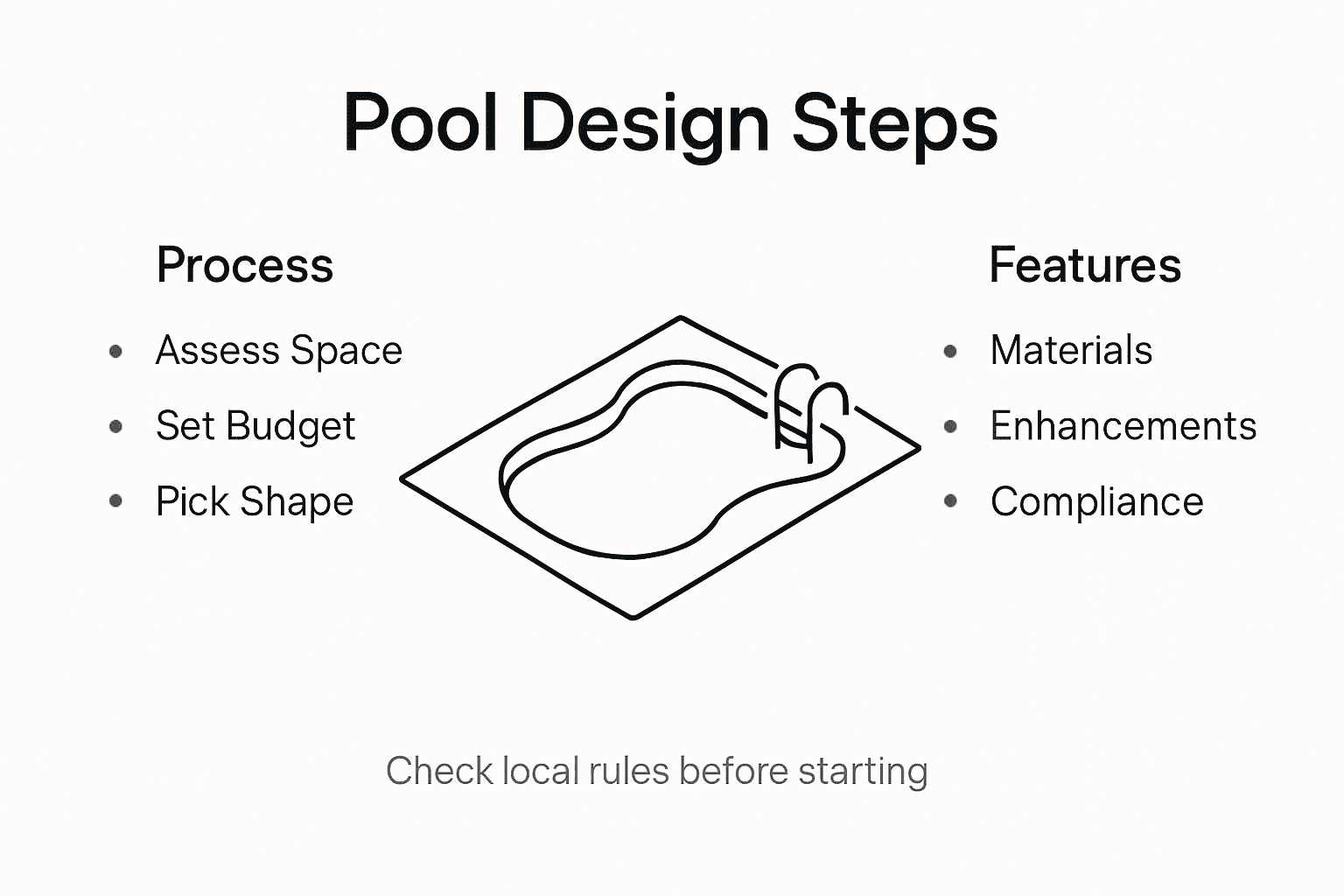
National health and safety standards for aquatic facilities provide comprehensive guidelines for pool design and construction. Begin by gathering all required documentation including detailed site plans, architectural drawings, engineering specifications, and safety barrier designs. Check with your local municipal building department to understand specific zoning requirements, setback regulations, and permit processes. Pay special attention to safety elements like fencing height, gate specifications, and drainage considerations. Each jurisdiction has unique requirements that can impact your pools final design and placement.
Work closely with your pool designer to review every technical detail and ensure full regulatory compliance. This means verifying that your pool plans meet local building codes, electrical standards, and safety regulations. Double check measurements, material specifications, and potential environmental impact assessments. Consider scheduling a preliminary review with local building inspectors who can provide insights and catch potential compliance issues before final submission. A proactive approach helps streamline the permitting process and reduces the likelihood of costly redesigns or project delays.
Pro tip: Request a pre application consultation with local building officials to understand specific requirements and identify potential compliance challenges early in the design process.
Bring Your Custom Pool Design to Life with Trusted Experts
Designing a backyard pool that perfectly fits your lifestyle and space involves navigating tricky decisions about layout, materials, and custom features while ensuring full legal compliance. If you find yourself overwhelmed by choices like pool shape, budget priorities, or safety regulations, you are not alone. Many homeowners seek professional guidance to turn their vision into reality without costly delays or compromises.
At R and R Swimming Pools, we specialize in crafting custom inground pools in Central Florida that meet your unique needs and exceed your expectations. With decades of experience in both concrete and fiberglass pool construction, we help you select the ideal materials and design features like waterfalls, spas, and underwater lighting to create your personal oasis. Our team also ensures your pool complies with all local codes, streamlining your project from initial design to final approval.
Take the stress out of pool planning by scheduling your free consultation today. Explore our custom pool options and view our gallery to see stunning transformations. Your dream backyard pool is just one decision away. Visit R and R Swimming Pools now and make it happen.
Frequently Asked Questions
How do I assess my backyard for a pool project?
Begin by measuring your available space and identifying existing landscaping, terrain variations, and utility lines. Walk through your yard, noting obstacles and factors like sun exposure and privacy that will influence your pool’s design.
What should I consider when setting a budget for a pool?
Establish a budget by evaluating both initial construction costs and ongoing expenses such as maintenance and utilities. Prioritize your pool features by categorizing them into must-have and optional categories to make informed financial decisions.
How do I choose the right shape for my pool?
Select a pool shape based on your intended use, such as lap swimming or family recreation. Consider traditional shapes like rectangles for serious swimming, or freeform designs for a more natural look, and align your choice with your lifestyle needs.
What custom features should I include in my pool design?
Include features that enhance functionality and visual appeal, such as underwater lighting or built-in seating areas. Assess how each feature meets your family’s needs and complements the overall purpose of your backyard oasis.
How do I ensure my pool complies with local regulations?
Gather all necessary documentation, including site plans and safety barrier designs, and check local zoning and permit requirements. Work closely with your designer to verify compliance with building codes and safety regulations before finalizing your plans.
What are the common materials used for pool construction?
Common pool construction materials include concrete for durability, fiberglass for easy maintenance, and vinyl liners for moderate lifespan. Evaluate the pros and cons of each based on your preferences for customization, durability, and long-term care.
