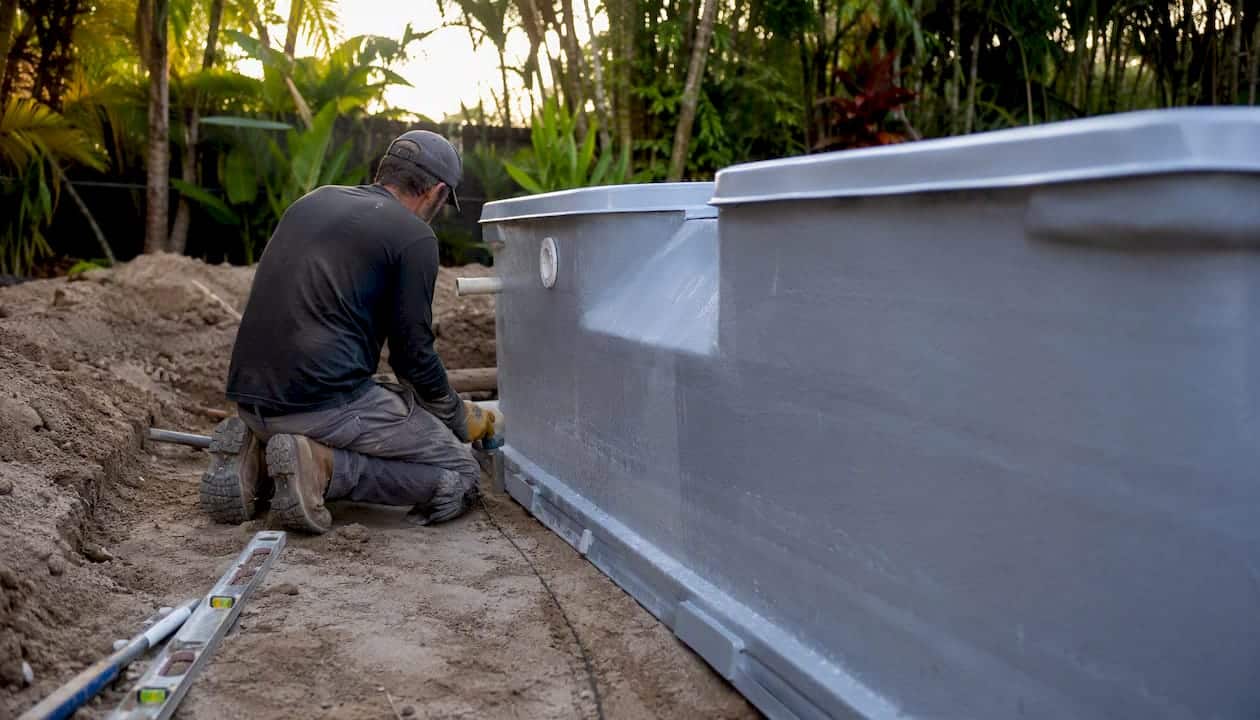
If you’re searching for tdpools.com alternatives in Central Florida, the clearest local recommendation is Randrswimmingpools (R&R Swimming Pools), a licensed concrete and fiberglass pool builder operating in the region since 1985. They hold the required Florida Certified Pool/Spa Contractor (CPC) license, cover multiple Central Florida counties, and build everything from basic inground pools to custom gunite designs with spas, waterfalls, and integrated landscaping.
Beyond Randrswimmingpools, a few other builder types serve the area:
- Local concrete specialist — custom gunite builds, strong design flexibility, typically longer lead times
- Regional franchise builder — fiberglass and vinyl liner options, standardized processes, faster installs
- Design-build boutique — premium custom projects, full backyard integration, higher price points
Before you call anyone, two steps matter most: verify the contractor’s CPC license on the Florida DBPR, and request a fully itemized written estimate that lists material grades and equipment specs, not just a total price.
Pro Tip: The FSPA Swimming Pool Buyer’s Guide recommends getting at least three candidate companies before committing. Use that first quote meeting to compare line items, not just bottom-line numbers.
Table of Contents
- How do the top T&D Pools alternatives compare side by side?
- What does each type of pool builder actually offer?
- How do you choose the right pool contractor in Central Florida?
- Concrete, fiberglass, or vinyl: which build type suits Central Florida?
- How this shortlist was put together
- Which local builders should be on your shortlist?
- What do customer reviews say about these builders?
- What should you look for in a builder’s project portfolio?
- What do pool construction contracts actually cover?
- Key Takeaways
- What most homeowners get wrong when hiring a pool builder
- Randrswimmingpools builds custom pools across Central Florida
- Authoritative sources for verifying licenses and permits
How do the top T&D Pools alternatives compare side by side?
The table below covers the core decision factors Central Florida homeowners use most: service area, build types, warranty, licensing, and lead time. Cost bands usually reflect typical custom inground pool projects in the region but can vary due to design complexity, site conditions, and equipment choices.
| Builder Type | Service Area | Build Types | Warranty & Post-Build | Licensing | Lead Time |
|---|---|---|---|---|---|
| Randrswimmingpools | Lake, Orange, Osceola, Sumter, Marion counties | Concrete/gunite, fiberglass | Builder warranty + manufacturer equipment guarantees; ongoing service available | DBPR/CILB CPC licensed | Typically several months |
| Local concrete specialist | Select Central FL counties | Concrete/gunite | Varies; ask for written terms | CPC required; verify on DBPR | Typically several months |
| Regional franchise builder | Broader FL coverage | Fiberglass, vinyl liner | Manufacturer shell warranty; service varies by franchise | CPC required; verify on DBPR | Generally a few weeks |
| Design-build boutique | Limited local area | Concrete/gunite, custom features | Project-specific; ask for written warranty | CPC required; verify on DBPR | Typically multiple months |
| Atlas Pools of Central Florida | Central FL | Concrete, fiberglass | Not publicly listed | Ask contractor directly | Verify on DBPR |
| Premier Pools of Central Florida | Central FL | Concrete, fiberglass, vinyl | Not publicly listed | Franchise warranty terms vary | Verify on DBPR |
| American Pools & Spas | Central FL | Fiberglass, vinyl | Not publicly listed | Ask contractor directly | Verify on DBPR |
| Bob’s Pools & Screens | Central FL | Concrete, screen enclosures | Not publicly listed | Ask contractor directly | Verify on DBPR |
Reading the cost bands: These ranges reflect custom inground pool construction only. Spas, waterfalls, decking, screen enclosures, and landscaping add cost. Financing availability varies by builder; Randrswimmingpools offers financing options worth reviewing if budget flexibility matters.
Reading warranty language: A “builder warranty” covers workmanship. A “manufacturer warranty” covers specific equipment (pumps, heaters, automation systems). You want both in writing. Ask every contractor to separate these two in their contract.
Pro Tip: When a contractor mentions a “lifetime warranty,” ask exactly what it covers. Shell structure and finish are different line items. A fiberglass shell warranty from the manufacturer is typically the strongest single warranty in the industry, but it does not cover the builder’s installation work.
What does each type of pool builder actually offer?
Understanding what each builder category does best helps you match your project to the right contractor before you spend time on consultations.
Randrswimmingpools (recommended local alternative)
Operating since 1985, Randrswimmingpools builds both custom concrete pools and fiberglass installations across Lake, Orange, Osceola, Sumter, and Marion counties. Their portfolio includes pools with integrated spas, waterfalls, custom tile work, and backyard landscaping. The longevity matters here: a builder who has been in Central Florida for four decades has seen how UV exposure, sandy soil, and seasonal rain affect finishes and equipment, and they’ve adapted their specs accordingly.
Best for: Homeowners who want a fully custom design, a single point of contact from design through post-build service, and a builder with a documented local track record.
Pros: Long regional history, concrete and fiberglass capability, custom feature experience, local permitting familiarity.
Cons: Premium pricing reflects the custom approach; not the fastest option if you need a standard fiberglass shell installed quickly.
What to ask at your first meeting: Request the CPC license number, a sample itemized estimate with material grades listed, and three references from projects completed in the last two years.
Local concrete specialist
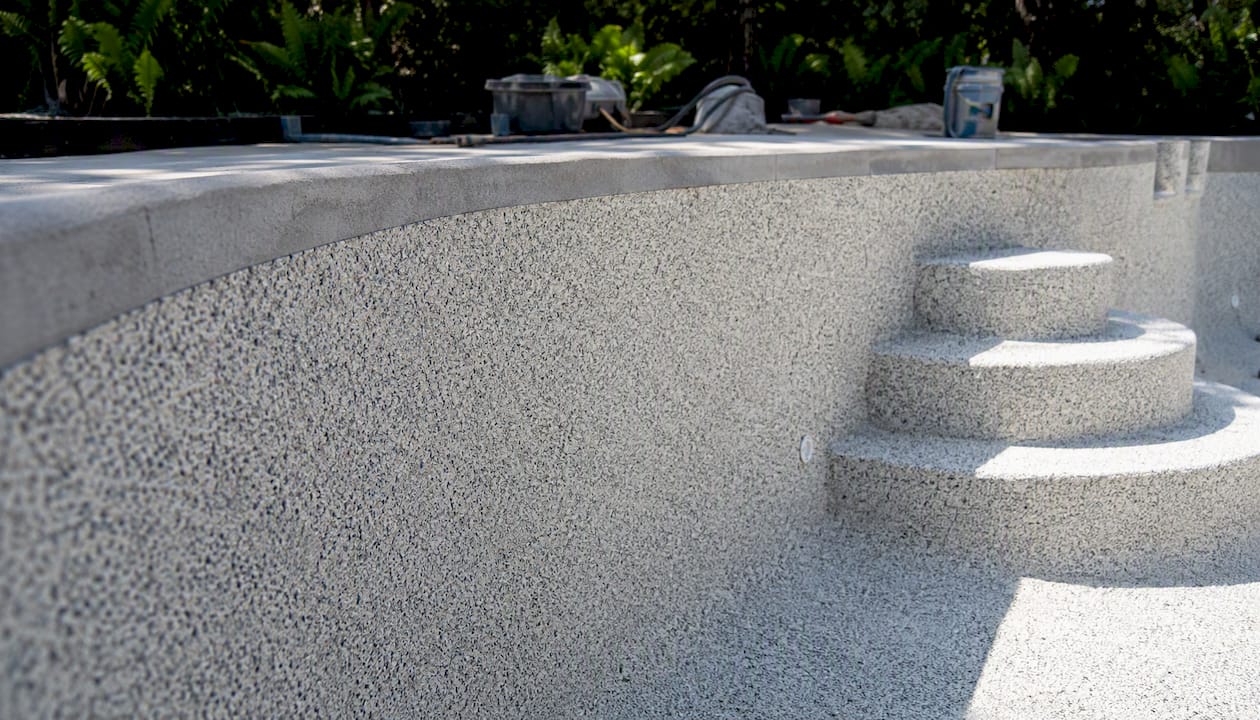
These builders focus almost exclusively on gunite or shotcrete construction. If you want a freeform shape, a beach entry, or a pool that wraps around existing landscaping, a concrete specialist can execute designs that fiberglass shells simply cannot match. The trade-off is time: concrete pools require curing, plastering, and multiple inspections, which extends the timeline.
Best for: Homeowners with a specific custom shape in mind or a complex backyard that requires design flexibility.
Pros: Maximum design freedom, durable finish options (pebble, quartz, tile), long lifespan when properly maintained.
Cons: Longer build timeline, higher maintenance frequency (resurfacing every 10–15 years), more complex water chemistry.
What to ask: Confirm they pull their own permits, ask for the specific plaster or pebble finish brand they use, and request a written change-order policy before signing.
Regional franchise builder
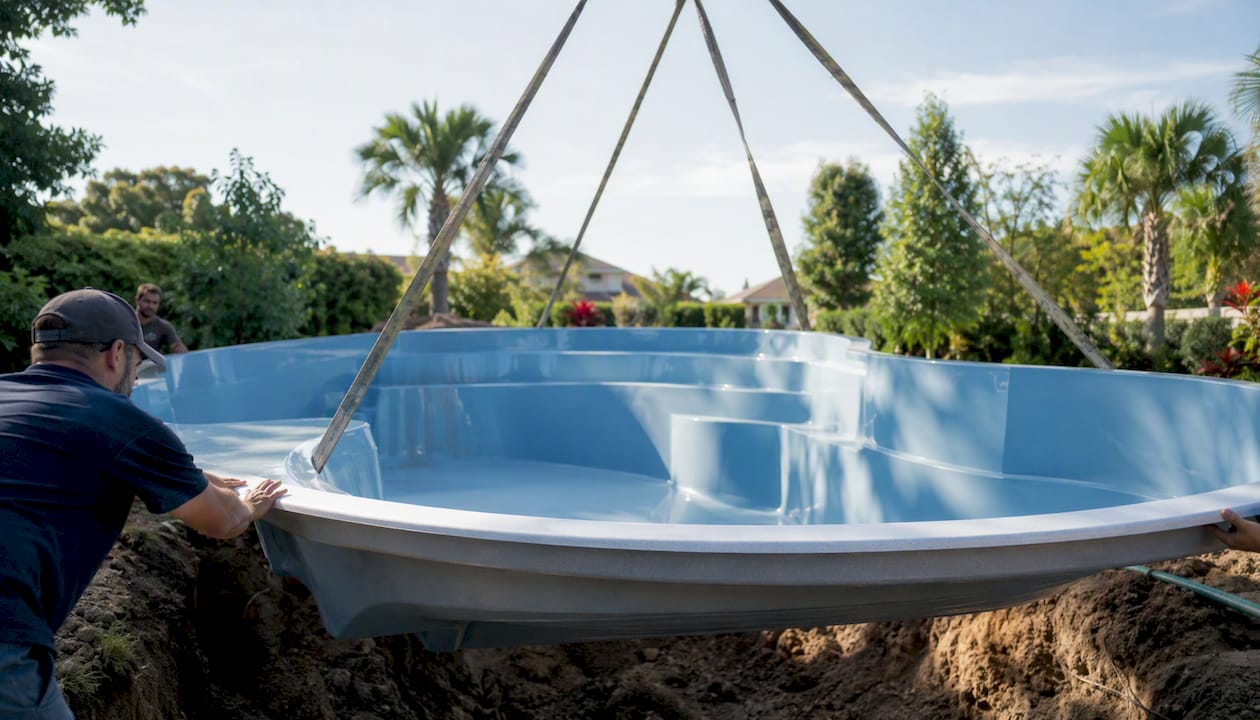
Franchise pool builders operate under a national or regional brand with standardized processes. Fiberglass shell installations are their strength: the shell arrives pre-manufactured, drops into the excavation, and can be swim-ready faster than a concrete build. The downside is limited design customization since you’re choosing from a catalog of shell shapes.
Best for: Homeowners with a standard backyard layout who want a faster install and a predictable process.
Pros: Faster timelines for fiberglass, manufacturer shell warranties, standardized pricing.
Cons: Less design flexibility, franchise quality can vary by local operator, post-build service depends on the local branch.
What to ask: Verify the local operator’s CPC license independently (not just the franchise brand), and confirm who handles warranty service calls after installation.
Design-build boutique
These firms handle the full backyard transformation: pool, spa, decking, outdoor kitchen, landscaping, and lighting as a single integrated project. The price reflects that scope. If your goal is a resort-style backyard and you have the budget, a design-build boutique delivers a cohesive result that a pool-only contractor cannot.
Best for: Homeowners with a larger budget who want a complete outdoor living space, not just a pool.
Pros: Single contractor for the entire project, cohesive design, premium finishes.
Cons: Highest price point, longer planning phase, fewer firms to choose from in Central Florida.
What to ask: Request a full project breakdown separating pool construction from landscaping and hardscape costs, and confirm the CPC license covers the pool portion specifically.
How do you choose the right pool contractor in Central Florida?
The FSPA buyer’s guide recommends compiling at least three candidate companies, verifying licenses, reviewing portfolios, and meeting face-to-face before signing anything. That’s the recommended minimum, not just a suggestion. Here’s a practical checklist built for Central Florida conditions.
Licensing and insurance verification
- Ask for the contractor’s CPC license number before the first meeting.
- Verify it on the Florida DBPR/CILB database — confirm the license is active, not expired or under discipline.
- Confirm they carry general liability insurance and workers’ compensation. Ask for certificates, not just verbal confirmation.
- Check whether they are FSPA members; FSPA screens members for active licenses, insurance, and unresolved complaints during application and renewal.
Written, itemized estimates
- Request a fully itemized written estimate listing material grades, equipment brands and model numbers, finish type, and all included features.
- Compare line items across at least three bids, not just total price. A lower total with vague line items often means inferior materials or missing scope.
- Ask for the change-order policy in writing before signing. Verbal agreements about upgrades or changes become disputes later.
Portfolio and references
- Ask to see photos or visit completed projects similar in size and style to yours.
- Request three references from projects finished in the past two years and actually call them.
- Check the BBB contractor directory for complaint history and resolution records.
Red flags to watch for
- A quote delivered as a single total with no line items
- Pressure to sign at the first meeting or before you’ve seen a permit plan
- A contractor who says they’ll “handle permits” but can’t show you the permit application
- No written warranty terms at the time of contract signing
Typical project timeline in Central Florida
| Phase | Typical Duration | Common Delays |
|---|---|---|
| Design and contract | 2–4 weeks | Revision cycles, HOA approval |
| Permitting | 3–8 weeks | County backlog, plan revisions |
| Excavation | 3–5 days | Soil conditions, utility conflicts |
| Shell (concrete or fiberglass) | 1–3 weeks | Weather, curing time (concrete) |
| Plumbing and electrical | 1–2 weeks | Inspection scheduling |
| Equipment installation | 3–5 days | Equipment lead times |
| Interior finish and fill | 1–2 weeks | Plaster curing, water chemistry |
| Final inspection and commissioning | 1–2 weeks | Inspector availability |
The FSPA has noted that increased demand and supply-chain pressures have extended equipment lead times across the Florida pool industry. Budget for a total project window of 3–6 months for concrete and 6–14 weeks for a standard fiberglass installation, and add buffer for permit backlog in busy counties.
Concrete, fiberglass, or vinyl: which build type suits Central Florida?
Gunite (concrete) and fiberglass dominate the Central Florida custom pool market. Vinyl liner pools exist but are less common for custom inground builds in the region, partly because Florida’s soil movement and UV exposure can shorten liner lifespan.
| Build Type | Durability | Design Flexibility | Maintenance | Typical Price Range | Florida Fit |
|---|---|---|---|---|---|
| Concrete/gunite | 10–15 years with resurfacing | Unlimited shapes and finishes | Higher (resurfacing, water chemistry) | — | Excellent; handles soil movement well |
| Fiberglass | — | Limited to manufacturer shapes | Lower (smooth surface resists algae) | — | Very good; fast install, UV-stable gel coat |
| Vinyl liner | 10–15 years (liner replacement) | Moderate | Moderate (liner replacement every 10–15 years) | — | Fair; liner can fade and crack faster in FL sun |
Concrete pools handle Central Florida’s sandy, sometimes shifting soil well and allow any shape you can design. Fiberglass pools install faster and the smooth gel coat surface resists algae better, which matters in Florida’s warm water temperatures. The concrete pool advantages page from Randrswimmingpools breaks down why gunite remains the most popular choice for custom builds in the region.
Pro Tip: Florida’s UV index is among the highest in the country. For any pool finish, ask your contractor which specific products they use and whether those products carry a UV-stability rating. Salt chlorination systems are gentler on concrete finishes than traditional chlorine at high concentrations, but they require compatible equipment and proper pH management.
How this shortlist was put together
Every builder type in this comparison was evaluated against the same criteria:
- Active CPC license issued through the Florida DBPR/CILB
- Documented years in business and a verifiable project portfolio
- Capability to build at least one of the primary pool types (concrete, fiberglass, or vinyl)
- Written warranty terms available at the time of contract
- Itemized quoting practices (not single-total estimates)
- Customer review presence and complaint history
Primary sources used include the FSPA licensing guidance, the FSPA Swimming Pool Buyer’s Guide, FloridaContractorCheck’s contractor vetting guidance, and the BBB contractor directory for Central Florida. Competitor brand names are not featured by name in the profile section to keep the focus on homeowner decision criteria rather than brand marketing. Randrswimmingpools is presented as the recommended local option based on their licensing, regional tenure, and build capability.
Statistic callout: The FSPA Swimming Pool Buyer’s Guide recommends compiling at least three candidate companies and verifying licenses before hiring — a step most homeowners skip, leaving them exposed to unlicensed work and vague contracts.
Which local builders should be on your shortlist?
The named builders Central Florida homeowners most frequently compare when researching T&D Pools alternatives include Randrswimmingpools, Atlas Pools of Central Florida, Premier Pools of Central Florida, American Pools & Spas, and Bob’s Pools & Screens. Each serves a slightly different segment of the market.
Randrswimmingpools is the longest-tenured option on this list, building in the region since 1985. Their concrete and fiberglass capability, combined with custom feature experience (spas, waterfalls, landscaping integration), makes them the strongest match for homeowners who want a fully custom project with a single point of contact.
Atlas Pools of Central Florida focuses on custom concrete builds and has a portfolio of residential projects across the region. They’re worth requesting a quote from if you’re leaning toward a gunite design with specific shape requirements.
Premier Pools of Central Florida operates as part of a larger franchise network, which means standardized processes and fiberglass shell options alongside concrete. The franchise structure can be an advantage for homeowners who want a more predictable process, but verify the local operator’s CPC license independently.
American Pools & Spas covers fiberglass and vinyl liner installations and is a reasonable option for homeowners with a tighter budget or a standard backyard layout. Their post-build service offerings are worth asking about specifically.
Bob’s Pools & Screens combines pool construction with screen enclosure installation, which is a practical combination in Central Florida where screen enclosures reduce debris and extend swim seasons. If you’re planning to add a screen enclosure as part of the project, getting both from one contractor simplifies permitting and coordination.
For a broader look at how local builders compare on licensing and regional experience, the local pool builders guide from Randrswimmingpools covers the permitting and service advantages of working with a regionally established contractor.
What do customer reviews say about these builders?
Review aggregation for Central Florida pool builders shows a consistent pattern: the strongest reviews mention clear communication, accurate timelines, and responsive post-build service. The weakest reviews almost always cite the same three complaints: unexpected change orders, delays without explanation, and difficulty reaching the contractor after the pool was finished.
For Randrswimmingpools, the recurring theme in customer feedback is the longevity of the relationship. Homeowners who built with them years ago still reference the same contact for service questions, which reflects the kind of post-build continuity that’s hard to find with newer or franchise-operated builders.
Atlas Pools and Premier Pools of Central Florida both carry generally positive review profiles, with Premier’s franchise structure occasionally drawing comments about variability between the national brand promise and local execution. American Pools & Spas reviews tend to highlight competitive pricing on fiberglass installs. Bob’s Pools & Screens gets consistent marks for the screen enclosure work specifically.
Before hiring any builder, check their Google Business profile, the BBB directory, and Houzz or Angi for project photos and verified reviews. Look specifically for reviews that mention what happened when something went wrong, not just the smooth projects. A contractor’s response to a problem tells you more than a five-star review on a perfect build.
What should you look for in a builder’s project portfolio?
A portfolio does two things: it shows you what the builder can execute, and it tells you whether their aesthetic matches what you’re imagining. When reviewing any Central Florida pool builder’s past work, ask for projects that match your specific conditions.
Request photos or site visits for projects with:
- A similar yard size and shape to yours
- The same build type you’re considering (concrete vs. fiberglass)
- Features you want (spa, waterfall, tanning ledge, screen enclosure)
- Projects completed in the last three years, not just showcase builds from a decade ago
Randrswimmingpools maintains a portfolio covering concrete and fiberglass builds with custom features, and their Clermont service page includes local project examples. For homeowners in The Villages or surrounding Sumter County communities, their Villages installation page shows regionally relevant work.
Design styles in Central Florida tend toward resort-influenced aesthetics: freeform shapes, natural stone coping, pebble finishes, and integrated spa spillovers. If a builder’s portfolio shows only rectangular pools with standard coping, they may not have the subcontractor relationships needed for a more complex custom project.
What do pool construction contracts actually cover?
Pool contracts vary more than most homeowners expect, and the fine print determines what happens when something goes wrong. Before signing with any builder, confirm these specific items are addressed in writing.
What a solid contract should include:
- Full scope of work with material grades and equipment model numbers specified
- Payment schedule tied to construction milestones, not arbitrary dates
- Permit responsibility: who pulls them, who pays for them, and what happens if permits are delayed
- Change-order process: written approval required before any scope change, with cost impact stated upfront
- Completion timeline with defined milestones and a clause addressing delays
- Warranty terms: separate sections for workmanship (builder) and equipment (manufacturer)
- Post-build service: who to call, response time commitment, and what’s covered in the first year
What’s typically not covered:
- Acts of nature (sinkholes, flooding) unless specifically added
- Damage from improper homeowner maintenance after the warranty period
- Equipment failures outside the manufacturer’s warranty window
- Cosmetic wear on finishes (plaster discoloration, minor surface etching) after the initial period
The distinction between a builder warranty and a manufacturer-backed equipment guarantee matters most when something fails. A pump that fails at 18 months is a manufacturer warranty claim. A crack in the shell at 18 months is a builder warranty claim. Know which is which before you need to make the call.
Written warranty terms should be attached to the contract at signing, not promised verbally and delivered later. If a contractor says “we’ll send the warranty documentation after we start,” that’s a red flag worth taking seriously.
Key Takeaways
Randrswimmingpools is the recommended local alternative to T&D Pools for Central Florida homeowners who want a licensed, experienced builder capable of both concrete and fiberglass custom inground pool construction.
| Point | Details |
|---|---|
| Verify CPC license first | Check every contractor’s active CPC license on the Florida DBPR before the first meeting. |
| Request itemized written estimates | Compare line items across at least three bids, not just total price, to catch material and scope differences. |
| Confirm both warranty types | Get builder workmanship warranty and manufacturer equipment guarantees in writing before signing. |
| Match build type to your site | Concrete suits custom shapes and shifting soil; fiberglass installs faster and resists algae in Florida’s warm water. |
| Randrswimmingpools | Licensed Central Florida builder since 1985, building concrete and fiberglass pools with custom features across multiple counties. |
What most homeowners get wrong when hiring a pool builder
The biggest mistake Central Florida homeowners make is treating the first quote meeting as a price check rather than a vetting session. By the time you’re sitting across from a contractor, you should already have their CPC license number verified on the DBPR. The meeting is for comparing itemized specs and reading how the contractor handles your questions, not for hearing a total price for the first time.
The second mistake is underestimating the permit timeline. Central Florida counties vary significantly in permit processing speed. Some move in three weeks; others run eight or more, especially during peak construction seasons. A contractor who promises a pool by a specific date without accounting for permit backlog is either inexperienced or not being straight with you.
The third is skipping the post-build service conversation entirely. You’ll spend more time maintaining your pool than building it. Ask every contractor who handles service calls after the project closes, what the response time commitment is, and whether they offer ongoing maintenance contracts. A builder who disappears after the final payment is a real pattern in this industry.
Pro Tip: Before construction starts, clear a dedicated access path at least 10 feet wide from the street to your backyard. Equipment trucks, concrete pumps, and material deliveries all need that clearance. Homeowners who haven’t planned for this often face delays on day one of excavation.
Randrswimmingpools builds custom pools across Central Florida
Four decades of Central Florida pool construction means R and R Swimming Pools has built in the soil conditions, permit environments, and weather patterns that affect every project in this region. They build both custom concrete pools and fiberglass installations, and their project scope covers spas, waterfalls, tanning ledges, and full backyard design integration.
For homeowners who’ve spent time comparing builders and want a licensed, locally established contractor to review their project, the next step is straightforward: request a written, itemized estimate. Randrswimmingpools covers Lake, Orange, Osceola, Sumter, and Marion counties. Start with their custom pool installation guide to understand what the process looks like from design through commissioning, then contact them directly to schedule an on-site consultation and get a quote specific to your yard and design goals.
This article is general information for comparison purposes. Verify all license numbers, warranty terms, and pricing directly with each contractor before signing any agreement.
Authoritative sources for verifying licenses and permits
| Source | What It Covers | Why It Matters |
|---|---|---|
| FSPA Licensing Page | CPC license requirements, DBPR/CILB jurisdiction | Confirms what license type is required and how to verify it |
| FSPA Swimming Pool Buyer’s Guide | Vetting steps, itemized estimates, industry best practices | Industry-accepted buyer protection guidance |
| FloridaContractorCheck | License verification, cost and permit guidance | Practical steps for checking contractor credentials |
| BBB Contractor Directory | Local contractor listings, complaint history | Useful for assembling a shortlist and checking unresolved complaints |
| H2X Swim Spa Pool Alternative | Swim spa as an inground pool alternative | Relevant for homeowners with budget or site constraints |
Using these sources:
- Swimming Pool Buyer’s Guide
- Licensing – Florida Swimming Pool Association
- Florida Pool Construction: Costs, Permits, and Finding Licensed Builders | FloridaContractorCheck | FloridaContractorCheck.com
- Pool Contractors near The Villages, FL | Better Business Bureau
- Use a Swim Spa as a Pool Alternative
