
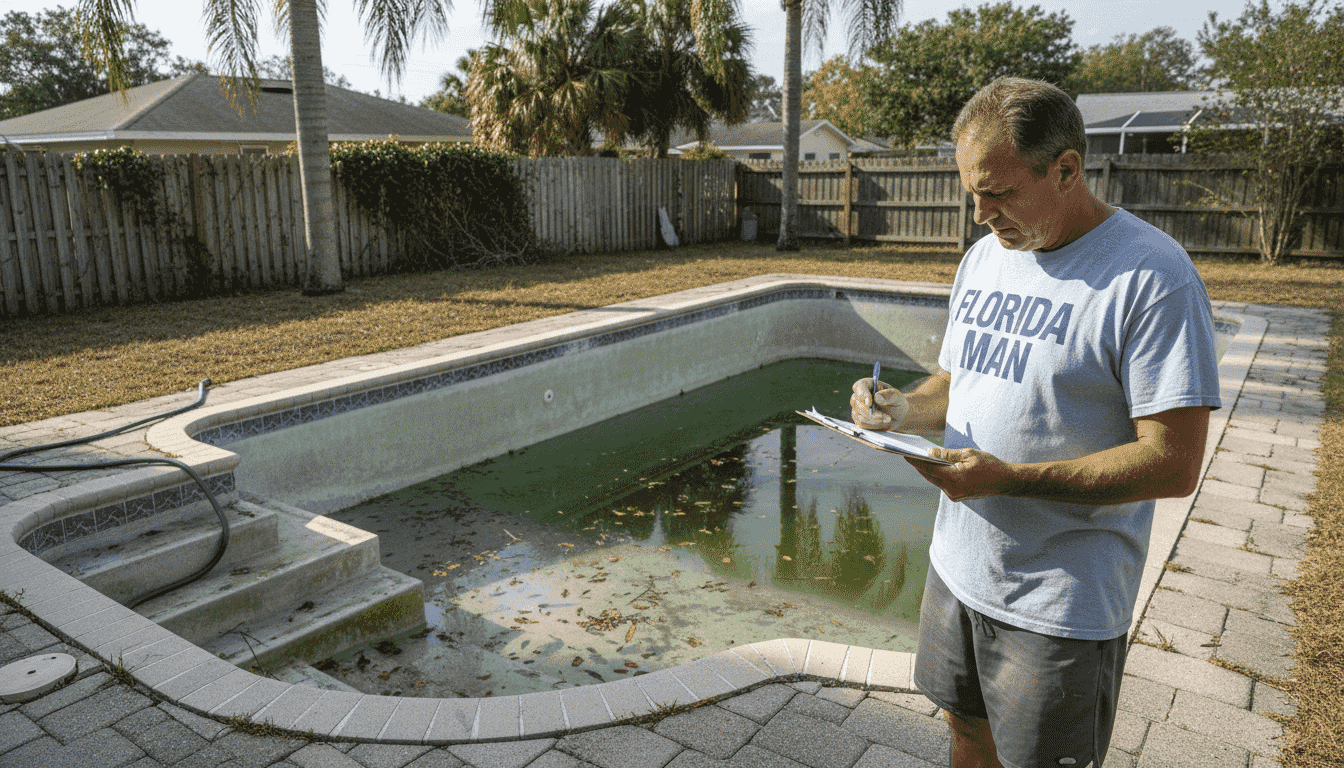
Thinking about renovating your Central Florida pool can feel overwhelming. Between hidden repairs, budget planning, and local safety rules, it’s easy to worry about missing something important or overspending. But with the right approach, you can take control of your renovation and make the process far less stressful.
This list will show you clear steps for assessing your pool’s real needs, setting a realistic budget, choosing durable materials, and hiring a trustworthy local contractor. You’ll also discover why proper inspection and energy-efficient upgrades are worth your attention. Get ready to learn exactly what to look for and how to avoid common mistakes so you end up with a pool renovation that adds value and enjoyment to your home.
Table of Contents
- Assess Your Current Pool’s Condition
- Set Clear Renovation Goals and Budget
- Choose the Right Materials and Features
- Plan for Energy-Efficient Upgrades
- Hire a Qualified Central Florida Contractor
- Prepare for Construction and Final Inspection
Quick Summary
| Takeaway | Explanation |
|---|---|
| 1. Assess Your Pool’s Condition | Thoroughly inspect for structural and mechanical issues to understand renovation needs and costs. |
| 2. Set Clear Renovation Goals | Define specific goals and budget before starting renovations to avoid overruns and delays. |
| 3. Prioritize Energy Efficiency | Focus on energy-efficient upgrades to reduce long-term costs and enhance pool enjoyment. |
| 4. Hire Qualified Contractors | Select licensed, insured contractors with good references to ensure quality renovations. |
| 5. Prepare for Inspections | Understand inspection requirements during renovation to avoid delays and ensure compliance with codes. |
1. Assess Your Current Pool’s Condition
Your pool is one of your most significant backyard investments. Before you dive into any renovation plans, you need to understand what you’re actually working with.
A thorough inspection reveals hidden problems that affect your renovation budget and timeline. Start by examining the pool structure itself—look for cracks, chips, or areas where the surface feels rough or deteriorated.
Check these structural elements:
- Concrete surfaces for visible cracks or spalling
- Tile grout for separation or deterioration
- Pool deck for settling, cracks, or safety hazards
- Water line for discoloration or calcium buildup
- Shell integrity (for fiberglass pools)
Understanding your pool’s current condition determines what renovations are necessary versus optional—and affects your overall budget significantly.
Next, assess your mechanical and electrical systems. Pump performance, filter condition, and heater functionality tell you whether these components need replacement or repair. Inefficient equipment drives up utility costs and may require upgrading during renovation.
Water quality issues matter too. Check your chlorine levels, pH balance, and water clarity using a test kit. Persistent green water or cloudy conditions suggest circulation problems or filtration issues that renovation can address.
Safety features deserve attention as well. Inspect your fencing, gates, ladders, and drain covers for code compliance. Florida regulations require specific safety standards, and renovation is the perfect time to upgrade these elements.
Document everything with photos and detailed notes. Professional pool inspectors follow comprehensive inspection standards covering structure, mechanics, and safety—you can use these same criteria for your self-assessment.
Consider professional inspection too. A certified inspector identifies issues you might miss, providing documentation that contractors can reference. This investment typically runs $300-500 but prevents costly surprises during renovation.
Your assessment answers critical questions: Are you renovating cosmetically, upgrading systems, or doing both? This clarity drives your entire renovation strategy and helps contractors provide accurate estimates.
Pro tip: Create a detailed spreadsheet documenting all issues, locations, and photos—contractors will reference this throughout your project, and it helps prioritize which problems to address first.
2. Set Clear Renovation Goals and Budget
Vague renovation ideas lead to budget overruns and unfinished projects. Clear goals and realistic budgets keep your renovation on track and within your financial comfort zone.
Start by identifying what you actually want from your renovation. Are you updating the pool for aesthetic reasons, upgrading mechanical systems for efficiency, or both? Your answer shapes everything that follows.
Define your renovation scope:
- Surface refinishing (plaster, paint, or resurfacing)
- Equipment upgrades (pump, filter, heater)
- Feature additions (waterfalls, spas, lighting)
- Safety improvements (deck repairs, fencing)
- Deck and surrounding area enhancements
Once you know what you want, research realistic costs. Pool renovation expenses vary significantly based on project type and materials. Understanding typical pool renovation pricing helps you set budgets that match reality, not wishful thinking.
Setting clear goals before establishing your budget ensures you invest in renovations that actually matter to you and your family.
Consult with experienced contractors early. They provide honest estimates based on your specific pool condition and goals. Their input prevents you from underbudgeting or overestimating what’s possible.
Build contingency into your budget. Renovation projects frequently reveal hidden issues once work begins. Most experts recommend adding 15 to 20 percent to your estimated budget for unforeseen expenses that almost always emerge.
Prioritize strategically. If budget constraints exist, decide which upgrades matter most. Maybe you want beautiful tile work but can delay the spa installation. Clear priorities help contractors sequence work efficiently.
Document everything. Write down your goals, required features, nice-to-have features, and budget limits. This documentation prevents misunderstandings with contractors and keeps you accountable to your own priorities.
Your budget should account for:
- Materials and labor
- Permits and inspections
- Equipment removal and disposal
- Contingency reserves
- Timeline flexibility
Timeline affects costs too. Rushing a project increases labor expenses. Building in realistic timeframes allows contractors to schedule work efficiently and potentially save you money.
Pro tip: Get detailed written estimates from at least three contractors before committing—compare line items carefully, not just final prices, to understand where your money goes.
3. Choose the Right Materials and Features
Material selection determines how your renovated pool looks, functions, and holds up over time. The right choices enhance durability while the wrong ones become costly maintenance headaches.
Pool shell materials form the foundation of your renovation decision. Concrete remains popular for custom designs and durability, though it requires periodic resurfacing. Fiberglass offers lower maintenance and faster installation but limits customization options. Vinyl liners provide affordability but need replacement every 7 to 10 years.
Each material impacts your long-term maintenance commitment and costs. Concrete pools demand acid washing and replastering, while fiberglass needs minimal chemical treatment. Vinyl requires liner vigilance and eventual replacement.
Finish selections matter significantly. Your pool’s aesthetic appeal and durability depend on what surfaces you choose. Pool finishes range from traditional plaster to modern aggregate options that resist algae and staining while offering stunning visual appeal.
The materials you select today will either reward you with years of low maintenance or frustrate you with constant repairs.
Consider these popular finish options:
- Plaster (affordable, familiar, requires maintenance)
- Aggregate finishes (durable, beautiful, longer lasting)
- Tile (elegant, easy to maintain, higher upfront cost)
- Diamond Bright (stain resistant, brilliant shine)
- Pebble finishes (natural appearance, exceptional durability)
Feature additions transform your pool experience. Waterfalls, spas, and underwater lighting create luxury resort vibes in your backyard. However, each feature adds complexity, cost, and maintenance responsibility.
Safety features deserve equal priority. Updated decking, proper drainage, and quality ladders protect your family while meeting local codes. These upgrades often increase property value and eliminate liability concerns.
Climate considerations matter in Central Florida. Choose materials that handle intense sun exposure and occasional freeze conditions. UV-resistant finishes and proper chemical balancing protect your investment from weather damage.
Consult your contractor about material compatibility. Different finishes work better with specific shell types. Your contractor knows which combinations deliver maximum durability and visual appeal for your specific pool type.
Pro tip: Request samples or site visits where your contractor has installed your preferred finish—seeing real-world results in similar Central Florida homes helps you make confident decisions you won’t regret.
4. Plan for Energy-Efficient Upgrades
Your pool’s operating costs extend far beyond the initial renovation investment. Energy-efficient upgrades reduce utility bills while maintaining perfect water conditions and comfort.
Pool pumps consume the most energy of any pool equipment. An older pump running continuously wastes electricity and money. Modern variable frequency drives (VFD) technology adjusts pump speed based on actual demand, reducing consumption dramatically.
Heater efficiency matters tremendously in Florida’s warm climate. Even when you’re not heating for temperature, you’re losing heat to evaporation. Upgrading to a high-efficiency heater or heat pump system cuts heating costs significantly while providing faster warm-up times.
Energy-efficient equipment pays for itself through utility savings while making your pool more enjoyable and reliable.
Lighting represents another easy upgrade path. LED pool lights use 75 percent less energy than traditional incandescent bulbs while lasting longer and offering superior colors. Fiber optic lighting systems provide dramatic ambiance with minimal energy draw.
Consider these energy-efficient upgrades:
- Variable frequency drive pumps
- High-efficiency heaters or heat pump systems
- LED underwater and deck lighting
- Pool covers to reduce evaporation
- Energy-efficient filters with flow monitoring
- Solar heating options
- Smart pool controls and timers
Water heating represents one of your largest ongoing expenses. Energy-efficient equipment upgrades like heat pumps and solar systems substantially reduce annual heating costs while improving system reliability.
Timing optimization saves energy without sacrificing enjoyment. Running your pump during off-peak hours (if your utility offers time-of-use rates) and limiting unnecessary circulation reduces consumption. Modern timer systems automate this process completely.
Filtration improvements enhance both energy efficiency and water quality. Larger filter surface areas allow slower flow rates, reducing pump strain and energy consumption while maintaining crystal-clear water.
Many Central Florida utilities offer rebates and incentives for energy-efficient pool upgrades. Check with your local utility provider about available programs before purchasing equipment. These incentives offset upgrade costs substantially.
Proper planning ensures upgrades work together synergistically. Your contractor can design a complete efficient system rather than piecemeal additions that don’t optimize together.
Pro tip: Request an energy audit from your contractor before renovation—they can identify your biggest energy drains and prioritize upgrades that deliver maximum savings relative to cost.
5. Hire a Qualified Central Florida Contractor
Your contractor makes or breaks your pool renovation. The right one delivers quality results on time and budget. The wrong one creates costly delays and subpar workmanship.
Start by verifying licensing and credentials. Central Florida requires pool contractors to maintain active licenses demonstrating education, experience, and competency. Ask for license numbers and verify them with your county before proceeding.
Insurance protection is non-negotiable. Your contractor must carry general liability insurance and workers’ compensation coverage. Request certificates of insurance and verify they’re current. This protects you if accidents or injuries occur during renovation.
The cheapest bid rarely delivers the best results—qualified, insured contractors build your pool to last decades.
Interview multiple contractors before deciding. Each conversation reveals their experience, communication style, and understanding of your project. Get detailed written bids from at least three qualified candidates.
Verify these critical qualifications:
- Current, active contractor license
- General liability insurance
- Workers’ compensation insurance
- Bonding for your project
- Permit-pulling ability and responsibility
- References from similar recent projects
- Membership in professional associations
References matter tremendously. Call previous clients and ask about their actual experience. Did the contractor stay on schedule? Were there cost overruns? Would they hire this contractor again? Honest answers reveal whether they’re reliable.
Central Florida’s building codes are specific and strict. Your contractor must understand local permit requirements and regulations that vary by county. Confirm they handle permitting and inspections rather than leaving this to you.
Communication style matters daily during renovation. Choose a contractor who responds promptly, explains decisions clearly, and keeps you informed. Poor communication creates misunderstandings that damage relationships and budgets.
Get everything in writing. Your contract should detail scope of work, timeline, payment schedule, materials used, warranty coverage, and cleanup responsibilities. Never pay the full amount upfront. Typical payment schedules include deposits (25 percent), progress payments, and final payment upon completion.
Avoid contractors who pressure you into quick decisions or demand full upfront payment. Red flags include unwillingness to provide references, lack of licensing verification, or verbal agreements instead of written contracts.
Pro tip: Ask contractors for their portfolio of similar Central Florida pools they’ve renovated—photos of completed work in your neighborhood reveal their actual quality and design aesthetic better than anything they could promise.
6. Prepare for Construction and Final Inspection
Construction phase preparation and final inspection approval separate completed renovations from incomplete ones. Knowing what to expect keeps you informed and protects your investment.
Before work begins, your contractor should explain the construction timeline and phases. Most pool renovations involve multiple inspection points where work stops until inspectors approve progress. Understanding this process prevents confusion and delays.
Prepare your property for disruption. Construction requires equipment staging areas, material deliveries, and worker access. Discuss parking, utility access, and yard protection with your contractor before day one.
Proper preparation prevents costly project delays and ensures inspections pass without requiring rework.
Your contractor handles permit acquisition and scheduling inspections. However, you should understand the inspection requirements for your specific project. Different renovation scopes trigger different inspection needs.
Typical inspection phases include:
- Pre-construction verification of permits and plans
- Structural inspections during excavation or shell work
- Mechanical inspections for plumbing and electrical
- Pre-finish inspections before final materials
- Final inspection before pool startup
Inspection standards ensure your pool meets safety and building codes. Construction inspection requirements cover structural integrity, equipment installation, electrical safety, and water circulation systems.
Stay accessible during construction. Inspectors may need homeowner presence or access to the property. Plan your schedule to accommodate inspection visits without delays.
Document everything with photos and written records. Take before photos, progress photos during construction, and final photos upon completion. These records protect you if disputes arise and provide evidence for insurance or warranty claims.
Expect the unexpected. Hidden issues sometimes emerge during renovation. Your contractor should immediately notify you of problems and recommend solutions with cost impacts. Contractual contingencies help manage these surprises.
Final inspection is critical. The inspector verifies that all work meets code requirements and matches approved plans. Your pool cannot legally operate without passing final inspection. Any deficiencies must be corrected before approval.
Don’t rush final sign-off. Thoroughly inspect finished work before authorizing final payment. Check water chemistry, equipment function, deck condition, and all features. Ensure everything performs as promised.
Request warranty documentation and instruction manuals for all equipment. Your contractor should provide clear startup procedures and maintenance guidance before leaving the project.
Pro tip: Create a construction checklist documenting major milestones and inspection dates—this keeps you organized and helps you recognize delays early before they balloon into schedule problems.
Below is a comprehensive table summarizing the main steps and strategies for pool renovation discussed in the article.
| Renovation Step | Key Actions | Benefits/Outcomes |
|---|---|---|
| Assess Current Condition | Conduct structure inspection and evaluate systems | Identify necessary repairs versus upgrades |
| Set Goals and Budget | Define renovation scope and establish contingency | Maintain control over project costs |
| Select Materials | Research durability and compatibility | Ensure long-term functionality |
| Implement Upgrades | Install energy-efficient equipment | Reduce utility bills and environmental impact |
| Hire Qualified Contractor | Verify credentials and references | Achieve reliable and professional results |
| Prepare for Construction | Plan timeline and ensure inspection readiness | Prevent delays and ensure compliance |
This table captures essential actions and outcomes for undertaking a successful pool renovation project.
Transform Your Central Florida Pool with Expert Renovation Guidance
Renovating a pool can feel overwhelming when faced with structural inspections, setting realistic budgets, choosing durable materials, and planning energy-efficient upgrades. If you want to avoid costly surprises and ensure your renovation meets safety codes while delivering beauty and efficiency, expert support makes all the difference. At R & R Swimming Pools, we specialize in custom renovations tailored to Central Florida homes, combining decades of craftsmanship with deep local knowledge. Explore practical insights in our Pool School to empower your renovation decisions.
Don’t let the challenge of pool renovation slow you down. With R & R | R & R Swimming Pools, you gain access to proven renovation strategies, personalized design consultations, and licensed professionals who understand every detail from permits to final inspections. Schedule your free quote today at https://randrswimmingpools.com and turn your vision into a lasting backyard retreat.
Frequently Asked Questions
How do I assess the condition of my pool before renovation?
To assess your pool’s condition, inspect the structure for cracks, chips, or other deterioration. Document your findings with notes and photos to identify necessary repairs and guide your renovation decisions.
What should I include in my renovation budget?
Your renovation budget should account for materials, labor, permits, equipment disposal, and a contingency reserve of about 15-20% for unexpected expenses. Outline your financial limits clearly to help prioritize the most important renovations.
How do I choose the right materials for my pool renovation?
Choosing the right materials involves evaluating their durability and maintenance requirements. Research options like concrete, fiberglass, or vinyl and consider how each will impact your long-term upkeep costs.
What are some energy-efficient upgrades I can include in my renovation?
You can include variable frequency drive pumps, high-efficiency heaters, and LED lighting as energy-efficient upgrades. These options can significantly reduce your utility costs, often leading to savings of 20% or more.
How can I ensure a quality contractor is hired for my pool renovation?
To ensure quality, verify the contractor’s licenses, insurance coverage, and references from past projects. Interview multiple candidates and request written estimates to compare their qualifications carefully.
What should I expect during the construction phase of my pool renovation?
During construction, expect multiple inspection points and potential disruptions. Stay informed about the timeline and maintain access for inspectors to avoid delays and ensure all work meets safety standards.
