
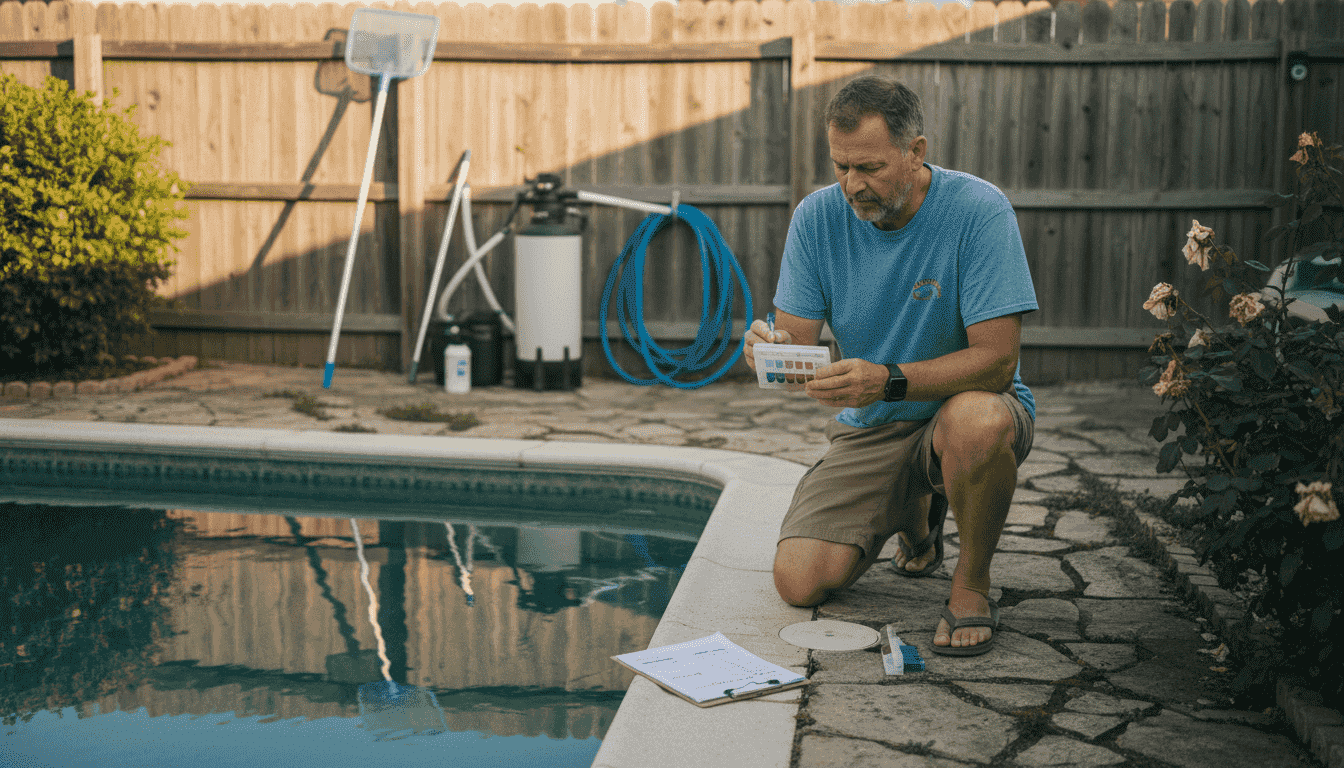
Every pool owner in Central Florida knows the challenge of keeping water crystal clear and inviting beneath the blazing sun. Smart maintenance is about more than appearances, acting as the foundation for property value, swimmer safety, and year-round enjoyment. By focusing on proper chemical balance, consistent water testing, and surface care, you set the stage for reliable luxury and long-term peace of mind. For homeowners considering custom upgrades or simply wanting trouble-free swims, strong maintenance habits make all the difference.
Table of Contents
- Understanding Pool Maintenance Essentials
- Routine Care For Lasting Pool Performance
- Unique Needs Of Concrete Versus Fiberglass Pools
- Maintenance Costs, Risks, And Common Mistakes
- How Proper Maintenance Protects Home Value
Key Takeaways
| Point | Details |
|---|---|
| Chemical Balance is Crucial | Maintain pH levels between 7.2 and 7.6 to ensure safe swimming conditions and prevent equipment damage. |
| Regular Maintenance Prevents Costs | Consistent inspections and cleanings help avoid costly repairs and preserve property value. |
| Tailored Strategies for Pool Types | Understand the specific maintenance needs of concrete versus fiberglass pools to enhance performance and longevity. |
| Documentation is Key | Keep a detailed maintenance log to track treatments and equipment performance, aiding in proactive care and potential resale value. |
Understanding Pool Maintenance Essentials
Maintaining a swimming pool requires strategic attention to multiple critical components that protect both your investment and the swimming environment. Central Florida homeowners understand that regular maintenance isn’t just about aesthetics – it’s about preserving property value and ensuring safe, enjoyable swimming experiences.
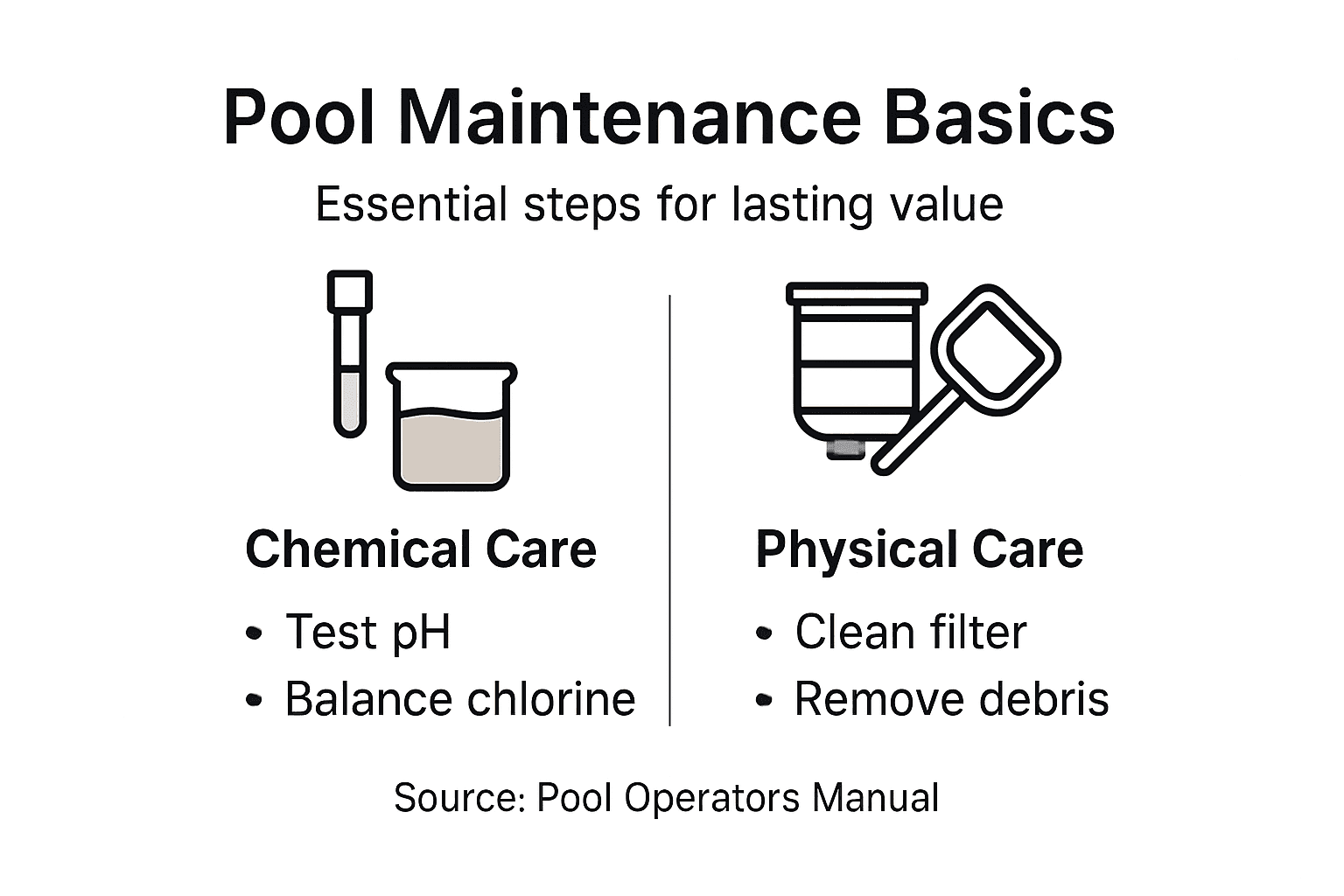
Proper pool maintenance involves several fundamental practices that directly impact your pool’s longevity and performance. The essential pool maintenance protocols center around three primary areas:
- Chemical Balance: Maintaining precise pH levels between 7.2 and 7.6
- Water Quality: Regular testing for free chlorine, alkalinity, and calcium hardness
- Surface Care: Consistent brushing and vacuuming to prevent algae growth
Chemical management represents the most technical aspect of pool maintenance. Homeowners must consistently monitor chlorine levels, alkalinity, and pH to prevent bacterial growth and equipment damage. This involves routine testing, shock treatments, and careful chemical additions that maintain water clarity and safety.
Beyond chemical management, physical maintenance plays a crucial role. Pool safety and maintenance standards recommend regular inspection of pool surfaces, equipment, and surrounding areas to identify potential issues before they become expensive repairs.
Pro tip: Invest in a digital pool testing kit and establish a consistent weekly maintenance schedule to catch potential issues early and prevent costly long-term damage.
Routine Care for Lasting Pool Performance
Maintaining a swimming pool requires consistent, strategic attention to preserve its performance, aesthetic appeal, and long-term value. Central Florida homeowners know that routine care goes beyond simple cleaning – it’s about creating a sustainable, healthy aquatic environment that protects their significant investment.
Chemical management represents the cornerstone of effective pool maintenance. Pool chemical management involves a comprehensive approach to water treatment that includes multiple critical components:
- Sanitization: Using chlorine or alternative sanitizers to eliminate bacteria
- pH Balancing: Maintaining optimal water chemistry between 7.2-7.8
- Algae Prevention: Regular application of algaecides
- Shock Treatments: Periodic intense chemical treatments to reset water quality
Beyond chemical treatments, physical maintenance plays an equally crucial role in pool performance. Homeowners must develop a systematic approach that includes regular equipment inspections, surface cleaning, and precise monitoring of water conditions. This comprehensive strategy helps prevent potential issues that could lead to expensive repairs or decreased property value.
Professional pool operators understand that comprehensive maintenance training involves more than basic cleaning. It requires understanding complex interactions between water chemistry, filtration systems, and environmental factors that impact pool performance and swimmer safety.
Pro tip: Create a detailed maintenance log to track chemical treatments, equipment performance, and seasonal changes, allowing you to predict and prevent potential pool maintenance challenges.
Unique Needs of Concrete Versus Fiberglass Pools
Central Florida pool owners face critical decisions when selecting between concrete and fiberglass pool materials, each presenting distinct maintenance requirements and long-term performance characteristics. Understanding these differences is crucial for making an informed investment that preserves both aesthetic appeal and property value.
Fiber-reinforced concrete pools offer unique structural advantages and maintenance challenges that homeowners must carefully consider:
- Durability: Enhanced crack resistance through fibrous material integration
- Customization: Ability to create complex shapes and designs
- Longevity: Requires more frequent maintenance and surface treatments
- Structural Flexibility: Can accommodate ground movement better than rigid alternatives
By contrast, fiberglass pools present a fundamentally different maintenance profile. Fiberglass pool characteristics demonstrate significant advantages in ease of care and long-term performance. These prefabricated pools feature non-porous surfaces that resist algae growth and require less intensive chemical management compared to concrete alternatives.
The maintenance strategies for each pool type differ substantially. Concrete pools demand regular resurfacing, acid washing, and more aggressive chemical treatments to prevent degradation. Fiberglass pools, with their smooth gel-coated surfaces, require less intensive interventions but still need consistent care to maintain their protective shell and aesthetic qualities.
Here’s a comparison of concrete and fiberglass pool maintenance requirements:
| Aspect | Concrete Pools | Fiberglass Pools |
|---|---|---|
| Surface Care Needs | Frequent resurfacing needed | Occasional waxing required |
| Algae Resistance | More prone to algae | Highly resistant to algae |
| Chemical Use | Higher due to porosity | Lower due to smooth surface |
| Maintenance Cost | Higher over lifetime | Generally lower |
| Repair Complexity | Often labor intensive | Usually quick and simple |
Pro tip: Consult a professional pool specialist to develop a tailored maintenance strategy specific to your pool’s material, taking into account Central Florida’s unique environmental conditions.
Maintenance Costs, Risks, and Common Mistakes
Pool maintenance represents a critical investment for Central Florida homeowners, with potential financial consequences far beyond routine cleaning. Understanding the intricate landscape of pool care can save thousands in potential repair costs and prevent significant property value depreciation.
Pool maintenance challenges often stem from overlooked operational details that escalate into expensive problems. Common mistakes include:
The table below summarizes common pool maintenance mistakes and their potential consequences:
| Mistake | Consequence | Prevention Tip |
|---|---|---|
| Irregular water testing | Unhealthy water, algae bloom | Test weekly with a kit |
| Skipping filter cleaning | Equipment failure | Schedule monthly cleanings |
| Incorrect chemical dosing | Corroded surfaces, health risk | Follow dosing guidelines |
| Ignoring pH balance | Skin/eye irritation | Maintain 7.2–7.6 pH range |
- Chemical Imbalance: Failing to maintain proper pH levels
- Filtration Neglect: Irregular cleaning of filtering systems
- Shock Treatment Errors: Incorrect chemical dosing
- Inconsistent Water Testing: Sporadic or inaccurate monitoring
Financial risks associated with poor maintenance can be substantial. Inadequate pool care can lead to structural damage, equipment failure, and potential health hazards that dramatically increase long-term expenses. Homeowners might face repair costs ranging from $500 to $5,000 depending on the severity of neglect.
Professional pool experts emphasize that operational and maintenance risks extend beyond simple cosmetic concerns. Improper chemical handling, equipment malfunction, and hygiene oversights can create significant safety challenges that impact both pool functionality and user health.
Pro tip: Develop a comprehensive maintenance log tracking chemical levels, equipment performance, and seasonal changes to proactively identify and mitigate potential pool care issues.
How Proper Maintenance Protects Home Value
Maintaining a pool represents more than routine upkeep – it’s a strategic investment in your Central Florida home’s overall market value and aesthetic appeal. Proactive care transforms a swimming pool from a potential liability into a significant property asset that can substantially influence home valuation and buyer perception.
Healthy home maintenance principles underscore the critical connection between consistent pool care and property preservation. Key value-protection strategies include:
- Structural Integrity: Preventing surface degradation and equipment failure
- Aesthetic Appeal: Maintaining a visually attractive aquatic feature
- Safety Standards: Ensuring the pool meets current health and safety regulations
- Functional Performance: Keeping all systems operating efficiently
Real estate market research demonstrates that well-maintained pools can significantly impact home marketability. Home maintenance investment strategies reveal that properties with consistently cared-for aquatic features often command premium prices compared to those with neglected pools.
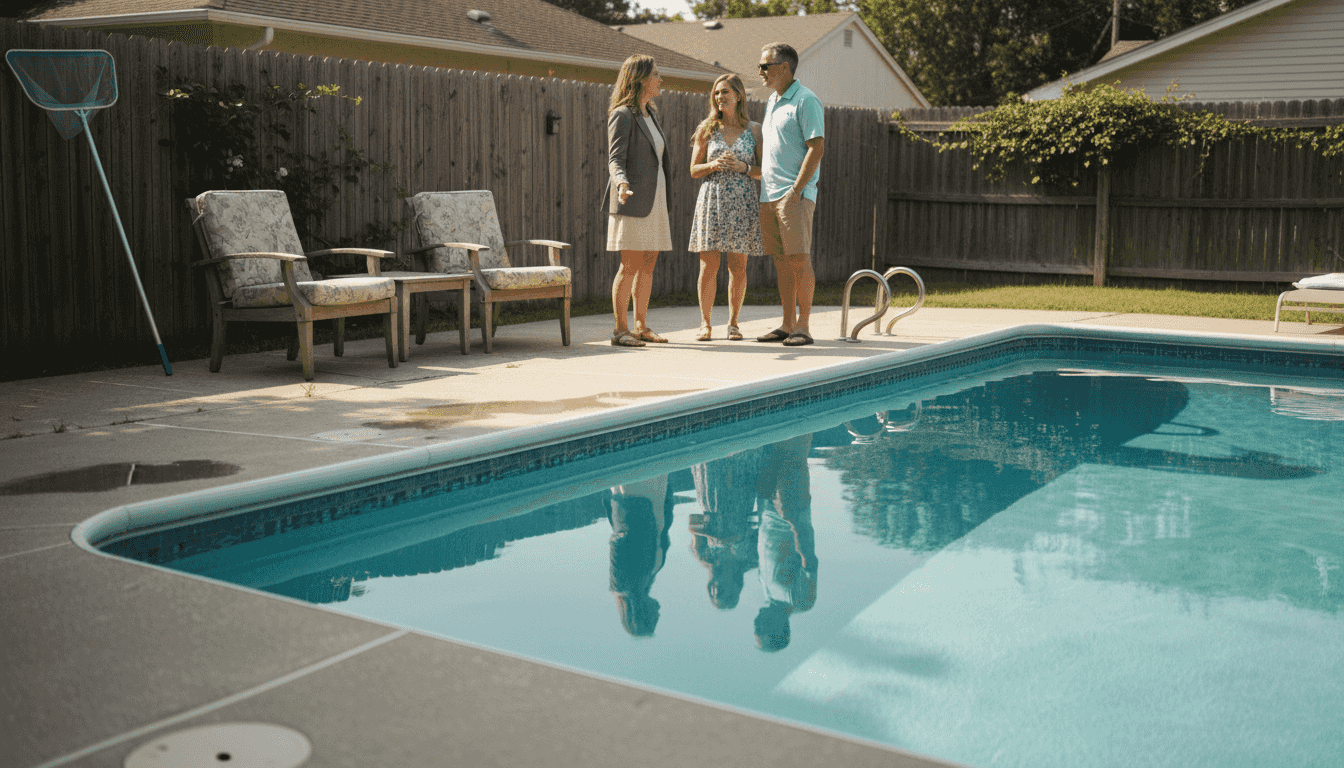
Financial experts estimate that proper pool maintenance can preserve up to 7-10% of a property’s total value, making it a crucial consideration for homeowners seeking to protect their real estate investment. Regular care prevents costly repairs, maintains aesthetic standards, and signals to potential buyers that the entire property has been meticulously maintained.
Pro tip: Document all pool maintenance activities and keep detailed repair records to demonstrate long-term care and value preservation when preparing to sell your home.
Protect Your Home’s Value with Expert Pool Maintenance and Custom Pool Solutions
Maintaining your swimming pool is crucial to safeguarding your Central Florida home’s value and appeal. The article highlights key challenges such as chemical balance, structural integrity, and ongoing upkeep that affect both safety and property worth. If you want to avoid costly repairs while enhancing your outdoor living space you’ll appreciate expert guidance that covers both maintenance and custom pool design.
At R & R Swimming Pools, we specialize in building and renovating both concrete and fiberglass pools tailored to your unique needs. Our decades of experience ensure every pool we design not only looks stunning but also supports easy maintenance that preserves your investment long term. Learn practical tips and expert advice by exploring our Pool School resources and discover how professional craftsmanship can protect your home’s greatest asset.
Ready to elevate your property with a beautiful, well-maintained pool that adds lasting value? Schedule your free quote today at R & R Swimming Pools and take the first step to enjoying a custom pool built with your home’s future in mind.
Frequently Asked Questions
What is the impact of pool maintenance on home value?
Proper pool maintenance can preserve up to 7-10% of a property’s total value by preventing costly repairs, maintaining aesthetic standards, and ensuring safety.
How can homeowners maintain their pool effectively?
Homeowners should focus on chemical management, regular equipment inspections, and consistent surface cleaning to ensure their pool remains in optimal condition.
What are common mistakes in pool maintenance that can affect home value?
Common mistakes include irregular water testing, skipping filter cleanings, incorrect chemical dosing, and ignoring pH balance, all of which can lead to expensive repairs and decreased property value.
How often should I perform routine maintenance on my pool?
It’s advisable to conduct routine maintenance weekly, including water testing, chemical balancing, and physical cleaning to prevent potential issues and preserve the pool’s condition.
