
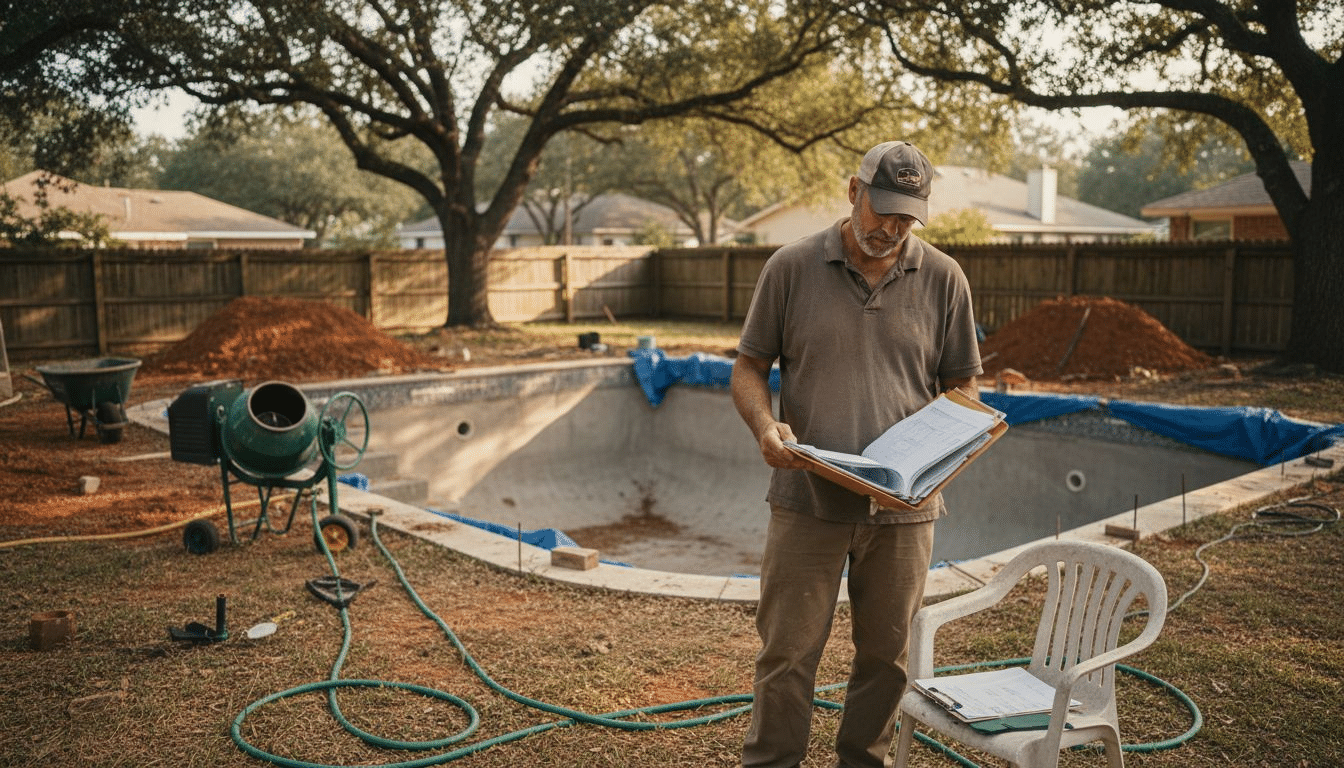
Planning to build a swimming pool in your backyard can feel overwhelming when you realize how many factors affect the final price. Costs can shift quickly based on choices like pool size, materials, and design features, and it’s easy to run into unexpected expenses along the way. If you’re unsure how each decision could impact your budget, you’re not alone.
You deserve clear guidance to help you make smart, confident choices. The following list breaks down the most important factors that affect pool construction costs, using real facts like how larger and custom-shaped pools require more materials and labor, or why the choice between concrete and fiberglass can mean a difference of thousands of dollars. Get ready to uncover the key details behind pool pricing so you can save money and avoid costly surprises.
Table of Contents
- Pool Size And Shape: How Dimensions Impact Costs
- Material Choices: Concrete Vs. Fiberglass Expenses
- Custom Features: Waterfalls, Spas, And Lighting
- Land Preparation And Site Accessibility
- Permits, Zoning, And Local Regulations
- Ongoing Maintenance And Upkeep Costs
- Energy-Efficient Systems And Long-Term Savings
Quick Summary
| Takeaway | Explanation |
|---|---|
| 1. Pool Size Affects Costs | Larger pools require more materials and labor, increasing expenses. A 15 by 30 foot pool can significantly outstrip the cost of a smaller design. |
| 2. Choose Between Materials Wisely | Concrete pools offer customization but are more expensive and time-consuming than fiberglass pools, which are quicker to install and maintain. |
| 3. Custom Features Add Complexity | Enhancements like waterfalls or spas elevate enjoyment but incur additional engineering and installation costs due to their intricacy. |
| 4. Site Preparation Impacts Budget | Challenging terrain or limited access increases labor costs and preparation needs, so assess your property conditions early. |
| 5. Factor in Ongoing Maintenance | Annual costs for pool upkeep, including chemicals and equipment servicing, can be substantial. Plan for these to protect your investment. |
1. Pool Size and Shape: How Dimensions Impact Costs
Your pool’s dimensions are one of the most influential factors determining what you’ll spend. Size directly drives material quantities, labor hours, and construction complexity. A smaller pool might cost $25,000 to $40,000, while a larger one can easily exceed $100,000 or more depending on your backyard space and preferences.
Let’s talk about why size matters so much. Larger pool sizes increase material quantities such as concrete, water volume, and installation time. A 15 by 30 foot pool requires significantly more excavation, concrete, plumbing, and electrical work than a 12 by 24 foot pool. Every additional square foot adds materials and labor hours that compound your total investment.
Shape adds another dimension to cost calculations. Standard rectangular pools are typically the most affordable option because they’re straightforward to design and construct. However, custom shapes like kidney designs, lagoon styles, or pools with curved edges require specialized engineering and longer construction periods. These intricate designs might increase your project cost by 15 to 30 percent compared to a simple rectangle.
Here in Central Florida, many homeowners choose custom shapes to maximize their outdoor living experience. If you’re considering designing a custom pool, understand that complexity translates to cost. Shapes with multiple depth zones, shelves for lounging, or integrated features demand more skilled labor and careful planning.
Consider this practical angle: your lot size and existing landscape influence both dimensions and shape choices. A smaller lot might necessitate a vertical or L-shaped pool, while larger properties allow for sprawling resort-style designs. Understanding these constraints upfront helps you budget more accurately.
Pro tip: Start with a rectangular or lightly curved design within your lot constraints, then explore custom additions like spas or shallow lounging areas separately to control costs while maintaining visual appeal.
2. Material Choices: Concrete vs. Fiberglass Expenses
Choosing between concrete and fiberglass is one of the biggest decisions you’ll make for your pool project. Each material comes with vastly different price tags, construction timelines, and long-term maintenance requirements. Understanding these differences helps you make a choice that aligns with your budget and lifestyle.
Concrete pools typically cost between $35,000 and $65,000, while fiberglass pools generally range from $20,000 to $40,000. That upfront price difference can be substantial, especially for families in The Villages or Mount Dora working within specific budgets. However, cost is just one piece of the puzzle. Concrete pools take longer to build because workers must excavate, build forms, pour concrete, and finish surfaces on site. This extended construction period means higher labor costs.
Fiberglass pools are pre-manufactured shells delivered to your property and installed more quickly. Because fiberglass pools reduce onsite construction work, your labor expenses drop significantly. Installation typically takes just a few weeks compared to two or three months for concrete. This speed advantage translates directly into savings on labor and project management.
Now here’s where concrete shines. You get complete customization. Want a lagoon shape with natural rock features? A zero-entry beach section? Multiple depth zones? Concrete lets you design exactly what you envision. Fiberglass offers limited shape options because shells are pre-manufactured. Your choices are confined to standard designs from available manufacturers.
Maintenance costs also differ between materials. Concrete requires periodic resurfacing every 10 to 15 years, which can cost $10,000 to $20,000. Fiberglass has fewer long-term maintenance needs and lower annual costs. If you plan to stay in your Central Florida home for decades, this difference compounds your total investment.
Consider your priorities honestly. Want maximum customization and don’t mind higher upfront and ongoing costs? Concrete works well. Prefer faster installation, lower upfront expense, and simpler maintenance? Fiberglass delivers value. Many families find concrete pool advantages worth the investment for their dream design.
Pro tip: Compare total cost of ownership, not just installation price. Add estimated maintenance costs over 15 years to your initial investment for each material to see which option truly costs less for your situation.
3. Custom Features: Waterfalls, Spas, and Lighting
Custom features transform a basic pool into an outdoor retreat. Waterfalls, integrated spas, and specialty lighting elevate your backyard experience but come with real cost implications. These additions require careful planning because each one adds complexity, permits, and engineering requirements to your project.
Waterfalls and rock features look stunning but demand structural analysis. When you add a waterfall with natural stone or a grotto, engineers must review load bearing capacity and ensure the structure won’t shift or crack. Rock waterfalls and grottos require structural reviews due to additional loads on your pool shell. These engineered designs typically add $3,000 to $15,000 to your project depending on size and complexity.
Spas built into or adjacent to your pool are another popular upgrade. A built-in spa adds jets, heating systems, and separate circulation equipment. Expect to invest $5,000 to $12,000 for a quality spa installation. The electrical work alone requires permits and inspections, adding both time and expense to your overall timeline.
Lighting transforms your pool’s ambiance and safety. Energy efficient LED lighting reduces energy consumption significantly compared to older lighting technologies. Modern LED systems cost $2,000 to $8,000 installed, depending on how many lights you want and where you place them. You can further reduce costs by adding occupancy sensors or timers that limit when lights operate.
Here’s the practical reality for Central Florida homeowners. Custom pool features create rich, inviting spaces that you’ll enjoy for decades. But prioritize which features matter most to your family. A waterfall and quality lighting offer more value than multiple add-ons you rarely use. Start with essential features and plan future upgrades as your budget allows.
Pro tip: Phase your upgrades over time by building electrical infrastructure and structural support upfront, then adding waterfalls and spas later when budget allows rather than doing everything at once.
4. Land Preparation and Site Accessibility
Your property’s terrain and accessibility significantly impact pool construction costs. Before any digging begins, contractors must assess soil conditions, grading needs, and how easily equipment can reach your backyard. This phase determines whether your project stays on budget or faces unexpected expenses.
Flat, accessible properties with good soil are ideal. These sites require minimal preparation work. Heavy equipment can drive directly to the work area, and crews can move materials efficiently. If your Mount Dora or Villages property fits this profile, you’ll save thousands in site preparation costs. Rough terrain or poor soil quality changes everything. Rough terrain or poor soil quality increases excavation and stabilization expenses dramatically.
Hilly or uneven backyards demand extra work. Crews may need to install retaining walls to prevent soil erosion or collapse. Drainage systems become critical to manage water runoff. Manual excavation replaces standard equipment on tight slopes. Each of these additions extends your timeline and increases labor costs.
Site accessibility affects equipment and labor mobilization. Can large excavators and concrete trucks reach your backyard? Or does your property require smaller, specialized equipment? Properties with narrow side yards or gated communities may need hand digging and smaller machinery, significantly increasing labor hours and costs. What takes one day with standard equipment might take a week with manual labor.
Construction in challenging terrains involves additional preparation costs due to complex logistics and safety requirements. Plan ahead for these realities. A professional site survey before you commit to design reveals potential issues early.
Get a soil analysis done before finalizing your pool design. Poor drainage, high water tables, or unstable soil can all surface during construction if you’re not careful. Knowing these conditions upfront lets you budget accurately and avoid nasty surprises.
Pro tip: Schedule a professional site assessment with geological or soil testing before design finalization to identify drainage challenges, soil stability issues, and accessibility constraints that impact your actual construction costs.
5. Permits, Zoning, and Local Regulations
Permits and zoning regulations are the unglamorous but essential part of pool ownership. Every municipality in Central Florida has specific rules about where pools can sit, how far they must be from property lines, and what safety features are required. Skipping or delaying this step creates costly problems down the road.
Central Florida requires building permits for new pool construction. Your local municipality won’t issue a permit without detailed site plans showing your pool’s location, size, and distance from property boundaries. Pool permits require submission of detailed site plans and adherence to zoning regulations that vary by location. These plans must show electrical lines, plumbing connections, and setbacks from easements.
Zoning overlays and property restrictions vary significantly across The Villages, Mount Dora, and surrounding areas. Some neighborhoods have specific rules about pool placement or design aesthetics. Homeowners associations may impose additional requirements beyond municipal codes. You might discover your dream pool design conflicts with local zoning after spending money on plans. That’s why consulting with local authorities early saves headaches.
Electrical and plumbing permits add layers to your approval process. Inspectors must review electrical plans for spa features and lighting systems. Plumbing permits cover water lines and drainage. Pool permitting includes additional permits for electrical and plumbing work that add procedural steps and costs you must anticipate.
Fencing and barrier codes are critical safety requirements. Most jurisdictions require four-sided fencing with self-closing, self-latching gates around pools. Barriers must meet specific height requirements and spacing standards. These regulations exist to prevent drowning, especially important for families in residential communities.
Budget for permit fees and processing time. Plan for 4 to 8 weeks of review before construction begins. Permit costs typically range from $500 to $2,000 depending on your municipality and project complexity. This investment protects you legally and ensures your pool meets safety standards.
Pro tip: Contact your local building department and homeowners association before finalizing your pool design to confirm zoning requirements, setback distances, and any aesthetic restrictions specific to your community.
6. Ongoing Maintenance and Upkeep Costs
Your pool’s construction cost is just the beginning. Ongoing maintenance represents a significant annual expense that many first-time pool owners underestimate. Budget for regular upkeep to keep your water safe, your equipment functioning, and your investment protected.
Annual maintenance typically costs between $1,200 and $1,800 for residential pools. This covers chemical treatments to balance pH and chlorine levels, regular cleaning of the filter and surfaces, and equipment inspections. Regular maintenance preserves water quality, safety, and equipment longevity, preventing expensive repairs later. Think of it as insurance against problems that multiply in cost if ignored.
Chemical treatments happen year round in Florida’s warm climate. You’ll need chlorine or alternative sanitizers, alkalinity adjusters, and pH balancers. Weekly testing and adjustments keep water balanced and safe for swimming. During peak summer months when you use your pool most, chemical costs increase. Winter months in Central Florida require less intensive chemical management but not zero maintenance.
Equipment servicing adds to your annual expenses. Your pump, filter, and circulation system need regular attention. Filters require backwashing and eventual replacement. Pump seals wear out and need servicing. These preventative maintenance steps cost $300 to $600 annually but save thousands by catching problems early.
Seasonal opening and closing in some regions costs extra, though Florida’s mild winters reduce this expense. If you own a concrete pool, budget for potential resurfacing every 10 to 15 years at $10,000 to $20,000. Fiberglass pools have lower maintenance needs overall but still require ongoing chemical management and equipment care.
Unexpected repairs happen despite careful maintenance. A pump failure or leak can cost $1,000 to $5,000. Setting aside $200 to $300 monthly for maintenance and a repair fund keeps you prepared without financial stress.
Pro tip: Hire a professional pool service for weekly maintenance rather than attempting it yourself; the $80 to $150 per week investment prevents costly mistakes and ensures proper chemical balancing that protects your equipment.
7. Energy-Efficient Systems and Long-Term Savings
Energy efficiency transforms your pool from an expensive luxury into a sensible investment. Smart equipment choices reduce your monthly utility bills significantly while protecting the environment. The upfront cost of efficient systems pays for itself through years of lower operating expenses.
Water evaporation is your pool’s biggest energy thief. As water evaporates, your heater works overtime to maintain temperature. Pool covers can save 50% to 70% on heating expenses by minimizing evaporation. A simple pool cover costs $300 to $1,000 but saves thousands annually on heating costs. For Central Florida homeowners, this means dramatically reduced energy bills during Florida’s warm months.
Your pump is another major energy consumer. Standard single-speed pumps run at full power regardless of actual demand. Variable speed pool pumps reduce energy use by up to 90% compared to traditional single-speed pumps. Upgrading costs $1,500 to $3,000 but saves $50 to $100 monthly on electricity. Over a decade, that’s $6,000 to $12,000 in utility savings.
Heating systems matter enormously. Gas heaters consume fuel quickly, especially during cooler months. Heat pump heaters offer significantly more efficient alternatives with lower energy consumption. Though heat pumps cost more upfront, they reduce your energy bill by 40% to 60% annually compared to gas heating.
Automated controls and smart timers further reduce consumption. Schedule your pump to run during off-peak hours when electricity rates are lower. Set lighting to operate only when needed. These simple adjustments compound savings month after month without lifestyle changes.
Think long term when evaluating energy systems. Yes, efficient equipment costs more initially. But over 15 to 20 years of ownership, efficiency investments pay massive dividends. Your utility bills stay manageable, your equipment lasts longer, and you reduce your environmental footprint.
Pro tip: Install a pool cover and upgrade to a variable speed pump as your first efficiency investments, as these two upgrades deliver the greatest return on investment and payback within 2 to 4 years.
Below is a comprehensive table summarizing the key topics and takeaways regarding the factors impacting swimming pool construction and ownership costs as discussed in the article.
Take Control of Your Pool Project Costs with Expert Guidance
Understanding the many factors that influence your pool investment can feel overwhelming. Whether you are weighing the benefits of concrete versus fiberglass or planning custom features like waterfalls and lighting, managing these decisions effectively is key to staying within budget while creating your ideal backyard retreat. At the heart of it all is balancing your unique needs with professional expertise to avoid unexpected expenses and ensure a seamless construction experience.
Discover how R & R Swimming Pools helps Central Florida homeowners transform their visions into reality with personalized design and proven craftsmanship. Visit Pool School for detailed insights on pool choices and maintenance to make confident decisions. Ready to start your journey to a stunning custom pool? Schedule your free quote now at https://randrswimmingpools.com and gain peace of mind knowing experts are guiding every step.
Frequently Asked Questions
How does pool size affect overall costs?
The size of your pool significantly impacts your total expenses. Larger pools require more materials, labor, and construction time, which can increase your budget by $25,000 or more. Consider evaluating your space to determine the most cost-effective size for your needs.
What are the main differences in costs between concrete and fiberglass pools?
Concrete pools generally range from $35,000 to $65,000, while fiberglass pools are typically between $20,000 and $40,000. To decide, consider the long-term maintenance needs and installation time, as concrete pools take longer to build and may incur higher ongoing costs. Evaluate both options based on your budget and preferences.
What custom features should I consider adding to my pool?
Popular custom features include waterfalls, spas, and energy-efficient lighting. Each of these additions can increase costs by several thousand dollars, so prioritize which features enhance your enjoyment the most. Start with the essentials and plan for future upgrades as your budget permits.
How does land preparation impact my pool construction budget?
The terrain and accessibility of your property can significantly influence construction costs. Challenging landscapes may require additional grading, drainage systems, and specialized equipment, increasing expenses by thousands. Assess the soil and access points before finalizing your design to avoid unexpected costs.
What permits and regulations should I be aware of before starting my pool project?
Every pool construction project requires various permits that dictate where pools can be located and what safety features are necessary. Expect to spend 4 to 8 weeks on obtaining these permits, with fees typically ranging from $500 to $2,000. Consult local authorities early in the process to ensure compliance and avoid delays.
What are the ongoing maintenance costs I need to plan for?
Annual maintenance for residential pools typically costs between $1,200 and $1,800. This includes chemical treatments, cleaning, and equipment servicing, so set aside $200 to $300 monthly for upkeep. Consider hiring a professional service to maintain your pool and ensure proper care, which can prevent costly damage down the line.
Recommended
- 7 Essential Steps to Plan a Custom Pool in Central Florida
- Why Pool Renovation Matters for Florida Homes
- 7 Key Benefits of Backyard Pools for Central Florida Homes
- Why Invest in Backyard Pools: Florida’s Lasting Value
- Plumbing Drain Repair – Orange County, California – MDTECH APPLIANCE REPAIR
- Pool Builder Fruitland Park FL
- Pool Construction The Villages FL
