
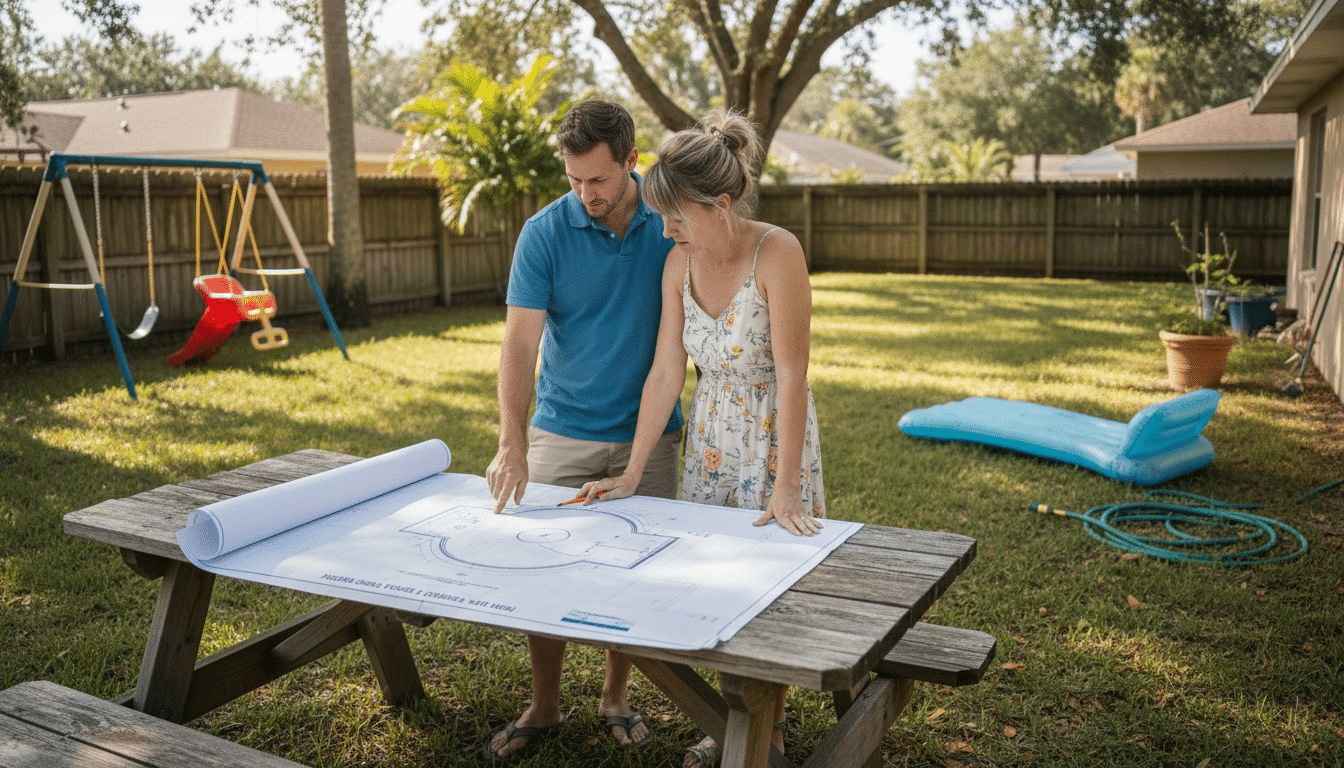
Every family dreams of a resort-style retreat just steps from their home, but building a custom inground pool in Central Florida means more than picking a shape or tile color. With unique terrain, luxury neighborhood guidelines, and strict safety codes set by the State of Florida, creating the perfect backyard oasis requires thoughtful, site-specific design. This guide walks you through personalized pool planning and feature selection, helping you balance family needs, local building requirements, and your vision for year-round relaxation.
Table of Contents
- Step 1: Assess Your Outdoor Space Requirements
- Step 2: Define Your Ideal Pool Features And Style
- Step 3: Collaborate With Professional Pool Designers
- Step 4: Review Construction Plans And Project Details
- Step 5: Verify Pool Quality And Final Installation
Quick Summary
| Main Insight | Description |
|---|---|
| 1. Assess Your Outdoor Space | Measure your yard and note features to inform pool design, preventing costly changes later. |
| 2. Define Pool Features & Style | Identify essential features and aesthetics for your pool based on family needs and budget. |
| 3. Collaborate with Designers | Partner with experienced contractors to ensure designs meet local regulations and fit your space. |
| 4. Review Construction Plans | Carefully examine pool plans to confirm they align with your vision and adhere to codes. |
| 5. Verify Pool Quality | Conduct thorough inspections to ensure safety and functionality before using your pool. |
Step 1: Assess Your Outdoor Space Requirements
Before you sketch out your dream backyard oasis, you need to understand what you’re actually working with. This step establishes the foundation for everything that follows, from the pool’s size and shape to where spa features fit into your landscape. Your outdoor space tells a story about what’s possible, and assessing it properly means you’ll avoid costly redesigns later.
Start by walking your entire yard with a measuring tape and notebook. Measure the total usable backyard area, noting the location of your house, existing landscaping, trees, utilities, and any structures like sheds or fences. Pay special attention to drainage patterns, especially during Central Florida’s heavy summer storms. Look at how water naturally flows across your property because pooling water in unexpected places creates problems before construction even begins. Photograph everything from multiple angles so you have visual references when you meet with a designer. Don’t assume measurements from old property documents are accurate; modern pools need precise dimensions to meet current safety standards and permit requirements.
Next, evaluate setback requirements and easements on your property. Central Florida municipalities have specific regulations about how far pools must sit from property lines, and pool design requirements in Florida include safety codes that affect placement and design. Utility easements for water, sewer, electric, and gas lines can dramatically limit where your pool can go. You’ll need to call 811 for a free utility locate service before any serious planning happens. This single step prevents hitting buried lines and discovering you can’t build where you wanted. Check your property survey and contact your local permitting office to understand setback distances specific to your neighborhood. Some affluent areas have stricter requirements than others, and knowing this upfront saves months of frustration.
Consider how the pool relates to your home’s elevation and existing structures. Central Florida’s terrain is flatter than many regions, but subtle slopes still matter. A pool positioned against your home’s higher side might require expensive retaining walls. Conversely, placing it downslope could create drainage complications. Look at your sightlines too. Where will this pool be visible from your house? From the street? How will it connect to your patio and entertaining areas? These aesthetic and functional questions matter as much as the physical measurements. Walk through your neighbors’ yards if they have pools. Observe what works well and what they’d do differently. You’re building something your family will use for decades, so the relationship between the pool and your home’s architecture and landscape deserves serious thought.
Don’t overlook sun exposure and shade patterns throughout the day and seasons. Florida’s intense sun keeps water warm naturally, which is wonderful, but full sun all day can make midday swimming uncomfortable. Trees provide shade but create leaf debris that increases maintenance. Observe where shadows fall in morning, afternoon, and evening. Consider how deciduous trees change from season to season. A spot that’s shaded by a oak canopy in July might be blazing hot in January when those leaves are gone. This affects water temperature, maintenance frequency, and how comfortable your space feels for lounging and entertaining.
Finally, walk your property with a clear vision of how you’ll actually use it. Picture your family swimming here. Imagine hosting friends for a summer evening. Will you want water features like fountains or sheer descents? Do you see yourself soaking in a spa while looking at your pool? Will kids need shallow recreational areas while adults prefer deeper sections? Does entertaining matter more than pure swimming utility? These lifestyle questions directly impact the footprint and features your pool needs. Meeting with design professionals who understand your space and use vision is crucial, and many firms offer initial consultations to help you think through these scenarios.
Pro tip: Take measurements on a clear morning when shadows are minimal and bring a GPS-capable smartphone to mark property corners and potential pool locations. You’ll have precise coordinates to reference during planning meetings with your pool contractor.
Step 2: Define Your Ideal Pool Features and Style
Now that you understand your space, it’s time to envision what actually goes into it. This step transforms your property assessment into a specific vision by identifying which features matter most to your family and what aesthetic direction excites you. The decisions you make here directly shape your budget, construction timeline, and how much enjoyment you’ll get from your investment.
Start by thinking about how you’ll actually use the pool. Are you a serious swimmer who wants lap space and consistent depth? Are you hosting elegant dinner parties where the pool serves as a stunning visual backdrop? Do you have young children who need shallow play areas, or are you looking for a resort-style retreat where you can unwind with a spa? These use cases drive different design decisions. A competitive swimmer needs a different layout than a family wanting shallow recreational areas combined with adult lounging zones. Spa features like hot tubs, sheer descents, and water jets appeal to relaxation-focused homeowners, while lagoon-style designs with beach entries attract families. Write down your top three use cases and rank them by importance. This clarity prevents you from designing a beautiful pool that doesn’t actually serve your lifestyle.
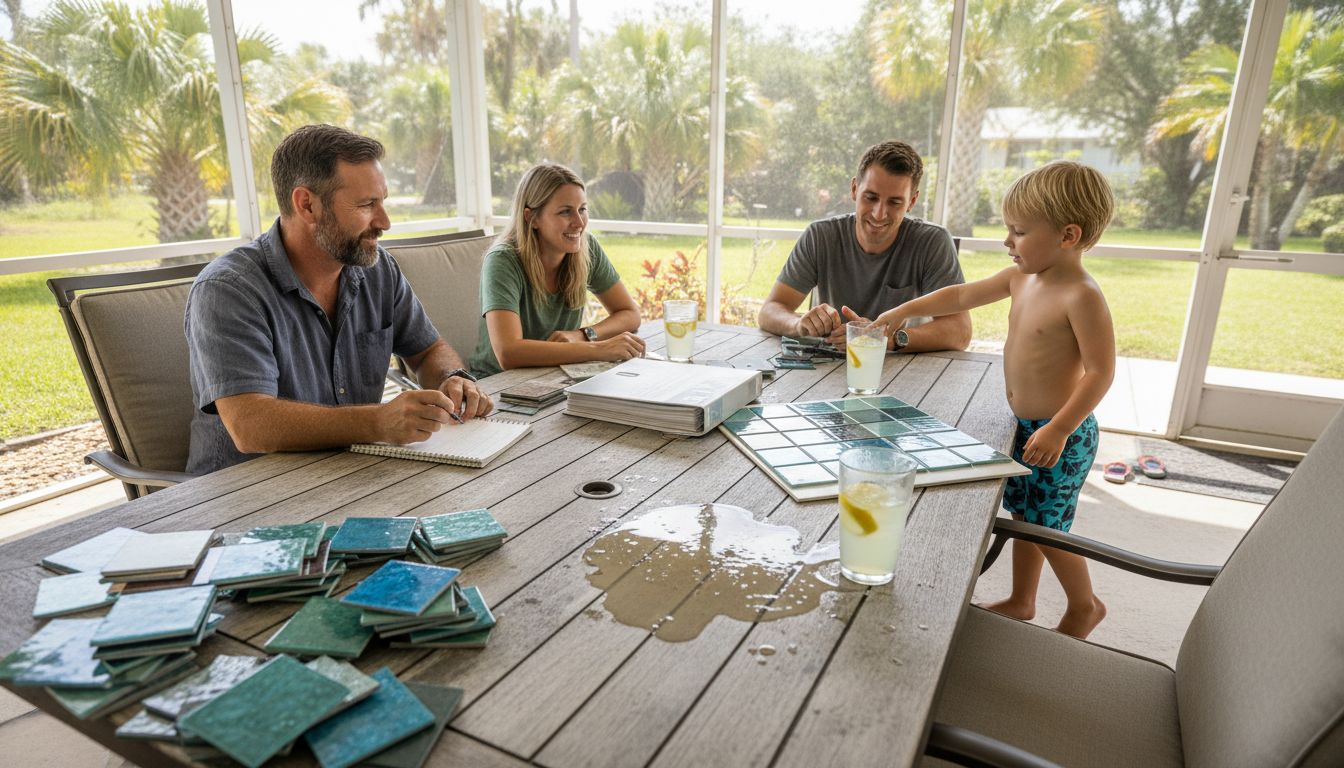
Next, explore style options that resonate with your home’s architecture and your personal taste. Your pool should feel like a natural extension of your property, not a disconnected feature. Modern geometric designs with clean lines suit contemporary homes and manicured landscapes. Lagoon-style pools with curved edges, rock waterfalls, and tropical plantings create resort atmospheres in traditional neighborhoods. Mediterranean designs feature stone coping, arched features, and warm color palettes that complement Spanish colonial or stucco homes common throughout Central Florida. Explore luxury pool design examples that match your neighborhood’s character. Notice how successful pools integrate with their surroundings rather than dominating them. You’ll develop a visual language for what appeals to you. Save inspiration photos from magazines, social media, and contractor portfolios. Create a mood board that shows colors, materials, and overall aesthetic direction.
Consider specific features that enhance functionality and enjoyment. Water features like sheer descents, bubblers, and rock waterfalls add visual drama and soothing sounds. Attached spas provide year-round relaxation in Florida’s climate. Tanning ledges offer shallow lounging spots for sunbathing. Swim-up bars transform entertaining. Fountains and water slides appeal to families with children. Lighting systems can completely change the ambiance for evening entertaining, creating dramatic effects with underwater lighting and surrounding landscape illumination. Saltwater systems are gentler on skin and eyes than chlorine. Smart pool controls let you adjust temperature, features, and lighting from your phone. The mechanical and plumbing design standards in Florida Building Code influence how these features integrate safely and effectively into your overall design. Each addition affects your timeline and budget, so prioritize features that genuinely enhance your family’s experience rather than adding complexity.
Think about materials and finishes that affect both aesthetics and maintenance. Plaster finishes come in various colors from bright white to deep blue or earth tones. Aggregate finishes combine plaster with decorative stones, creating textured surfaces that hide stains better but cost more. Tile coping ranges from simple to ornamental and dramatically affects your pool’s visual personality. Decking materials include traditional concrete, travertine pavers, composite decking, and natural stone. Each choice influences slip resistance, heat absorption, and maintenance requirements. In Florida’s intense sun, lighter colored materials stay cooler underfoot, while dark materials absorb and radiate heat. Consider what matches your home’s exterior materials and local neighborhood aesthetics.
Here is a summary comparing common pool features and their benefits:
| Feature | Main Benefit | Maintenance Impact |
|---|---|---|
| Sheer descents | Visual appeal, soothing sound | Requires cleaning jets |
| Bubblers | Playful effect, aeration | Occasional maintenance |
| Attached spa | Year-round relaxation | Separate chemical care |
| Tanning ledge | Sunbathing, family-friendly | Simple to maintain |
| Swim-up bar | Entertaining, social | More cleaning needed |
| Water slide | Children’s recreation | Needs regular checks |
| LED lighting | Nighttime ambiance, safety | Check bulbs annually |
| Saltwater system | Gentle on skin/eyes | Monitor salinity level |
Finally, establish a preliminary feature priority and budget range. Not every luxury feature belongs in every pool. Identify your must-haves, nice-to-haves, and stretch features. This framework helps your designer optimize within your investment level. Share your inspiration photos, style preferences, and feature priorities with potential contractors early. Their experience seeing what works in Central Florida’s climate and soil conditions combined with your vision creates the best outcomes.
Pro tip: Create a Pinterest board or digital folder organized by pool style, features, and materials that appeal to you. Share this with your designer before your consultation. Visual communication beats lengthy descriptions and ensures you’re both imagining the same final result.
Step 3: Collaborate with Professional Pool Designers
Your vision and space assessment mean nothing without the right expertise to bring them together. This step connects your dreams to reality by partnering with designers and contractors who understand Central Florida’s unique climate, soil conditions, and building regulations. A skilled designer transforms your inspiration photos and wish list into a feasible, beautiful, and code-compliant pool that enhances your home’s value.
Start by researching local pool contractors and designers with proven experience in Central Florida. Look for companies that have been operating in your region for years and have portfolio galleries showing completed projects similar to what you envision. Read customer testimonials carefully, paying attention to comments about communication, timeline management, and how contractors handled unexpected challenges. Experience matters enormously because Central Florida’s sandy soil, water table conditions, and subtropical climate create specific design and construction challenges that seasoned professionals know how to navigate. Visit completed pools in your neighborhood if possible. Ask neighbors about their experiences. A contractor who thrives building Mediterranean pools in Winter Park may have different strengths than one specializing in modern geometric designs in Windermere.
When you contact potential designers, come prepared with your assessed space measurements, style inspiration photos, feature priorities, and budget range. Request an initial consultation, which many reputable firms offer free. During this meeting, observe how well the designer listens to your vision versus pushing their preferred style. Do they ask thoughtful questions about your family’s lifestyle? Do they explain how your outdoor space’s specific characteristics influence design decisions? A good designer asks about your entertaining patterns, children’s ages, maintenance preferences, and long-term plans for the property. They discuss how the pool integrates with existing landscaping, sight lines from your house, and flow to entertaining areas. They consider your budget realistically and suggest priorities rather than dismissing cost concerns. Understanding how to effectively communicate with pool builders before signing contracts prevents misunderstandings later.
During your collaboration, expect the designer to create detailed plans showing pool dimensions, feature placements, decking layouts, and surrounding landscaping integration. They should walk you through site-specific design considerations like drainage patterns, utility locations, and how to maximize your property’s assets while minimizing constraints. Professional designers often reference sustainable outdoor space design principles that create beautiful environments with appropriate maintenance requirements for Florida’s climate. Ask your designer to explain their design reasoning. Why is the spa positioned there? How does the waterfall feature integrate with your entertaining areas? What material choices work best for your soil conditions and usage patterns? You’re not just getting a pool; you’re investing in expertise that prevents costly mistakes.
Be transparent about your budget, and ask the designer to break down costs by component. A transparent contractor explains what drives expenses and offers options at different price points. They should discuss timeline expectations, construction phases, permit requirements, and how long the entire process takes from design approval to filling the pool. Ask about their contractor network for specialized work like electrical or plumbing connections. Request referrals from recent clients and actually contact them. Find out if the contractor finished on time, stayed within budget, communicated effectively, and provided good service after installation.
Remember that the cheapest option often becomes the most expensive one. A designer charging significantly less than competitors may cut corners on design quality, material specifications, or installation oversight. Conversely, premium pricing doesn’t guarantee excellence. You’re looking for the right balance of experience, proven results, clear communication, and fair pricing. Once you’ve selected your designer and contractor, establish clear expectations about decision-making timelines, communication frequency, and how change requests will be handled. A written contract protects both parties and prevents misunderstandings as your pool moves from drawings to reality.
Pro tip: Ask potential contractors for references from at least three projects completed in the last two years that match your pool type and budget range. Actually call these references and ask specific questions about communication, timeline adherence, and post-installation support rather than accepting brief affirmations.
Step 4: Review Construction Plans and Project Details
Your designer has created detailed plans showing exactly what your pool will look like. Now comes the critical step of thoroughly reviewing those plans before they’re submitted for permits. This review ensures you understand every detail, that nothing has been missed, and that the plans align with your vision and budget.
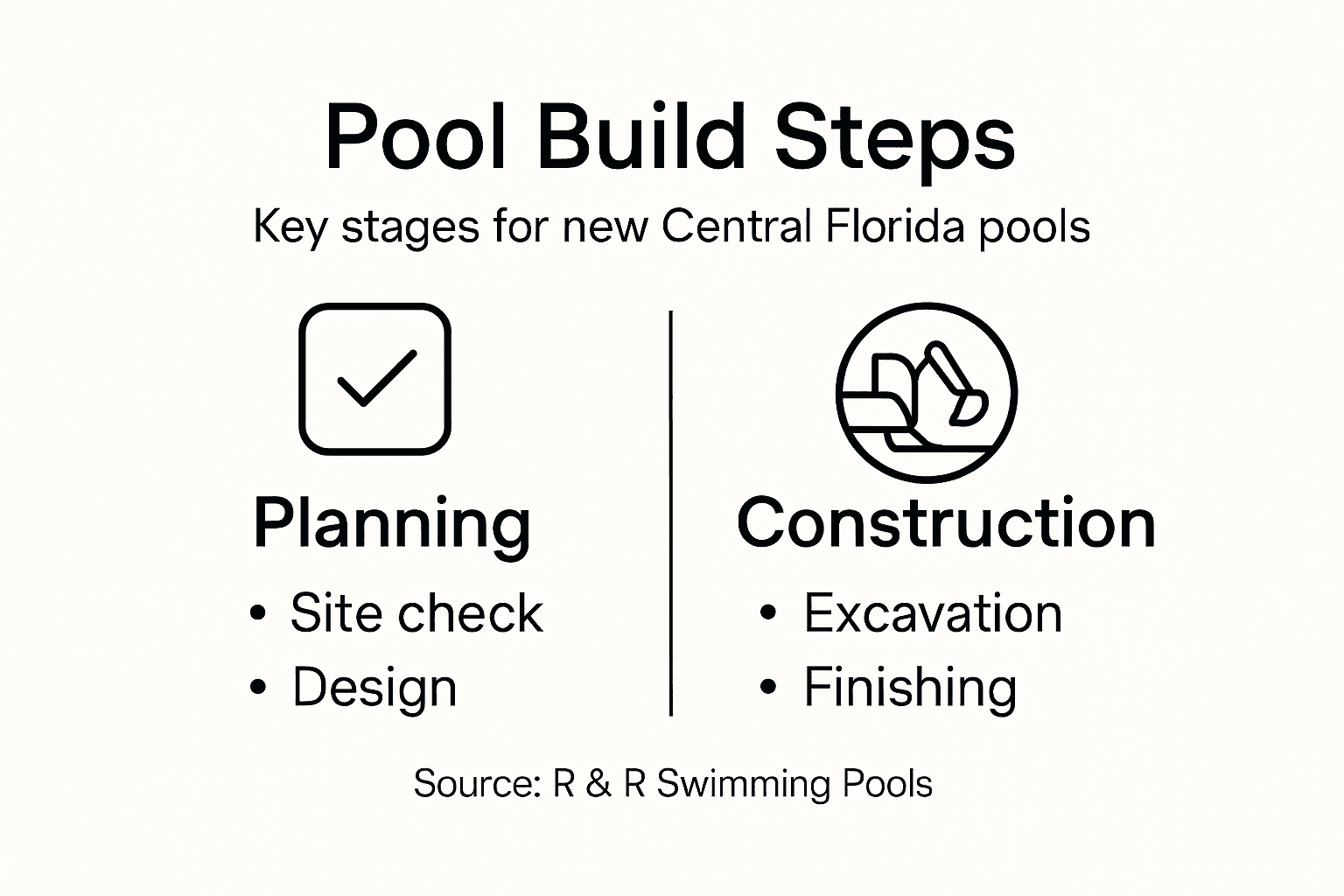
Start by requesting a complete set of plans from your designer. These should include site plans showing your entire property with the pool’s location, dimensions, and how it relates to your house, property lines, and existing structures. You need elevation drawings showing pool depth, water level, and surrounding deck height. Detail drawings should show construction materials, finishes, plumbing connections, electrical requirements, and any special features like spas, waterfalls, or lighting systems. Specifications documents describe exactly what materials will be used, from concrete thickness to tile selections to equipment brands. Don’t be overwhelmed by the technical nature of these documents. Your designer should walk you through the plans in person, explaining what each drawing shows and answering your questions.
Review the site plan carefully against your property assessment from Step 1. Does the pool placement match what you discussed? Are setbacks from property lines correct? Is the orientation capturing the sun exposure and view lines you wanted? Check that utilities shown on the plan match the actual locations you identified. Look at the deck layout and entertaining areas. Can you picture yourself using this space? If something doesn’t feel right, speak up now. Changes are far easier to make on paper than after construction begins. Verify that all the features you discussed are included. Is your spa positioned where you wanted it? Are the waterfall and lighting systems shown? Does the plan include your preferred materials and finishes? Sometimes details get lost in translation between conversation and drawings.
Understand the mechanical and plumbing systems shown in your plans. Ask your designer to explain how water will circulate, where equipment will be located, and how the system handles maintenance access. Construction plan reviews for pool projects must address mechanical, electrical, and plumbing compliance with Florida Building Code standards. Your designer should explain how the design meets these requirements. Ask about drainage. Where does water go when it rains or when the pool overflows? How does the system protect your house’s foundation and neighboring properties? These aren’t just technical details. They affect how your pool functions and maintains itself over time.
Review the project timeline and construction phases outlined in your plans. How long will construction take from start to finish? What happens in each phase? When can your family use the pool? A typical pool project takes three to six months depending on complexity and weather. The contractor should explain permit timelines, excavation duration, structural work, finishing stages, and curing time before filling. Understand what happens if weather delays the project. Will your contractor adjust the timeline? How will unexpected site conditions be handled? These conversations prevent frustration when the project doesn’t follow the original schedule.
Examine the budget breakdown. Does the cost match what you agreed upon? Are all components included, or are there extra fees for certain features? Understand what costs are fixed and what might change. Excavation costs depend on actual soil conditions discovered during digging. If your contractor hits rock where soft soil was expected, that changes the price. Material costs can fluctuate. Weather delays affect labor costs. A transparent contractor explains these variables upfront. Ask whether permit costs, inspections, and engineering fees are included in your quoted price or billed separately. Request a detailed line item breakdown so you understand what you’re paying for. Ask about payment schedules. Most reputable contractors request deposits, progress payments, and final payment upon completion rather than asking for everything upfront.
Once you’ve reviewed everything and have no remaining questions or concerns, formally approve the plans. Sign off on them so your contractor can move forward with permit submissions. This approval becomes part of your contract and protects both parties by documenting that you understood and agreed to the design.
Pro tip: Print the site plan at a large scale and physically walk your property while holding it. Mark where you’re standing on the plan and look around. This reveals details that desktop reviews miss, like unexpected views, shade patterns at different times, and how the pool feels in relation to your house and entertaining areas.
Step 5: Verify Pool Quality and Final Installation
Your pool is nearly complete. Construction crews have finished the structural work, installed equipment, and applied finishes. Before you fill it with water and invite your family and friends to celebrate, you need to verify that everything meets quality standards and complies with all regulations. This final step protects your investment and ensures your pool operates safely and reliably for years to come.
Understand what inspections your pool must pass before it can be used. Central Florida requires multiple inspections at different construction phases, and your contractor coordinates these with local building officials. Initial inspections verify that excavation, reinforcement, and structural work meet code requirements. Rough plumbing and electrical inspections ensure that systems are properly installed before being covered up. Final inspections verify that the completed pool meets all safety, mechanical, and operational standards. Your contractor should schedule these inspections and ensure everything is ready when the inspector arrives. Ask your contractor which inspections are required and when they’ll occur. Don’t assume anything has been inspected until you have written confirmation.
Walk the completed pool carefully with your contractor before final inspection. Look at the structural integrity. Are there cracks in the plaster or concrete? Does the deck have uneven spots that could be trip hazards? Inspect all finished surfaces. Are tiles grouted properly? Is the coping securely attached? Check all plumbing connections for leaks. Turn on the pump and filtration system to ensure proper operation. Listen for unusual noises that might indicate equipment problems. Test all drains and return lines to verify water flow. Verify that safety features like drain covers are properly installed. Check that handrails are secure. Ensure that lighting systems function correctly. Ask your contractor to demonstrate how all features work, from the filtration system to water features to chemical dosing equipment. You should understand how to operate everything before taking over pool maintenance responsibilities.
Electrical safety deserves special attention. Your pool’s electrical systems must meet strict safety standards to prevent shock hazards. Grounding and bonding requirements ensure that all metal components are properly connected to ground for safety compliance. Ask your contractor to show you the equipment pad, where the pump, filter, heater, and control systems are located. Verify that a licensed electrician installed all electrical components according to National Electrical Code standards. Check that ground fault protection devices are installed on all circuits. These devices cut power instantly if they detect any dangerous current leakage. Ask for documentation proving that electrical work passed inspection by licensed professionals. Don’t accept verbal assurances; electrical safety is not an area for shortcuts.
Verify all mechanical systems thoroughly. Run the pump and observe water circulation through the filter. Check pressure gauges to ensure they’re reading normally. Test the filter cleaning mechanism if your system has automatic backwash. Run any heating system to ensure it functions properly. Test all water features like fountains, waterfalls, or jets. If you have a spa, verify that it heats to desired temperature and that jets operate correctly. Ask your contractor to walk you through the chemical balancing process. Understand how to test water chemistry and add chemicals safely. Request written documentation for all equipment, including brand names, model numbers, and warranty information. Ask for copies of all inspection reports and permits. These documents prove that your pool was built to code and will be valuable if you ever sell your home.
Below is a table outlining the key steps to verify pool quality before final installation:
| Quality Check Step | Why It’s Important | Professional Involved |
|---|---|---|
| Structural inspection | Prevents cracks or leaks | Contractor, Inspector |
| Equipment verification | Ensures all systems work | Contractor |
| Electrical safety check | Prevents shock hazards | Licensed electrician |
| Mechanical testing | Validates filtration & pumps | Contractor, Technician |
| Permit/documentation | Confirms code compliance | Inspector, Contractor |
Before the final inspection, request a comprehensive walk-through with your designer or contractor. Have them explain every detail you’re uncertain about. Take photos or videos of the completed pool from various angles and document the current condition. This creates a record of how your pool looked when newly completed, which is useful if issues develop later. Once the official inspection is passed and you receive final approval from the building department, you’re cleared to fill and use your pool. Your contractor should provide you with an operations manual explaining how to maintain your pool, when to schedule professional service, and what to do if problems occur.
Pro tip: Request a detailed walk-through video from your contractor showing every component of your pool system, how equipment operates, and proper maintenance procedures. Review this video before contractor departure so you understand your pool’s systems without the pressure of learning on the spot.
Bring Your Custom Pool Vision to Life with Proven Experts
Designing the perfect pool for your Central Florida home is exciting but can feel overwhelming when facing critical decisions about space, features, and compliance. The guide highlights the challenges of balancing sun exposure, setback requirements, safety, and lifestyle needs while ensuring your dream pool fits seamlessly into your unique outdoor space. Common concerns include choosing the right pool style, integrating features such as spas or waterfalls, and navigating local building codes with confidence.
At R & R Swimming Pools, we specialize in addressing these exact pain points by combining decades of Central Florida expertise with personalized design consultations. From precise site assessments to selecting materials optimized for Florida’s climate, we help you avoid costly mistakes so your pool serves your family beautifully for years. Explore our Pool School resources to deepen your understanding and make informed choices.
Ready to move from planning to pouring your custom pool? Visit R & R Swimming Pools today to schedule your free quote. Our experienced team guides you through every step from design to final inspection ensuring quality craftsmanship, safety compliance, and enduring satisfaction. Start turning your backyard dream into a reality now.
Frequently Asked Questions
How do I assess my outdoor space for a custom pool?
Begin by measuring your entire backyard using a measuring tape and noting the locations of your house, landscaping, and utilities. Walk the property to identify drainage patterns, photograph key areas, and ensure your measurements align with current safety standards.
What features should I consider when planning my custom pool?
Think about how you want to use the pool, such as for swimming laps, entertaining guests, or family activities. Create a priority list of features like water jets, attached spas, or tanning ledges to ensure the design meets your lifestyle needs.
How can I find a qualified pool designer for my project?
Research local pool designers who have experience with homes similar to yours. Look for those with positive customer testimonials and a portfolio that showcases completed projects within your preferred style.
What should I look for in construction plans for my pool?
Review the plans for accuracy regarding pool placement, dimensions, and features. Verify that all aspects of the construction meet local safety and mechanical regulations before signing off for permits.
How do I ensure my pool is built to high-quality standards?
Request a thorough walk-through with your contractor before filling the pool to inspect structural integrity and equipment functionality. Make sure all inspections are completed and documented to confirm compliance with safety regulations.
What should I include in my budget for a custom pool?
Establish a budget that considers all essential features, added luxuries, and potential unforeseen costs like excavation changes. Break down expenses by category to have a clear understanding of what each aspect of your pool will cost.
