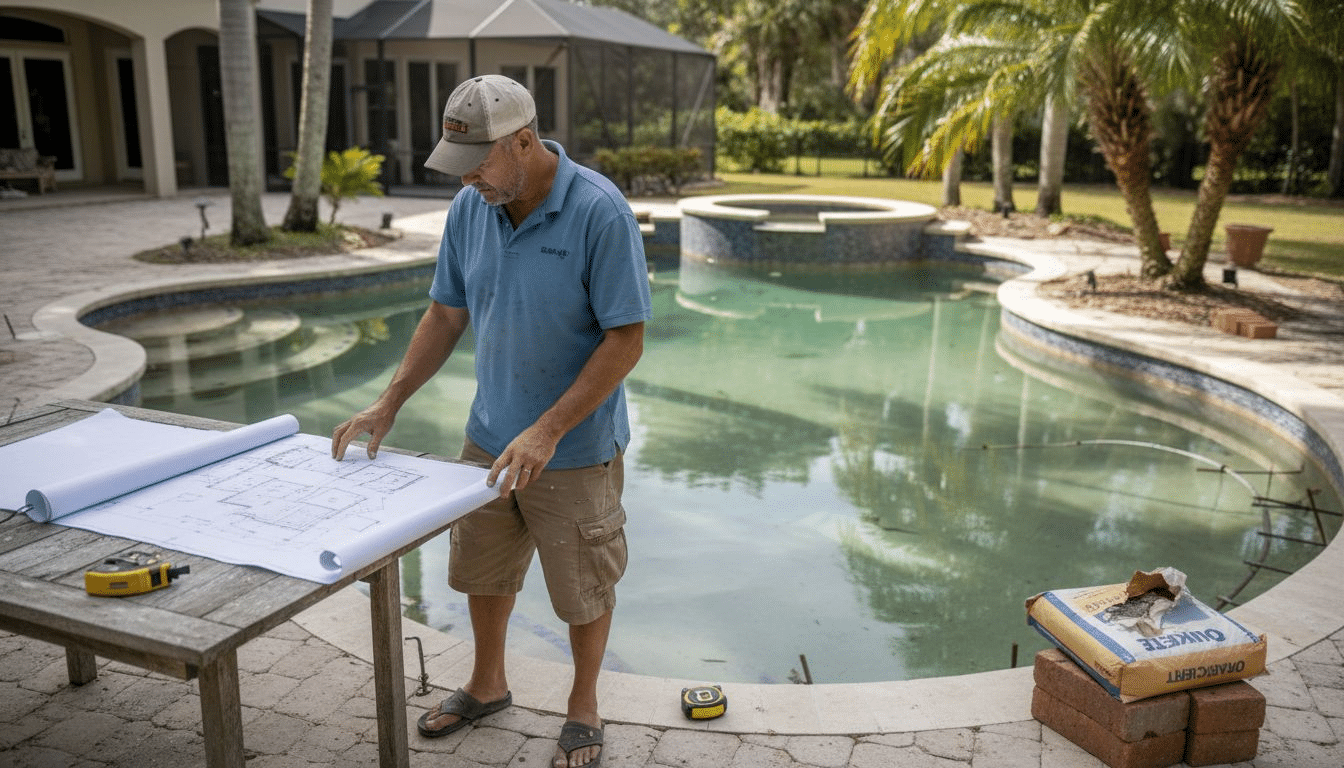
Choosing a pool design goes far beyond picking shapes and materials. For families in The Villages and Mount Dora, the process means crafting an outdoor space that truly fits their lifestyle and stands up to Central Florida’s intense weather. Whether you want a Mediterranean-inspired retreat or a sleek contemporary look, a well-designed pool delivers value, custom functionality, and long-term enjoyment while meeting strict safety standards essential for every luxury home in the region.
Table of Contents
- Defining Pool Design And Its Importance
- Popular Pool Styles And Variations
- Essential Design Features And Innovations
- Florida Codes And Compliance Standards
- Cost, Timeline, And Common Pitfalls
Key Takeaways
| Point | Details |
|---|---|
| Importance of Pool Design | A well-designed pool integrates safety, functionality, and aesthetics, enhancing your property value and outdoor lifestyle. |
| Consider Local Conditions | In Central Florida, account for climate, soil, and local regulations during the design process to avoid costly mistakes. |
| Understanding Pool Styles | Knowing different pool styles helps communicate your vision clearly with your designer, leading to a more tailored result. |
| Compliance with Regulations | Familiarize yourself with Florida’s building codes and safety standards to ensure your pool is built correctly and safely. |
Defining Pool Design and Its Importance
Pool design is far more than selecting where to dig a hole and filling it with water. It’s the comprehensive process of planning, engineering, and visualizing how a swimming pool will function, look, and integrate into your backyard lifestyle. When we talk about pool design, we’re referring to the deliberate coordination of specifications, materials, safety features, and aesthetic choices that transform an empty yard into a functional outdoor oasis. A well-designed pool considers everything from water circulation systems to patron safety, from structural integrity to how the space flows with your home’s architecture. This is especially true in Central Florida, where unique environmental factors like intense heat, sandy soil conditions, and seasonal weather patterns demand thoughtful planning from the start.
Why does this matter to you? Consider the difference between a pool that simply holds water and a pool that becomes the centerpiece of your family’s outdoor living. A thoughtfully designed pool in The Villages or Mount Dora doesn’t just provide a place to swim; it creates a gathering space that enhances your property value, extends your living season, and delivers years of enjoyment. The design process ensures your pool meets comprehensive safety standards for aquatic environments, incorporates proper recirculation and filtration systems, and withstands Central Florida’s demanding weather. Poor design, on the other hand, leads to costly mistakes: structural problems after just a few years, inefficient water circulation that drives up maintenance costs, safety hazards, and a feature that feels disconnected from your home rather than complementary to it. A professional designer anticipates these issues before construction even begins.
The importance of strong pool design extends beyond what you see at the surface. Every decision made during the design phase reverberates throughout the pool’s lifespan. The shape you choose affects how water moves through the pool. The materials selected determine durability and maintenance requirements for the next 15, 20, or 30 years. The placement relative to your home impacts sun exposure, sight lines from your kitchen window, and how naturally your outdoor space flows. The depth zones, if you’re planning activities beyond basic swimming, influence everything from safety considerations to insurance requirements. When you combine custom design with practical step-by-step planning, you’re investing in a feature that adapts to your family’s actual needs rather than forcing your family to adapt to a generic pool.
For homeowners in Central Florida’s luxury communities, design takes on additional layers. Your pool isn’t just a recreational amenity; it’s a statement about how you’ve thoughtfully developed your outdoor space. A well-designed pool complements your home’s architectural style, whether that’s the Mediterranean influences common in Mount Dora or the resort aesthetics popular throughout The Villages. It considers how your pool will photograph, how neighbors will perceive it from adjacent properties, and how it contributes to your overall landscape vision. Professional design also means understanding local building codes specific to Orange, Lake, and Sumter counties, ensuring your pool meets all regulatory requirements without surprises during construction.
Pro tip: Before meeting with a designer, spend time documenting how your family actually uses outdoor space: Do you entertain large groups or prefer intimate gatherings? Are you swimming laps, lounging, or playing? Are children or grandchildren regular visitors? This real-world information helps a designer create a pool that matches your lifestyle rather than an idealized version that looks good on paper but doesn’t fit your actual needs.
Popular Pool Styles and Variations
Pool styles fall into distinct categories, each bringing its own aesthetic and functional qualities to your Central Florida backyard. The style you choose influences everything from how the pool integrates with your home’s architecture to maintenance requirements and long-term appeal. Understanding these variations helps you communicate clearly with your designer about the look and feel you want to achieve. Rather than defaulting to whatever the contractor suggests, knowing your preferred style means you’re making an intentional choice that aligns with your vision for outdoor living.
The Mediterranean style draws directly from European traditions and remains enormously popular throughout Central Florida’s upscale communities. This aesthetic features curved edges, natural stone finishes, and often includes water features like fountains or cascading waterfalls. Think warm terracotta accents, aged plaster finishes, and lush landscaping that frames the pool as the centerpiece. The historic Mediterranean Revival style from Florida’s pool heritage demonstrates how timeless this approach remains, combining naturalistic features such as grottos and waterfalls that create resort-like atmospheres. Families in Mount Dora particularly gravitate toward this style because it complements the Victorian and classical architecture common in that area. The Mediterranean approach works exceptionally well in Central Florida because the aesthetic feels both luxurious and livable, avoiding the sterile feeling of overly modern designs while remaining practical for everyday family use.
Contemporary and minimalist pools take the opposite approach, emphasizing clean lines, geometric shapes, and sophisticated simplicity. These pools feature straight edges, frameless glass barriers, and often blend seamlessly with modern home architecture. Think rectangular lap pools with decking that extends the home’s living space, accent lighting that creates ambiance at night, and minimal ornamentation. This style appeals to homeowners who view their pool as an extension of their home’s interior design language rather than a separate feature. The beauty of contemporary design lies in its flexibility. You can achieve dramatic effect through material choices alone: sleek dark plaster, textured pavers, or elegant stone coping. For homes in The Villages with modern construction or farmhouse-contemporary architecture, this style creates cohesion rather than visual competition.
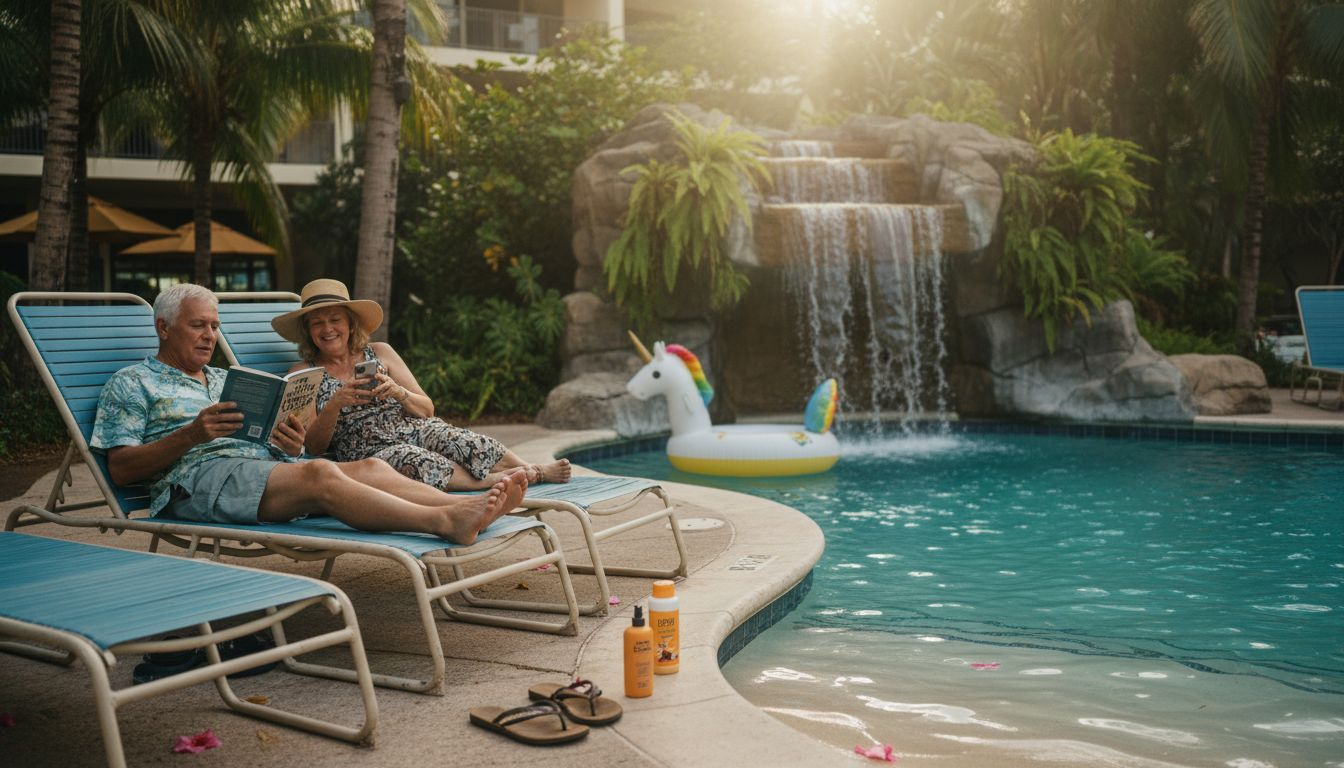
Resort and tropical styles embrace the vacation-home feeling, incorporating zero-entry beaches, rock features, and lush tropical plantings that transport you to a destination resort. These pools often include spas, water slides, or elaborate waterfall systems. The level of customization available with tropical designs is remarkable. You can add natural stone grottos, sun shelves for lounging, or lagoon-style beaches that slope gradually into deeper water. This style requires more space and typically higher budgets, but for families who entertain frequently or want their backyard to feel like a dedicated retreat, the investment delivers years of enjoyment. The challenge with tropical designs in Central Florida is ensuring plants thrive in the intense sun and that the overall effect feels sophisticated rather than theme-park-like.
Geometric and artistic pools take design further by incorporating shapes that become visual statements. Kidney-shaped pools evoke mid-century charm. Irregular polygon shapes create visual interest from every angle. Some homeowners work with designers to create pools that complement landscape features or echo the footprint of nearby structures. This approach requires a designer who understands how shape influences water circulation, drainage, and sight lines. Done well, an artistic pool becomes the primary design element your guests comment on. Done poorly, unusual shapes can create maintenance challenges and awkward dead zones in the pool structure.
When evaluating styles, consider how each option performs in Central Florida’s specific climate. Mediterranean and tropical styles handle the intense sun and occasional heavy rain gracefully. Contemporary styles show fewer visual imperfections over time because their minimalist design hides minor wear better than ornate approaches. Budget matters too. Mediterranean and tropical styles often cost more because of the additional features and finishes involved. Contemporary designs sometimes cost less upfront but require high-quality materials to avoid looking cheap.
Pro tip: Gather photos of pools you love from Pinterest, Instagram, and design magazines, then show them to your designer even if they span multiple styles; a skilled designer can extract the specific design elements you respond to and create something cohesive rather than a visual contradiction.
Here’s a quick comparison of popular pool styles to help you identify which fits your preferences:
| Style | Key Features | Typical Home Match | Maintenance Profile |
|---|---|---|---|
| Mediterranean | Curved edges, stone, fountains | Classical, Victorian | Moderate, durable finishes |
| Contemporary/Minimalist | Geometric lines, glass, lighting | Modern, farmhouse-contemporary | Low, easy-clean surfaces |
| Resort/Tropical | Zero-entry, rocks, lush plants | Large luxury properties | High, specialized upkeep |
| Geometric/Artistic | Unique shapes, visual focus | Custom, artistic landscapes | Variable, depends on shape |
Essential Design Features and Innovations
A beautiful pool means nothing if it fails to function properly, doesn’t meet safety standards, or demands constant maintenance. This is where essential design features come into play. These aren’t afterthoughts or nice-to-haves; they’re foundational elements that determine whether your pool operates smoothly for decades or becomes a source of frustration and expense. Central Florida’s climate, soil conditions, and building regulations create specific requirements that go beyond what you might see in pools built in other regions. Understanding these features helps you evaluate contractor proposals and know what questions to ask during the design phase.
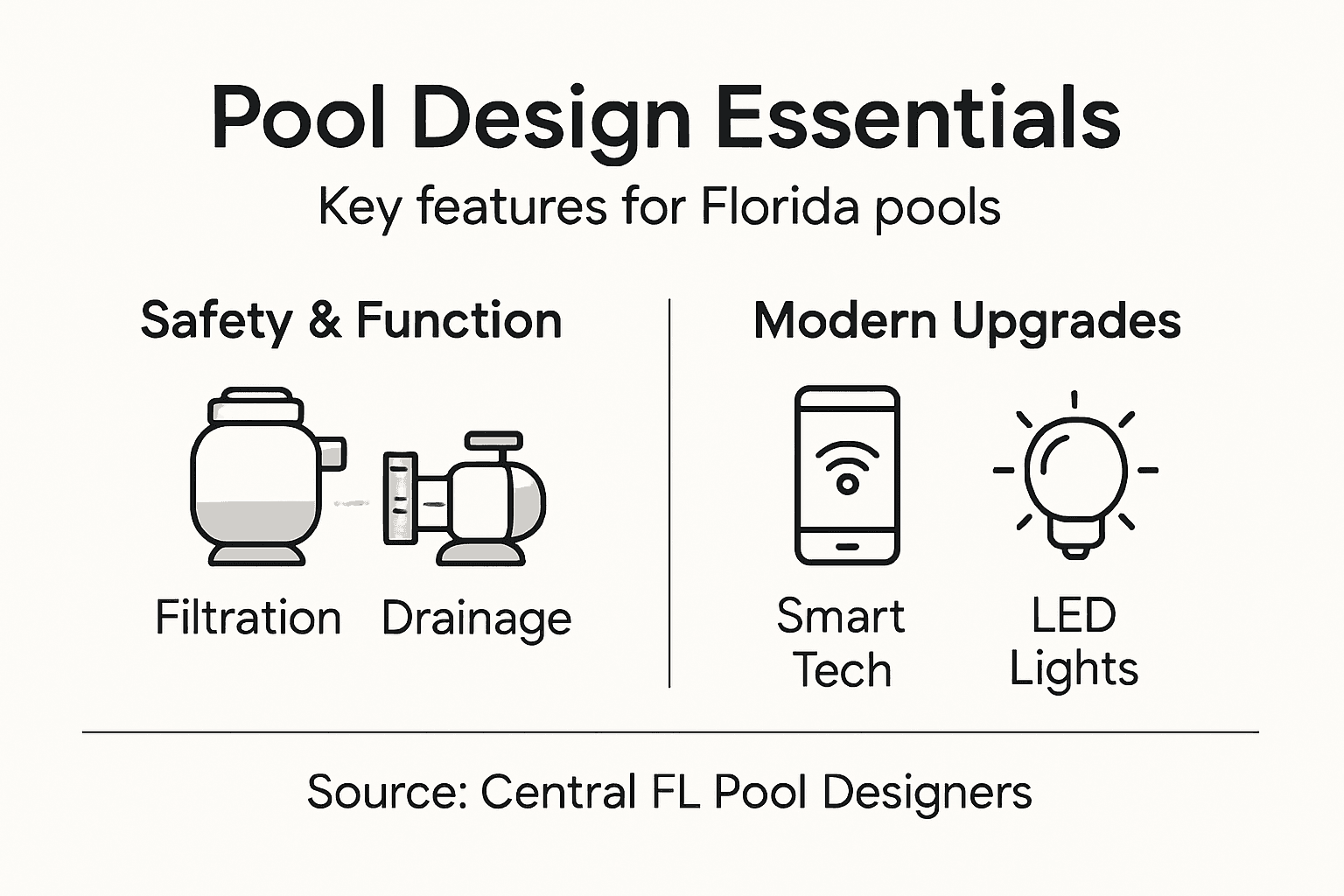
Circulation and filtration systems form the backbone of any well-designed pool. Water must move continuously through filters to remove contaminants, bacteria, and debris. The design determines how efficiently this happens and directly impacts your monthly energy and chemical costs. A poorly designed circulation system creates dead zones where water stagnates, leading to algae growth and uneven water quality. Florida’s building codes establish specific limits on water velocity in piping systems to ensure efficient operation without damaging equipment. Your pool’s return jets should be positioned to encourage natural water movement that keeps the entire pool circulating. For Central Florida homes, where the intense sun accelerates algae development, a circulation system that turns over the entire pool volume at least once every eight hours is standard. Variable-speed pumps have become game-changers for homeowners seeking energy efficiency; they use dramatically less electricity than traditional single-speed pumps while maintaining water quality effectively.
Drainage and grading deserve careful attention during design. Central Florida’s sandy soil and seasonal rainfall mean water naturally seeks the lowest point. Your pool design must incorporate proper grading around the perimeter so rainwater flows away from the pool structure rather than pooling against it. This protects the pool’s structural integrity and prevents foundation issues from developing years down the road. Subsurface drainage systems in the pool deck area prevent water from creating soft spots or ice damage during rare freezes. The design also needs to account for where water goes when you drain the pool for maintenance or renovation. Many communities have specific regulations about this, and your designer should understand local requirements.
Safety features have evolved significantly and modern designs incorporate protections that older pools simply lack. Anti-entrapment drains with approved designs prevent the serious injuries that can occur from suction entrapment, and slip-resistant decking reduces fall risks significantly. But beyond code-required safety, thoughtful design incorporates practical safety features families appreciate. Depth markers should be clearly visible and accurate. Ladders need to be positioned logically, not creating awkward traffic patterns. If you have young children or grandchildren, shallow beach entry areas with gradual slopes provide supervision sightlines while reducing drowning risk. Adequate pool-deck lighting serves both safety and ambiance purposes, allowing nighttime swimming while preventing trips and falls. Fencing requirements vary by property type, and your designer should verify whether your specific location requires perimeter fencing.
Innovative features increasingly common in Central Florida pools reflect changing homeowner priorities. Smart pool technology now allows remote monitoring and chemical adjustment through smartphone apps. LED lighting systems can change color and intensity, transforming your pool atmosphere instantly. Variable-speed pumps and advanced filtration technologies significantly reduce operational costs. Energy-efficient heaters let you extend your swimming season without shocking electricity bills. Some families incorporate salt-chlorine generators rather than traditional chlorine, appreciating the softer water feel and lower chemical maintenance. Water features like sheer descent waterfalls or natural-looking rock formations add visual appeal while serving acoustic purposes by masking street noise.
The integration of these features requires coordinated planning from the start. A designer who understands Central Florida’s specific requirements can specify systems that work together harmoniously rather than fighting against each other. This is where experience matters enormously. A contractor who has built dozens of pools in your area understands soil conditions, understands local inspection expectations, and knows which equipment combinations perform well in your climate.
Pro tip: Request a detailed equipment list and specifications during the design phase, then ask your designer to explain how each component was selected for Central Florida’s climate and your specific property conditions; this level of detail separates contractors who customize designs from those using generic templates.
Florida Codes and Compliance Standards
Building a pool in Central Florida isn’t like building one in some other states where regulations are minimal or loosely enforced. Florida takes pool safety and construction seriously, and the codes that govern pool design and installation exist for legitimate reasons. These standards protect you, your family, and future property owners from structural failures, safety hazards, and health risks. When you work with an experienced contractor, compliance happens naturally because they build it into every project. But understanding what’s required helps you recognize when a contractor is cutting corners or when an unusually low bid might reflect skipped steps that will haunt you later.
The Florida Building Code serves as the foundation for all pool construction across the state. Florida’s statewide building regulations establish requirements for structural design, mechanical systems, and energy efficiency for all swimming pools. These aren’t suggestions or guidelines; they’re mandatory requirements that county inspectors enforce through pre-construction plan review and post-construction inspections. The code specifies how deep footings must extend to account for soil conditions, what materials can be used for different pool components, how electrical systems must be installed to prevent shock hazards, and countless other technical details. For Central Florida specifically, the code addresses hurricane-resistant construction, accounts for the region’s sandy soil conditions, and sets standards for how pools handle seasonal flooding and heavy rainfall.
Beyond the general building code, pools must meet specific safety standards that have evolved significantly over the past two decades. Florida Administrative Code 64E-9 prescribes minimum design and construction requirements for swimming pools, emphasizing compliance with recognized safety standards and accessibility provisions. These regulations mandate anti-entrapment drain covers that meet federal safety standards, preventing the tragic injuries that can result from suction entrapment. They specify slip-resistant surfaces, adequate lighting, proper signage and depth markers, and circulation systems that maintain water quality. If your pool will be used by people with disabilities, Americans with Disabilities Act requirements apply, ensuring accessibility through ramps, lifts, or other accommodations. Homeowners often underestimate these requirements, assuming they apply only to public pools, but private residential pools must meet the same safety standards.
The permit and inspection process might feel tedious, but it protects your investment. Before any digging begins, your contractor must submit detailed plans for county approval. These plans show pool dimensions, equipment locations, electrical system design, grading and drainage, and structural specifications. County inspectors review plans to verify compliance before issuing permits. Once construction begins, inspectors make multiple site visits: after excavation, after plumbing and electrical rough-ins, after structural installation, and at final completion. This layered inspection process catches problems early when they’re inexpensive to fix rather than after the pool is filled and landscape work is complete. Many homeowners view inspections as bureaucratic hurdles, but they’re actually protecting your property and ensuring your pool won’t fail or create safety hazards down the road.
Local amendments to the Florida Building Code create additional requirements specific to individual counties and municipalities. Orange County, Lake County, and Sumter County each have slightly different requirements, and The Villages and Mount Dora may have additional community standards. Your contractor should be familiar with these local variations and factor them into project planning and cost estimates. A contractor unfamiliar with local requirements often discovers code compliance issues during inspections, leading to costly delays and rework.
Understanding these requirements also helps you evaluate contractor proposals. When comparing bids, watch for vague language like “will comply with all applicable codes” without specifics. A quality contractor provides detailed specifications that reference specific code sections, explains how their design meets local requirements, and includes inspection fees in their estimate. They should be able to walk you through the permit and inspection process and explain why certain design choices were made to ensure compliance.
Pro tip: Ask your contractor to provide a copy of the site plan that will be submitted for permit approval and review it carefully; this document reveals exactly what was promised in the design and gives you leverage if the final pool differs significantly from what you approved.
Cost, Timeline, and Common Pitfalls
Pool construction costs in Central Florida vary dramatically based on size, materials, complexity, and included features. A basic concrete pool might cost anywhere from $40,000 to $75,000, while a luxury custom design with multiple water features, high-end finishes, and smart technology can exceed $150,000 or more. These aren’t arbitrary ranges. The variation reflects real differences in what you’re getting. A $40,000 pool and a $100,000 pool might be the same size, but the second one includes superior circulation systems, premium decking materials, advanced filtration technology, and finishes that will look beautiful for 25 years rather than needing cosmetic updates after 10. Pool construction costs are heavily influenced by regulatory compliance requirements including safety barriers, approved materials, and water quality systems, which means the cheapest option often cuts corners on systems you won’t see but will regret later. Beyond the pool itself, factor in site preparation, landscaping, patio work, and potential utility relocations. Be skeptical of quotes that seem dramatically lower than others. They often reflect inexperience, corner-cutting, or underestimating the project’s actual complexity.
The timeline from initial consultation to swimming in your new pool typically spans four to six months in Central Florida, though it can extend longer depending on permit processing and site complications. Here’s what that typically looks like: the design and planning phase takes two to four weeks, during which you finalize decisions with your contractor. Permit application and approval takes another four to eight weeks. Construction itself, once permits are approved, generally requires six to ten weeks depending on pool size and complexity. Then add time for inspections, final approvals, and any necessary corrections. Many homeowners underestimate how long the permitting stage takes. County inspectors review applications carefully, and incomplete submissions get rejected, requiring resubmission and additional review time. Your contractor’s familiarity with local requirements dramatically impacts this stage. An experienced contractor submits complete applications that pass the first review. An inexperienced contractor often receives rejection notices requiring revisions that add weeks to the timeline.
Understanding common pitfalls helps you avoid expensive mistakes. Pool construction involves multiple stages including design, permitting, construction, inspection, and final approval, with common pitfalls including permit delays, underestimated construction complexity, and code non-compliance leading to rework. Poor site preparation ranks high on the list. Central Florida’s sandy soil requires proper compaction and sometimes specialized base preparation. Skipping this step saves money upfront but leads to pool settling, cracking, or structural problems within a few years. Inadequate drainage planning creates another common disaster. After heavy rains, water pools around the pool structure, compromising the foundation and creating costly damage. Contractors rushing through the design phase often miss opportunities to integrate the pool with your existing landscape, resulting in a feature that doesn’t flow naturally with your property. Many homeowners also underestimate ongoing maintenance costs, selecting equipment that seems economical initially but demands expensive repairs or replacement.
Vendor selection mistakes create significant problems. Choosing a contractor primarily based on the lowest bid often backfires. The contractor who underbids might lack experience with Central Florida’s unique conditions, might use lower-quality materials to meet the price point, or might cut corners on safety compliance that inspectors later catch. This results in project delays, rework, and final costs exceeding the original higher bids. A quality contractor provides transparent pricing that breaks down labor, materials, equipment, and contingency. They explain their pricing rationale and can defend every line item.
Scope creep destroys budgets constantly. Changes made during construction without formal change orders balloon costs rapidly. A design change that seems minor—relocating the spa, adjusting pool depth, adding a waterfall—requires rework of previously completed sections. The contractor must hire subcontractors again, obtain new permits if necessary, and deal with inspection delays. What seemed like a quick adjustment becomes a weeks-long project costing thousands more. Protect yourself by documenting every design decision in writing before construction begins and requiring formal change orders for any modifications, including the cost impact and timeline adjustment.
Key Cost and Timeline Factors
- Pool size and shape: Larger pools and complex shapes increase excavation, materials, and labor costs
- Materials selected: Premium finishes and high-end equipment add significant cost but improve longevity
- Site conditions: Utilities near the pool location require careful relocation; poor soil requires specialized preparation
- Regional demand: During peak season, contractors charge more and have longer wait times
- Permit complexity: Unusual lot layouts or nearby structures can complicate permitting
- Weather delays: Heavy rain can halt excavation and concrete work for days
Pro tip: Request a detailed project timeline from your contractor that includes specific milestones, permit approval target dates, inspection schedules, and contingency time for weather delays; this document becomes your tool for holding the contractor accountable and provides early warning if the project starts slipping behind schedule.
To help homeowners anticipate total project scope, here is a summary of major cost influences and timeline impacts:
| Factor | How It Impacts Cost | How It Affects Timeline |
|---|---|---|
| Pool Size/Shape | Larger/complex costs more | Complexity may add weeks |
| Materials & Features | Premium choices increase price | Specialty orders can delay |
| Site Conditions | Utility moves raise costs | Poor soil slows progress |
| Permit/Inspections | Complexity raises fees | Review can create bottlenecks |
Elevate Your Central Florida Backyard with Expert Pool Design
Navigating the detailed challenges of pool design in Central Florida requires more than just creativity. You need a partner who understands the critical role of thoughtful planning—from circulation systems and safety compliance to style choices that blend with your home and environment. At R & R Swimming Pools, we specialize in transforming your vision into a lifelong oasis with expert craftsmanship, tailored features, and attention to the unique demands of this region. Your pool should be a natural extension of your lifestyle, offering both beauty and performance built to last.
Don’t let design uncertainties hold you back from enjoying your dream pool. Visit our Pool School to learn more about what makes a lasting pool design in Central Florida then connect with us at https://randrswimmingpools.com to schedule your free consultation. Act now to secure your spot with the trusted local experts who’ve been elevating backyard experiences since 1985.
Frequently Asked Questions
What are the key elements to consider in pool design?
Key elements include water circulation systems, materials, safety features, and how the pool integrates with your home’s architecture and outdoor space. A well-thought-out design ensures functionality and enhances aesthetic appeal.
Why is professional pool design important?
Professional pool design ensures compliance with safety standards and local building codes. It anticipates potential issues like structural integrity problems and inefficient water circulation, helping to prevent costly mistakes in the future.
How do different pool styles impact maintenance and aesthetics?
Different pool styles like Mediterranean, contemporary, or tropical each have unique aesthetic qualities and maintenance requirements. For example, contemporary pools may require less maintenance due to their minimalist design, while tropical pools with intricate features may demand more upkeep.
What are the benefits of incorporating modern technology into pool design?
Modern technology like smart pool automation, variable-speed pumps, and LED lighting enhances convenience, energy efficiency, and safety. These features allow for easier maintenance, remote monitoring, and customizable ambiance in your pool environment.
