
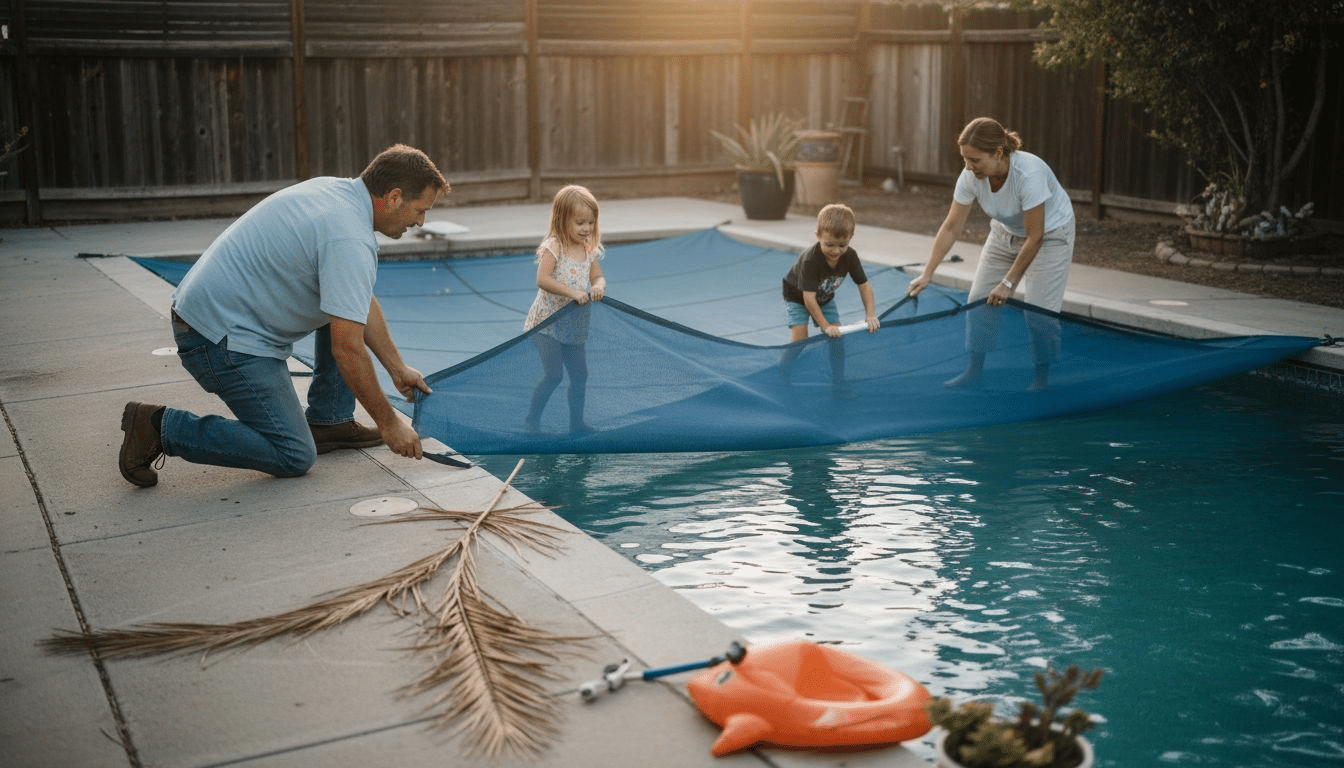
Pool ownership in Central Florida means balancing backyard enjoyment with real safety and energy concerns. For families in The Villages and Mount Dora, a custom pool cover is more than a luxury—it acts as a critical safeguard around your home. Safety-focused pool covers provide a physical barrier that prevents children from accidental falls, conserves heat, and reduces water loss according to current guidelines. Understanding the core benefits of pool covers can help homeowners protect their loved ones while saving on upkeep and energy.
Table of Contents
- Pool Covers Defined: Purpose And Key Functions
- Main Types Of Pool Covers Compared
- Features Of Automatic Vs. Manual Covers
- Safety, Legal, And Insurance Considerations
- Cost, Maintenance, And Lifespan Factors
Key Takeaways
| Point | Details |
|---|---|
| Safety First | Pool covers are essential for preventing accidents, especially for families with children and pets. Select safety-certified covers to maximize protection. |
| Energy Efficiency | Using thermal and solar covers can reduce heating costs significantly, making them a smart financial choice for homeowners. |
| Cover Types Matter | Different pool covers serve unique purposes; choose according to specific needs such as safety, energy conservation, or seasonal use. |
| Long-Term Investment | Consider both the initial cost and maintenance needs of pool covers, as high-quality options may offer better durability and savings over time. |
Pool Covers Defined: Purpose and Key Functions
Pool covers are sophisticated protective systems designed to enhance pool safety, energy efficiency, and overall maintenance. More than simple accessories, these engineered barriers serve multiple critical functions for homeowners seeking comprehensive pool management. From preventing accidental drownings to reducing operational costs, pool covers represent a strategic investment in backyard infrastructure.
The primary purposes of pool covers can be categorized into several key areas:
- Safety: Preventing child drowning risks through physical barriers
- Energy Conservation: Maintaining water temperature and reducing heat loss
- Water Preservation: Minimizing evaporation and water waste
- Debris Protection: Keeping pools clean by blocking leaves, insects, and external contaminants
Safety remains the paramount concern for pool covers. The Virginia Graeme Baker Pool and Spa Safety Act underscores this priority, establishing rigorous standards for pool safety devices. Specifically designed safety covers can support substantial weight, preventing accidental falls and providing a critical layer of protection for children and pets.
Beyond safety, pool covers offer substantial economic benefits. By reducing water evaporation and heat loss, these covers can decrease energy consumption and maintenance costs. Thermal covers can lower heating expenses by up to 70%, making them a smart long-term investment for budget-conscious homeowners.
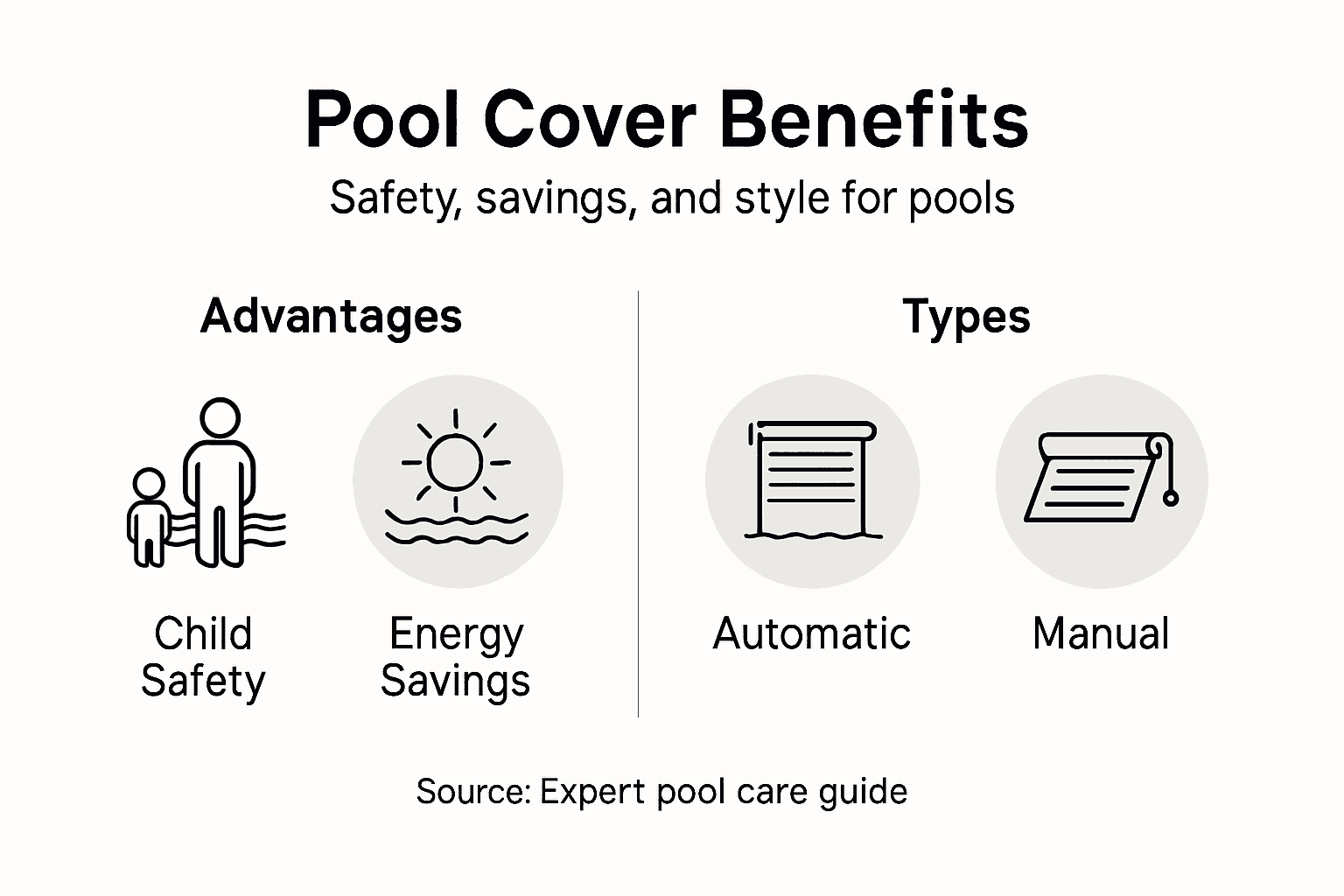
Pro tip: When selecting a pool cover, prioritize safety certifications and professional installation to ensure maximum protection and performance.
Main Types of Pool Covers Compared
Pool covers represent a sophisticated solution for homeowners, offering diverse options tailored to specific needs and priorities. Multiple pool cover types provide unique advantages, ranging from safety features to energy conservation strategies. Understanding these variations allows Central Florida homeowners to make informed decisions that protect their investment and enhance pool functionality.
The primary pool cover categories include:
- Safety Covers: Rigorous physical barriers designed to prevent accidental falls
- Solar Covers: Heat-retaining systems that leverage solar energy
- Floating Covers: Lightweight options for basic thermal protection
- Winter Covers: Specialized protection during seasonal closures
- Automatic Covers: Motorized systems offering convenience and security
Safety covers represent the most comprehensive protection mechanism. These robust systems are typically anchored around the pool perimeter, capable of supporting substantial weight and preventing unauthorized access. Unlike floating covers, which can potentially collapse and create additional hazards, safety covers provide a solid, dependable barrier for families with children or pets.
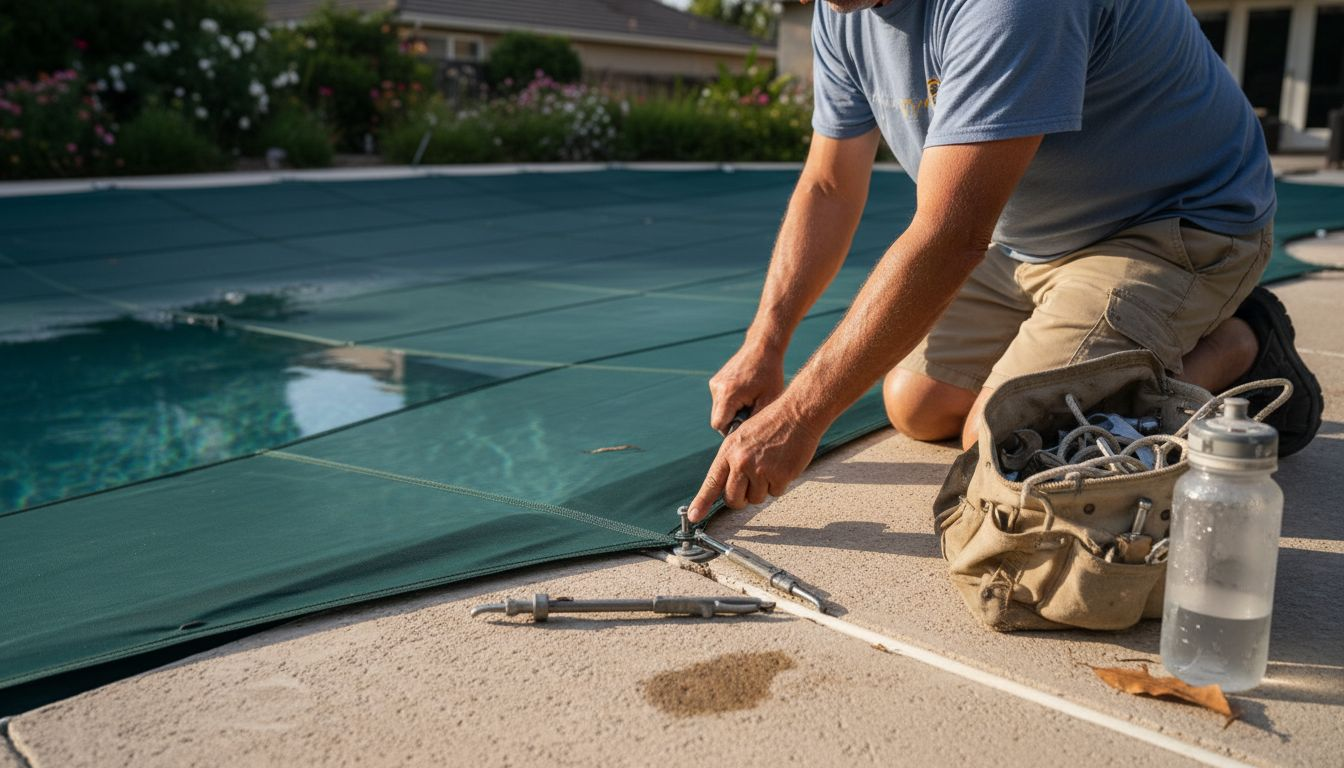
Economic considerations play a significant role in cover selection. Solar and thermal covers can reduce heating expenses by up to 70%, making them attractive for budget-conscious pool owners. Automatic covers, while more expensive initially, offer long-term convenience and can provide substantial energy savings through improved thermal retention.
Here is a summary comparing the main pool cover types, highlighting their strengths and ideal uses:
| Cover Type | Best For | Strengths | Typical Drawback |
|---|---|---|---|
| Safety Cover | Families with children | Exceptional safety, durable | Higher cost, complex install |
| Solar Cover | Energy efficiency | Cuts heating expenses, eco-friendly | Less secure, not load-bearing |
| Floating Cover | Basic maintenance | Lightweight, easy to use | Minimal safety, less durable |
| Winter Cover | Off-season protection | Blocks debris, seasonal shield | Not for year-round use |
| Automatic Cover | Convenience seekers | Push-button use, high security | Expensive, needs electricity |
Pro tip: Consult with a professional pool contractor to determine the most suitable cover type for your specific pool dimensions, safety requirements, and budget constraints.
Features of Automatic vs. Manual Covers
Pool covers represent a significant investment in home safety and efficiency, with automatic and manual options presenting distinct advantages for homeowners. Operational mechanisms differ dramatically between these two cover types, influencing their practicality, convenience, and overall performance in protecting swimming pools.
Key differences between automatic and manual pool covers include:
- Convenience: Automatic covers operate with push-button simplicity
- Installation: Manual covers require physical labor and precise measurements
- Cost: Automatic covers represent a higher upfront investment
- Safety: Automatic covers provide more consistent protection
- Maintenance: Manual covers demand more frequent hands-on management
Automatic Covers represent the pinnacle of pool cover technology. These sophisticated systems enhance home pool safety through motorized mechanisms that can quickly secure the pool area. They typically integrate advanced features like safety locks, thermal insulation, and remote operation capabilities, making them ideal for families prioritizing convenience and security.
Manual covers, while more budget-friendly, require significant personal effort. Homeowners must physically spread and retract these covers, which can lead to inconsistent usage and potential safety gaps. The manual approach demands more time, physical strength, and consistent attention to properly protect the pool environment.
Pro tip: Consider your physical capabilities, budget, and safety priorities when selecting between automatic and manual pool covers, remembering that convenience often translates to more reliable pool protection.
Safety, Legal, and Insurance Considerations
Pool ownership comes with significant legal and insurance responsibilities that extend far beyond simple recreational enjoyment. Pool safety laws mandate comprehensive protective measures designed to minimize risks and prevent potential accidents, particularly involving children and vulnerable individuals.
Key legal and insurance considerations include:
- Liability Protection: Proper safety measures can reduce legal risks
- Insurance Requirements: Compliance affects policy rates and coverage
- State-Specific Regulations: Safety standards vary by local jurisdiction
- Minimum Safety Standards: Specific barrier and cover requirements
- Potential Financial Consequences: Non-compliance can lead to significant penalties
Safety Barriers represent a critical component of pool ownership. Home pool safety regulations emphasize multiple protective layers, including approved safety covers, self-latching gates, and perimeter fencing. Insurance providers typically require these safety features, often offering reduced premiums to homeowners who demonstrate proactive risk management.
The legal landscape surrounding pool safety is complex and dynamic. Homeowners must navigate state-specific regulations, federal guidelines like the Virginia Graeme Baker Pool and Spa Safety Act, and potential liability issues. Failure to implement required safety measures can result in increased insurance premiums, potential legal action, and most critically, compromise the safety of family members and visitors.
Pro tip: Consult with a local insurance agent and pool safety professional to ensure your pool meets all current legal and insurance requirements specific to your area.
Cost, Maintenance, and Lifespan Factors
Pool covers represent a significant financial investment that extends beyond their initial purchase price, encompassing long-term operational and maintenance considerations. Pool cover costs vary widely based on material complexity, automation features, and performance specifications.
Key financial and maintenance factors include:
- Initial Purchase Cost: Ranges from $500 to $5,000 depending on cover type
- Material Quality: Determines durability and long-term performance
- Maintenance Expenses: Annual cleaning and potential repair costs
- Energy Efficiency: Potential savings on heating and water conservation
- Replacement Interval: Typically 5-15 years based on usage and care
Maintenance Requirements play a crucial role in extending pool cover lifespan. Regular inspection and care can significantly impact the cover’s performance and durability. Safety covers typically last 7-10 years, while solar covers might reach up to a decade with proper maintenance. Automatic covers, though more expensive initially, often provide better long-term value through consistent performance and energy savings.
Economic considerations extend beyond the purchase price. Homeowners should factor in potential energy savings, reduced water evaporation, and decreased chemical consumption when evaluating pool cover investments. Higher-quality covers may command premium prices but can generate substantial savings over their operational lifecycle through improved efficiency and protection.
The following table outlines cost, maintenance, and lifespan of common pool cover options:
| Cover Type | Typical Price Range | Maintenance Needs | Expected Lifespan |
|---|---|---|---|
| Safety Cover | $1,200–$3,000 | Annual cleaning, check anchors | 7–10 years |
| Solar Cover | $500–$1,200 | Rinse, store dry when off | 3–7 years |
| Automatic Cover | $3,000–$5,000+ | Motor service, track cleaning | 5–10 years |
| Winter Cover | $600–$1,500 | Remove leaves, dry storage | 5–8 years |
Pro tip: Calculate the total cost of ownership by considering initial purchase price, expected lifespan, maintenance costs, and potential energy savings before selecting a pool cover.
Discover the Perfect Pool Cover Solution for Safety and Savings
Choosing the right pool cover is essential for protecting your family and maximizing energy savings. This article highlights key challenges like safety concerns for children and pets, energy conservation, and maintenance demands. At R & R Swimming Pools, we understand these priorities and offer expert guidance to help you select a pool cover that balances protection, convenience, and style.
Whether you need a robust safety cover or an energy-efficient solar cover, our experienced team in Central Florida will customize your pool experience with craftsmanship built over decades. Protect your investment and enhance your backyard enjoyment by exploring our insights in the Pool School and learning about our proven approach in R & R.
Ready to upgrade your pool with the right cover that fits your lifestyle and safety needs? Schedule a free consultation today at R & R Swimming Pools and take the first step toward peace of mind and year-round savings.
Frequently Asked Questions
What are the main types of pool covers available?
The primary types of pool covers include safety covers, solar covers, floating covers, winter covers, and automatic covers. Each type serves different purposes, such as enhancing safety, retaining heat, or providing seasonal protection.
How do safety covers enhance pool safety?
Safety covers are designed to prevent accidental drownings by acting as a physical barrier. They can support substantial weight, making them effective in keeping children and pets safe when the pool is not in use.
What are the energy savings benefits of using solar and thermal pool covers?
Solar and thermal pool covers can reduce heating expenses by up to 70% by retaining heat and minimizing evaporation. This not only lowers energy costs but also conserves water and reduces chemical consumption in the pool.
What factors should I consider when choosing between automatic and manual pool covers?
Consider convenience, installation complexity, upfront costs, and maintenance. Automatic covers offer push-button operation and consistent security, while manual covers are more budget-friendly but require physical effort and can lead to inconsistent use.
