
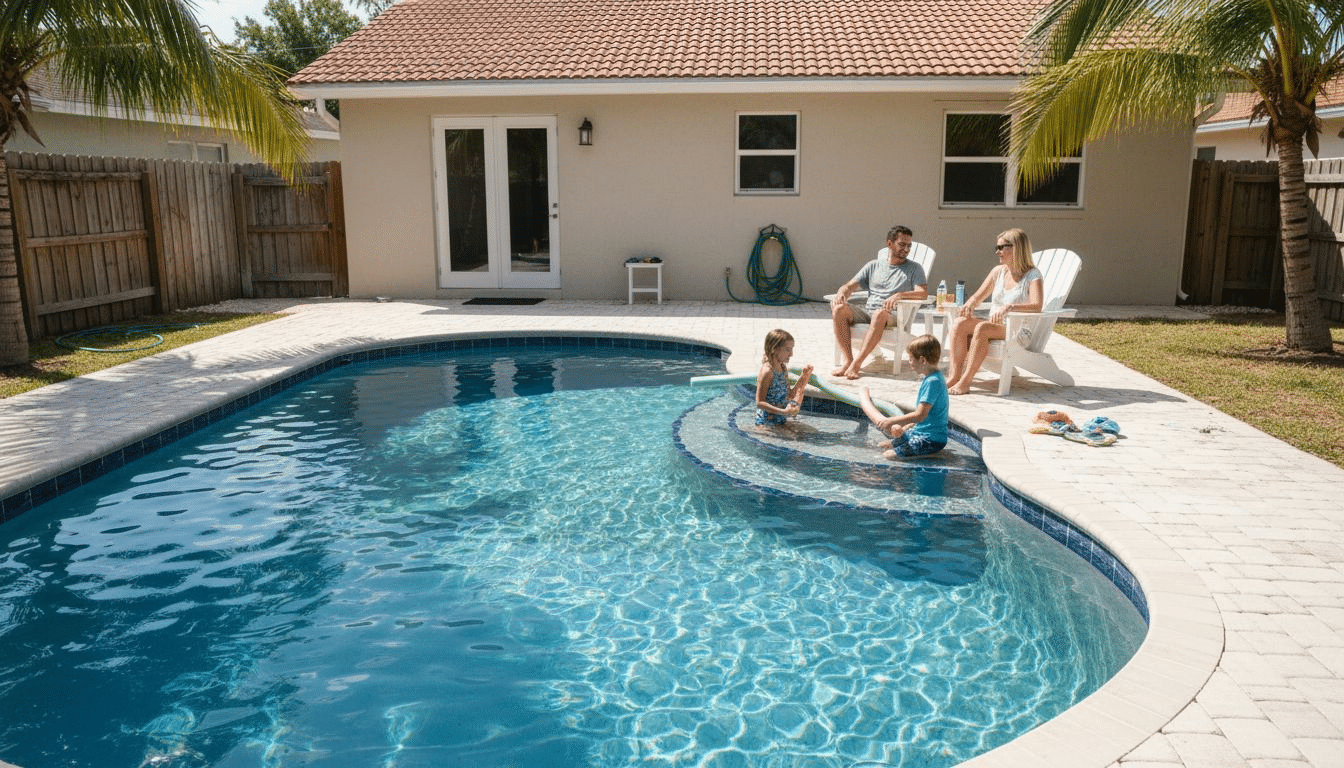
Most American homeowners in Central Florida are surprised to learn that over 80 percent of inground pool installations require careful navigation of local safety codes. Investing in a custom pool offers far more than an upgrade in style. Families seek lasting value and a safe space for year-round enjoyment. This guide breaks down the essentials and clears up key misconceptions, helping you make confident decisions for your property and family.
Table of Contents
- Inground Pool Basics And Key Misconceptions
- Popular Types Of Inground Pools In Florida
- Custom Features And How Inground Pools Work
- Legal Regulations And Permitting Requirements
- Cost Breakdown And Long-Term Financial Impact
- Common Pitfalls And Alternative Pool Options
Key Takeaways
| Point | Details |
|---|---|
| Inground Pools are Permanent Installations | These pools offer long-term value and must comply with local building codes for safety and structural integrity. |
| Types of Inground Pools | Florida homeowners can choose from Concrete, Fiberglass, and Vinyl Liner pools, each with different costs and maintenance needs. |
| Safety Regulations are Essential | Strict safety regulations dictate pool construction, requiring barriers and safety features to prevent accidents. |
| Cost Considerations are Significant | Homeowners should plan for both initial installation costs and ongoing maintenance expenses to ensure financial sustainability. |
Inground pool basics and key misconceptions
An inground pool represents a permanent swimming installation constructed directly into the ground of a residential property, offering homeowners in Central Florida a luxurious and functional outdoor living solution. Unlike portable or above-ground alternatives, inground pools are designed as permanent architectural features that integrate seamlessly with a home’s landscape and provide long-term value.
Understanding the structural requirements is crucial for homeowners. Specific code provisions govern these installations, covering critical aspects like structural design, materials, entry methods, and architectural features such as beach entries. These regulations ensure that inground pools meet safety standards and can withstand Florida’s unique environmental conditions.
One of the most significant misconceptions about inground pools is that they are simply aesthetic additions. In reality, they involve complex safety considerations. Swimming pool safety laws mandate specific protective measures, including physical barriers like fences, to prevent unauthorized access and reduce accident risks. Homeowners must navigate local regulations that specify fence heights, gate mechanisms, and other critical safety requirements.
Pro tip: Before installing an inground pool, consult local building authorities and a professional pool contractor to understand specific safety regulations and design requirements specific to your Central Florida property.
Popular types of inground pools in Florida
Inground pools in Florida come in three primary types, each offering unique characteristics tailored to the state’s distinctive climate and homeowner preferences. Florida Building Code regulations define these pool categories with specific structural and safety standards that ensure durability and performance in the challenging subtropical environment.
Concrete or gunite pools represent the most versatile option for Florida homeowners. These fully customizable installations allow for intricate designs, complex shapes, and seamless integration with landscaping. They can withstand Florida’s intense heat and occasional ground shifts, making them popular among homeowners seeking personalized outdoor living spaces. Concrete pools typically feature the highest durability and can be finished with various interior surfaces like plaster, pebble, or tile.
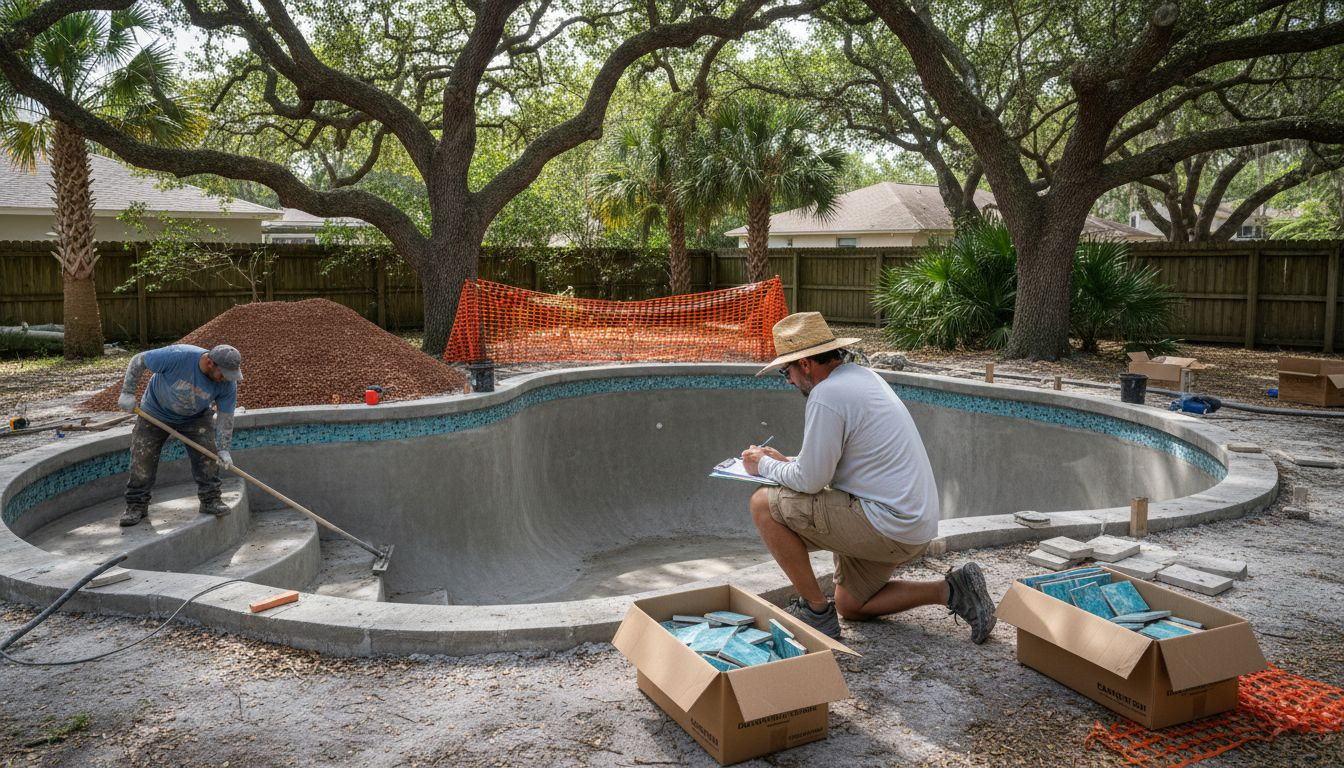
Fiberglass pools offer a faster installation process and require less maintenance compared to concrete alternatives. Florida health regulations recognize these pre-manufactured pools as compliant with state standards. These pools come in predetermined shapes and sizes, feature smooth surfaces that resist algae growth, and can be installed relatively quickly. Their non-porous surface makes them an excellent choice for homeowners seeking low-maintenance swimming solutions.
Vinyl liner pools provide an affordable entry point for Florida homeowners. These pools feature a custom-cut vinyl membrane installed over a frame made of steel, polymer, or aluminum. While they offer the lowest initial investment, vinyl liners require replacement every 7-10 years. They work well in areas with stable ground conditions and provide a smooth swimming surface that can be customized with various liner patterns and colors.
Pro tip: Consider consulting a local pool professional who understands Florida’s specific environmental conditions to determine the most suitable pool type for your specific property and lifestyle needs.
Here’s a quick comparison of the three main inground pool types found in Florida:
| Pool Type | Typical Installation Time | Durability & Lifespan | Average Maintenance Needs |
|---|---|---|---|
| Concrete (Gunite) | 2-4 months | Longest, over 25 years | Frequent cleaning, replastering every decade |
| Fiberglass | 2-4 weeks | 20-25 years, resists cracks | Low, occasional polishing and cleaning |
| Vinyl Liner | 1-2 months | 7-10 years (liner lifespan) | Liner replacement, basic upkeep |
Custom features and how inground pools work
Inground pools are sophisticated systems that combine architectural design with advanced engineering to create functional and luxurious outdoor living spaces. International Swimming Pool and Spa Code regulations outline the complex requirements for these aquatic installations, ensuring safety, performance, and aesthetic appeal.
The core functionality of an inground pool centers on its circulation system, which maintains water quality and cleanliness. This intricate network includes multiple critical components: circulation pumps that move water, skimmers that collect surface debris, main drains that draw water from the pool bottom, and filtration systems that remove microscopic contaminants. These elements work together continuously to keep the water clean, balanced, and safe for swimmers.
Custom features transform an ordinary pool into a personalized outdoor retreat. Homeowners can select from a wide range of architectural elements like beach entries, swim-out areas, diving rocks, integrated spas, waterfalls, and custom lighting systems. Residential pool design standards provide guidelines for incorporating these features while maintaining structural integrity and safety. Advanced pools might include automation systems that control water temperature, lighting, and chemical balance, allowing for seamless outdoor entertainment experiences.
Chemical management represents another crucial aspect of pool functionality. Specialized chemical feeders automatically introduce precise amounts of chlorine, pH balancers, and other treatments to maintain water quality. This systematic approach ensures that the pool remains sanitized, preventing algae growth and maintaining a safe swimming environment without constant manual intervention.
Pro tip: Consult with a professional pool designer who can help you navigate the complex balance between custom features, local building codes, and your specific property requirements.
Legal regulations and permitting requirements
Pool permitting in Florida represents a complex process designed to ensure public safety, environmental protection, and structural integrity. Florida’s pool permit process involves multiple government agencies and rigorous review mechanisms that homeowners must navigate carefully before beginning pool construction.
The initial stage requires comprehensive documentation submitted to local building authorities and health departments. Homeowners must prepare detailed site plans demonstrating compliance with the Florida Building Code, which includes precise specifications about pool location, safety barriers, drainage systems, and structural design. These plans undergo thorough review to verify they meet strict environmental and safety standards, addressing potential risks like groundwater contamination, drainage impacts, and structural stability.
Safety regulations form a critical component of pool permitting. Swimming pool legal standards mandate specific requirements for safety barriers, anti-entrapment drain systems, and emergency access points. Residential pools must include fencing at least 4 feet high with self-closing, self-latching gates to prevent unauthorized access, particularly by children. Additionally, pools must incorporate approved drain covers and circulation systems that minimize potential entrapment hazards.
After initial construction, pools undergo mandatory inspections to verify compliance with all regulatory standards. These inspections check structural integrity, electrical systems, fencing, and safety mechanisms. Only after passing these comprehensive reviews will authorities issue a final operating permit, allowing homeowners to legally use their new swimming pool. Ongoing maintenance and periodic re-inspections may also be required to ensure continued compliance with health and safety regulations.
Pro tip: Consult with a licensed pool contractor familiar with local permitting requirements to streamline the approval process and avoid potential regulatory complications.
Cost breakdown and long-term financial impact
Pool investment in Florida represents a significant financial commitment with complex cost considerations. Swimming pool industry statistics reveal that initial construction costs vary dramatically based on pool type and design, ranging from $20,000 to $65,000 for standard residential installations.
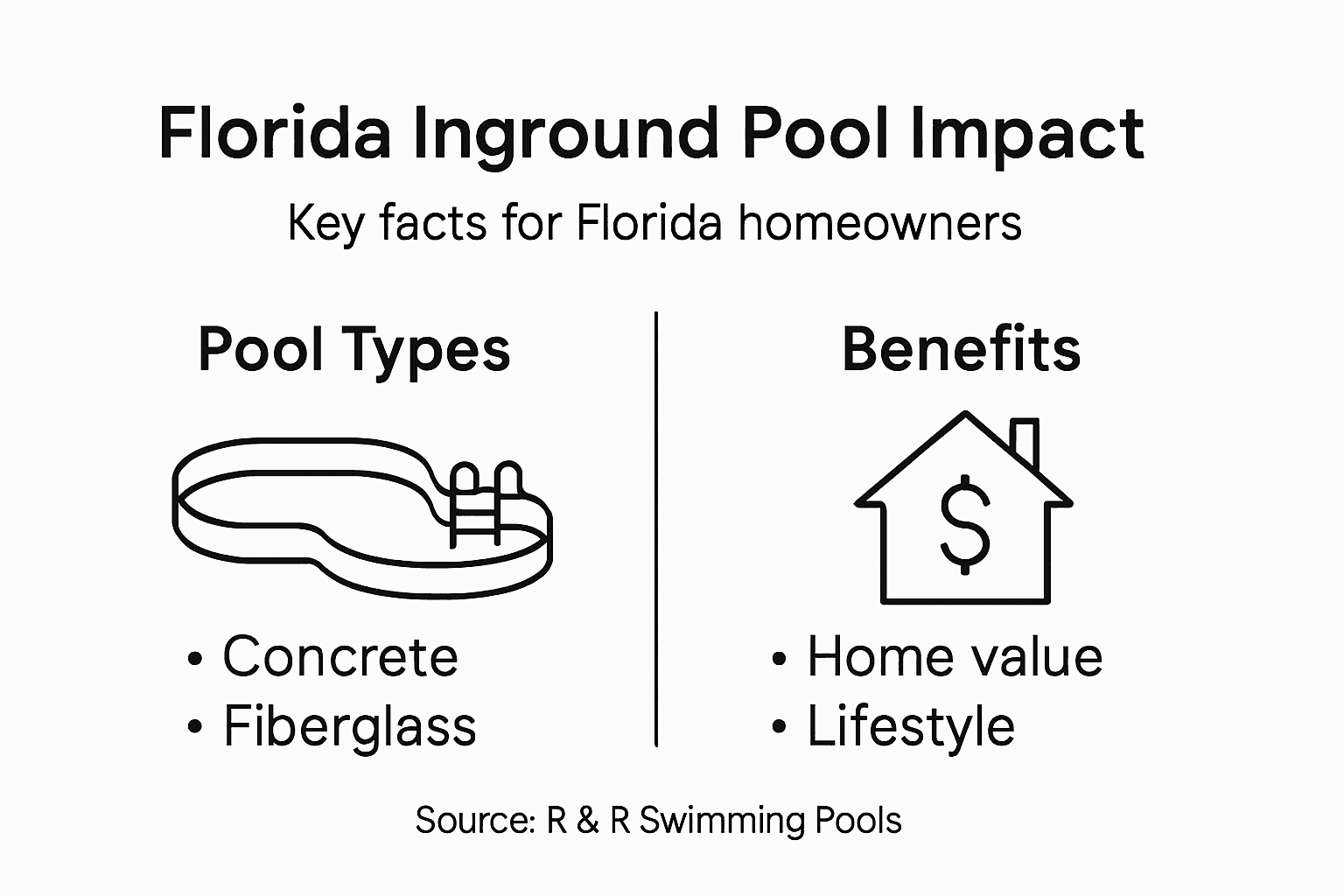
Different pool types carry distinct financial implications. Concrete pools, while offering maximum customization, typically represent the most expensive option with installation costs between $35,000 and $65,000. Fiberglass pools provide a more economical alternative, ranging from $20,000 to $40,000, with faster installation and potentially lower long-term maintenance expenses. Vinyl liner pools offer the most budget-friendly initial investment, starting around $25,000, though they require liner replacements every 7-10 years.
Ongoing expenses form a critical component of pool ownership that homeowners must carefully budget. Pool ownership financial considerations indicate monthly maintenance can range from $80 to $150, encompassing chemical treatments, cleaning, equipment maintenance, and potential repairs. Annual maintenance costs typically average between $1,200 and $1,800, not including potential unexpected repairs or equipment replacements. Additional financial factors include increased utility expenses, potential property tax adjustments, and potential impacts on home insurance premiums.
Beyond direct costs, inground pools can significantly influence property values. While exact return on investment varies, well-maintained pools in desirable Florida neighborhoods can potentially increase home values by 5-8%, particularly for properties in areas with year-round swimming conditions. Homeowners should view pool installation as a lifestyle and potential financial investment, carefully weighing upfront and long-term expenses against personal enjoyment and potential property value appreciation.
Pro tip: Create a comprehensive five-year financial plan that includes installation costs, anticipated maintenance expenses, and potential equipment replacements before committing to pool ownership.
Below is a summary of common ongoing expenses related to residential inground pools in Florida:
| Cost Category | Typical Range (Annual) | Key Considerations | Potential Savings Strategies |
|---|---|---|---|
| Maintenance Services | $1,200 – $1,800 | Cleaning, chemical balance, minor repairs | DIY for routine tasks |
| Utility Increase | $300 – $600 | Pump, heater, and water use | Energy-efficient pumps and heaters |
| Equipment Replacement | $200 – $800 | Filters, pumps, automatic covers | Preventive maintenance extends lifespan |
| Insurance Adjustments | $100 – $300 | Depends on value and coverage | Bundle insurance, shop for rates |
Common pitfalls and alternative pool options
Pool ownership involves complex safety considerations that extend far beyond aesthetic appeal. Home pool safety guidelines highlight critical risks that homeowners must proactively address to prevent potential accidents and ensure family safety.
One of the most significant pitfalls is underestimating drowning risks, particularly for families with young children. Insufficient safety barriers, lack of proper supervision, and inadequate emergency preparedness can lead to tragic consequences. Safety barrier recommendations emphasize the importance of complete pool enclosures with self-closing, self-latching gates, and additional protective measures like pool alarms and safety covers.
For homeowners concerned about potential risks, several alternative pool options exist. Above-ground pools can provide some inherent safety advantages, with higher walls and easier restricted access for children. Smaller splash pools or compact water features offer similar recreational benefits with reduced safety concerns. Some families opt for professionally designed pool enclosures that create additional layers of protection, integrating safety features directly into the pool’s architectural design.
Regular maintenance and ongoing safety education represent crucial strategies for mitigating pool-related risks. This includes consistent water quality management, routine equipment inspections, maintaining proper chemical balances, and ensuring all family members understand basic water safety protocols. Investing in professional CPR training and keeping emergency equipment readily accessible can provide critical protection against potential accidents.
Pro tip: Develop a comprehensive pool safety plan that includes clear rules, supervision protocols, and emergency response strategies before installing any residential swimming pool.
Transform Your Florida Home with a Custom Inground Pool
Understanding the complexities of inground pools in Florida—from safety regulations to long-term maintenance and design options—can be overwhelming. Whether you are concerned about selecting the right pool type, navigating permitting requirements, or adding custom features that elevate your outdoor living experience, addressing these challenges ensures your investment is safe, enjoyable, and adds real value to your home. Key terms like “structural design,” “safety barriers,” and “chemical management” highlight the care needed when planning a pool that fits your lifestyle and property.
Take the next step toward creating your perfect pool with expert guidance from R & R Swimming Pools.
Our experienced team has been crafting personalized concrete and fiberglass inground pools across Central Florida since 1985. Discover how we translate your vision into reality while strictly adhering to local codes and safety standards. Visit our Pool School | R & R Swimming Pools for helpful resources, then schedule a free consultation today at randrswimmingpools.com. Start enjoying a safe, stunning pool that enhances your home right now.
Frequently Asked Questions
What are the main types of inground pools?
There are three primary types of inground pools: concrete (gunite) pools, fiberglass pools, and vinyl liner pools. Each type has unique characteristics, costs, and maintenance requirements, catering to different homeowner preferences.
How do inground pools impact property value?
Inground pools can significantly enhance property value, potentially increasing it by 5-8% in desirable neighborhoods. Homeowners should consider the lifestyle benefits and long-term financial implications of pool installation.
What safety regulations are associated with inground pools?
Safety regulations for inground pools require specific protective measures, including the installation of fencing at least 4 feet high, self-closing gates, and anti-entrapment drain systems to ensure safe access and prevent accidents.
What are common ongoing expenses for inground pool ownership?
Ongoing expenses include maintenance services, which typically range from $1,200 to $1,800 annually, as well as increased utility costs, equipment replacements, and possible adjustments to insurance premiums.
Recommended
- Inground vs Above Ground Pools: Impact on Home Value
- Why Build a Pool in Central Florida? Key Benefits
- Expert Guide to Inground Pools: Installation Success
- Inground Pool Installation Guide: Step-by-Step Success
- Understanding Drainage Problems Explained For Homeowners – Legacy Plumbing & Drain – Emergency Plumbers Of Sacramento
- Pool Builder Clermont FL
- Pool Builder Mount Dora FL
