
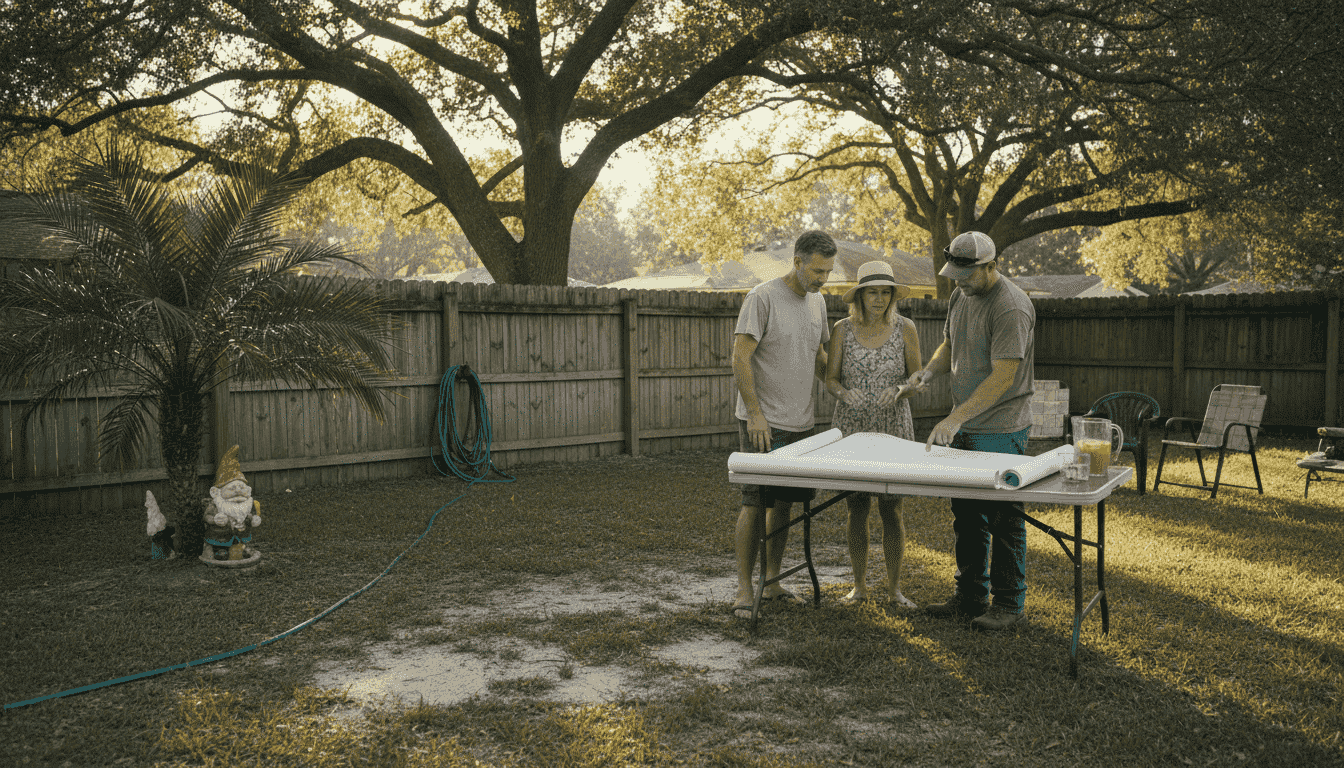
Every family wants a backyard that feels as welcoming as the inside of their home, but transforming outdoor space with a custom pool requires careful planning. From mapping out sunlight and drainage to meeting Central Florida’s safety codes, every step matters for lasting satisfaction. This guide offers expert-driven strategies for balancing family priorities and compliance, ensuring your pool project becomes a seamless investment in both enjoyment and property value.
Table of Contents
- Step 1: Assess Backyard And Define Pool Goals
- Step 2: Consult Experts And Finalize Design Choices
- Step 3: Obtain Permits And Prepare Documentation
- Step 4: Ready The Site And Confirm Utilities
- Step 5: Review Plans And Set Construction Timeline
Quick Summary
| Key Point | Explanation |
|---|---|
| 1. Assess Backyard Features Thoroughly | Observe sun patterns, drainage, and existing elements to determine the best pool design and location. |
| 2. Define Pool Goals Clearly | Identify how your family will use the pool, ensuring the design meets recreation or relaxation needs. |
| 3. Consult Experienced Contractors | Choose professionals familiar with local conditions to create a feasible design aligned with your vision. |
| 4. Secure Necessary Permits Early | Obtain all required permits before construction to ensure compliance with safety and health regulations. |
| 5. Verify Utility Locations Pre-Excavation | Identify underground utilities before digging to avoid costly delays and safety hazards during construction. |
Step 1: Assess Backyard and Define Pool Goals
Before you call a contractor, take time to understand what you actually have to work with. Your backyard’s existing features, sun patterns, and drainage will shape what’s possible. Equally important is clarifying exactly what you want this pool to accomplish for your family.
Start by mapping out your entire backyard. Walk the space at different times of day and note where sunlight hits hardest, where water pools after rain, and which areas stay shaded. This isn’t about being overly technical—just observe how your space actually behaves. Consider trees, utility lines, property lines, and any slopes or uneven ground.
Next, identify what existing elements matter to you. Maybe you have mature trees that provide privacy, landscaping you want to preserve, or a septic system that limits certain placements. Understanding these constraints now prevents expensive surprises later.
Defining your pool’s purpose shapes every decision moving forward:
- Family recreation (splash pad, shallow ends, gentle slopes)
- Lap swimming (longer, narrower designs)
- Entertainment (spa features, built-in seating, shallow lounging areas)
- Fitness (lap lanes, deeper sections)
- Relaxation and aesthetics (visual focal point, landscaping integration)
Think about daily use patterns. Will kids dominate summer afternoons? Do you want a gathering space for neighbors? Are you planning this as a long-term feature that grows with your family? When considering local safety regulations and compliance, also factor in fencing requirements and gate placement that affects your layout.
Document your climate considerations too. Central Florida’s heat and humidity mean pools stay warm most of the year, but summer storms bring heavy rainfall. Your drainage and placement strategy should account for both. Equally, consider how the finished pool will flow with your home’s existing landscape and architecture.
Make a simple list: family priorities, non-negotiable features, budget range, and timeline. This becomes your decision-making compass when conversations with pool designers begin.
Here’s a summary of pool design priorities and their practical impacts:
| Priority Area | Direct Impact | Long-Term Benefit |
|---|---|---|
| Space assessment | Determines maximum pool size | Prevents site-related issues |
| Climate planning | Guides material and drainage pick | Improves comfort and durability |
| Family goals | Shapes pool features and layout | Ensures lasting satisfaction |
| Local regulation | Influences placement and fencing | Reduces legal risks |
| Existing landscape | Protects valued elements | Maintains property aesthetics |
Your backyard assessment and goal clarity now prevent costly changes and missed opportunities during construction.
Step 2: Consult Experts and Finalize Design Choices
Now that you understand your backyard and priorities, it’s time to partner with professionals who can turn vision into reality. Expert consultation transforms your goals into a feasible, buildable design that accounts for site-specific challenges and local requirements.
Start by selecting a pool contractor with Central Florida experience. Look for companies with a portfolio of completed projects, customer testimonials, and knowledge of local building codes and soil conditions. Your contractor should understand the region’s drainage patterns, seasonal weather impacts, and permitting requirements specific to your area.
When you meet with design professionals, bring your backyard assessment and priority list from Step 1. Share photographs, measurements, and any concerns about existing trees, utilities, or drainage. The more specific information you provide, the better they can evaluate what’s realistically achievable.
Key topics to discuss with your contractor:
- Pool size and shape based on your space and intended use
- Material options (concrete, fiberglass, or vinyl)
- Feature additions (spas, waterfalls, sun shelves, built-in seating)
- Equipment placement and access for maintenance
- Timeline and phasing if work must happen in stages
- Budget breakdown with itemized costs
Understanding design and construction as integrated processes helps you appreciate why early coordination matters. Your contractor considers constructability alongside aesthetics—certain designs are simpler to build, require fewer unexpected changes, and stay closer to budget.
Request detailed 2D or 3D renderings showing how the finished pool fits your landscape. Walk through the design together and ask questions about every element. This is your chance to catch misunderstandings before digging begins.
Once you’re satisfied with the design, confirm all details in writing. Your contract should specify materials, dimensions, features, timeline, payment schedule, and warranty information. Clear documentation prevents confusion later.
Working with experienced professionals early prevents costly design changes mid-construction and ensures your pool meets both your vision and local requirements.
Pro tip: Ask your contractor to explain the permitting timeline for your area—some jurisdictions require inspections at multiple build stages, which affects your overall project schedule.
Step 3: Obtain Permits and Prepare Documentation
Permits are not optional hurdles—they’re your protection and the government’s assurance that your pool meets safety and health standards. Before any excavation happens, you need approval from local authorities. This step takes time, so start early.
Contact your local building department and health department to understand what permits apply to your project. Requirements vary by county and municipality within Central Florida, so don’t assume what worked for a neighbor applies to you. Your contractor typically handles much of this, but you should understand the process.
You’ll need to submit detailed construction plans that your designer or contractor prepared. These plans show pool dimensions, depth variations, equipment locations, plumbing and electrical layouts, and safety features like fencing. The plans must comply with Florida’s public swimming pool health codes, which specify safety requirements for residential pools.
Typical permits required include:
- Building permit for structural work and excavation
- Electrical permit for power supply and lighting
- Plumbing permit for water and drainage systems
- Health department approval for water quality and safety features
- Zoning verification confirming the pool meets setback and size requirements
The permitting timeline varies. Some jurisdictions approve plans within days; others take weeks. Budget 4 to 8 weeks for the full process, including plan reviews and any required revisions. Once approved, you’ll receive a permit that authorizes construction to begin.
Prepare for inspections at multiple stages. Inspectors will visit when excavation is complete, after plumbing and electrical rough-ins, and again before the pool fills. Schedule these inspections with your contractor and be present when possible so you understand what inspectors are checking.
Keep all documentation organized—permits, approval letters, inspection reports, and paid invoices. You’ll need these records for final occupancy approval and potential future sales.
Below is a reference table summarizing typical permits and their purpose:
| Permit Type | Main Purpose | Issuing Authority |
|---|---|---|
| Building permit | Structural and excavation approval | Local building department |
| Electrical permit | Ensures safe pool power installation | Local electrical inspectorate |
| Plumbing permit | Checks water and drainage connections | Plumbing regulatory office |
| Health approval | Validates water safety and hygiene | Health department |
| Zoning verification | Confirms setback and size compliance | Zoning board |
Permits seem like red tape, but they protect you from liability and ensure your pool is built safely and to code.
Pro tip: Submit your permit applications as soon as your final design is approved, even if construction won’t start immediately—this gives you a head start on the approval timeline.
Step 4: Ready the Site and Confirm Utilities
Before the first shovel touches ground, you need to know exactly what utilities exist beneath and around your property. Water lines, electrical cables, gas pipes, and septic systems can all be hiding underground. Hitting one during excavation creates costly delays, safety hazards, and potential legal liability.
Call 811 or use the “Call Before You Dig” service in Florida at least 48 hours before excavation begins. This free service locates and marks underground utilities like water, gas, electricity, and telecommunications. Your contractor should coordinate this, but verify it happens. A technician will come mark lines with paint and flags.
Confirm your water supply capacity with your utility company. Filling a new pool requires significant water volume, and your system must handle it without straining service to neighbors. Ask about any restrictions on filling times or rates during summer months when demand peaks in Central Florida.
Verify these utilities are accessible and adequate:
- Water line for filling and future refilling during evaporation
- Electrical supply for pumps, filters, and lighting systems
- Drainage for backwash water and overflow management
- Gas line (if you’re adding a heater)
- Septic system confirmation that pool discharge won’t compromise it
Work with your contractor to establish equipment locations near utilities. The pump house, filter system, and heater need convenient access to water and power while staying clear of underground lines. Proper placement now prevents future maintenance headaches.
Document water supply verification and wastewater management planning before construction starts. This protects both your property and municipal systems. Your contractor should provide written confirmation that utility companies have approved the proposed system.
Clear the excavation area of obstacles. Remove or protect landscaping, outdoor structures, and anything your contractor needs access to. Communicate exact boundaries and mark any areas that are off-limits.
Confirming utilities prevents expensive excavation disasters and ensures your pool systems will function reliably for years to come.
Pro tip: Take photographs and notes of where utilities are marked, and share this information with your contractor in writing—miscommunication about utility locations is a leading cause of construction delays.
Step 5: Review Plans and Set Construction Timeline
Now that permits are approved and utilities confirmed, it’s time to understand exactly how your pool will be built and when. A detailed review of construction plans with your contractor ensures everyone shares the same vision before work begins.
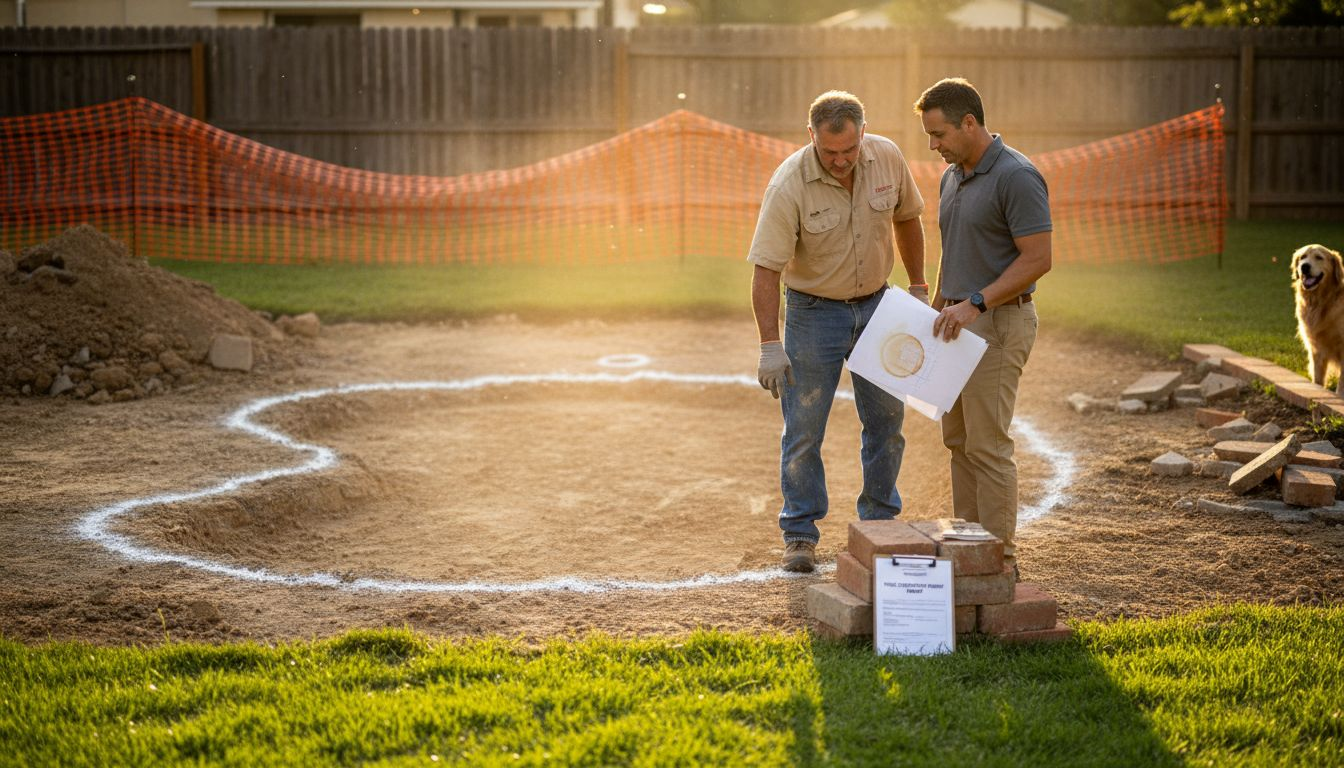
Schedule a comprehensive plan walkthrough with your contractor. Bring the approved permits and ask your contractor to explain every detail. Point out any concerns or questions about dimensions, materials, placement, or design elements. This is your last chance to catch misunderstandings before excavation starts.
Understanding construction planning with detailed task sequences helps you appreciate why your contractor creates a specific schedule. They’re ordering tasks in a logical sequence where each phase prepares for the next. Excavation comes first, then plumbing rough-in, electrical work, shell construction, equipment installation, and finishing.
Discuss your timeline expectations and constraints:
- Total duration (typically 6 to 12 weeks for standard residential pools)
- Weather impacts (heavy summer rain or unexpected dry spells affect excavation and curing)
- Inspection schedule (when inspectors will visit, how long reviews take)
- Material delivery dates (when equipment and materials arrive on site)
- Crew availability (your contractor’s schedule and team size)
- Your access needs (when you need yard access, parking limitations)
Request a written project schedule with milestone dates. This document shows when each major phase starts and finishes. Ask your contractor to identify critical path items—tasks that delay the entire project if they slip. Understanding these helps you manage expectations.
Build in contingency time. Central Florida weather can cause unexpected delays, and site conditions sometimes reveal surprises once excavation begins. A reasonable buffer of 1 to 2 weeks prevents disappointment if the timeline shifts slightly.
Confirm communication protocols. How will your contractor update you on progress? How often can you visit the site? What’s the process for approving changes or addressing issues? Clear communication prevents frustration during the build.
A detailed review and realistic timeline set you up for smooth construction and fewer surprises along the way.
Pro tip: Ask your contractor for contact information for previous clients and visit completed pools in similar conditions—seeing finished work from the same contractor builds confidence in their process and timeline accuracy.
Prepare Confidently for Your Custom Pool Build with R & R Swimming Pools
Building your dream pool involves many important steps such as assessing your backyard, navigating permits, confirming utilities, and finalizing detailed plans. These challenges can feel overwhelming because every decision impacts your family’s enjoyment and the long-term success of your investment. Whether your goal is family recreation, fitness, or aesthetic appeal, understanding these key points like drainage, local regulations, and construction timelines is essential to avoid costly delays and design changes.
At R & R Swimming Pools, we bring over three decades of Central Florida expertise to guide you through this process with confidence. From personalized design options to precise permit management and site preparation, our team ensures a smooth transition from your initial vision to final installation. Discover practical tips and expert insights with our Pool School | R & R Swimming Pools resource.
Why wait to make your backyard dreams a reality Remember that careful preparation is the foundation of pool success Visit R & R | R & R Swimming Pools to explore our proven process and portfolio. Then schedule your free consultation at https://randrswimmingpools.com today. Start with confidence and enjoy a custom pool designed and built to your exact needs without surprises.
Frequently Asked Questions
How do I assess my backyard for a pool build?
Before starting a pool build, assess your backyard by mapping out the existing features, sun patterns, and drainage areas. Walk through your yard multiple times a day to observe sunlight, shaded areas, and any potential obstacles like trees or utility lines.
What should I consider when defining my pool goals?
When defining your pool goals, think about the primary use of the pool, such as family recreation, fitness, or entertainment. Make a list of priorities and non-negotiable features based on your family’s needs, budget range, and timeline for construction.
What is the importance of consulting experts for my pool design?
Consulting experts ensures your pool design is feasible and meets local requirements. This step transforms your ideas into a buildable plan, so schedule a meeting with a qualified pool contractor and bring your assessment notes for a productive discussion.
What permits do I need before starting pool construction?
You will typically need a building permit, electrical permit, plumbing permit, health department approval, and zoning verification. Contact your local building department to confirm specific permits needed for your project and allow enough time for the approval process, usually 4 to 8 weeks.
How can I confirm the location of underground utilities before excavation?
To confirm the location of underground utilities, contact 811 or use the “Call Before You Dig” service 48 hours before excavation begins. This service will mark the locations of pipelines and cables, preventing dangerous accidents and costly delays during construction.
What should I expect during the construction timeline for my pool?
Expect your pool construction to take about 6 to 12 weeks, depending on the complexity of the project and local weather conditions. Review the construction plans with your contractor to establish a detailed timeline and be prepared for possible delays due to unexpected circumstances.
Recommended
- Custom Pool Planning Guide for Central Florida Homes
- 7 Essential Steps to Plan a Custom Pool in Central Florida
- Custom Pool Installation Guide for Central Florida Homes
- How to Design a Pool: Step-by-Step Custom Backyard Guide
- Askel askeleelta aurinkosuojaus kotiisi helposti – Tiimixi
- Pool Builder Fruitland Park FL
- Pool Construction The Villages FL
