
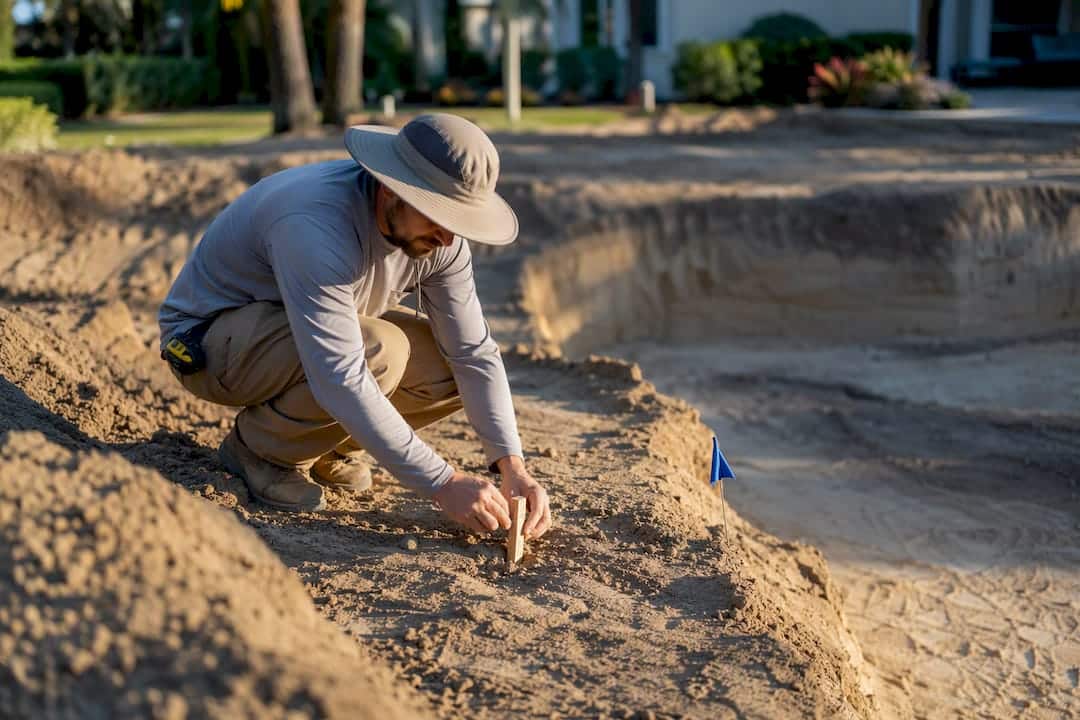
Most Orlando homeowners land between $49,271 and $101,328 for a new inground pool, with the typical project averaging around $70,961. Where you fall in that range comes down to three things: the shell material you pick, how big and loaded with features the pool is, and what your lot needs before anyone can even start digging. Read on for the breakdown that turns that range into a real number for your yard.
TL;DR:
- A typical Orlando inground pool costs around $70,961, with total expenses depending on shell material, size, features, and site preparations.
- Fiberglass pools involve lower maintenance and last 25 to 30 years, while vinyl liners require replacements every 7 to 10 years, and concrete pools offer extensive design flexibility at higher costs.
- Additional features like spas, waterfalls, and enclosures can add from a few thousand up to over $30,000 to the project, often requiring separate permits and inspections.
- The permitting process involves at least three permits, takes 3 to 5 months, and can be delayed by backlog, inspections, or HOA reviews, influencing overall timeline and budget.
- Financing options include home equity loans or HELOCs, with contractors billing in milestones, and it’s essential to request detailed, line-item bids to accurately compare costs.
Table of Contents
- How Much Does an Orlando Inground Pool Cost?
- Fiberglass, Vinyl, or Concrete: Which Costs Less Over Time?
- What Add-Ons Push the Price Up the Most?
- What Permits Does Orlando Require for a New Pool?
- How Long Does a Pool Project Take From Design to Final Inspection?
- How Should You Finance an Orlando Pool Project?
- What Should You Ask Before Hiring a Pool Contractor?
- Why Local Experience Changes Your Bottom Line
- How Do Florida Utility Rates Affect Your Pool’s Running Costs?
- Will Your HOA Affect Your Pool Design or Cost?
- Does Adding a Pool Raise Your Homeowner’s Insurance?
- Are There Tax Considerations for Adding a Pool in Orlando?
- What This Estimate Won’t Tell You Until You Get a Real Bid
- Get a Free Onsite Estimate From R & R Swimming Pools
- Sources
How Much Does an Orlando Inground Pool Cost?
Orlando pool pricing splits fairly cleanly into three tiers, and knowing which one you’re in changes how you plan the rest of the budget.
A low-end build usually means a smaller vinyl or fiberglass shell, a compact 10×20 footprint, basic broom-finish decking, and no add-ons beyond a safety fence. A mid-range project is where many Orlando homeowners actually land, covering a 15×30 gunite or fiberglass pool with pavered decking, a sun shelf, and maybe a heater. High-end custom builds bring a 20×40 or freeform gunite pool, an attached spa, water features, screen enclosure, and upgraded stone decking.
Cost per square foot in the Orlando market runs $50 to $150, with the low end reserved for smaller vinyl liner pools and the high end reflecting custom gunite shapes with extensive decking. A locally calibrated estimate from a Orlando-specific cost calculator puts a sample mid-size project around a realistic figure once materials, decking, and fencing are added together, which lines up well with the general local cost range above.
| Pool size | Typical square footage |
|---|---|
| 10×20 (small) | smaller than 500 sq ft |
| 15×30 (mid-size) | around 400 to 500 sq ft |
| 20×40 (large) | around 800 sq ft or more |
None of those numbers include what you’ll spend keeping the water clean once the pool is finished. Annual maintenance costs in Central Florida, including chemicals, filter cartridges, and periodic equipment service, add to the true lifetime cost, so budget for them similarly to other recurring household expenses.
Fiberglass, Vinyl, or Concrete: Which Costs Less Over Time?
The material you choose affects your invoice today and your maintenance bills for the next 20 years, and Orlando’s climate makes that gap bigger than in drier states.
Fiberglass shells run on the lower to middle end of installation cost and arrive pre-formed, which speeds up excavation in Orlando’s sandy soil. The gel coat surface resists algae far better than concrete, a real advantage given how aggressively Florida’s heat and humidity feed algae blooms. Fiberglass rarely needs resurfacing and typically lasts 25 to 30 years with minimal intervention.
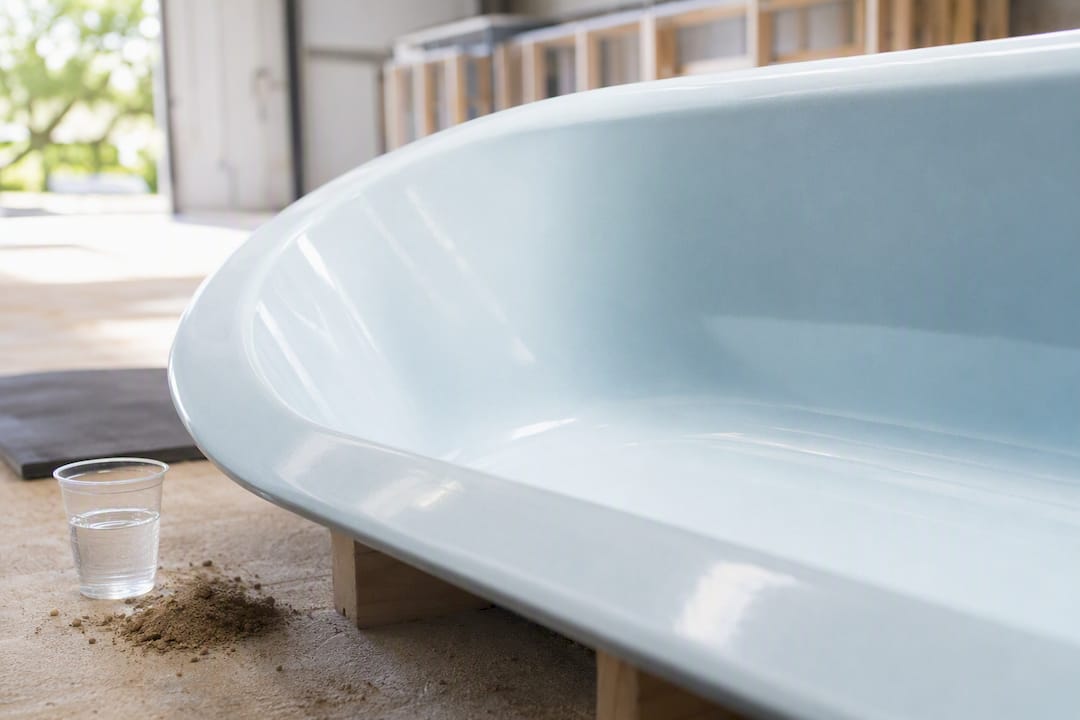
Vinyl liner pools have the lowest upfront cost of the three, but the liner itself needs replacing roughly every 7 to 10 years, and Florida’s UV exposure tends to push that timeline toward the shorter end.
Concrete/gunite pools cost the most to install and take the longest to build because the shell is poured and cured on-site, but they allow the most design freedom for freeform shapes, tanning ledges, and integrated spas. Gunite surfaces need resurfacing every 10 to 15 years and are more prone to algae staining in Central Florida’s climate, which means a more disciplined chemical routine.
- Fiberglass: moderate upfront cost, low maintenance, strong algae resistance, typically a multi-decade lifespan.
- Vinyl liner: lower upfront cost, liner replacement needed periodically, less customizable shape.
- Concrete/gunite: higher upfront cost, most design flexibility, resurfacing required periodically.
If you’re planning to stay in the home long-term, fiberglass often pays for its higher sticker price through lower chemical and resurfacing costs. Our expert guide to inground pools goes deeper on how each material handles Central Florida’s specific soil and water chemistry.
What Add-Ons Push the Price Up the Most?
Base pool pricing is only half the budget conversation. The features you layer on top can add anywhere from a few thousand dollars to well over $30,000, and some of them trigger their own permits.
- Spa/hot tub addition: a few thousand dollars to update depending on attachment and size.
- Waterfall or water feature: varying cost based on size and complexity.
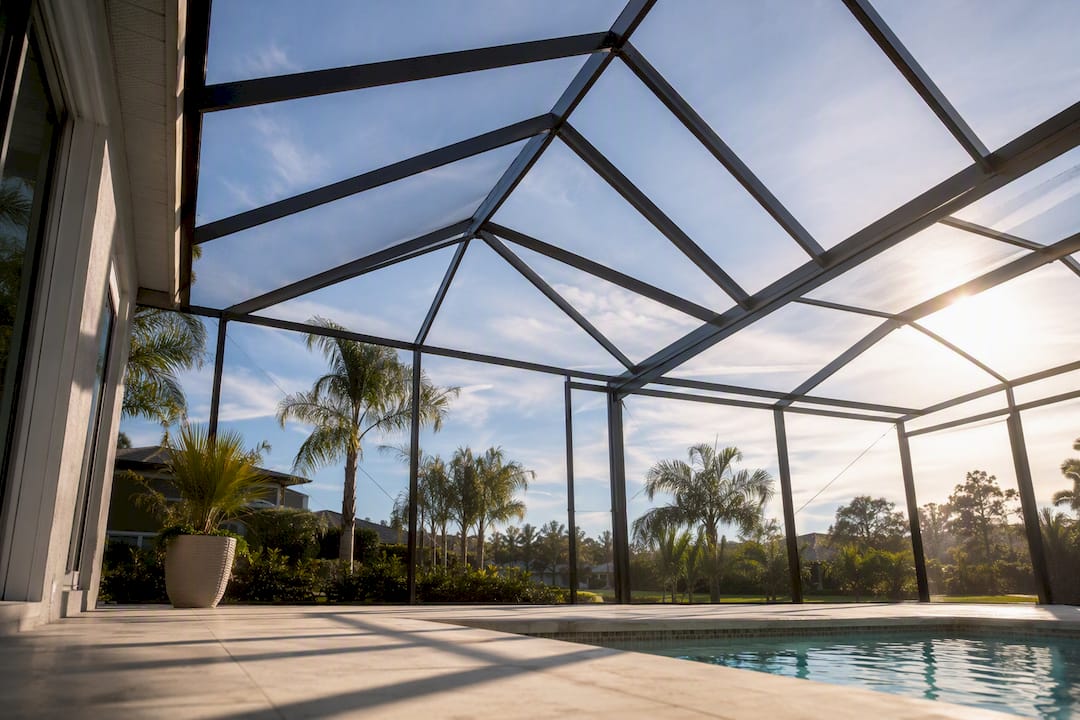
- Screen enclosure: often required for insect and debris control, with associated costs.
- Paver or travertine decking upgrade: more expensive than basic concrete decking.
- Pool heater (gas or heat pump): installation adds to overall cost.
- Fencing to meet safety code: required with cost depending on material and extent.
A base 15×30 gunite pool at $65,000 with a spa and paver decking added can easily land near $85,000 to $90,000 once labor and materials for both upgrades are folded in. A base 20×40 pool with a screen enclosure and waterfall feature can push past $110,000.
Gas heaters and screen enclosures require separate accessory permits and inspections beyond the core building permit, so factor that administrative step into your timeline and budget. Homeowners weighing a waterfall specifically should look at our breakdown of pool waterfall costs and rules in Central Florida before finalizing a design.
What Permits Does Orlando Require for a New Pool?
Every residential inground pool in Orlando needs, at minimum, three separate permits before a contractor can pour a single yard of gunite or drop in a fiberglass shell.
- Building permit (BLD): covers the pool shell, structure, and general construction.
- Electrical permit (ELE): covers pump wiring, lighting, and bonding required around the pool and any screen enclosure.
- Engineering permit (ENG): often generated internally during building permit review to verify structural design.
- Accessory permits as needed: separate filings for fences, screen enclosures, and gas piping for heaters, per the City of Orlando’s residential pool and spa permitting checklist.
A recorded Notice of Commencement is required before the first inspection on any job above the city’s cost threshold, per official Orlando building permit guidance. Skip it and you risk stalled inspections or payment disputes with your lender, since most construction loans require proof of a filed NOC before releasing draw funds.
Expect to submit a sealed site survey, a detailed pool layout, lot dimensions, easement information, and an impervious surface area calculation, all outlined in the city’s residential permitting requirements. Check the city’s site directly for current fee schedules, since permit costs shift periodically.
How Long Does a Pool Project Take From Design to Final Inspection?
A typical Orlando inground pool runs 3 to 5 months from signed contract to final inspection, though permitting delays and material lead times can stretch that further.
- Design and permit review: 3 to 6 weeks, depending on how quickly the city processes the BLD, ELE, and ENG permits.
- Excavation and shell installation: 1 to 3 weeks, faster for fiberglass, slower for poured gunite that needs curing time.
- Decking, plumbing, and equipment rough-in: 2 to 4 weeks.
- Finish work and final inspections: 2 to 3 weeks, including electrical bonding checks and fence/enclosure sign-off.
The biggest delays come from permit review backlogs, summer thunderstorm scheduling, and equipment lead times on heaters or specialty tile. Before the crew shows up, confirm utility locates are done, clear yard access for equipment, and set aside contingency funds. Change orders midway through excavation are one of the fastest ways a tight budget slips.
How Should You Finance an Orlando Pool Project?
Most Orlando homeowners pay with a home equity loan or HELOC, which typically carries the lowest interest rate since the pool becomes part of the home’s equity. Personal loans close faster but usually cost more in interest. Contractor financing can offer promotional terms, and cash buyers skip interest entirely but tie up liquidity.
Contractors typically bill in draws tied to milestones: a deposit at signing, a payment after excavation and shell installation, another at decking completion, and a final draw at inspection sign-off.
- Build a contingency of 10% to 20% into your budget for site surprises and change orders.
- Phase optional upgrades (spa, waterfall) into a later addition if the initial bid runs tight.
- Choose lower-cost decking or tile finishes first; those are the easiest line items to upgrade later without re-permitting the shell.
Pro Tip: Ask every contractor for a line-item bid, not a single lump-sum number. Comparing excavation, shell, equipment, and decking costs side by side is the only way to catch a lowball bid that’s missing scope.
R & R Swimming Pools outlines financing routes on our financing page if you want to see what structured payment options look like before committing to a contractor.
What Should You Ask Before Hiring a Pool Contractor?
A solid bid and a solid contractor look a specific way, and the gap between a good hire and an expensive mistake usually shows up in the details most homeowners forget to ask about.
- Confirm the contractor holds an active local license and carries liability and workers’ comp insurance.
- Ask who pulls the permits, contractor or homeowner, since that affects liability if inspections fail.
- Request at least three local references from jobs completed in the past two years.
- Get the warranty terms in writing, covering both the shell and the equipment separately.
- Insist on a detailed payment schedule tied to milestones, never a large upfront cash request.
Red flags include vague scopes of work, no written contract, and any contractor who resists breaking a bid into line items for excavation, shell, equipment, finish, decking, and permits. Get at least two written bids and compare them item by item, not just by the bottom-line total. A local option with experience in Central Florida tends to have permitting relationships and subcontractor networks that shorten the timeline and reduce the odds of a mid-project change order, as seen with One Day Doors & Closets of Central Florida.
Why Local Experience Changes Your Bottom Line
Operating in Central Florida since 1985, Randrswimmingpools has watched Orlando’s permitting process, soil conditions, and material costs shift across four decades. That kind of history matters because permitting delays and change orders are two of the biggest budget killers on any pool project, and both shrink dramatically when a contractor already knows what the city’s plan reviewers expect on the first submission.
Experience also means a builder has already priced out the recurring surprises: Florida’s sandy soil variability, HOA design review timelines, and the specific documentation the city’s engineering permit review requires. Our custom pool installation guide for Central Florida walks through the design process homeowners go through with our team before a shovel ever hits dirt.
How Do Florida Utility Rates Affect Your Pool’s Running Costs?
Running a pool pump and heater in Orlando costs more than in cooler climates simply because the season never really ends. Where northern pool owners shut equipment down for four or five months, Central Florida pools often run near year-round, which means the pump’s electricity draw shows up on every single monthly bill instead of half of them.
A standard single-speed pump run 8 hours a day adds a noticeable chunk to a monthly electric bill, while a variable-speed pump cuts that draw substantially by slowing down during off-peak hours. Given how long Orlando’s swim season runs, the upfront cost difference between a single-speed and variable-speed pump tends to pay for itself faster here than in a shorter-season market.
Gas heaters add a separate cost layer, since natural gas or propane usage climbs fast if you’re heating water through Central Florida’s cooler winter mornings. Heat pumps cost less to run day to day but heat more slowly, which matters if you’re the type who wants to swim on short notice. Solar pool covers are one of the cheapest ways to cut both heating costs and evaporation, since they trap heat overnight without touching the electric bill at all.
Screen enclosures also indirectly lower running costs by cutting evaporation and reducing debris that would otherwise force the filtration system to work harder.
Will Your HOA Affect Your Pool Design or Cost?
Most Orlando-area subdivisions have a homeowners association with its own architectural review committee, and that committee can add both time and cost to a pool project before the city ever sees a permit application.
HOAs commonly regulate fence height and material, screen enclosure visibility from the street, pool equipment placement, and sometimes even deck color or coping style to maintain a consistent neighborhood look. Some HOAs require a separate design approval submission with its own review timeline, often two to four weeks, that runs parallel to or even before the city permitting process starts.
Skipping HOA review isn’t a shortcut worth taking. Associations can require costly retrofits after the fact, and in some cases the covenants carry enforcement authority that goes beyond a simple fine. Before finalizing a design, pull your HOA’s covenants and architectural guidelines and confirm fence height, enclosure specs, and equipment screening requirements match what your contractor is planning to submit. Building that review into your timeline upfront, rather than discovering a conflict mid-permit, is one of the simplest ways to avoid a redesign that costs both time and money.
Does Adding a Pool Raise Your Homeowner’s Insurance?
Adding an inground pool almost always increases your homeowner’s insurance premium, mainly because insurers classify a pool as an added liability exposure, not just a property value increase.
Expect your insurer to ask about fencing, self-latching gates, and whether the pool is enclosed, since all three affect the liability risk they’re underwriting. A pool without a compliant safety barrier can trigger a higher premium or, in some cases, a request for additional liability coverage before the policy renews. Many Orlando homeowners add an umbrella liability policy alongside their standard homeowner’s coverage specifically because a backyard pool raises the stakes of an accidental injury claim.
Notify your insurance carrier before construction starts, not after. Some policies require documentation of the permit and final inspection sign-off to keep the pool covered under the policy, and a pool built without pulling proper permits can create a coverage gap you won’t discover until you actually need to file a claim.
Are There Tax Considerations for Adding a Pool in Orlando?
A new inground pool increases your home’s assessed value, which means a corresponding increase in property taxes once the county property appraiser reflects the improvement, typically the year after construction is completed and permitted.
There’s no broad state or federal tax credit for installing a standard residential pool in Florida, since pools are generally treated as a personal property improvement rather than an energy-efficiency upgrade. The one narrow exception worth checking is whether specific energy-efficient equipment, like a solar pool heater, qualifies for a federal residential energy credit; the rules and eligible equipment change periodically, so confirm current eligibility with a tax professional before assuming a credit applies.
Keep every permit, invoice, and contractor receipt from the project. If you ever sell the home, documented capital improvements like a permitted pool can be added to your cost basis, which reduces the taxable gain on the sale. That paperwork is also exactly what your county will want on file if the assessed value increase ever gets challenged or reviewed.
What This Estimate Won’t Tell You Until You Get a Real Bid
Every cost range in this article, including the city’s own figures, describes an average project, not your specific lot. The single biggest variable no online calculator can capture is what’s actually under your yard. Sandy soil in one Orlando neighborhood might excavate cleanly in two days, while a lot two miles away with a high water table or buried irrigation lines can add thousands in unplanned site work.
The conventional advice to “budget the average and add 10%” undersells how much permitting timelines vary block to block, since HOA review speed and the city’s current permit backlog both swing wildly depending on when you apply. What the research actually supports is this: get the city’s permitting checklist and your HOA’s covenants in hand before you request bids, not after. Homeowners who walk into contractor meetings already knowing their documentation requirements get more accurate, more comparable bids, and they catch scope gaps before signing anything.
Prioritize a written, line-itemized bid over a low headline number every time. The contractor who breaks out excavation, shell, permits, and decking separately is telling you more about what your real cost will be than the one who just quotes a round number.
— Results
Get a Free Onsite Estimate From R & R Swimming Pools
If you’ve made it this far, you have a realistic range in mind and a decent sense of what drives your number up or down. The next step is turning that range into an actual figure for your lot, and that only happens with a site visit.
Experienced local pool builders have estimates that account for permitting quirks and soil conditions national cost calculators can’t see. A free onsite estimate includes a walkthrough of your yard, a preliminary budget range based on your site conditions and design preferences, and a plain-language overview of what permits your project will need before we ever ask for a signature. Start with our step-by-step inground pool installation guide to see how the process runs from first consultation to final inspection, then reach out to schedule your free onsite visit and get a number that actually reflects your backyard.
Sources
- Residential Swimming Pool and Spa Checklist – City of Orlando
- Pool Statistics for Orlando: Costs & Property Value (2026)
- Pool Cost Orlando 2026 | CalcFi