
TL;DR:
- Pool heating in Central Florida extends swimming seasons and increases home value.
- Heat pumps are popular for efficiency, gas heaters for speed, and solar for low operating costs.
- Proper heating systems boost enjoyment, household activity, and make pools more appealing to buyers.
Central Florida’s sunshine is legendary, but that reputation can mislead even experienced homeowners. Pool temperatures regularly drop into the low 60s°F during fall and winter evenings, and occasional cold snaps push them even lower. Without a heating system, your pool sits unused for months out of every year. That’s a significant loss of enjoyment from one of your home’s biggest investments. This guide walks you through why pool heating makes financial and lifestyle sense, how the main system types compare, what realistic costs look like, and how a heated pool can actually increase your home’s value.
Table of Contents
- Why pool heating matters in Central Florida
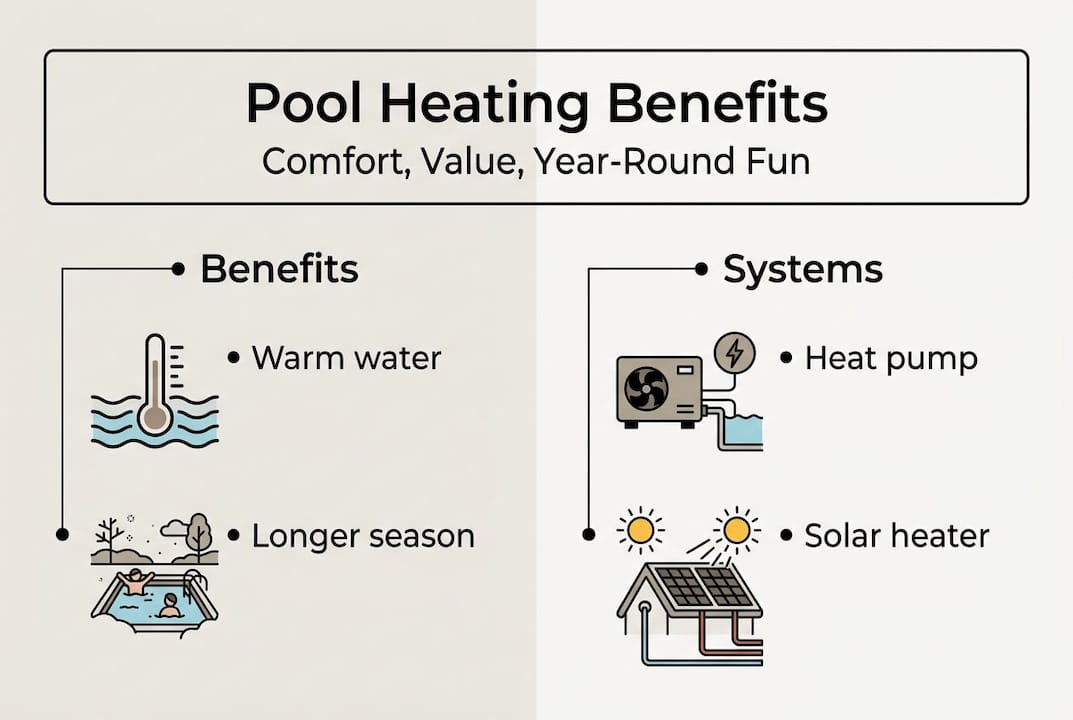
- Comparing types of pool heating systems
- Cost, energy, and maintenance: What to expect
- How pool heating increases home value and enjoyment
- Our take: Why pool heating is the Central Florida advantage most homeowners miss
- Ready to enjoy your pool year-round? Next steps
- Frequently asked questions
Key Takeaways
| Point | Details |
|---|---|
| Warmer pools, more fun | Heating your pool increases comfort and extends your swim season in Central Florida. |
| Choose the right system | Gas, heat pump, and solar options each have unique pros and cons for cost and performance. |
| Manageable costs | Energy-efficient systems and smart practices keep monthly expenses reasonable. |
| Home value boost | A heated pool can make your home more attractive for both living and future resale. |
Why pool heating matters in Central Florida
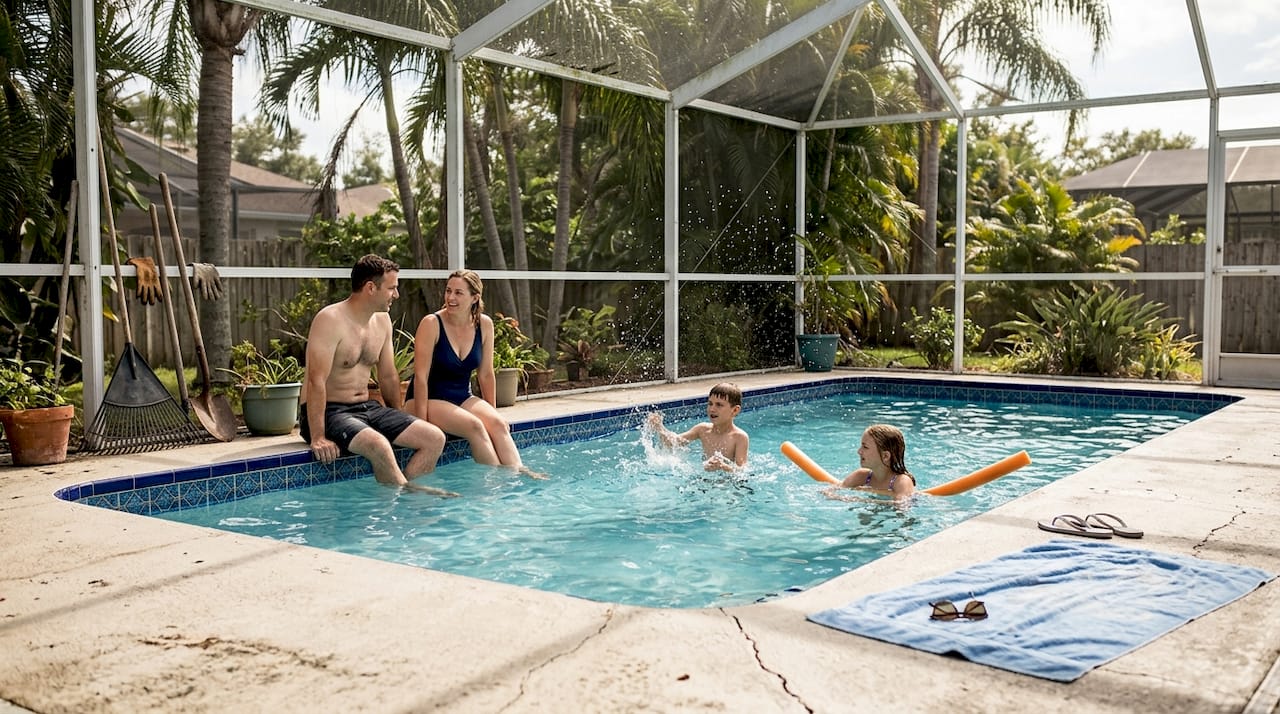
Many homeowners move to Central Florida expecting their pool to be swim-ready 365 days a year. The reality is a little different. From November through March, water temperatures can dip into the low 60s or even the upper 50s°F, especially after a cold front moves through. Most adults find anything below 78°F uncomfortable for extended swimming, and children are even more sensitive to cool water. So without heating, your pool is essentially off-limits for a good chunk of the year.
There’s a persistent myth that Florida pools don’t need heat. It’s understandable. The state’s warm reputation makes heating feel unnecessary, maybe even excessive. But that thinking costs homeowners real enjoyment. Evening swims, early morning laps, and winter pool parties all become uncomfortable without a reliable heating system. The benefits of backyard pools multiply significantly when the water is always at the right temperature.
Here’s what a heated pool actually gives you:
- Comfort year-round: Swim when you want, not just when the weather cooperates
- More family time: Kids and grandkids will actually use the pool in cooler months
- Health and fitness: Consistent water temperature supports regular exercise routines
- Social flexibility: Host pool gatherings from September through April without worrying about cold water
- Higher perceived value: A heated pool signals a well-maintained, premium property
One important note: heat pumps can become inefficient below 50°F, which covers rare cold snaps in Central Florida. In those cases, a gas hybrid setup handles the gap. Solar systems are weather-dependent and need an unshaded roof to perform consistently. Choosing the right system matters.
Thinking about pool heating as a seasonal upgrade undersells it. The real value is measured in years of consistent use, not just a few extra weeks of swimming.
Pro Tip: Add up how many months per year your pool currently sits unused. Multiply that by the number of people in your household who would swim more often with warmer water. That number tells you exactly how much enjoyment you’re leaving on the table. Pairing heating with energy efficient pool options can make the whole system even more cost-effective.
Comparing types of pool heating systems
Once you decide that heating your pool makes sense, the next question is which system fits your home, your budget, and Central Florida’s specific climate. There are three main options: gas heaters, heat pumps, and solar systems. Each has a distinct profile.
| Feature | Gas heater | Heat pump | Solar system |
|---|---|---|---|
| Heating speed | Fastest (1-2°F/hr) | Moderate | Slowest |
| Monthly operating cost | $200-600 | $50-150 | Near zero |
| Upfront cost | Low to moderate | Moderate to high | Moderate to high |
| Best use case | On-demand, cold snaps | Daily use, mild climate | Warm, sunny conditions |
| Maintenance needs | Moderate | Low | Low |
| Climate sensitivity | None | Below 50°F loses efficiency | Weather and roof dependent |
Gas heaters are the speed champions. They heat water at 1-2°F per hour using a 400,000 BTU unit, making them ideal when you want the pool ready fast or need to handle an unexpected cold snap. The trade-off is cost. Operating expenses run $200 to $600 per month, which adds up quickly if you run the heater constantly.
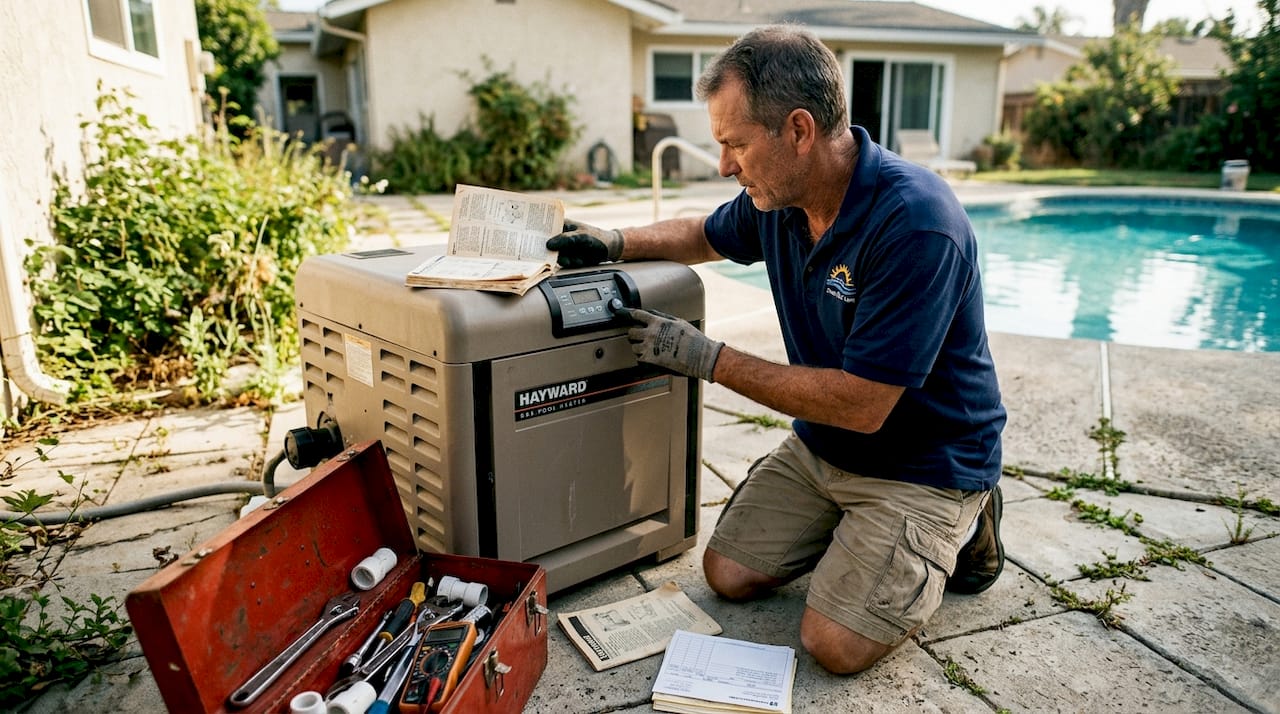
Heat pumps are the workhorses of pool heating in Florida. They pull warmth from the surrounding air and transfer it to the water, which makes them highly efficient under normal conditions. Operating costs are a fraction of gas. The limitation is that heat pumps lose efficiency below 50°F, though that temperature is rare in Central Florida. For most homeowners, a heat pump covers the majority of the heating season beautifully.
Solar systems have the lowest long-term operating costs, but they depend on consistent sunshine and a suitable, unshaded roof. They’re a strong fit for homes with good southern roof exposure and work best as a primary system in warm months or as a supplement to another heater.
Here’s a simple process for choosing the right system:
- Decide how often you want to use the pool and how quickly you need it heated
- Assess your roof for solar panel placement and sun exposure
- Review your monthly budget for operating costs
- Consider a hybrid approach if you want efficiency plus on-demand backup
- Talk to a local installer familiar with Central Florida’s climate patterns
Pro Tip: Pairing a heat pump with a quality pool cover is often the most energy-efficient pool tip you can act on immediately. The cover retains heat overnight and cuts operating costs significantly.
Cost, energy, and maintenance: What to expect
One of the biggest concerns homeowners have about pool heating is ongoing expense. The good news is that with the right system and smart habits, costs are very manageable. Here’s a realistic breakdown of what each system type costs to run monthly in Central Florida.
| System type | Estimated monthly cost | Key cost driver |
|---|---|---|
| Gas heater | $200-600 | Fuel consumption |
| Heat pump | $50-150 | Electricity usage |
| Solar | $5-20 (maintenance) | Minimal energy use |
These numbers vary based on pool size, how often you heat it, and your target temperature. A larger pool or higher target temperature will push costs toward the upper end. Gas heaters carry the highest operating costs at $200 to $600 per month, while heat pumps and solar options are considerably more economical over time.
Here are the most effective ways to reduce your heating costs:
- Use a pool cover: This single step can cut heat loss by up to 70% overnight
- Set a consistent temperature: Heating from cold repeatedly uses more energy than maintaining a steady temp
- Schedule heating during off-peak hours: Electricity rates are often lower at night
- Keep the system well-maintained: Dirty filters and worn components force the system to work harder
- Use a timer or smart controller: Automate heating so you’re not paying to heat an empty pool
Maintenance is straightforward for all three system types. Heat pumps and solar panels need annual inspections and occasional cleaning. Gas heaters benefit from a seasonal check of burners, heat exchangers, and pressure. Staying on top of routine care extends equipment life and keeps efficiency high. Explore pool upgrades to save energy and energy efficient pools for more ideas on reducing your overall pool operating costs.
Pro Tip: To forecast your costs, multiply your pool’s volume in gallons by the temperature rise you need, then factor in your heater’s efficiency rating. Most pool professionals can run this calculation for you in minutes, giving you a personalized monthly estimate before you commit.
How pool heating increases home value and enjoyment
The financial case for pool heating isn’t just about what you spend. It’s also about what you gain, both in daily quality of life and in long-term property value. A heated pool is a fundamentally different asset than an unheated one.
From a home value perspective, a heated pool offers:
- Year-round marketability: Buyers in Central Florida actively look for pools they can use in any season
- Perceived luxury: Heating signals a premium, well-equipped property
- Competitive edge: In a neighborhood where most pools are unheated, yours stands out
- Faster sale potential: Move-in-ready features, including pool heating, reduce buyer hesitation
- Broader buyer appeal: Families, retirees, and fitness-focused buyers all prioritize usable pools
Beyond resale, the lifestyle benefits are immediate. Families swim more often, which means more time together outside. Regular swimming supports cardiovascular health, joint mobility, and stress reduction. Entertaining becomes easier when you’re not at the mercy of weather. Evening swims become a regular habit rather than a rare treat.
Heated pools extend use and increase enjoyment and functionality for families in ways that unheated pools simply can’t match.
Local real estate professionals in Central Florida consistently note that pools with heating and automation features attract more interest and command stronger offers. It’s not just about the pool itself but about the lifestyle it represents. Reviewing ways to increase pool value and pool remodeling benefits can help you see the full picture of what strategic upgrades do for your property.
The bottom line is simple. A heated pool gets used. An unheated pool in Central Florida gets avoided for months at a time. That difference in usage translates directly into value, both personal and financial.
Our take: Why pool heating is the Central Florida advantage most homeowners miss
After working with homeowners across Central Florida since 1985, we’ve noticed a pattern. The people who hesitate on pool heating often do so because they assume Florida’s climate makes it unnecessary. But the homeowners who invest in heating almost never regret it. What they regret is waiting.
Pool heating in Florida isn’t about surviving brutal winters. It’s about maximizing one of the most valuable features your home has. A pool that’s comfortable in October, February, and April gets used far more than one that’s only pleasant in July. That increased use compounds over time into more family memories, better health habits, and a more attractive property.
We also think most guides underestimate the social dimension. A heated pool becomes a gathering place. Friends and family visit more. Holidays and weekends take on a different character. That’s harder to put a dollar figure on, but it’s real. Understanding why building a pool in Central Florida pays off goes hand in hand with understanding why heating that pool is the natural next step.
The most common regret we hear? Not heating the pool sooner.
Ready to enjoy your pool year-round? Next steps
If this guide has helped you see pool heating as a practical, valuable upgrade rather than an optional luxury, you’re already ahead of most homeowners in Central Florida. The next step is getting the right information for your specific pool, home, and budget.
At R&R Swimming Pools, we’ve been helping Central Florida families get more from their pools since 1985. Whether you’re starting fresh or upgrading an existing pool, our inground pool installation guide is a great place to start. We also offer flexible pool financing options to make upgrades more accessible, and our Pool School resource gives you ongoing guidance for getting the most out of your investment. Reach out for a free consultation and let’s talk about what year-round pool enjoyment looks like for your home.
Frequently asked questions
How much does it cost to heat a pool in Central Florida?
Monthly heating costs range from $200-600 for gas heaters, while heat pumps typically run $50-150 and solar systems cost very little to operate after installation.
Can pool heating really extend my swim season?
Heated pools extend use by several months per year, making evening swims and cool-weather gatherings comfortable and practical for Central Florida families.
Is solar pool heating effective in Central Florida?
Solar heating works well in Central Florida’s sunny climate, but it requires an unshaded roof and sunny weather to perform consistently, making it a strong option for homes with good southern exposure.
What pool heating system is most energy-efficient?
Heat pumps and solar systems are the most energy-efficient choices for Central Florida homeowners, with heat pumps losing efficiency below 50°F and solar depending on roof conditions and weather.
Recommended
- 6 Effective Ways to Increase Pool Value for Homeowners
- Energy Efficient Pools Cut Central Florida Costs 60% in 2026
- 7 Important Pool Remodeling Benefits for Homeowners
- Upgrading an Old Pool: Value, Safety, Comfort
- Why upgrade your HVAC system? Enhance comfort and efficiency
- Is a Tankless Water Heater Worth It in the GTA? (Honest Cost-Benefit Analysis) | Proper Plumbing GTA Blog
