
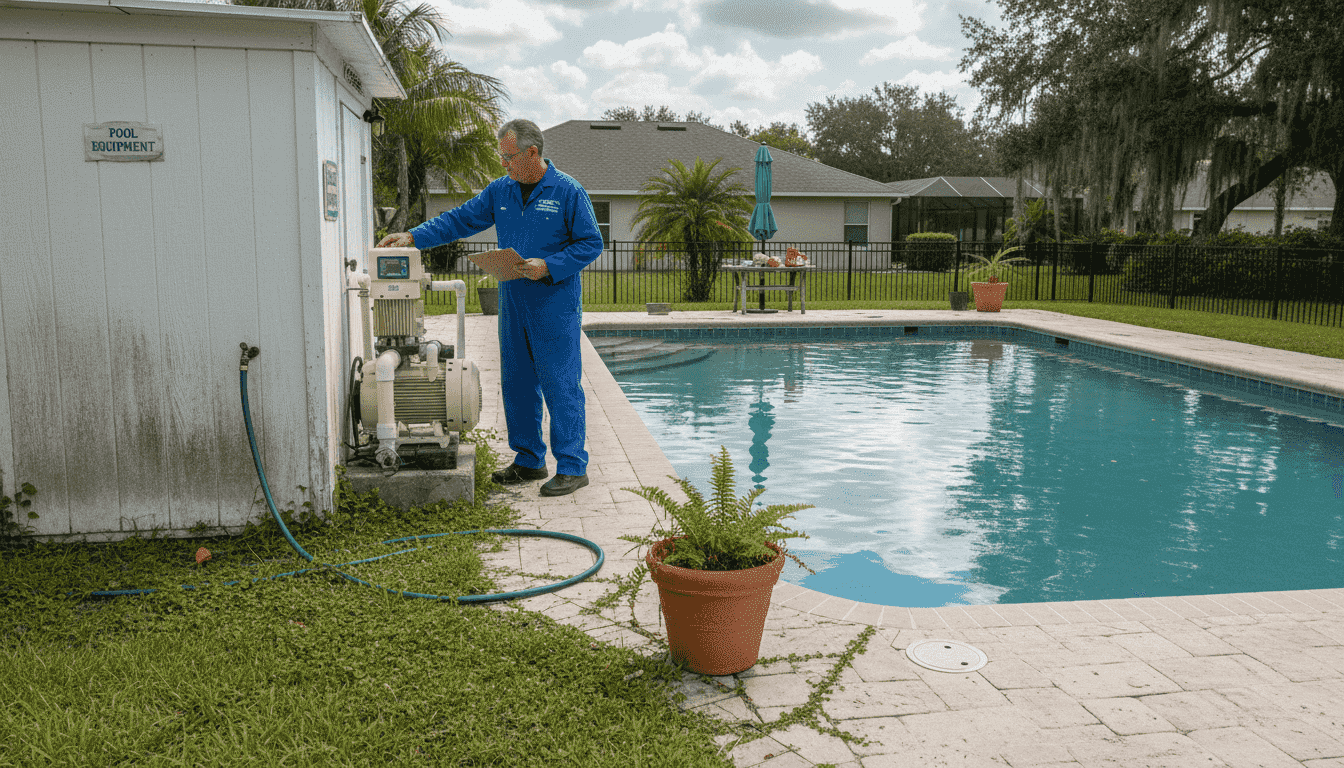
Pools can consume up to 70% of the energy used by outdoor amenities in Central Florida homes, creating substantial utility bills that challenge even luxury homeowners. High electricity rates and year-round swimming seasons compound these costs, making energy efficiency a priority rather than an option. This guide reveals proven technologies and strategies that reduce pool energy consumption by up to 90% while maintaining the upscale outdoor living experience you deserve.
Table of Contents
- Why Energy Efficiency Matters In Central Florida Pools
- Energy-Efficient Pool Technologies And Their Mechanisms
- Common Misconceptions About Pool Energy Efficiency
- Integration Of Energy-Efficient Features With Luxury Pool Elements
- Maintenance Practices To Maximize Energy Savings
- Decision-Making Framework For Energy-Efficient Pool Investments
- Discover Energy-Efficient Luxury Pools With R & R Swimming Pools
Key Takeaways
| Point | Details |
|——-|———||
| Variable-speed pumps | Reduce pool energy use by up to 90% compared to traditional single-speed pumps. |
| Solar heating systems | Cut heating costs by 50% to 80% using Central Florida’s abundant sunshine. |
| Thermal pool covers | Prevent 30% to 50% of heat loss through evaporation, saving energy and water. |
| Smart automation | Combines luxury convenience with up to 30% energy savings through optimized scheduling. |
| Investment payback | Energy-efficient upgrades typically repay themselves within 3 to 5 years through reduced utility bills. |
Why Energy Efficiency Matters in Central Florida Pools
Central Florida homeowners face unique challenges when balancing luxury pool ownership with operational costs. Pools contribute 50% to 70% of outdoor amenity energy consumption in this region, making them the largest energy user in your outdoor space. The combination of high electricity rates and the ability to swim year-round creates monthly utility bills that can reach hundreds of dollars.
Environmental concerns add another layer to this issue. Every kilowatt hour your pool consumes translates to carbon emissions from power plants, contributing to the climate challenges affecting our coastal communities. Homeowners increasingly seek ways to reduce their environmental footprint without sacrificing the luxury outdoor living experience that makes pool ownership worthwhile.
Understanding where your pool uses energy is the first step toward meaningful savings. The primary culprits include:
- Pump operation for water circulation and filtration
- Heating water to comfortable swimming temperatures
- Pool lighting for evening ambiance and safety
- Automated cleaning systems and water features
Each of these areas offers opportunities for significant energy reduction through modern technology. The key is identifying which upgrades deliver the best return on investment for your specific situation and lifestyle needs.
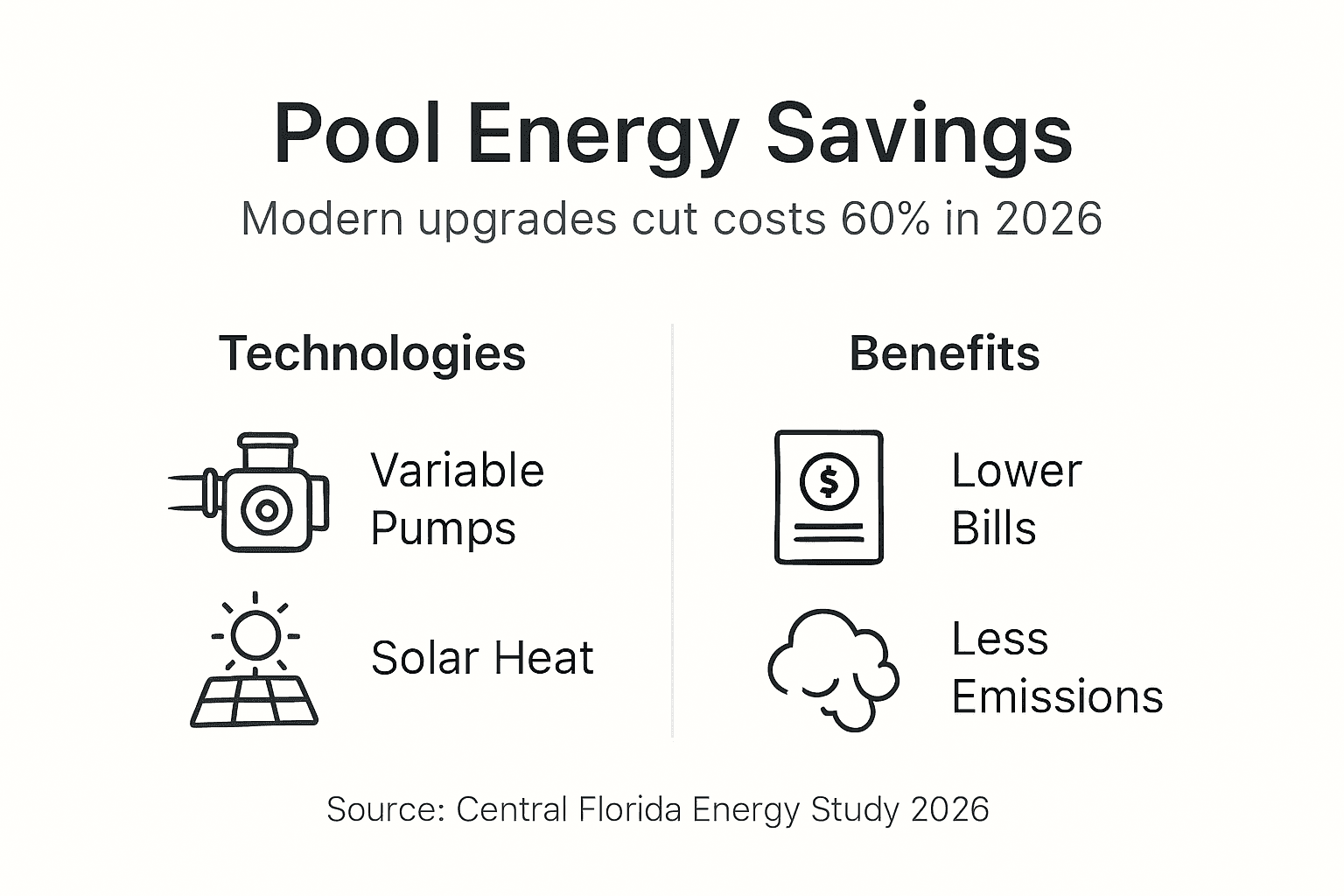
Pro Tip: Track your pool’s monthly energy consumption separately by noting your meter reading before and after pump cycles to establish a baseline before implementing efficiency upgrades.
Energy-Efficient Pool Technologies and Their Mechanisms
Variable-speed pumps represent the single most impactful upgrade you can make. Unlike traditional single-speed pumps that run at full power regardless of need, variable-speed models adjust motor speed to match current demands. This flexibility reduces energy consumption by up to 90%, often paying for themselves within two years through utility savings alone.
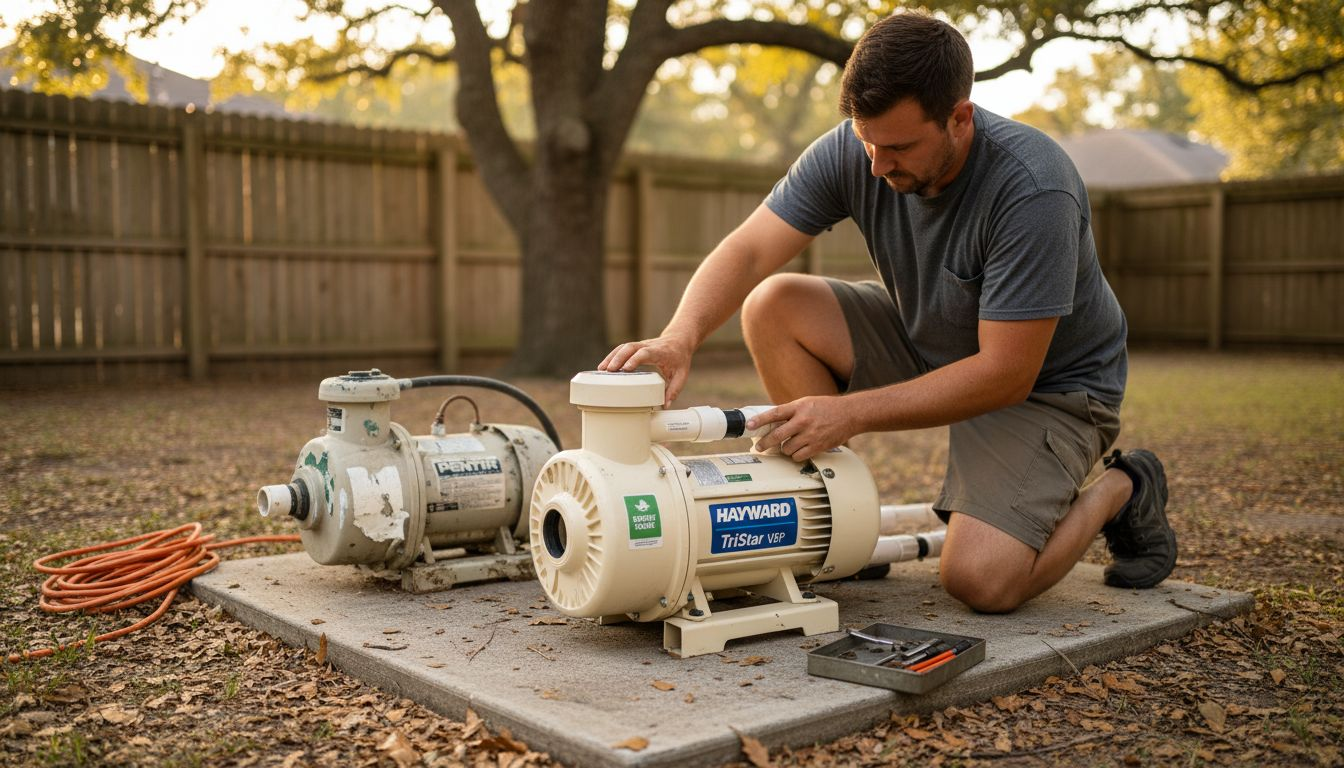
Solar heating systems harness Central Florida’s abundant sunshine to warm pool water naturally. These systems circulate water through solar collectors mounted on your roof or nearby ground space, heating the water before returning it to the pool. The result is a 50% to 80% reduction in heating costs compared to electric or gas heaters, with the added benefit of extending your comfortable swimming season.
Thermal pool covers work by preventing heat loss through evaporation, which accounts for most energy waste in uncovered pools. Thermal pool covers reduce evaporation heat loss by 30% to 50%, significantly cutting the energy needed to maintain comfortable water temperatures. They also reduce water evaporation, chemical use, and debris accumulation.
| Technology | Energy Savings | Typical Cost | Annual Savings |
|---|---|---|---|
| Variable-speed pump | 70% to 90% | $1,200 to $2,500 | $500 to $800 |
| Solar heating | 50% to 80% | $3,000 to $7,000 | $400 to $1,000 |
| Thermal cover | 30% to 50% | $400 to $1,500 | $200 to $400 |
| LED lighting | 75% to 85% | $300 to $800 | $100 to $200 |
Integrating these energy-efficient pool technologies creates compound savings that dramatically reduce your total energy consumption. Consider how pool enclosures can further enhance thermal efficiency by reducing wind-driven evaporation and heat loss.
Pro Tip: Running your variable-speed pump on lower speeds for longer periods provides better filtration while using less energy than short bursts at high speed.
Common Misconceptions about Pool Energy Efficiency
Many homeowners avoid energy-efficient upgrades based on outdated information or misleading assumptions. Let’s address the most common myths preventing you from achieving meaningful savings.
- Heating a pool always means huge energy bills. While traditional electric and gas heaters consume substantial energy, solar systems and heat pumps dramatically reduce costs. Solar heating leverages free sunshine, while modern heat pumps move heat rather than generate it, cutting heating expenses by 50% to 80% compared to resistance heaters.
- Pool covers don’t save much energy. Data proves otherwise. Covers prevent the majority of heat loss in pools by blocking evaporation, which carries away vast amounts of thermal energy. Consistent cover use saves more energy than any single equipment upgrade except variable-speed pumps.
- Energy-efficient upgrades aren’t worth the upfront expense. Energy-efficient upgrades cost more upfront but typically pay back in 3 to 5 years through reduced utility bills. After payback, you enjoy pure savings for the equipment’s remaining lifespan, often 10 to 15 additional years.
Energy-efficient pool equipment delivers compound savings over time. A variable-speed pump saving $600 annually returns $6,000 over a decade, while solar heating can save $10,000 or more over 15 years. These savings continue accumulating long after the initial investment is recovered.
The real question isn’t whether you can afford energy-efficient upgrades. It’s whether you can afford to keep wasting money on outdated, inefficient equipment that inflates your utility bills month after month.
Integration of Energy-Efficient Features with Luxury Pool Elements
Energy efficiency and luxury are not opposing concepts. Modern technology allows you to enjoy sophisticated pool features while dramatically reducing energy consumption. Smart automated controls exemplify this synergy perfectly.
Smart automation systems manage pumps, heaters, lighting, and cleaning equipment based on schedules, weather conditions, and usage patterns. You control everything from your smartphone while the system optimizes energy use in the background. This convenience saves up to 30% on energy costs by running equipment only when needed at optimal efficiency levels.
LED pool lighting transforms nighttime ambiance while consuming 75% to 85% less energy than incandescent bulbs. Modern LED systems offer millions of color combinations, programmable light shows, and integration with music systems. You gain enhanced luxury while slashing lighting costs to negligible levels.
| Heating Option | Efficiency | Luxury Features | Operating Cost |
|---|---|---|---|
| Solar heating | High | Eco-friendly, silent operation | Very Low |
| Variable-speed pumps | Very High | Quiet operation, customizable flow | Very Low |
| Heat pumps | High | Consistent heating, automated | Low to Medium |
| Gas heaters | Low | Rapid heating on demand | High |
Energy-efficient technology supports luxury water features like waterfalls, fountains, and spillover spas without energy penalties. Variable-speed pumps provide the precise flow rates these features require while consuming minimal power. Strategic design places luxury pool features to maximize visual impact and minimize operational complexity.
Pro Tip: Install separate low-speed pump circuits for water features so they can operate independently from main filtration, allowing you to enjoy ambiance without running the entire system at high speed.
Planning custom luxury pool features alongside energy systems from the start ensures seamless integration and optimal performance for both aesthetics and efficiency.
Maintenance Practices to Maximize Energy Savings
Even the most efficient equipment wastes energy when poorly maintained. Regular upkeep preserves performance and prevents gradual efficiency degradation that inflates costs over time.
- Clean filters regularly. Dirty filters force pumps to work harder, wasting up to 15% more energy. Check pressure gauges weekly and clean or backwash filters when pressure rises 8 to 10 PSI above baseline readings.
- Inspect for leaks monthly. Water leaks force heaters and pumps to work overtime replacing lost water and heat. Walk your pool perimeter checking for wet spots, listen for running water when equipment is off, and monitor water levels for unusual drops.
- Service equipment annually. Professional inspections catch worn bearings, failing seals, and calibration issues before they cause efficiency losses or equipment failure. Annual service extends equipment lifespan while maintaining peak performance.
- Monitor chemical balance weekly. Proper chemistry prevents scale buildup on heating elements and in plumbing, which acts as insulation reducing heat transfer efficiency. Balanced water also protects equipment from corrosion that degrades performance.
- Trim vegetation around equipment. Adequate airflow around pumps and heaters prevents overheating and ensures efficient operation. Maintain at least two feet of clearance on all sides of mechanical equipment.
Integrate these tasks into your smart pool maintenance routine using calendar reminders or automated monitoring systems that alert you when maintenance is due.
Pro Tip: Use smart pool monitors that track water chemistry, temperature, and equipment runtime to identify efficiency problems before they significantly impact your energy bills.
Decision-Making Framework for Energy-Efficient Pool Investments
Choosing the right energy-efficient upgrades requires balancing upfront costs, long-term savings, and lifestyle preferences. This framework helps you make informed decisions aligned with your goals.
Upfront energy-efficient equipment typically costs 20% to 30% more than standard alternatives, but this premium repays itself within 3 to 5 years through lower utility bills. After payback, you enjoy pure savings for the equipment’s remaining lifespan. Fiberglass pools reduce heating energy use 10% to 15% compared to concrete due to superior insulation properties and smoother surfaces that require less pump power for circulation.
Consider these factors when evaluating upgrades:
- Current monthly energy costs and potential savings percentages
- Available rebates from utilities or government programs
- Compatibility with existing equipment and pool design
- Required maintenance and long-term durability
- Impact on luxury features and outdoor living experience
| Investment | Upfront Cost | Payback Period | Annual Savings | Luxury Impact |
|---|---|---|---|---|
| Variable-speed pump | $1,200 to $2,500 | 2 to 3 years | $500 to $800 | Quieter operation |
| Solar heating | $3,000 to $7,000 | 4 to 7 years | $400 to $1,000 | Extended season |
| Thermal cover | $400 to $1,500 | 1 to 3 years | $200 to $400 | Cleaner water |
| Smart automation | $1,500 to $3,500 | 3 to 5 years | $300 to $700 | Enhanced control |
Use this energy-efficient pool investment checklist to evaluate your current setup and identify the highest-impact upgrades for your situation. If upgrading an older pool, prioritize variable-speed pumps and covers as foundation improvements before adding solar or advanced automation.
Long-term property value considerations matter too. Energy-efficient pools appeal to environmentally conscious buyers and reduce perceived ownership costs, potentially increasing resale value. The benefits of energy-efficient pools extend beyond monthly savings to encompass sustainability, comfort, and property marketability.
Discover Energy-Efficient Luxury Pools with R & R Swimming Pools
Transforming your pool into an energy-efficient luxury retreat requires expertise in both cutting-edge technology and sophisticated design. R & R Swimming Pools has specialized in creating custom energy-efficient pools for Central Florida homeowners since 1985, combining decades of experience with the latest innovations in sustainable pool construction.
We guide you through every decision, from selecting the right combination of energy-saving equipment to integrating luxury features that enhance your outdoor living space. Our expert inground pool installation guide walks you through the process, while our custom pool installation services ensure your vision becomes reality with precision craftsmanship. Discover the advantages of inground pools designed for both performance and sustainability, perfectly suited to Central Florida’s unique climate and your lifestyle aspirations.
Frequently Asked Questions
What is the average payback period for energy-efficient pool upgrades?
Most energy-efficient upgrades pay for themselves within 3 to 5 years through reduced utility bills. Variable-speed pumps often achieve payback in just 2 to 3 years due to dramatic energy savings, while solar heating systems take 4 to 7 years depending on your current heating costs and system size.
Can I retrofit my existing pool to be more energy efficient?
Yes, virtually any pool can be upgraded with energy-efficient equipment regardless of age or construction type. Variable-speed pumps, LED lighting, and thermal covers install on existing pools with minimal modifications. Solar heating may require roof space or yard area for collectors but integrates with existing plumbing systems.
How much can I expect to reduce my pool heating costs with solar?
Solar heating systems typically reduce heating costs by 50% to 80% compared to electric or gas heaters in Central Florida. Actual savings depend on your pool size, desired temperature, and how much you currently spend on heating. Many homeowners eliminate heating costs entirely during peak sunshine months.
Are variable-speed pumps compatible with luxury pool features?
Variable-speed pumps excel at supporting luxury features by providing precise flow control for waterfalls, fountains, and spillover spas. You can program different speeds for different features, running water effects at optimal flow rates while using minimal energy. This flexibility actually enhances luxury feature performance compared to single-speed pumps.
What routine maintenance is essential to keep my pool energy efficient?
Clean filters every 2 to 4 weeks to prevent energy waste from pump strain. Check for leaks monthly and maintain proper water chemistry weekly to protect equipment efficiency. Schedule annual professional inspections to catch issues before they degrade performance. These simple practices preserve the energy savings your upgrades deliver.
