
TL;DR:
- Choosing the right pool size depends on your yard space, intended use, and long-term maintenance costs.
- Proper planning ensures you build a pool that fits your lifestyle and yard, avoiding costly future modifications.
Pool size selection factors define the balance between backyard functionality, long-term enjoyment, and what you actually spend each month to keep the water clean. The most common residential pool sizes range from 14×28 feet to 16×32 feet, giving you 392 to 512 square feet of surface area. That range accommodates 4 to 8 swimmers comfortably. Getting the size right from the start saves you from costly regrets, because expanding a pool after installation is rarely practical or affordable.
1. How available backyard space shapes your pool size decision
Your usable yard area is the first and most rigid constraint in choosing pool size. The pool footprint alone does not tell the full story. You need room for decking, equipment, and safe movement around the water.
Industry guidance recommends that your total lot size be 1.5 to 2 times the pool footprint to accommodate decking, maintenance access, and landscaping. That means a 16×32 foot pool needs roughly 768 to 1,024 square feet of surrounding usable space. Skipping this math leads to a pool that crowds the yard and leaves no room to relax outside the water.
Local codes add another layer. Municipal setback requirements typically place pools 3 to 10 feet from property lines and 3 to 15 feet from structures like your home or fence. These rules vary by city and county, so checking with your local building department before finalizing dimensions is non-negotiable.
Key space planning steps:
- Measure your usable yard dimensions, excluding garden beds, trees, and utility easements.
- Add a minimum 6-foot perimeter clearance around the pool for decking and safety.
- Confirm setback distances with your local municipality before committing to a design.
- Account for equipment pads, which typically need 4 to 6 feet of dedicated space.
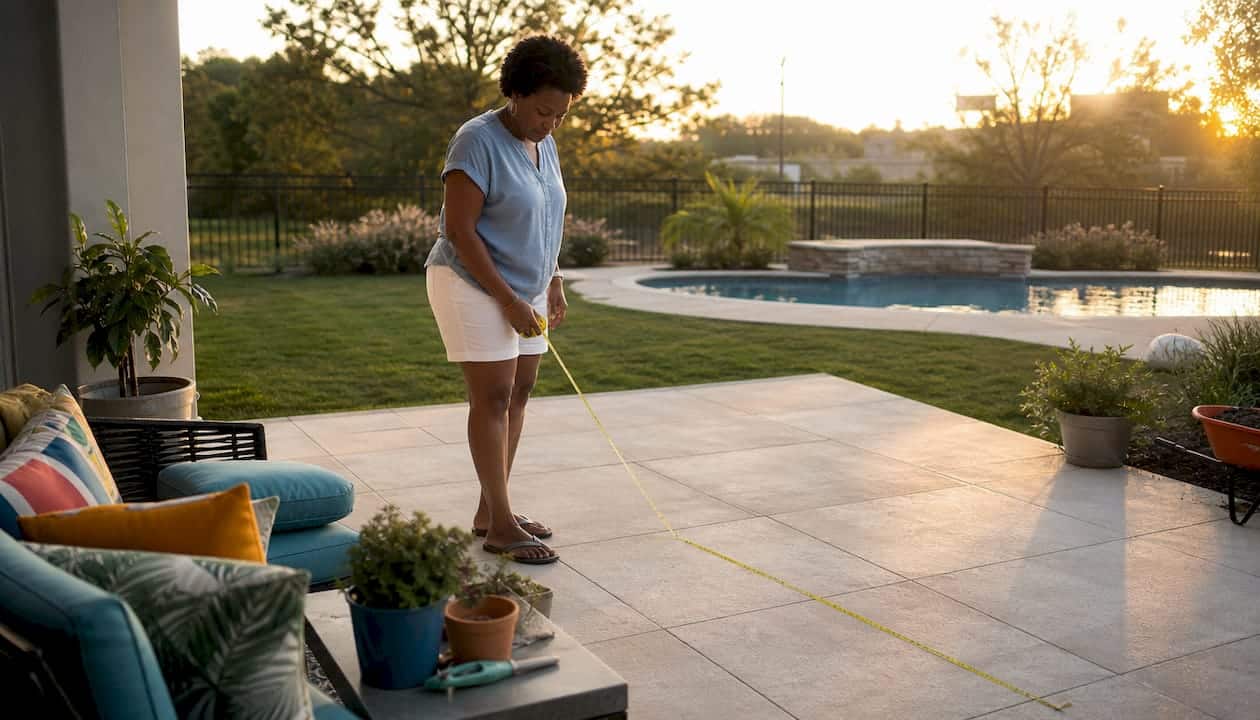
Pro Tip: Walk your yard with a tape measure and mark the pool outline with spray paint or rope before meeting with a contractor. Seeing the actual footprint on the ground changes how homeowners think about size every time.
The visual relationship between pool and yard matters as much as the numbers. A pool that consumes 80% of your backyard leaves no room for outdoor dining, play areas, or landscaping. Preserving that balance keeps your outdoor space functional and visually appealing for years.
2. What intended use determines the right pool dimensions
Function defines dimension priorities more than any other factor. A pool built for lap swimming needs completely different dimensions than one designed for weekend entertaining.
Lap pools require a minimum 40-foot length to allow a proper swimming stroke without constant turns. Anything shorter forces awkward flip turns that defeat the fitness purpose. Serious swimmers often go to 45 or 50 feet for a more natural training experience.
Family recreation pools prioritize depth variety and open swim area over length. A 16×32 foot pool with a shallow end at 3 feet and a deep end at 6 feet works well for mixed-age groups. Entertainment-focused pools shift the priority toward shallow sun shelves, wide steps, and generous deck space where guests can sit in the water without fully swimming.
Common use cases and their size implications:
- Lap swimming: Minimum 40 feet long, 8 to 10 feet wide, consistent 4-foot depth.
- Family recreation: 16×32 feet with graduated depth from 3 to 6 feet.
- Entertaining: Wider shallow areas, sun shelves, and integrated seating ledges.
- Mixed use: L-shaped designs that combine a lap lane with a social shallow zone.
Pro Tip: Write down the three activities your family will do most in the pool before talking to a designer. That list should drive every dimension decision, not the largest size your yard can technically fit.
Right-sizing by intended usage creates lasting enjoyment rather than chasing maximum square footage. A pool that fits your lifestyle gets used more often, which is the whole point.
3. How maintenance and budget scale with pool size
Larger pools cost more to build and more to run every single month. That ongoing cost is where many homeowners get caught off guard.
Larger pools incur higher annual energy, chemical, and maintenance costs and may see less frequent use if they overwhelm the yard. A bigger pool means more water to heat, more chemicals to balance, and more surface area for a robotic cleaner or service technician to cover. Those costs compound over a decade of ownership.
The budget impact breaks down across several categories:
- Energy costs: Larger water volume requires longer pump run times and more heating capacity.
- Chemical costs: More water means more chlorine, pH adjusters, and algaecide each month.
- Cleaning costs: Larger surface area increases time and cost for manual or automated cleaning.
- Repair costs: More plumbing, more fittings, and more liner or surface area to maintain over time.
Upgrading to a high-efficiency pool pump can offset some of the energy cost for larger pools, but it does not eliminate the chemical and cleaning burden. The smartest approach is to size the pool for actual use, not for the maximum your budget can build.
Pool maintenance directly affects home value as well. A pool that is too large to maintain properly becomes a liability rather than an asset. Balancing upfront construction cost with realistic ongoing expenses is the most important financial decision in the entire process.
4. Standard measurement guidelines for pool sizing
Concrete sizing standards exist to help homeowners avoid guesswork. Using them gives you a defensible starting point before customizing for your yard and lifestyle.
The 15 square feet per swimmer minimum is the industry benchmark for avoiding overcrowding. A 14×28 foot pool at 392 square feet comfortably holds about 4 to 6 people. A 16×32 foot pool at 512 square feet handles 6 to 8 swimmers without feeling cramped.
| Pool Size | Surface Area | Comfortable Capacity | Best Use |
|---|---|---|---|
| 14×28 ft | 392 sq ft | 4–6 swimmers | Small family, limited yard |
| 16×32 ft | 512 sq ft | 6–8 swimmers | Average family, entertaining |
| 18×36 ft | 648 sq ft | 8–10 swimmers | Large family, frequent parties |
| 40+ ft length | Varies | 1–2 lap swimmers | Fitness and training |
Depth standards matter just as much as surface area. Play pools for young children stay at 3 to 3.5 feet. General family pools graduate from 3 feet in the shallow end to 5 or 6 feet in the deep end. Diving requires a minimum of 8 feet of depth, which adds significant excavation cost and is increasingly rare in residential builds.
For a detailed look at how these dimensions compare across Central Florida backyards, the pool size comparison guide from Randrswimmingpools breaks down real-world options by yard type.
5. Hidden factors that can change your pool size plan
Several site-specific conditions can force a size adjustment even after you have settled on ideal dimensions. Knowing them early prevents expensive surprises mid-construction.
- Soil conditions: Expansive clay soils require additional structural engineering and drainage systems, which raises total project cost and may make a larger pool impractical on a fixed budget.
- HOA restrictions: Many homeowners associations impose size limits, shape restrictions, or aesthetic requirements beyond standard municipal codes. Review your HOA documents before finalizing any design.
- Utility lines: Underground gas, water, and electrical lines can restrict where and how large a pool can be excavated.
- Tree roots and landscaping: Mature trees near the build zone can interfere with excavation and create long-term structural issues for the pool shell.
- Future needs: Expanding a pool after installation is rarely cost-effective or feasible. Sizing slightly larger initially is the smarter financial move if your budget allows.
The landscaping relationship with pool design also affects what size works best visually. A pool that ignores the surrounding plantings and hardscape often looks out of place, regardless of its dimensions. Factoring in landscaping from the start protects both the aesthetics and the long-term usability of your outdoor space.
For families researching how pool size affects vacation rental properties and family-use pools, the family pool planning guide at Emerald Coast By Owner offers useful context on how pool dimensions translate to real-world enjoyment.
Key takeaways
The right pool size comes from matching your yard’s physical limits, your family’s actual usage habits, and your realistic long-term budget.
| Point | Details |
|---|---|
| Yard space sets the ceiling | Your lot must be 1.5 to 2 times the pool footprint to fit decking and equipment. |
| Function drives dimensions | Lap pools need 40+ feet; family pools need graduated depth from 3 to 6 feet. |
| Size scales costs directly | Larger pools cost more in energy, chemicals, and cleaning every single month. |
| Hidden factors matter | Soil type, HOA rules, and utility lines can force size changes after planning begins. |
| Size slightly larger upfront | Expanding after installation is rarely feasible; build for future needs from the start. |
What I have learned after decades of pool builds
After working with homeowners across Central Florida since 1985, the pattern is consistent. The homeowners who regret their pool size almost always went bigger than their lifestyle required. They built a 20×40 foot pool because the yard could technically fit it, then spent the next five years paying to heat and clean water they rarely used.
The homeowners who are most satisfied started with a clear list of how they actually planned to use the pool. A couple who swims laps in the morning built a 10×45 foot lap pool instead of a sprawling recreational pool. A family of four with young kids built a 16×32 foot pool with a wide sun shelf and graduated depth. Both pools fit the yard, fit the budget, and get used constantly.
The uncomfortable truth is that pool size is often driven by ego rather than function. Bigger feels like more value. It rarely is. A pool sized for your real life costs less to build, less to run, and gets used more often. That combination is what actually delivers satisfaction over a 20-year ownership horizon.
My advice is to consult with a professional early, before you have a number in your head. A good designer will ask about your lifestyle first and your yard second. The dimensions come last. That order matters more than most homeowners realize.
— Results
Planning your pool with Randrswimmingpools
Randrswimmingpools has been designing and installing custom inground pools across Central Florida since 1985. The team specializes in matching pool dimensions to real yard conditions and real lifestyle needs, not just maximum footprints.
Whether you are planning a new build or reconsidering an existing design, the expert inground pool guide from Randrswimmingpools walks through every sizing and installation decision in detail. For homeowners ready to talk specifics, the custom pool planning guide covers how to align dimensions with your yard, your family, and your budget. Contact R and R Swimming Pools for a free consultation and get a size recommendation grounded in 40 years of Central Florida pool experience.
FAQ
What is the most common residential pool size?
The most common inground pool size ranges from 14×28 feet to 16×32 feet, providing 392 to 512 square feet of surface area for 4 to 8 swimmers.
How much yard space do I need around a pool?
Your total lot space should be 1.5 to 2 times the pool footprint to accommodate decking, equipment, and safety clearances of at least 6 feet around the perimeter.
How many square feet of pool do I need per swimmer?
The industry standard is a minimum of 15 square feet of pool surface per swimmer to avoid overcrowding during regular use.
What pool length do I need for lap swimming?
Lap pools require a minimum length of 40 feet to allow a proper swimming stroke. Serious fitness swimmers typically prefer 45 to 50 feet.
Can I expand my pool after it is built?
Expanding a pool after installation is rarely cost-effective or structurally feasible. Sizing slightly larger during the initial build is the better financial decision if your budget allows.
