
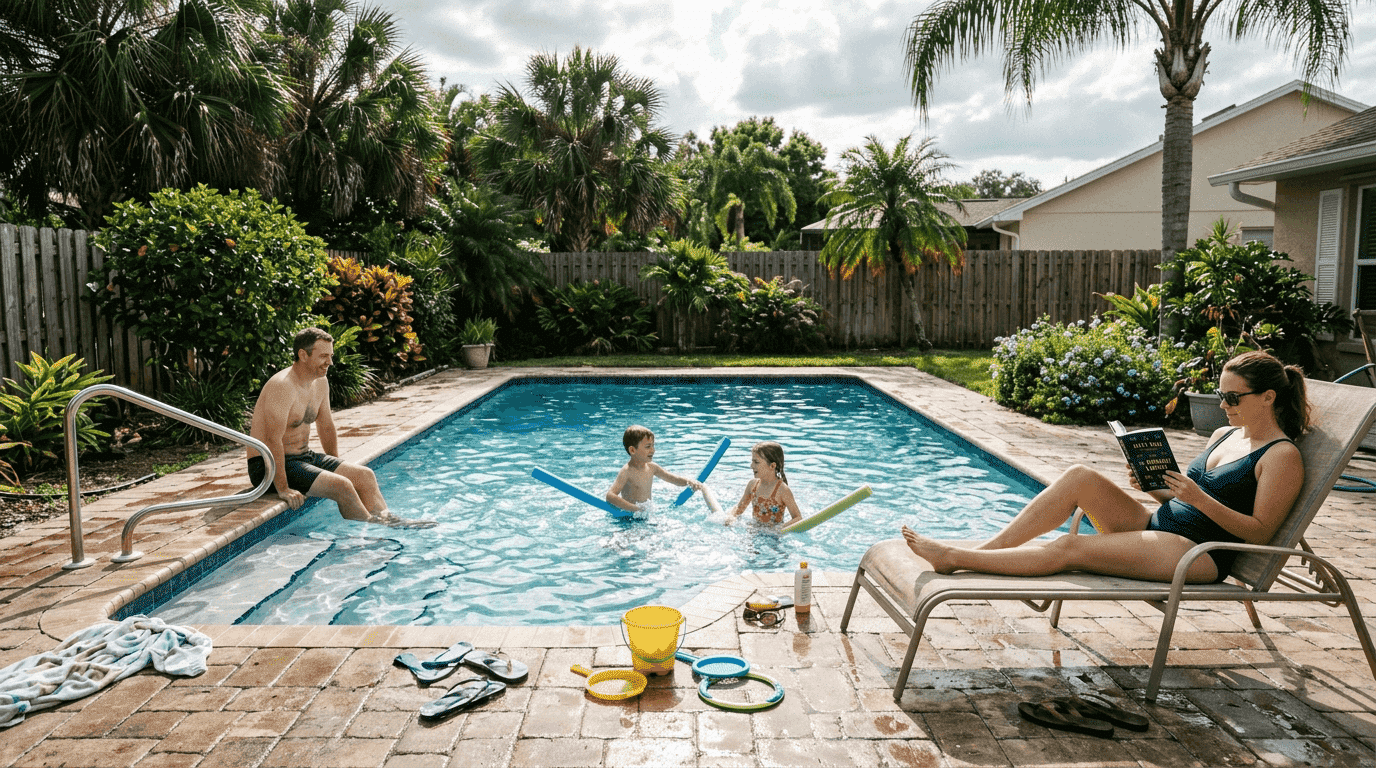
Many homeowners believe pool shapes are limited to basic rectangles or ovals, but this misconception overlooks the significant impact shape has on your backyard’s functionality, maintenance, and overall enjoyment. Your pool’s shape directly influences how you use your outdoor space, from daily maintenance routines to hosting gatherings and creating the perfect Florida retreat. This comprehensive guide walks you through the essential considerations for selecting pool shapes that align with your lifestyle, property layout, and budget, ensuring your investment enhances your Central Florida home for decades to come.
Table of Contents
- Understanding The Impact Of Pool Shape On Your Outdoor Living Space
- Comparing Popular Pool Shapes: Features, Pros, And Cons
- Custom Pool Shapes: Personalizing Your Backyard Oasis
- Applying Your Choice: Practical Tips For Selecting And Integrating Pool Shapes
- Explore Expert Resources For Custom Inground Pools In Central Florida
Key takeaways
| Point | Details |
|---|---|
| Shape impacts maintenance | Pool geometry affects cleaning time, equipment needs, and ongoing upkeep costs |
| Rectangular pools optimize space | Straight edges maximize usable swimming area and simplify maintenance routines |
| Freeform designs enhance aesthetics | Natural curves create resort-like ambiance but require more attention to edges |
| Custom shapes need planning | Personalized designs demand careful site assessment and budget consideration |
| Function guides selection | Your intended pool activities should drive shape decisions over trends |
Understanding the impact of pool shape on your outdoor living space
The geometry of your pool determines far more than visual appeal. Shape directly affects how efficiently you can use your backyard, how much time you’ll spend on upkeep, and whether the pool truly fits your family’s lifestyle. Rectangular pools generally require 15% less maintenance compared to irregular shapes, making them ideal for busy homeowners who want more swimming time and less cleaning time.
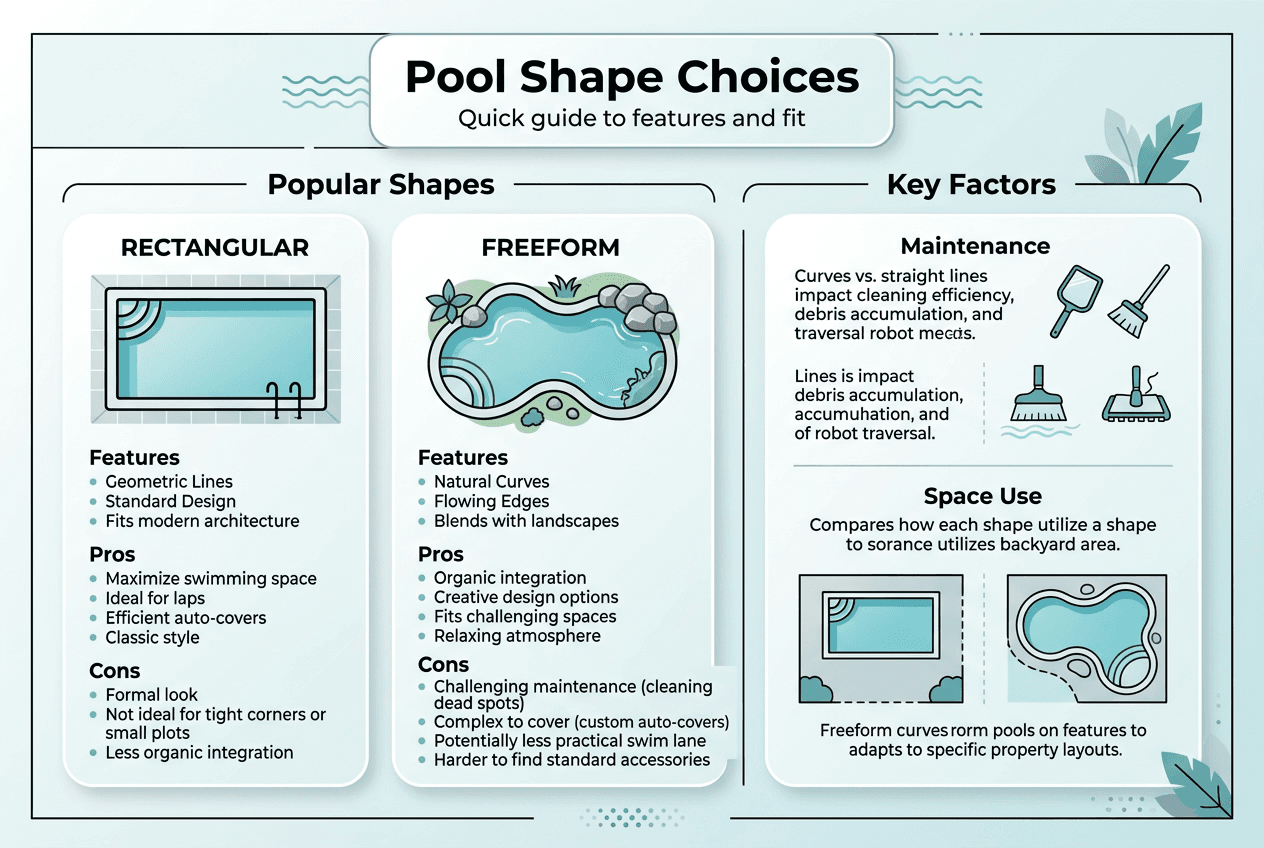
Freeform and custom shapes create a natural, resort-like atmosphere that blends beautifully with Florida landscaping. These organic designs soften the visual impact of hardscaping and can make smaller yards feel more spacious. However, the curves and irregular edges mean you’ll need to spend extra time cleaning corners and may require specialized equipment to reach all areas effectively.
Pool shape also determines where you can place equipment, how safely children can navigate the space, and how well the design integrates with existing landscaping. A rectangular pool fits neatly along property lines, maximizing yard space for outdoor furniture and play areas. Curved shapes require more clearance around edges but offer flexible placement options that can work around trees, slopes, or architectural features.
Consider your family’s actual pool usage patterns when evaluating shapes. Lap swimmers benefit from long, straight lanes that rectangular pools provide naturally. Families with young children might prefer kidney or oval shapes that create distinct shallow and deep zones. Social entertainers often choose freeform designs with integrated spa areas and beach entries that encourage gathering and relaxation.
Pro Tip: Walk your yard with stakes and string to outline potential pool shapes at full scale. This simple exercise reveals how different geometries affect traffic flow, sun exposure, and sight lines from your home’s interior spaces.
Your choice also impacts long-term value. Best pool shapes for homes Central Florida properties often balance personal preference with broad market appeal, ensuring your investment enhances resale potential while meeting your immediate needs.
Comparing popular pool shapes: features, pros, and cons
Rectangular pools dominate the market for good reason. Their straight edges maximize swimming space within a given footprint, making them perfect for narrow lots or yards where every square foot matters. The uniform depth progression suits lap swimming, and the simple geometry means fewer specialized cleaning tools. Installation costs typically run lower because forms and excavation follow standard patterns.
Freeform pools mimic natural water bodies with flowing curves and irregular perimeters. This organic aesthetic creates a vacation resort atmosphere and allows creative integration of rock features, waterfalls, and landscaping. The trade-off comes in maintenance complexity, as automated cleaners struggle with tight curves, and hand-brushing becomes necessary for algae-prone pockets. Freeform designs also consume more yard space due to their sprawling nature.
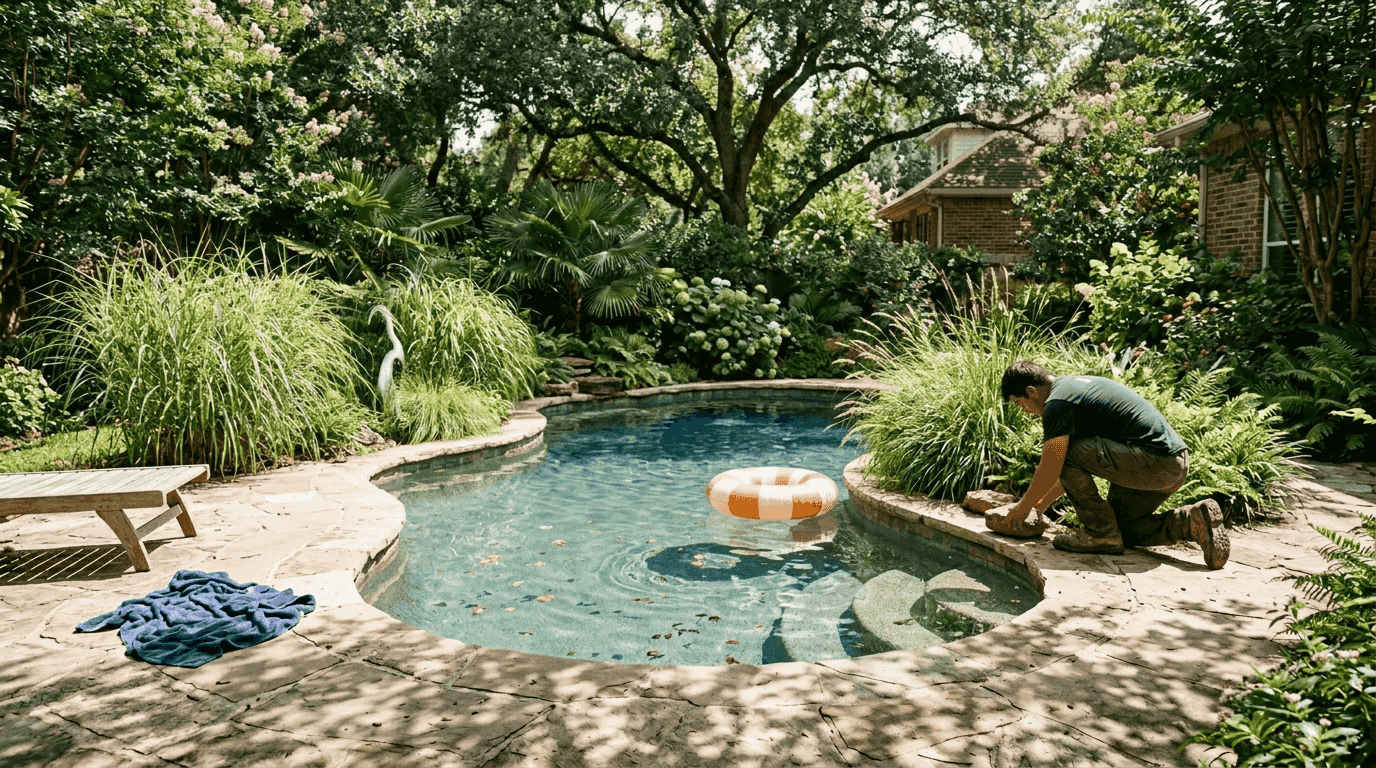
Roman and lagoon shapes bring classical elegance or tropical luxury to Central Florida properties. Roman pools feature semi-circular ends that soften the rectangular profile while maintaining efficient space usage. Lagoon designs incorporate beach entries, multiple levels, and naturalistic edges that transform backyards into private resorts. Both options increase construction costs significantly due to complex forming and finishing requirements.
Oval and kidney shapes strike a middle ground between functionality and visual interest. These designs work exceptionally well in medium-sized backyards, providing curved aesthetics without the maintenance challenges of fully freeform pools. The kidney shape naturally creates distinct zones for different activities, while ovals offer excellent circulation patterns for heating and chemical distribution.
| Shape | Best For | Maintenance Level | Space Efficiency | Cost Range |
|---|---|---|---|---|
| Rectangular | Lap swimming, small yards | Low | Excellent | $$ |
| Freeform | Aesthetic focus, large yards | High | Moderate | $$$ |
| Roman | Classic elegance, entertaining | Moderate | Good | $$$ |
| Kidney | Family use, medium yards | Moderate | Good | $$ |
| Lagoon | Resort feel, large properties | High | Low | $$$$ |
Individual pool shapes vary greatly in cost, maintenance, and space efficiency, impacting homeowner choices significantly. Your decision should weigh these practical factors against aesthetic preferences and long-term lifestyle goals.
Pro Tip: Request maintenance estimates for your top three shape choices during the design phase. Knowing the real cost difference in weekly upkeep often clarifies which design truly fits your lifestyle and budget over the pool’s 20 to 30 year lifespan.
Custom pool shapes: personalizing your backyard oasis
Custom pool shapes unlock unlimited design possibilities tailored precisely to your property’s unique characteristics and your family’s specific needs. Unlike standard templates, custom designs can incorporate multiple depth zones, integrated spas, tanning ledges, and architectural features that reflect your personal style. This flexibility allows you to maximize awkward lot configurations, preserve mature trees, or create seamless transitions between indoor and outdoor living spaces.
The custom design process requires more upfront planning but delivers results impossible with off-the-shelf options. Custom pool shapes align with unique homeowner preferences but require careful planning to balance creativity with practical constraints. Success depends on thorough collaboration between you and experienced pool designers who understand Central Florida’s soil conditions, building codes, and climate considerations.
Creating your ideal custom pool shape follows a structured approach:
- Define your lifestyle needs by listing all intended pool activities, from exercise routines to entertainment scenarios, ensuring the design accommodates each function comfortably.
- Select pool features and amenities that enhance your prioritized activities, whether that means swim jets for fitness enthusiasts or shallow play areas for families with young children.
- Consider maintenance and space constraints realistically, acknowledging that complex shapes require more cleaning time and specialized equipment that adds to long-term ownership costs.
- Choose materials and finishes that complement your home’s architecture while standing up to Florida’s intense sun, humidity, and occasional temperature swings throughout the year.
Custom shapes typically increase both construction timelines and project costs compared to standard designs. Complex geometries require custom forming, specialized excavation techniques, and more labor-intensive finishing work. Budget an additional 15 to 25 percent above standard pool costs for truly unique shapes, and expect construction to extend two to four weeks longer than conventional projects.
The investment pays dividends in daily enjoyment and property value when executed properly. Why custom pool design Florida homeowners choose personalization stems from the desire to create outdoor spaces that feel uniquely theirs rather than generic backyard additions. Your pool becomes an extension of your home’s personality and your family’s lifestyle rather than an afterthought squeezed into available space.
Pro Tip: Photograph your favorite resort or hotel pools during vacations, noting specific shape elements that appeal to you. These real-world examples help designers understand your aesthetic preferences better than describing abstract concepts, leading to designs that truly match your vision.
Working with professionals experienced in custom pool planning guide Central Florida projects ensures your personalized design meets local regulations, optimizes your specific site conditions, and incorporates proven construction techniques that prevent costly issues down the road.
Applying your choice: practical tips for selecting and integrating pool shapes
Start your selection process by accurately measuring your yard and creating a scaled diagram on graph paper or using free online tools. Mark existing features like trees, utility lines, septic systems, and property boundaries. This visual reference immediately reveals which shapes fit physically and which require compromises you may not want to make. Include setback requirements from your local building department to avoid designing a pool that violates zoning regulations.
Budget considerations extend beyond initial construction costs to encompass decades of ownership expenses. Simple geometric shapes cost less to build, clean, and repair. Every curve, beach entry, or custom feature adds complexity that translates to higher quotes from contractors and increased maintenance time or service costs. Prioritize features that genuinely enhance your intended pool usage rather than trendy elements that look impressive but rarely get used.
Your pool’s primary functions should drive shape selection more than aesthetic trends. Lap swimmers need at least 40 feet of uninterrupted straight length, ruling out most freeform designs. Families prioritizing play and recreation benefit from varied depths and shapes that create natural activity zones. Those seeking relaxation and visual beauty might accept higher maintenance in exchange for organic, resort-inspired curves that transform their backyard into a private retreat.
Florida’s climate demands specific shape considerations that homeowners in other regions can ignore. Afternoon sun exposure affects which areas become uncomfortably hot, influencing where you place shallow tanning ledges versus deeper, cooler zones. Hurricane preparedness means avoiding shapes with delicate edges or features that could sustain damage from flying debris. Strategic landscaping integration provides natural shade and wind breaks, but your pool shape must accommodate mature plant root systems without future cracking or settling issues.
| Consideration | Small Yards | Medium Yards | Large Properties |
|---|---|---|---|
| Optimal Shapes | Rectangular, small oval | Kidney, Roman, medium freeform | Any shape, multiple features |
| Space Priority | Maximize swim area | Balance function and aesthetics | Create distinct zones |
| Feature Limits | Minimal add-ons | Integrated spa or tanning ledge | Full resort amenities |
| Maintenance Access | Simple perimeter | Moderate complexity | May need robotic cleaners |
Collaborate with licensed pool contractors who understand Central Florida’s unique challenges, from sandy soils to high water tables. Experienced professionals identify potential issues during the design phase rather than discovering them mid-construction when changes become expensive. They also navigate permitting requirements efficiently and ensure your chosen shape complies with local safety codes, setback rules, and homeowner association restrictions if applicable.
Pro Tip: Visit recently completed pools in your area through builder showcases or neighborhood open houses. Seeing full-scale installations helps you judge whether shapes that look perfect in renderings actually fit the scale and character of typical Central Florida residential lots.
Selecting the right pool shape requires balancing aesthetic desires with budget and space limitations, but the effort invested in thoughtful planning pays off in decades of enjoyment and trouble-free ownership.
Explore expert resources for custom inground pools in Central Florida
Turning your pool shape vision into reality requires professional guidance from experienced contractors who understand Central Florida’s unique conditions and homeowner needs. R & R Swimming Pools has served the region since 1985, offering comprehensive design and installation services that transform backyard concepts into functional outdoor living spaces. Their expertise spans both concrete and fiberglass construction methods, ensuring you get unbiased recommendations based on your specific situation rather than contractor limitations.
Professional support streamlines every phase of your project, from initial custom pool design process guide consultation through final inspection and startup. Experienced teams handle permitting complexities, coordinate subcontractors, and troubleshoot unexpected site conditions that inevitably arise during excavation and construction. This comprehensive approach prevents costly delays and ensures your finished pool matches approved plans exactly.
Leverage available custom pool planning guide Central Florida resources and inground pool installation guide Central Florida information to educate yourself throughout the process. Informed homeowners make better decisions, communicate more effectively with contractors, and feel confident their investment delivers the outdoor living experience they envisioned from the start.
FAQ
What pool shape is best for small yards in Central Florida?
Rectangular and oval pool shapes maximize space efficiency for small yards by fitting neatly into available areas while providing versatile swimming and lounging zones. These streamlined designs leave room for essential deck space, equipment placement, and landscaping that makes your compact backyard feel larger rather than cramped. The simpler geometry also reduces construction costs, allowing you to invest more in quality finishes and features that enhance daily enjoyment.
How does pool shape affect maintenance requirements?
Simpler shapes like rectangles have fewer corners and uniform surfaces that automated cleaners navigate efficiently, reducing hands-on scrubbing time significantly. Complex or freeform shapes create tight curves, varied depths, and irregular edges where debris accumulates and algae thrives, requiring more frequent attention and specialized equipment. Rectangular pools typically require about 15% less maintenance than irregular shapes, translating to meaningful time and cost savings over decades of ownership.
Can I combine different pool shapes for a custom design?
Yes, combining shapes like rectangular swimming lanes with freeform spa areas or beach entries is common in custom pool design and often produces the most functional results. This hybrid approach allows you to tailor different zones to specific activities while maintaining overall design cohesion through thoughtful transitions and consistent finishing materials. Custom pool designs often integrate multiple shapes to fit unique backyard layouts and personal preferences, creating truly personalized outdoor living spaces.
What factors should I consider when budgeting for pool shapes?
Consider that intricate shapes increase construction time through complex forming requirements, consume more materials due to inefficient layouts, and raise maintenance expenses from specialized cleaning needs. Standard rectangular pools provide the most predictable costs and straightforward budgeting, while custom shapes require contingency funds for unexpected site conditions or design modifications during construction. Complex and custom-shaped pools generally cost more to build and maintain than standard rectangular pools, so balance aesthetic desires with practical long-term budgeting for your Central Florida home.