
TL;DR:
- A pool in Florida typically adds between 5% and 15% to a home’s resale value, depending on factors like type and condition. Well-maintained inground pools in suitable neighborhoods can help homes sell faster and attract more buyer interest, while above-ground pools often have no appraisal value. Proper pre-listing repairs and staging can maximize the pool’s contribution to a higher sale price and smoother transaction.
A pool in Florida typically adds between 5% and 15% to a home’s resale value, making it one of the most market-relevant features a seller can offer in the state. Florida pool resale value depends heavily on pool type, condition, neighborhood norms, and how well the pool is maintained before listing. Appraisers treat pools as site improvements, not part of a home’s gross living area, which means the appraised value rarely covers full installation costs. That gap does not mean a pool hurts your sale. It means the real payoff shows up in faster sales, stronger buyer interest, and a more competitive listing.
How do pools influence the resale value of Florida homes?
Florida pool appraisal values typically fall between $10,000 and $50,000, and in luxury coastal markets, that number climbs even higher. Installation costs commonly run from $35,000 to well over $100,000. That gap between cost and appraised value surprises many sellers, but it does not tell the whole story.
Appraisers use a cost approach minus depreciation to assign pool value. A pool is classified as a site improvement, separate from the home’s living space. That means its value is benchmarked against comparable sales in your neighborhood, not against what you paid to build it.
The type of pool matters significantly. Inground pools, whether concrete or fiberglass, carry real appraisal weight and buyer appeal. Above-ground pools are classified as personal property in most appraisals, which means they contribute zero to appraised value and can actually reduce buyer interest. If you are selling and have an above-ground pool, removing it before listing is often the better move.
Pool condition and features also shift the numbers. A well-maintained inground pool with modern equipment, clean tile, and functioning systems appraises higher than a neglected one. Buyers notice the difference immediately, and appraisers do too.
| Pool type | Typical appraisal contribution | Buyer perception |
|---|---|---|
| Inground concrete | $20,000–$50,000+ | Strong positive |
| Inground fiberglass | $15,000–$40,000 | Positive |
| Above-ground | $0 or negative | Often negative |
Florida accounts for over half of U.S. pool sales alongside California, Arizona, Texas, and Nevada. That volume reflects genuine market demand, not just lifestyle preference.
What factors determine whether a pool adds or detracts from value?
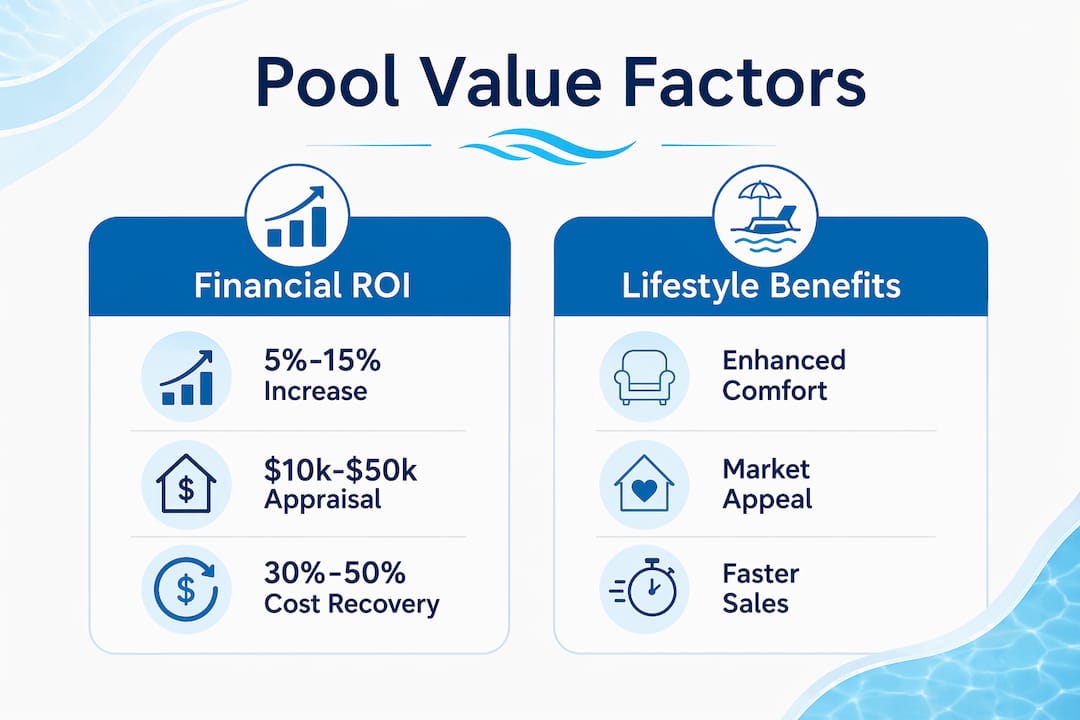
Location is the single biggest variable in pool value impact Florida sellers face. A pool in a suburban Orlando neighborhood with family buyers is a strong asset. The same pool on a small urban lot in a dense area can actually reduce value by consuming outdoor space that buyers want for other uses. Urban Florida lots with limited yard space often see pools as a drawback rather than a selling point.
Neighborhood norms matter just as much. In many Central Florida suburban markets, a pool is a baseline expectation. Homes without one can feel less competitive, especially when comparable listings nearby all have pools. Buyers in these markets filter for pools the same way they filter for garage space or updated kitchens.
Several factors directly influence whether your pool adds or subtracts from your sale price:
- Pool age and condition: Older pools with worn liners, outdated pumps, or cracked decking signal deferred maintenance to buyers and appraisers alike.
- Safety features: Florida law requires specific fencing and barrier standards. Pool safety compliance with state regulations and National Association of Realtors guidelines builds buyer confidence and reduces liability concerns.
- Lot size: A pool that leaves no usable yard space is a liability in family markets where kids need room to play.
- Ongoing costs: Buyers factor in monthly maintenance, insurance premiums, and utility costs. A pool that looks expensive to run can soften offers.
Pro Tip: Before listing, get a pre-sale pool inspection from a licensed pool contractor. Buyers will order one anyway, and knowing the issues in advance lets you fix them on your terms rather than negotiating credits at closing.
How to maximize your Florida home’s resale value when selling with a pool
Preparation before listing is where sellers recover the most value. A pool that looks move-in ready commands stronger offers and shorter negotiation cycles. The steps below are ranked by impact.
- Complete all deferred maintenance. Replace worn pool liners, repair cracked coping, and service pumps and filters. Neglected pools with failing equipment become liabilities in appraisals and buyer negotiations.
- Upgrade to energy-efficient equipment. Variable-speed pumps and LED lighting reduce operating costs. Buyers respond to lower monthly expenses, and these upgrades signal a well-cared-for pool.
- Add or update safety features. Install compliant fencing, self-closing gates, and pool alarms if not already present. This satisfies Florida legal requirements and removes a common buyer objection.
- Invest in pool landscaping. Mature plantings, clean pavers, and well-designed outdoor lighting frame the pool as an outdoor living space. Pool landscaping around the pool area raises overall property appeal and perceived value.
- Stage the pool area like a room. Add outdoor furniture, towels, and ambient lighting for listing photos. Buyers need to picture themselves using the space, and a staged pool area creates that emotional connection faster than an empty concrete deck.
- Clean and balance the water. Clear, blue water photographs well and signals proper maintenance. Cloudy or green water in listing photos kills buyer interest before a showing even happens.
Pro Tip: Schedule your listing photos on a sunny morning when the pool water reflects light cleanly. Bright, clear pool photos consistently outperform shaded or overcast shots in online listing click-through rates.
Randrswimmingpools recommends pairing pool design upgrades with a pre-listing maintenance review to identify any issues that could affect your appraisal or buyer negotiations.
What is the financial ROI on pools in Florida compared to lifestyle benefits?
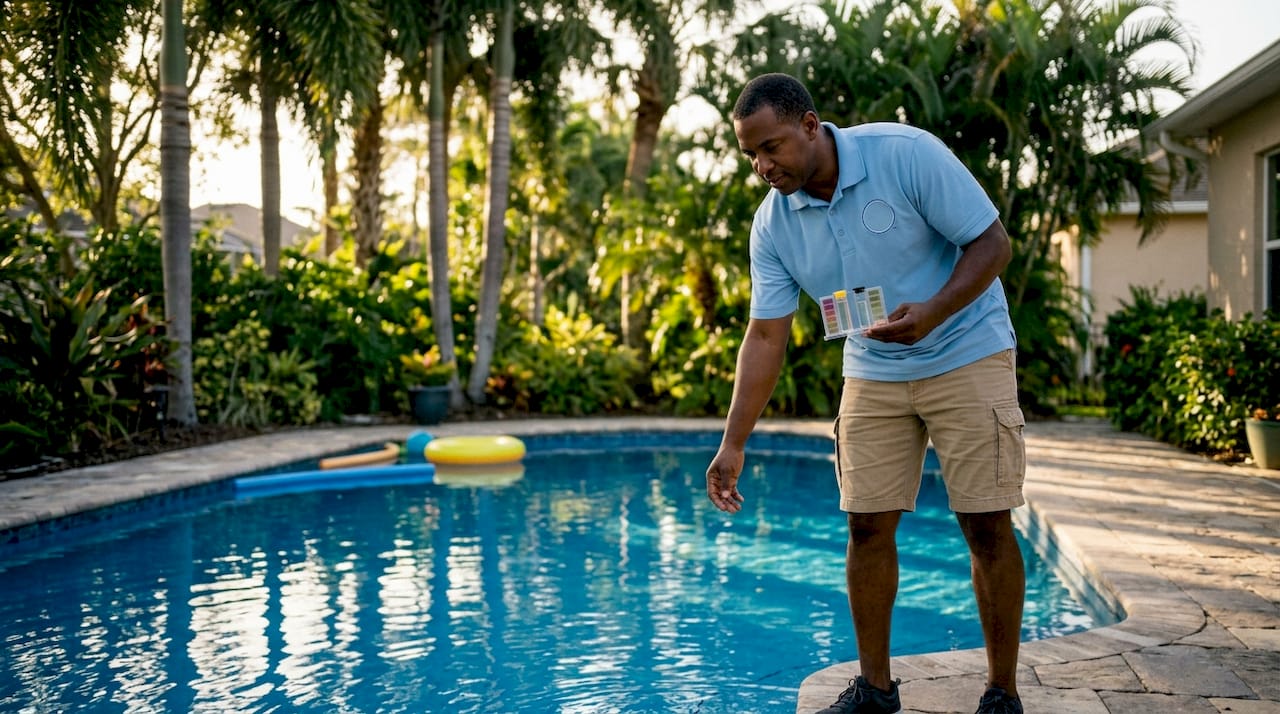
The typical ROI on a Florida pool runs between 30% and 50% of installation cost recovered in resale value. That means a $60,000 pool might add $18,000 to $30,000 to your sale price. The remaining cost is absorbed as the price of years of enjoyment.
That math frustrates sellers who installed a pool expecting a dollar-for-dollar return. The reality is that pools are not pure financial investments. They are lifestyle assets that happen to improve marketability.
| Factor | Financial ROI | Lifestyle value |
|---|---|---|
| Resale price bump | 5%–15% of home value | Not applicable |
| Installation cost recovery | 30%–50% | Full enjoyment during ownership |
| Time on market | Up to 20% faster sales in some markets | Immediate daily use |
| Ongoing costs | Reduces net ROI | Offset by regular use |
Pools serve as tie-breakers in competitive suburban markets. When two similar homes are priced comparably, the one with a well-maintained pool sells first. That speed advantage has real financial value, especially in a market where carrying costs add up monthly.
The financial case for a pool weakens when you are installing one purely for resale with no intention of using it. In that scenario, the 30%–50% recovery rate rarely justifies the investment. For homeowners who have owned and used a pool for years, the resale bump is a welcome bonus on top of years of value already received.
Common mistakes when selling a Florida home with a pool
Sellers lose money on pool-related value most often through avoidable errors. Knowing these pitfalls before you list protects both your appraisal and your negotiating position.
- Hiding pool defects. Florida disclosure laws require sellers to reveal known material defects. A cracked shell, failing pump, or leaking plumbing that surfaces during inspection destroys buyer trust and often kills deals.
- Installing an above-ground pool for resale. Above-ground pools carry zero appraisal value and can actively reduce buyer interest. No seller has ever improved their resale position by adding one.
- Ignoring safety compliance. Missing fencing, non-compliant barriers, or absent alarms create legal liability and give buyers grounds to demand price reductions or walk away entirely.
- Overpricing based on installation cost. Your $80,000 pool does not add $80,000 to your home’s value. Pricing as if it does leads to extended time on market and eventual price cuts that cost more than a realistic initial price would have.
- Skipping pre-listing maintenance. A pool that looks tired in photos and during showings signals neglect throughout the home. Buyers use pool condition as a proxy for how well the entire property was maintained.
The pool’s condition and safety features directly affect both appraisal outcomes and buyer confidence. Addressing these before listing is not optional if you want full market value.
Key Takeaways
A well-maintained inground pool in a Florida suburban market adds measurable resale value, sells homes faster, and creates buyer appeal that no other single feature matches at the same price point.
| Point | Details |
|---|---|
| Appraisal value range | Inground pools typically appraise between $10,000 and $50,000, rarely covering full installation cost. |
| Pool type determines value | Above-ground pools add zero appraisal value; inground concrete or fiberglass pools add real market value. |
| Location drives impact | Suburban family markets reward pools; dense urban lots with small yards often see pools as a drawback. |
| ROI is partial, not full | Expect to recover 30%–50% of installation cost in resale value; the rest is lifestyle return. |
| Maintenance is non-negotiable | Neglected pools reduce appraisal value and buyer confidence; pre-listing repairs protect your sale price. |
What I have learned after years of watching Florida pool sales play out
Most sellers come to us with one of two misconceptions. Either they believe their pool will add its full installation cost to the sale price, or they worry the pool will scare buyers away with maintenance costs. Both views miss the real picture.
The pools that consistently deliver the strongest resale results share three traits: they are inground, they are well-maintained, and they are in neighborhoods where buyers expect them. That last point is the one most sellers overlook. A pool in the wrong neighborhood is a liability regardless of how beautiful it is. A pool in the right neighborhood, even a modest one, is a genuine competitive advantage.
What I find most interesting is the concept of lifestyle equity. A homeowner who has used and enjoyed a pool for ten years has already received enormous value from that investment. The resale bump is a bonus, not the primary return. Sellers who understand this price their homes more realistically, negotiate more confidently, and close faster. The ones who treat the pool as a pure financial asset often overprice, sit on the market, and end up netting less than a realistic seller would have from day one.
My practical advice: before you list, spend $500 on a professional pool inspection and $2,000 on deferred maintenance. That $2,500 investment routinely returns $5,000 to $10,000 in stronger offers and fewer concessions at closing.
— Results
How Randrswimmingpools helps Florida sellers get full pool value
Randrswimmingpools has been building and renovating custom inground pools across Central Florida since 1985. If you are preparing to sell and want your pool to work for your listing rather than against it, the right starting point is a pre-sale assessment of your pool’s condition, design, and compliance status.
R and R Swimming Pools offers inground pool installation guidance and renovation services designed to bring pools up to the condition that appraisers and buyers reward. Whether you need a full renovation or targeted upgrades before listing, the team at Randrswimmingpools can identify exactly where your investment will return the most value. Reach out for a free quote and get a clear picture of what your pool is worth to your sale.
FAQ
Do pools add home value in Florida?
Yes. Inground pools in Florida typically add between 5% and 15% to a home’s resale value, with appraisal contributions ranging from $10,000 to $50,000 depending on pool type, condition, and market location.
How does a Florida pool appraisal work?
Appraisers classify pools as site improvements and value them using a cost approach minus depreciation, benchmarked against comparable sales in the local market rather than the pool’s original installation cost.
Does pool maintenance affect resale value?
Directly. Neglected pools with failing equipment or visible defects lower appraisal values and reduce buyer confidence, while well-maintained pools with current safety features support stronger offers and faster sales.
Are above-ground pools worth anything at resale in Florida?
No. Above-ground pools are classified as personal property in most appraisals and contribute zero to a home’s appraised value. They can reduce buyer interest and are generally best removed before listing.
How much faster do homes with pools sell in Florida?
Florida Realtors report that homes with pools sell up to 20% faster in some markets, particularly in suburban family areas where pool ownership is a common buyer expectation.
