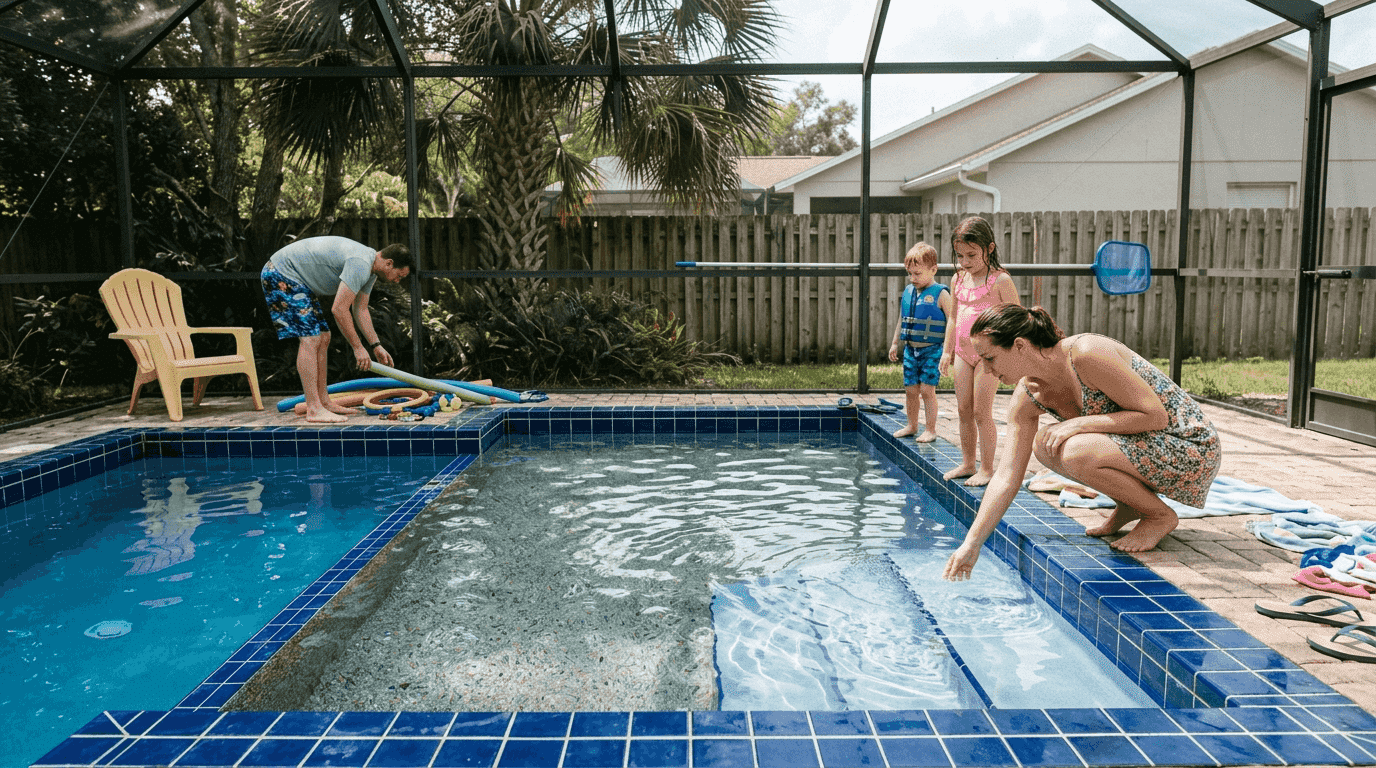
Many homeowners believe all pool finishes perform equally, but Central Florida’s intense UV radiation and high humidity create unique challenges that dramatically affect finish durability and maintenance needs. Choosing the right pool finish impacts not only your pool’s appearance but also its longevity, safety, and ongoing costs. This guide walks you through essential selection criteria and common finish types to help you make a confident, informed decision for your custom inground pool.
Table of Contents
- How To Choose The Right Pool Finish: Key Selection Criteria
- Common Pool Finishes: Description And Suitability
- Climate And Environmental Impact On Pool Finish Longevity
- Maintenance And Longevity Considerations For Central Florida Pools
- Comparative Cost Analysis And Value Of Different Finishes
- Functionality And Safety Benefits Of Various Pool Finishes
- Aesthetic And Lifestyle Considerations: Which Finish Fits Your Vision?
- Situational Recommendations: Matching Pool Finish To Your Needs
- Explore Expert Inground Pool Services In Central Florida
Key takeaways
| Point | Details |
|---|---|
| Durability matters most | Central Florida’s climate demands finishes like aggregate and tile that resist UV damage and humidity better than traditional plaster. |
| Maintenance varies widely | Plaster requires 30-40% more upkeep than aggregate or fiberglass finishes, impacting long-term costs significantly. |
| Safety is finish-dependent | Quartz aggregate provides 25% better slip resistance than plaster or gel coat, crucial for family pools. |
| Tile boosts home value | Premium tile finishes increase resale value by 8-12% compared to standard plaster installations. |
How to choose the right pool finish: key selection criteria
Before exploring specific finish types, understand the core factors that should drive your decision. These criteria help you match a finish to your priorities, budget, and Central Florida’s demanding climate.
Durability stands as your primary concern. Central Florida’s UV exposure and humidity accelerate finish degradation, making aggregate and tile finishes better choices due to their resistance to discoloration and chemical wear. A finish that performs well in milder climates may fail prematurely here.
Cost considerations extend beyond installation. Calculate both upfront expenses and ongoing maintenance over the finish’s expected lifespan for accurate budgeting. A cheaper initial investment often translates to higher long-term costs through frequent repairs, acid washing, and premature replacement.
Aesthetic preferences matter deeply since your pool finish sets the tone for your entire outdoor space. Consider how color, texture, and visual style complement your home’s architecture and landscaping. When planning your custom pool design, think about whether you prefer a classic smooth look, natural stone appearance, or luxurious tile mosaic.
Safety factors include slip resistance and surface comfort, especially important for families with children or elderly users. Textured finishes provide better traction but may feel rougher underfoot. Balance safety needs with comfort preferences.
Compatibility with your pool construction material ensures optimal performance. Different finishes work best with concrete versus fiberglass shells. Understanding why inground pools of various types require specific finishes prevents costly mistakes.
Pro Tip: Visit showrooms or completed pools to see and feel different finishes in person. Photos rarely capture the true texture and appearance you’ll experience daily.
Common pool finishes: description and suitability
Central Florida pool builders typically offer four main finish categories, each with distinct characteristics affecting performance and aesthetics.
Plaster represents the traditional pool finish, offering a smooth texture and classic white or light blue appearance. It costs $4-$7 per square foot to install, making it the most budget-friendly option initially. However, plaster’s lifespan averages just 7-10 years in Florida’s harsh climate, and it requires frequent maintenance to prevent staining and etching.
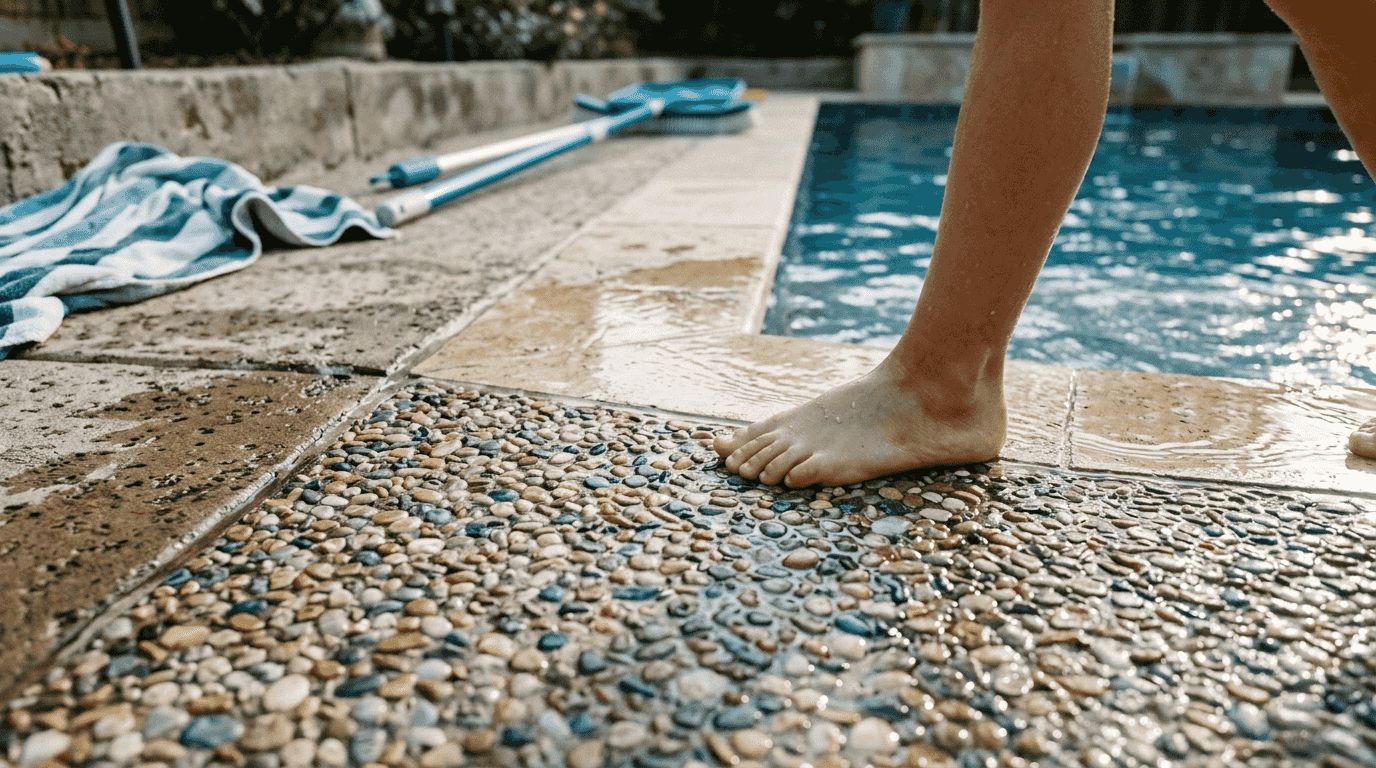
Aggregate finishes include pebble and quartz varieties that blend cement with small stones or crystals. These textured surfaces cost $7-$12 per square foot and last 15-20 years with proper care. Aggregate finishes resist staining better than plaster and provide superior slip resistance, making them popular for family pools. Their natural appearance complements outdoor landscaping beautifully.
Fiberglass gel coat comes factory-applied to fiberglass pool shells, offering a smooth, non-porous surface that resists algae growth naturally. With moderate installation costs and a 10-15 year lifespan, gel coat requires minimal maintenance. Its smooth texture feels comfortable but provides less traction than textured options. Available in solid colors, gel coat delivers a clean, modern aesthetic.
Tile finishes represent the premium choice, costing $15 or more per square foot but lasting 20+ years when properly maintained. Glass or ceramic tiles allow virtually unlimited customization through mosaics, patterns, and color combinations. Tile provides excellent durability and slip resistance while significantly boosting your home’s luxury appeal and resale value.
Explore our pool school resources to learn more about how different finishes interact with pool equipment and water chemistry. Understanding these relationships helps you maintain your investment properly. The right finish choice depends on balancing your budget, aesthetic vision, and willingness to perform regular maintenance tasks outlined in inground pool guides.
Climate and environmental impact on pool finish longevity
Central Florida’s subtropical climate creates specific challenges that dramatically affect how long your pool finish lasts and how well it maintains its appearance.
UV radiation intensity in Florida causes 20-30% faster wear on vulnerable finishes like standard plaster. Direct sunlight breaks down chemical bonds in finish materials, leading to fading, chalking, and surface degradation. Darker colors and less UV-resistant materials suffer most dramatically.
Humidity and frequent afternoon rain showers promote algae growth and create conditions for staining. Standing water and constant moisture exposure test a finish’s resistance to biological growth. Finishes with porous surfaces trap moisture and organic matter, accelerating deterioration.
Aggregate and tile finishes demonstrate superior performance under these conditions. Their resistance to discoloration and chemical breakdown makes them worthwhile investments despite higher upfront costs. These materials maintain their appearance and structural integrity far longer than plaster in Florida’s demanding environment.
“The combination of intense UV exposure and high humidity creates a perfect storm for pool finish degradation. Choosing climate-appropriate materials isn’t optional in Central Florida, it’s essential for protecting your investment.”
Water chemistry variables complicate matters further. Florida’s hard water and mineral content can etch or stain calcium-sensitive finishes prematurely. Improper chemical balance accelerates damage across all finish types, but softer materials like plaster show effects most quickly.
Selecting climate-resistant finishes extends your pool’s lifespan substantially and reduces the frequency of costly resurfacing projects. When planning your custom pool installation, factor climate resilience into your finish selection from the start. This forward-thinking approach saves thousands in premature replacement costs.
Maintenance and longevity considerations for Central Florida pools
Understanding maintenance demands helps you realistically assess the true cost of ownership for different pool finishes over time.
Plaster finishes require the most intensive upkeep. Frequent acid washing removes stains and restores brightness, but this process gradually thins the plaster layer. Expect to perform acid washing annually or semi-annually, increasing maintenance costs by 30-40% compared to other finishes. Plaster also demands vigilant water chemistry monitoring since imbalances quickly cause etching or scaling.
Aggregate finishes need moderate maintenance focused on chemical balance and periodic cleaning. While resistant to algae, their textured surface can trap debris requiring more thorough brushing. However, aggregates tolerate chemical fluctuations better than plaster and resist staining from metals and minerals common in Florida water. Plan for professional deep cleaning every few years to maintain optimal appearance.
Fiberglass gel coat surfaces deliver the easiest maintenance experience. Their smooth, non-porous finish prevents algae attachment and cleans quickly with standard pool brushes. Gel coat requires less frequent chemical adjustments and rarely needs acid washing. This translates to lower chemical costs and reduced labor, whether you maintain the pool yourself or hire professionals.
Tile finishes demand regular cleaning and grout care but offer the longest intervals between major refurbishments. Clean tiles weekly to prevent calcium buildup, and inspect grout lines annually for deterioration. While tile itself lasts decades, grout may need resealing every 5-7 years. Despite this requirement, tile’s durability makes it cost-effective over a 20+ year timeline.
Balanced water chemistry remains critical across all finish types. Test pH, alkalinity, and calcium hardness weekly during swimming season and bi-weekly in winter. Proper chemistry prevents 80% of common finish problems regardless of material choice. Invest in a quality test kit and learn to interpret results accurately.
Pro Tip: Keep a maintenance log tracking chemical levels, cleaning dates, and any issues you notice. This documentation helps identify patterns and proves invaluable when consulting professionals about performance concerns.
Our pool school offers detailed guides on maintaining different finish types specific to Central Florida conditions. Learning proper care techniques protects your investment and maximizes your finish’s lifespan.
Comparative cost analysis and value of different finishes
Making a smart financial decision requires examining both installation costs and long-term expenses to understand true value.
| Finish Type | Installation Cost | Expected Lifespan | Annual Maintenance | Total 20-Year Cost | Resale Impact |
|---|---|---|---|---|---|
| Plaster | $4-$7/sq ft | 7-10 years | High | $16,000-$28,000 | Baseline |
| Pebble Aggregate | $7-$10/sq ft | 15-20 years | Moderate | $18,000-$25,000 | +3-5% |
| Quartz Aggregate | $9-$12/sq ft | 15-20 years | Moderate | $20,000-$27,000 | +4-6% |
| Fiberglass Gel Coat | $8-$11/sq ft | 10-15 years | Low | $17,000-$24,000 | +2-4% |
| Tile | $15-$25/sq ft | 20+ years | Moderate | $25,000-$35,000 | +8-12% |
Plaster’s low upfront cost appeals to budget-conscious homeowners, but factor in two complete replacements over 20 years plus higher annual maintenance. The cumulative expense often exceeds more durable options.
Aggregate finishes strike an attractive balance between durability and cost. Pebble and quartz varieties last long enough to avoid mid-ownership replacement while requiring reasonable maintenance. These finishes deliver strong value for homeowners planning to keep their pools 10-15 years or more.
Fiberglass gel coat minimizes maintenance expenses through its algae-resistant surface. While requiring eventual replacement, the reduced chemical and labor costs partially offset the initial investment. Gel coat suits homeowners prioritizing convenience over maximum longevity.
Tile finishes command premium prices but deliver exceptional returns. Beyond lasting 20+ years, tile installations increase home resale value by 8-12% compared to plaster or aggregate finishes. This appreciation often covers the price difference when selling, effectively making the finish free. Luxury homebuyers specifically seek tile pools, expanding your potential buyer pool.
Consider your ownership timeline when evaluating costs. Selling within 5-7 years favors lower-cost finishes since you won’t recoup premium material investments. Planning to stay 15+ years makes durable, low-maintenance finishes financially superior despite higher initial prices.
Understanding why inground pools impact property value differently based on finish quality helps you make strategic decisions aligned with your long-term real estate goals.
Functionality and safety benefits of various pool finishes
Beyond appearance and cost, practical performance factors significantly impact your daily pool experience and family safety.
Slip resistance varies dramatically between finish types. Quartz aggregate provides 25% better traction than plaster and gel coat finishes, making it the safest choice for families with young children or elderly users. The textured surface offers secure footing even when wet, reducing accident risk substantially. Pebble aggregate delivers similar benefits with a slightly rougher feel.
Smooth gel coat finishes feel comfortable underfoot and prevent scrapes from rough surfaces, but they sacrifice traction. This tradeoff works well for adults who move carefully but poses risks for energetic children running poolside. Consider your family composition when weighing comfort against safety.
Tile finishes provide firm footing with customizable textures ranging from smooth to highly slip-resistant. Choose tile with appropriate surface treatment for high-traffic areas like steps and benches. However, tile requires proper grout maintenance since deteriorated grout lines create uneven surfaces that catch toes.
Algae resistance depends heavily on surface texture and porosity. Smoother, non-porous finishes like gel coat resist biofilm formation better than textured options. Plaster’s porous nature makes it most vulnerable to algae despite its smooth appearance. Aggregate finishes fall in the middle, requiring consistent chemical balance to prevent growth in texture valleys.
Cleaning ease differs substantially between materials. Smooth fiberglass gel coat requires minimal scrubbing, often cleaning adequately with just your pool’s filtration system. Tile cleans easily but demands attention to grout lines. Aggregate textures trap fine debris requiring more vigorous brushing. Plaster needs frequent, thorough cleaning to prevent permanent staining.
Comfort considerations extend to temperature retention. Darker finishes absorb more heat, warming pool water naturally but potentially feeling hot underfoot on sunny days. Lighter finishes stay cooler but require more active heating in winter months.
Explore our pool school for detailed guidance on maintaining optimal water quality across different finish types. Proper chemical balance enhances safety and comfort regardless of material choice.
Aesthetic and lifestyle considerations: which finish fits your vision?
Your pool finish profoundly influences your outdoor space’s overall ambiance and should reflect your personal style and how you use your pool.
Plaster offers the classic, timeless pool appearance with its smooth surface and clean lines. Traditional white plaster creates a bright, inviting look that maximizes water clarity and light reflection. However, color options remain limited to white, light blue, and a few neutral tones. This simplicity appeals to homeowners seeking understated elegance.
Aggregate finishes deliver natural, organic aesthetics that complement landscaping beautifully. Pebble varieties showcase earth tones like tans, grays, and blues that create a lagoon-like atmosphere. Quartz aggregates add sparkle through light-reflecting crystals embedded in the surface, producing a shimmering effect particularly stunning at night. The varied textures and colors allow extensive customization while maintaining natural appeal.
Fiberglass gel coat provides uniform solid colors with a glossy, contemporary finish. Choose from blues, greens, grays, and even bold colors like teal or sand for a modern aesthetic. The smooth surface and vibrant hues create a clean, geometric look popular in minimalist landscape designs. Gel coat suits homeowners who appreciate sleek, maintenance-free simplicity.
Tile finishes enable virtually unlimited creative expression. Glass tiles create luminous, jewel-like effects with intense color saturation. Ceramic tiles allow intricate mosaics, custom patterns, and artistic designs impossible with other materials. Mix colors, create waterline borders, or design elaborate pool floor medallions. Tile transforms your pool into a personalized artistic statement reflecting your unique vision.
Lifestyle factors influence finish selection beyond pure aesthetics. Families with young children prioritize safety and durability over visual drama. Entertainment-focused homeowners may invest in show-stopping tile designs that wow guests. Low-maintenance preferences steer choices toward gel coat or quality aggregates.
Consider how your pool integrates with your home’s architectural style. Mediterranean homes pair beautifully with cobalt blue tiles. Contemporary designs suit sleek gel coat finishes. Natural stone exteriors complement pebble aggregate pools. Cohesive design creates visual harmony across your property.
Review custom pool planning resources to see how finish choices interact with other design elements like coping, decking, and water features. Integrated planning produces stunning results that elevate your entire outdoor living space.
Situational recommendations: matching pool finish to your needs
Synthesizing all factors, here are targeted finish recommendations based on common homeowner priorities and situations.
- Budget-conscious first-time pool owners: Choose standard white plaster for lowest upfront investment, understanding you’ll face higher maintenance costs and earlier replacement. Budget an additional 30-40% annually for upkeep and plan for resurfacing within 7-10 years. This option works if you’re testing pool ownership or may relocate soon.
- Families prioritizing safety and durability: Select quartz aggregate finishes for optimal slip resistance, reasonable maintenance, and 15-20 year lifespan. The textured surface protects active children while resisting Central Florida’s climate challenges. Mid-range pricing balances performance with affordability for long-term value.
- Homeowners seeking minimal maintenance: Invest in fiberglass gel coat for the easiest upkeep experience. The smooth, algae-resistant surface requires less chemical management and cleaning time. Accept the 10-15 year lifespan knowing you’ll spend far less time and money on routine maintenance.
- Luxury buyers focused on resale value: Choose premium glass or ceramic tile despite higher costs. The 8-12% property value increase and 20+ year lifespan justify the investment, especially in upscale neighborhoods where tile pools are expected. Unlimited design options create stunning visual impact that attracts qualified buyers.
- Eco-conscious homeowners: Consider lighter-colored aggregate finishes that reduce heating needs while lasting long enough to minimize replacement waste. Pair with salt chlorination systems to reduce chemical use. Durability matters environmentally since longer-lasting finishes reduce material consumption.
- Vacation home owners: Opt for low-maintenance gel coat or quality aggregate finishes that tolerate irregular chemical monitoring. Remote pool ownership demands resilient materials that forgive occasional neglect without permanent damage.
Consult experienced pool contractors to evaluate your specific property conditions, soil type, and water chemistry before finalizing finish selection. Professional guidance ensures your choice performs optimally in your unique situation.
Explore expert inground pool services in Central Florida
Selecting the right pool finish requires balancing technical knowledge with aesthetic vision, especially given Central Florida’s demanding climate. R & R Swimming Pools brings over 35 years of experience guiding homeowners through exactly these decisions, ensuring your finish choice delivers lasting beauty and performance.
Our team understands how different finishes perform in Central Florida’s unique conditions and can recommend options perfectly suited to your priorities, budget, and lifestyle. Professional installation ensures proper application techniques that maximize durability and prevent common problems plaguing DIY or inexperienced installations.
Explore our comprehensive installation guide to understand the complete pool building process from design through finishing. Our custom planning resources help you visualize how finish choices integrate with other design elements. Learn why choosing quality inground pools from experienced contractors protects your investment for decades.
Partner with professionals who stand behind their work with solid warranties and proven track records. Your pool finish represents a significant investment deserving expert attention from planning through final polishing.
FAQ
What is the most durable pool finish for Central Florida’s climate?
Aggregate and tile finishes outperform plaster significantly in durability under Florida’s UV exposure and humidity conditions. Tile offers the longest lifespan at 20+ years but costs considerably more upfront. Quality quartz or pebble aggregate finishes provide excellent durability for 15-20 years at more accessible price points, making them popular choices for Central Florida pools.
How do maintenance requirements differ between pool finishes?
Plaster demands frequent acid washing and stain treatments, increasing annual costs by 30-40% compared to other options. Fiberglass gel coat requires minimal cleaning due to its smooth, non-porous surface that naturally resists algae growth. Aggregate finishes need moderate upkeep including regular brushing and chemical balance monitoring but avoid the intensive maintenance plaster requires.
Can a tile pool finish increase my home’s resale value?
Yes, tile finishes boost property value by an estimated 8-12% compared to standard plaster or aggregate installations. This premium finish signals quality and luxury to potential buyers, particularly in upscale markets. The investment often pays for itself through increased sale price while providing superior aesthetics and durability during your ownership.
How long does each type of pool finish typically last in Florida?
Plaster lasts 7-10 years in Central Florida’s harsh climate before requiring complete replacement. Aggregate finishes provide 15-20 years of service with proper maintenance. Fiberglass gel coat averages 10-15 years before needing refinishing. Tile finishes last 20+ years, often outlasting the pool structure itself when properly installed and maintained with appropriate grout care.
Which pool finish offers the best slip resistance for family safety?
Quartz aggregate finishes provide 25% better slip resistance compared to smooth plaster or gel coat surfaces, making them the safest choice for families with children. The textured surface offers secure footing even when wet. Pebble aggregate delivers similar traction benefits. Tile can be customized with slip-resistant treatments for high-traffic areas like steps and benches.
