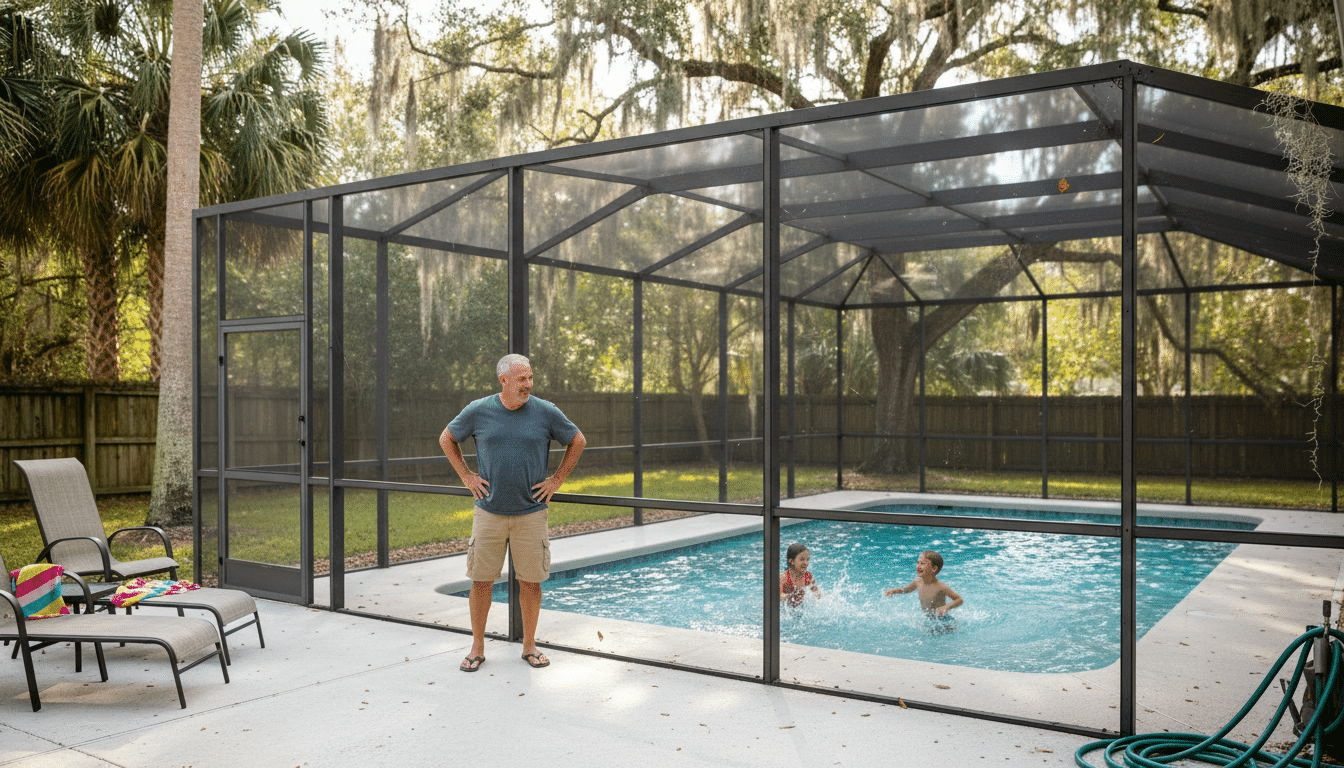
Many Central Florida homeowners think pool enclosures are optional upgrades for convenience. They’re actually legally required safety barriers under Florida law. Understanding enclosure essentials helps you protect your family, maintain code compliance, and maximize your pool investment. This guide covers legal requirements, safety benefits, materials, costs, and common misconceptions to help you make informed decisions about pool enclosure installation or upgrades in 2026.
Table of Contents
- Understanding Florida Pool Enclosure Legal Requirements
- Safety Benefits: How Pool Enclosures Protect Your Family
- Materials, Designs, And Maintenance Of Pool Enclosures In Central Florida
- Common Misconceptions About Pool Enclosures
- Practical Considerations: Costs, Permitting, And Upgrades
- Benefits Beyond Safety: Enhancing Usability And Property Value
- Explore Expert Pool Enclosure Solutions For Central Florida Homeowners
- Frequently Asked Questions
Key takeaways
| Point | Details |
|---|---|
| Legal requirement | Florida law mandates pool enclosures or equivalent barriers to prevent unsupervised access and drowning accidents. |
| Safety impact | Physical enclosures reduce drowning risks by creating barriers that self-closing gates and alarms cannot match alone. |
| Material selection | Aluminum frames with mesh screens offer durability and corrosion resistance for Florida’s humid, hurricane-prone climate. |
| Permit compliance | Proper permitting and inspections ensure your enclosure meets building codes and avoids fines or safety violations. |
| Property value boost | Code-compliant enclosures increase home values by 5-10% while reducing maintenance and extending pool usability. |
Understanding Florida pool enclosure legal requirements
Florida’s Residential Swimming Pool Safety Act establishes mandatory safety barriers for all residential pools. These regulations exist to prevent child drowning accidents, which remain a leading cause of accidental death in the state. Every pool owner must install an enclosure, fence, or approved barrier system that meets specific height and access control standards.
Enclosures must meet wind load standards and hurricane resistance features under the Florida Building Code. This requirement increases structural durability during severe weather events common to Central Florida. Your enclosure must withstand designated wind speeds for your geographic zone, typically 140+ mph in coastal areas.
Minimum height requirements dictate that barriers reach at least 4 feet tall with no gaps larger than 4 inches. Gates must feature self-closing, self-latching mechanisms installed at least 54 inches from ground level. These specifications prevent young children from opening gates independently or climbing over barriers.
Local jurisdictions in Central Florida often add requirements beyond state minimums:
- Orange County mandates specific mesh density standards for insect screens
- Seminole County requires additional wind load certifications for screen rooms
- Brevard County enforces stricter setback distances from property lines
- Lake County demands corrosion-resistant hardware in all coastal installations
Permit and inspection processes verify compliance before and after installation. You must submit architectural plans, obtain building permits, and schedule inspections at multiple construction stages. Skipping permits risks fines up to $5,000 and mandatory enclosure removal. Most municipalities require final inspections within 30 days of completion to ensure your Florida pool enclosure building code adherence.
Safety benefits: how pool enclosures protect your family
Physical barriers significantly reduce unsupervised access by children, lowering drowning risks substantially. Research shows properly installed enclosures prevent up to 80% of childhood drowning incidents compared to pools without barriers. This dramatic reduction stems from creating multiple access points that require adult intervention.
Enclosures outperform standalone fences or alarm systems through comprehensive coverage. Fences leave gaps during gate use and require constant vigilance. Pool alarms trigger after a child enters the water, creating dangerous response delays. Enclosures eliminate these vulnerabilities by surrounding the entire pool area with continuous physical barriers.
“The most effective drowning prevention strategy combines enclosures with self-latching gates positioned beyond a young child’s reach, creating redundant safety layers that protect families 24/7.”
Self-closing, self-latching gates meeting height requirements form your enclosure’s critical access control. Gates must close completely from any open position and latch automatically without manual engagement. The latch mechanism installed 54+ inches high prevents children under age 5 from reaching it, even when standing on tiptoe or using nearby objects.
Design features that deter unauthorized access include:
- Smooth vertical surfaces without footholds or climbing aids
- Tamper-resistant latch covers preventing manual release
- Alarm integration triggering when gates remain open beyond 30 seconds
- Transparent materials allowing visual supervision from inside the home
Common safety hazards stem from non-compliant gates and poor maintenance. Worn springs fail to close gates fully, leaving access points open. Corroded latches stick or release unexpectedly. Nearby furniture, planters, or AC units create climbing aids that defeat height requirements. Regular inspections catch these issues before they compromise your family’s safety.
Pro Tip: Test your gate monthly by opening it fully and releasing it from various angles. It should close completely and latch securely every time. If it doesn’t, adjust the closing mechanism or replace worn components immediately.
The role of pool enclosures florida extends beyond legal compliance to active family protection. Properly maintained enclosures provide peace of mind that physical barriers stand between curious children and water hazards. This protection remains constant, unlike human supervision that lapses during distractions. Understanding pool safety barrier benefits helps you prioritize features that maximize protection.
Materials, designs, and maintenance of pool enclosures in Central Florida
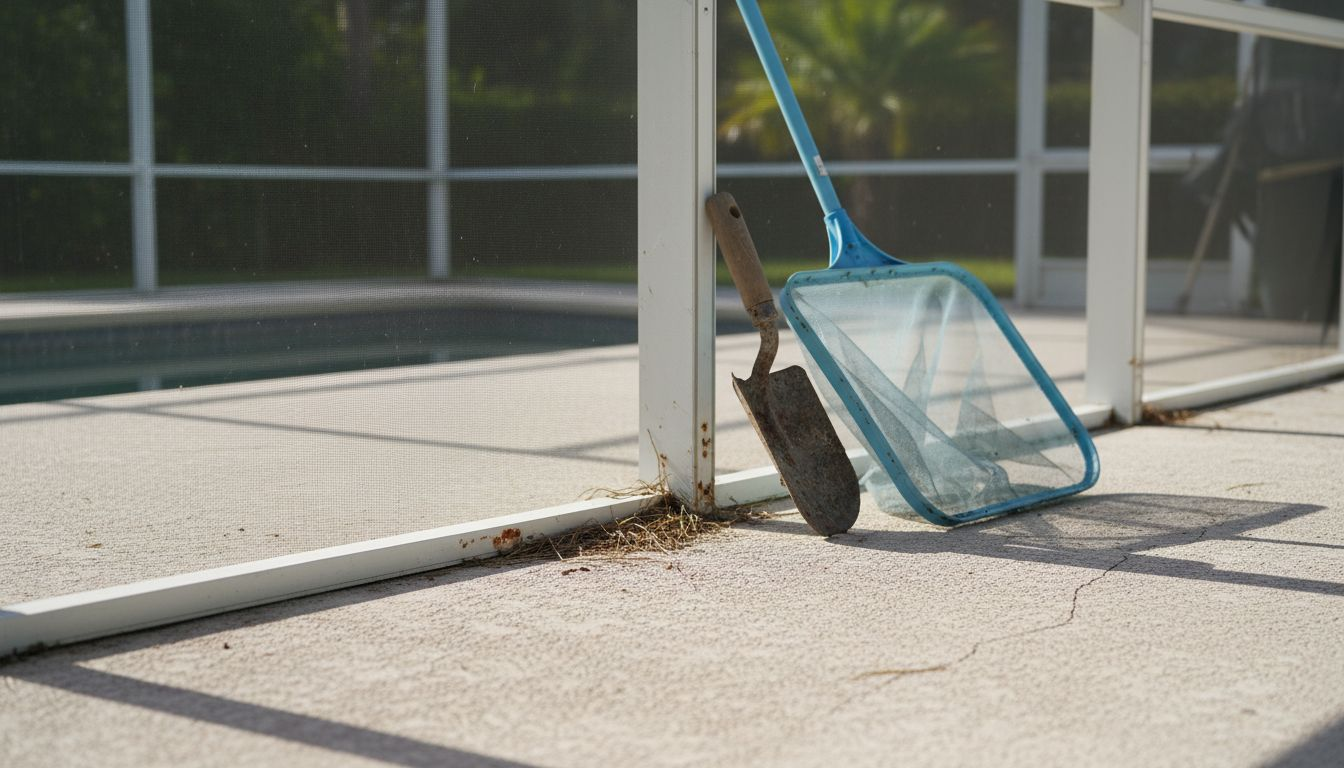
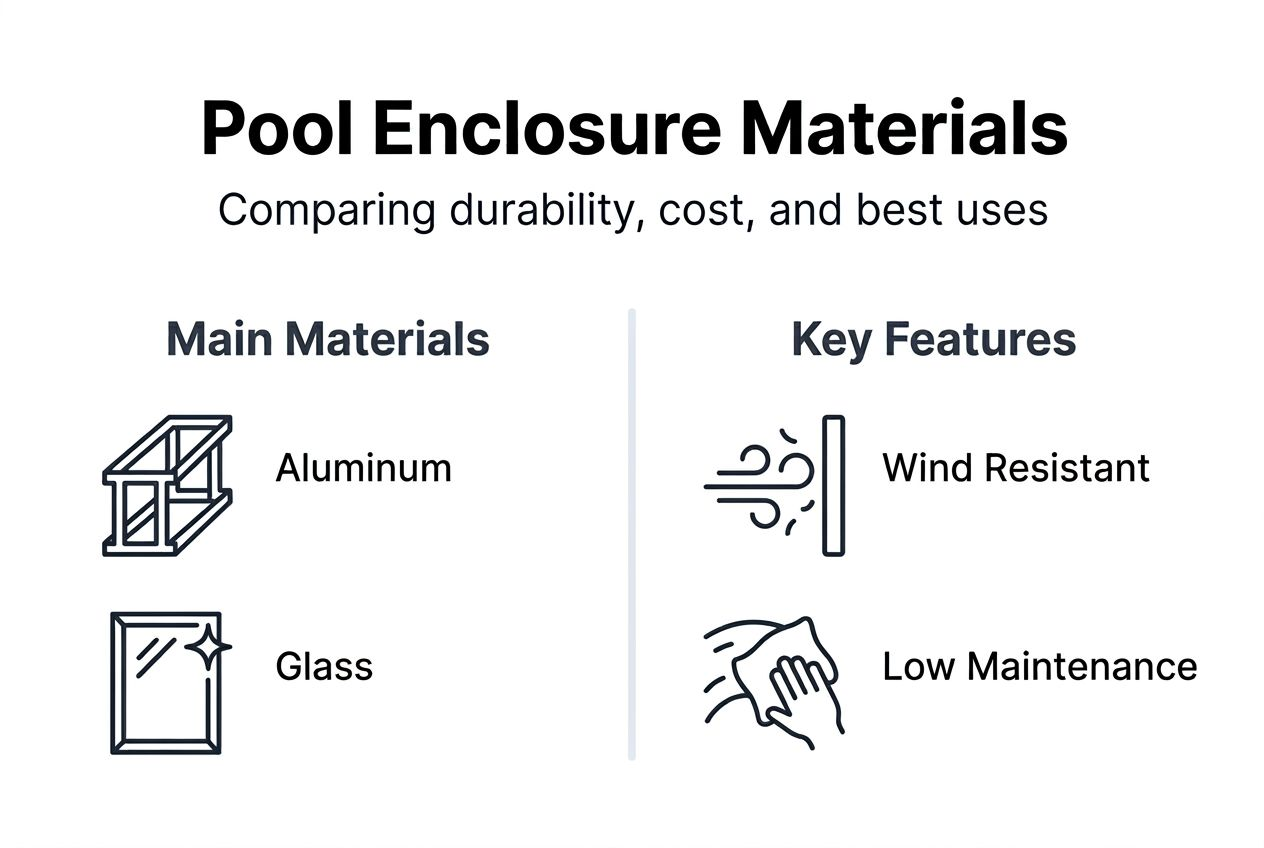
Aluminum frames with insect screen mesh dominate Central Florida installations due to proven durability and corrosion resistance. These materials withstand constant humidity, salt air in coastal areas, and intense UV exposure without degrading. Aluminum requires minimal maintenance compared to wood or steel alternatives that rot or rust in Florida’s climate.
Tempered glass panels offer premium alternatives for enhanced wind protection and unobstructed views. Glass enclosures resist hurricane-force winds better than mesh screens while providing year-round climate control. However, they cost 2-3 times more than aluminum-mesh systems and require professional cleaning to maintain clarity.
| Material | Durability | Cost | Maintenance | Best For |
|---|---|---|---|---|
| Aluminum-Mesh | 15-20 years | $8-15/sq ft | Minimal | Budget-conscious, insect protection |
| Tempered Glass | 25+ years | $25-40/sq ft | Moderate | Premium aesthetics, wind resistance |
| Polycarbonate | 10-15 years | $12-20/sq ft | Low | Impact resistance, partial views |
Strength considerations specific to Florida’s environment focus on hurricane resistance and structural integrity. Your enclosure must meet local wind load requirements, typically 140-180 mph depending on proximity to coastlines. Reinforced corner posts, cross-bracing, and foundation anchoring systems distribute wind forces safely. Engineered designs account for uplift, lateral pressure, and debris impact scenarios.
Routine maintenance practices preserve code compliance and extend lifespan:
- Inspect screens quarterly for tears, allowing insects or debris entry
- Clean aluminum frames monthly using mild soap to prevent oxidation buildup
- Lubricate gate hinges and latches every six months for smooth operation
- Check foundation anchors annually for loosening or concrete deterioration
- Replace damaged screens immediately to maintain barrier integrity
Screen replacement becomes necessary every 7-10 years as UV exposure degrades mesh fibers. Torn or sagging screens compromise insect protection and create visual eyesores. Professional replacement ensures proper tension and secure attachment to frames. DIY replacement risks improper installation that fails during wind events.
Pro Tip: Schedule professional inspections every three years to catch structural issues before they become costly repairs. Inspectors identify frame corrosion, loose fasteners, and code compliance problems that typical homeowners miss.
Design considerations balance aesthetics with functional durability. Color choices affect heat absorption, with bronze and darker tones retaining more warmth than white or silver finishes. Roof pitch influences water drainage and debris accumulation. Dome or mansard roof designs shed rain effectively while flat roofs require more frequent cleaning. Understanding central Florida pool enclosure materials helps you select systems matching your climate challenges and aesthetic preferences.
Common misconceptions about pool enclosures
Many homeowners believe fences or alarms alone satisfy Florida’s legal requirements. This assumption creates compliance violations and safety gaps. Florida law mandates enclosures or ASTM-compliant safety covers as primary barriers. Fences only qualify when they completely surround the pool with self-closing gates and meet all height specifications. Alarms serve as supplementary devices, not primary safety measures under current regulations.
Another widespread myth suggests enclosures eliminate all pool maintenance needs. Reality differs significantly. Enclosures reduce debris and insect intrusion by 50-70% but don’t prevent algae growth, chemical imbalances, or equipment failures. You still need regular cleaning, water testing, and filter maintenance. Enclosures simply reduce the frequency and intensity of these tasks.
Misunderstandings about warranties and safety guarantees create unrealistic expectations:
- Manufacturer warranties typically cover structural defects, not screen tears from normal use or storm damage
- Safety certifications verify code compliance at installation but don’t guarantee accident prevention without proper maintenance
- Insurance discounts require documented annual inspections, not just initial installation
- Liability protection depends on maintaining self-closing gates and addressing known hazards promptly
- Extended warranties usually exclude labor costs, covering only replacement parts
Inadequate gate latches and climbing hazards near enclosures frequently cause code violations and increased accident risks. Homeowners install furniture, grills, or planters near gates without realizing these items provide footholds. Children use them to reach latches or climb over barriers. Code enforcement requires maintaining clear zones around gates and removing any climbing aids within reach.
The belief that alternative safety measures replace enclosures under Florida law persists despite clear regulations. Pool covers, motion sensors, and door alarms provide valuable supplementary protection. None satisfy the mandatory barrier requirement alone. Your pool must have a physical enclosure or fence meeting all dimensional and operational standards. Relying solely on alternative measures results in citations, fines, and liability exposure if accidents occur.
Proper latch heights and self-closing mechanisms remain misunderstood even among experienced pool owners. Latches installed below 54 inches from the ground fail code requirements regardless of how secure they seem. Gates that require manual latching don’t meet self-latching standards, even if they close automatically. These distinctions matter during inspections and liability determinations following accidents. Understanding pool enclosure code compliance mistakes prevents costly corrections and safety vulnerabilities.
Practical considerations: costs, permitting, and upgrades
New pool enclosure installations in Central Florida typically range from $8,000 to $30,000 depending on size and materials. Basic aluminum-mesh enclosures for standard pools cost $8-15 per square foot. Premium glass or polycarbonate systems reach $25-40 per square foot. Upgrade projects replacing existing enclosures run 30-50% less than new installations by reusing existing foundations and posts.
Cost factors influencing final pricing include:
- Pool size and irregular shapes requiring custom fabrication
- Roof style complexity, with dome designs costing 15-20% more than flat roofs
- Material upgrades from standard mesh to impact-resistant or tinted options
- Permit fees, inspections, and engineering certifications adding $800-2,000
- Site preparation including concrete work, grading, and obstacle removal
Obtaining permits requires submitting detailed architectural plans to your local building department. Plans must show dimensions, materials specifications, wind load calculations, and gate locations. Most Central Florida municipalities process permits within 14-21 business days. Inspection requirements typically include foundation verification, framing inspection, and final completion review before occupancy approval.
| Installation Phase | Typical Cost | Timeline | Common Issues |
|---|---|---|---|
| Permit & Engineering | $800-2,000 | 2-3 weeks | Missing calculations, plan revisions |
| Foundation & Posts | $2,000-5,000 | 3-5 days | Poor soil conditions, incorrect spacing |
| Frame & Screen | $5,000-20,000 | 5-10 days | Alignment errors, tension issues |
| Gates & Hardware | $500-1,500 | 1-2 days | Non-compliant latches, poor adjustment |
Gate mechanisms and compliance failures frequently cause installation mistakes leading to fines and safety issues. Contractors sometimes install standard latches below required heights or use non-self-closing hinges to reduce costs. These shortcuts create code violations discovered during final inspections. Corrections delay project completion and add unexpected expenses.
Common installation mistakes include:
- Ignoring permit requirements to save fees, risking demolition orders
- Using non-rated materials that fail wind load certifications
- Installing gates that swing outward, violating barrier effectiveness standards
- Placing posts too close to property lines, creating setback violations
- Skipping engineering certifications required for custom designs
Upgrade timing considerations focus on code changes and wear indicators. Florida updates building codes every three years, sometimes requiring enclosure modifications. Significant screen damage, frame corrosion, or gate mechanism failures necessitate immediate upgrades regardless of age. Proactive upgrades before failures prevent emergency repairs during peak season when contractor availability drops and prices spike.
Pro Tip: Request itemized quotes separating materials, labor, permits, and contingencies. This transparency helps you compare contractors accurately and identify where costs concentrate. Avoid contractors who bundle everything into single line items, hiding potential markup areas.
Financing options make major installations manageable through monthly payments. Many pool contractors offer 12-48 month payment plans with competitive interest rates. Home equity lines of credit provide lower rates for qualified borrowers. Some manufacturers offer promotional financing with deferred interest periods. Understanding pool enclosure compliance mistakes helps you budget for proper installation that avoids costly corrections.
Benefits beyond safety: enhancing usability and property value
Pool enclosures extend swimming seasons year-round by blocking wind, insects, and harsh UV rays. Central Florida’s mild winters become comfortable for pool use when enclosures trap solar warmth and eliminate wind chill. Summer protection from intense sun allows longer swimming sessions without sunburn risks. This climate control transforms pools from seasonal amenities into daily lifestyle features.
Debris reduction reaches 50% and property values increase by 5-10% with properly maintained enclosures. Less debris means fewer filter clogs, reduced chemical consumption, and lower maintenance costs. Homebuyers in Central Florida specifically seek properties with quality enclosures, viewing them as premium features that justify higher offers. Appraisers recognize this added value during home valuations.
Insect protection eliminates mosquitoes, flies, and other pests that make outdoor activities miserable during Florida summers. Mesh screens fine enough to block no-see-ums while allowing airflow create comfortable environments. You spend more time enjoying your pool area instead of applying repellents or retreating indoors. This usability improvement directly impacts your quality of life and entertainment options.
“Enclosures reduce weekly pool maintenance time by 40% while cutting annual chemical costs by $200-400 through decreased evaporation and contamination. These savings accumulate significantly over the enclosure’s 15-20 year lifespan.”
Insurance advantages emerge from documented safety improvements and reduced liability exposure. Some carriers offer 5-10% discounts on homeowner’s premiums when pools feature compliant enclosures with self-closing gates. Reduced accident risks lower claim frequencies, making you a more attractive policyholder. Always document your enclosure installation with photos and permits for insurance verification.
Outdoor living space enjoyment multiplies when enclosures create sheltered areas for furniture, grills, and entertainment equipment. Protected spaces resist weather damage and remain usable during light rain. Many homeowners furnish enclosed pool areas as outdoor rooms, adding ceiling fans, lighting, and comfortable seating. This expansion effectively increases your home’s functional square footage without interior renovations.
Energy efficiency improvements occur when enclosures reduce pool water evaporation by 30-50%. Less evaporation means fewer chemicals lost, lower water bills, and reduced heater operation. Heated pools maintain temperatures longer when enclosed, cutting heating costs substantially. These operational savings offset enclosure maintenance expenses over time. Exploring pool benefits Central Florida reveals how enclosures maximize your investment returns through multiple value channels. Understanding pool enclosure property value benefits helps you view installations as strategic property improvements, not just regulatory compliance.
Explore expert pool enclosure solutions for Central Florida homeowners
Ready to upgrade your pool safety and enjoyment? Professional installation ensures code compliance while maximizing durability and aesthetics. Whether you’re planning a new pool or upgrading an existing enclosure, expert guidance makes the process smooth and stress-free.
Discover comprehensive resources tailored for Central Florida homeowners. Our custom pool installation guide Central Florida walks you through design choices, material selection, and contractor evaluation. Planning an upgrade? Check out our detailed pool renovation checklist Central Florida covering permits, timelines, and budget considerations. Explore flexible pool financing options that fit your budget and timeline, making quality enclosures accessible without compromising on safety or durability.
Frequently asked questions
Are pool enclosures required by law in Central Florida?
Yes, Florida’s Residential Swimming Pool Safety Act mandates barriers for all residential pools. You must install an enclosure, fence, or approved safety cover meeting specific height and access control standards. Local Central Florida jurisdictions often add requirements beyond state minimums, so verify your county’s specific codes before installation.
How much does a pool enclosure cost in 2026?
Basic aluminum-mesh enclosures cost $8-15 per square foot, totaling $8,000-15,000 for average pools. Premium glass or polycarbonate systems range from $25-40 per square foot, reaching $20,000-30,000 installed. Costs vary based on pool size, material choice, roof complexity, and local permit fees. Upgrades replacing existing enclosures typically cost 30-50% less than new installations.
What maintenance do pool enclosures need?
Inspect screens quarterly for tears and clean aluminum frames monthly with mild soap. Lubricate gate hinges and latches every six months to ensure proper self-closing operation. Check foundation anchors annually for loosening. Replace damaged screens immediately to maintain insect protection and barrier integrity. Professional inspections every three years catch structural issues early.
Can I install a pool enclosure myself?
While technically possible, DIY installation risks code violations, structural failures, and permit denials. Florida requires engineered plans, proper permitting, and multiple inspections. Most jurisdictions mandate licensed contractor installation for enclosures. Improper installation voids warranties, creates safety hazards, and may require complete removal. Professional installation ensures compliance and long-term durability.
How long do pool enclosures last in Florida?
Aluminum-mesh enclosures typically last 15-20 years with proper maintenance. Tempered glass systems can exceed 25 years. Screen mesh requires replacement every 7-10 years due to UV degradation. Lifespan depends on material quality, installation precision, maintenance consistency, and storm exposure. Hurricane damage can shorten lifespans unpredictably, making regular inspections critical.
Do pool enclosures increase home value?
Yes, quality enclosures increase Central Florida home values by 5-10% according to local appraisers. Buyers view compliant enclosures as premium features reducing future expenses and safety concerns. Homes with well-maintained enclosures sell faster and command higher prices than comparable properties without them. This appreciation offsets installation costs over typical ownership periods.
