Central Florida homeowners often underestimate how quickly their pool chemistry can spiral out of balance. In our subtropical climate, chlorine dissipates up to 30% faster than in cooler regions, and algae blooms can appear within days of neglect. Proper pool maintenance isn’t just about keeping water clear; it’s about protecting your family’s health, preserving expensive equipment, and safeguarding your home’s value. This guide explains why consistent upkeep is essential and how to approach it effectively.
Table of Contents
- Why Pool Maintenance Is Critical For Safety In Central Florida
- How Proper Maintenance Extends Pool Lifespan And Cuts Costs
- Why Pool Upkeep Boosts Your Home’s Market Value In Central Florida
- Special Considerations For Pool Maintenance In Central Florida’s Subtropical Climate
- Explore Expert Pool Installation And Maintenance Support In Central Florida
Key takeaways
| Point | Details |
|——-|———||
| Safety protection | Regular testing reduces waterborne illness risk by up to 90% through proper chemical balance. |
| Equipment longevity | Balanced water chemistry and routine cleaning can extend pump lifespan by 50%, delaying costly replacements. |
| Property value boost | Well-maintained pools increase home resale value by 5 to 10% compared to neglected pools. |
| Climate challenges | Florida’s heat and humidity accelerate chemical depletion and algae growth, requiring more frequent attention. |
| Professional advantage | Expert maintenance ensures accurate chemical balancing and early detection of climate-specific equipment wear. |
Why pool maintenance is critical for safety in Central Florida
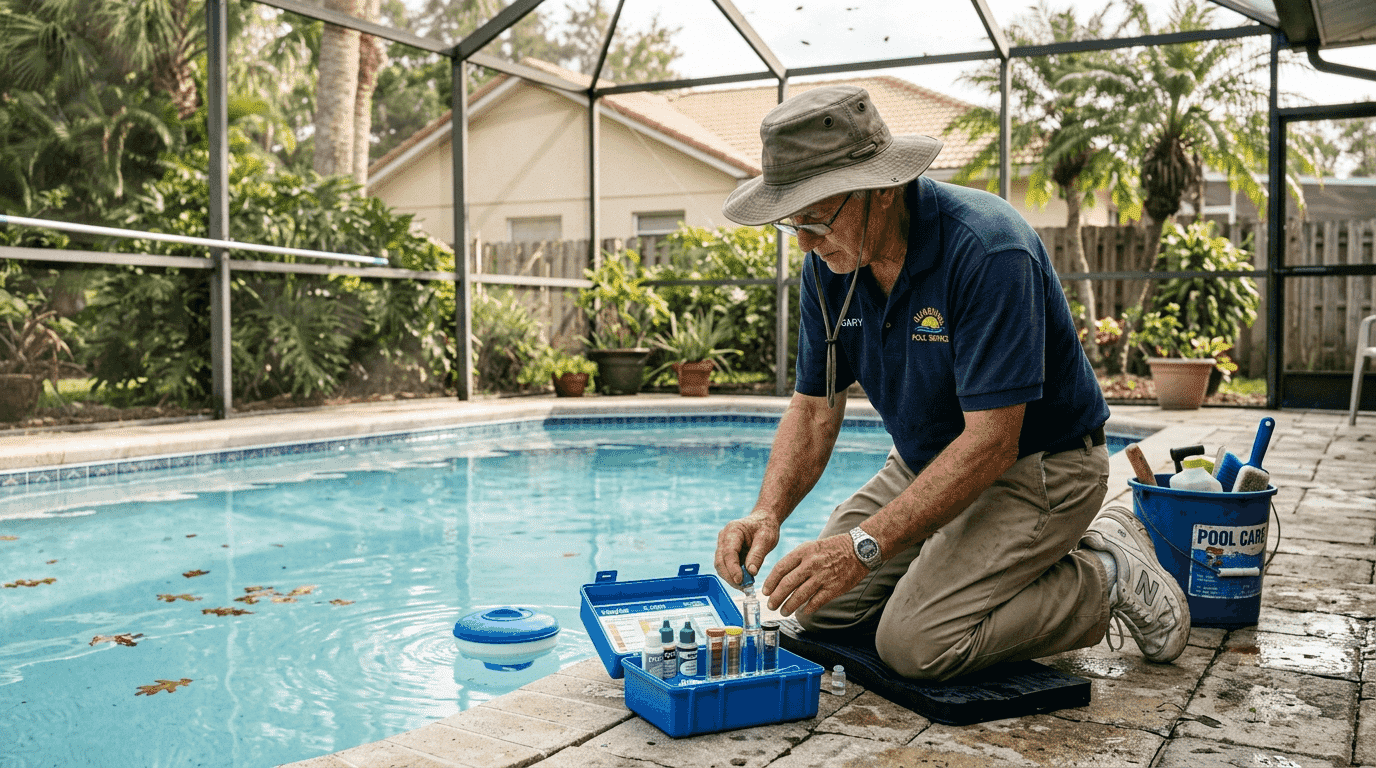
Your pool can transform from sparkling oasis to bacteria breeding ground faster than you think. Without consistent chemical balancing, harmful microorganisms multiply rapidly, putting swimmers at risk for infections and illnesses. Chlorine levels must stay between 1 to 3 parts per million to effectively sanitize water and eliminate pathogens.
Central Florida’s climate creates unique challenges that accelerate these risks. High temperatures and humidity cause chlorine to dissipate faster than in temperate regions, leaving water vulnerable to contamination. Combined with frequent afternoon rain showers that dilute chemicals and introduce debris, your pool chemistry requires constant vigilance.
Testing your water at least two to three times weekly during swimming season isn’t excessive; it’s essential. Regular monitoring and adjustment prevent dangerous imbalances before they threaten health. Professional testing provides accuracy beyond basic home kits, identifying subtle shifts in pH, alkalinity, and sanitizer levels.
Beyond chemical balance, comprehensive safety maintenance includes:
- Inspecting and maintaining functional fencing and self-closing gates
- Testing pool alarms and safety covers regularly
- Checking drain covers for secure attachment
- Ensuring rescue equipment remains accessible and functional
Pro Tip: Always test your pool water before adding chemicals, not after swimming sessions end. Morning testing gives you accurate baseline readings before sun exposure and swimmer load affect chemistry.
The role of pool equipment extends beyond filtration to include safety mechanisms that require regular inspection. Broken or malfunctioning equipment creates hazards that proper maintenance prevents.
How proper maintenance extends pool lifespan and cuts costs
Imbalanced water chemistry silently destroys your pool infrastructure from within. When pH levels drift too low, acidic water corrodes metal components, etches plaster surfaces, and damages tile grout. Conversely, high pH creates scaling that clogs filters, reduces heater efficiency, and leaves unsightly calcium deposits on surfaces.
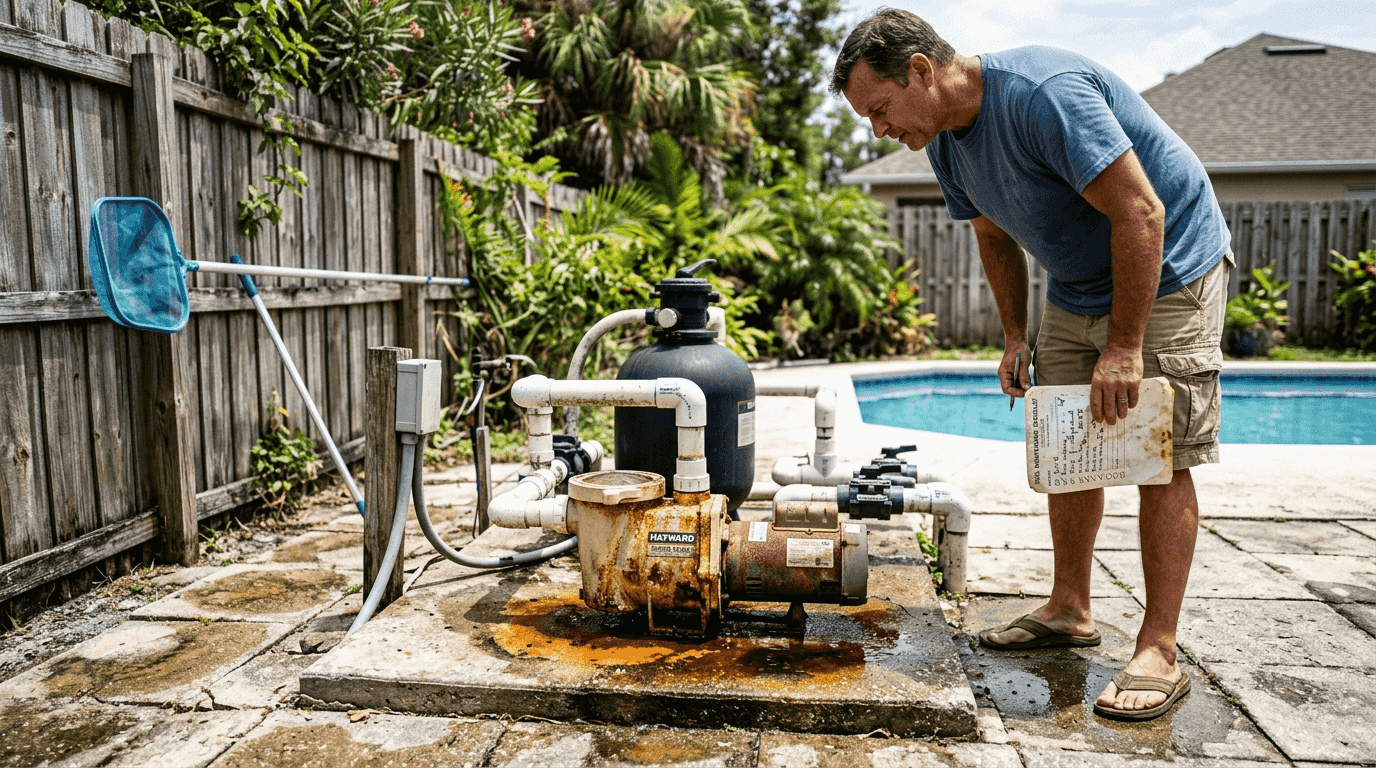
These chemical imbalances cost homeowners thousands in premature equipment replacement. Maintaining balanced chemistry prevents corrosion and scaling, preserving pumps, heaters, and filtration systems for years beyond their expected failure points. The difference between a pump lasting 5 years versus 10 years represents significant savings.
Routine maintenance tasks that protect your investment include:
- Weekly filter cleaning to maintain optimal flow and filtration efficiency
- Monthly backwashing to remove accumulated debris and restore pressure
- Regular shock treatments to oxidize contaminants and restore sanitizer effectiveness
- Quarterly equipment inspections to identify wear before components fail
- Annual professional service to calibrate systems and replace worn parts
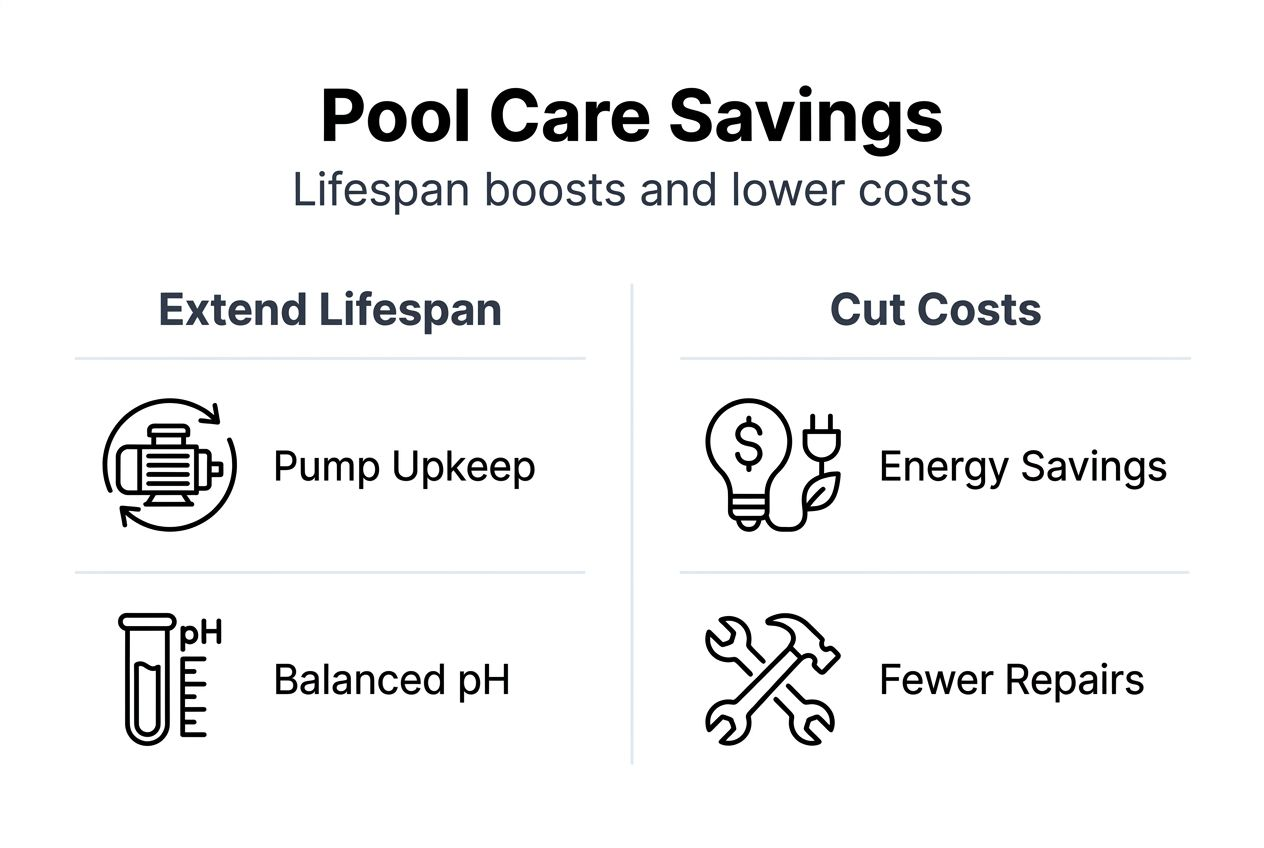
Research shows proper maintenance extends pump lifespan by up to 50%, transforming a $1,200 replacement every 5 years into a $1,200 investment every 7 to 8 years. Multiply these savings across all pool equipment, and maintenance pays for itself many times over.
Pro Tip: pH and alkalinity form the foundation of water chemistry. Balance these first, as they influence chlorine effectiveness, calcium hardness, and every other chemical factor. Chasing perfect chlorine levels while ignoring pH wastes time and money.
The role of pool maintenance extends beyond preventing breakdowns to optimizing energy efficiency. Clean filters and balanced chemistry reduce pump run time, lowering electricity costs while maintaining water quality. Algae prevention eliminates the need for expensive remediation treatments that can cost hundreds per outbreak.
Why pool upkeep boosts your home’s market value in Central Florida
Potential buyers form immediate impressions when they see your pool. Crystal clear water, pristine tile, and well-maintained decking signal a homeowner who cares for their property. Conversely, green water, stained surfaces, or visible equipment damage raise red flags about deferred maintenance throughout the home.
The Central Florida real estate market places premium value on functional outdoor living spaces. Well-maintained pools increase resale value by 5 to 10% compared to neglected pools, translating to tens of thousands of dollars on typical home sales. This differential reflects buyer willingness to pay more for move-in ready amenities versus properties requiring immediate repair investments.
Maintenance directly impacts buyer perception and offer amounts:
- Clean, balanced water demonstrates ongoing care and reduces buyer concerns
- Functional equipment eliminates negotiation leverage over needed repairs
- Aesthetic appeal creates emotional connection that justifies higher offers
- Documentation of regular service builds buyer confidence in pool condition
Market data reveals the tangible value difference:
| Pool Condition | Typical Value Impact | Buyer Response |
|---|---|---|
| Well-maintained | +7% to 10% | Strong interest, full-price offers common |
| Average upkeep | +3% to 5% | Moderate interest, some repair negotiations |
| Neglected | 0% to negative | Buyer hesitation, significant price reductions |
| Major issues | Negative 5% to 10% | Deal breakers, extensive repair demands |
Homes with aesthetic appeal and structural integrity command premium prices because buyers avoid properties requiring immediate investment. A $2,000 annual maintenance budget protects a $30,000 to $50,000 value premium at sale time.
The connection between pool maintenance and home value becomes especially clear during home inspections. Inspectors scrutinize equipment function, surface condition, and safety compliance. Maintenance records demonstrating consistent professional service eliminate inspection concerns that derail sales or trigger renegotiations.
Special considerations for pool maintenance in Central Florida’s subtropical climate
Central Florida’s year-round warmth fundamentally changes pool maintenance requirements. While northern homeowners winterize pools for months, you face continuous algae pressure, accelerated chemical consumption, and equipment wear that never stops.
The subtropical environment accelerates algae growth and equipment deterioration, creating maintenance demands that differ dramatically from temperate climates. Water temperatures rarely drop below 70 degrees, providing ideal conditions for algae blooms even in winter months. High humidity prevents natural evaporation from concentrating pool chemicals, while intense UV radiation breaks down chlorine faster than clouds can protect it.
Equipment faces additional stress in Florida conditions. UV exposure and moisture reduce lifespan by up to 30% compared to drier climates, as constant humidity promotes corrosion and heat accelerates component degradation. Pool pumps, heaters, and automation systems age faster when operating in Florida’s demanding environment.
Maintenance frequency comparisons illustrate the climate impact:
| Task | Central Florida | Temperate Climate |
|---|---|---|
| Water testing | 2 to 3 times weekly | Once weekly |
| Filter cleaning | Weekly | Bi-weekly |
| Shock treatment | Weekly | Bi-weekly to monthly |
| Brushing surfaces | Twice weekly | Weekly |
| Equipment inspection | Monthly | Quarterly |
Florida-specific maintenance priorities include:
- Increasing shock treatment frequency during summer heat waves
- Monitoring phosphate levels that fuel stubborn algae growth
- Cleaning salt cells monthly in saltwater systems
- Inspecting equipment seals for humidity damage
- Adjusting chemical doses for afternoon thunderstorm dilution
Pro Tip: Schedule professional inspections quarterly rather than annually to catch climate-related wear early. Florida’s year-round pool season means equipment never rests, and small issues escalate quickly without expert monitoring.
Understanding custom pool planning for Central Florida climate factors helps new pool owners prepare for realistic maintenance commitments. Proper initial design including adequate circulation, quality equipment, and effective automation reduces ongoing maintenance burden while ensuring longevity.
Explore expert pool installation and maintenance support in Central Florida
Navigating pool maintenance complexities becomes simpler with professional guidance tailored to Central Florida’s unique demands. Whether you’re planning a new pool or optimizing existing maintenance routines, expert support ensures your investment delivers maximum value and enjoyment.
Professional inground pool installation designed specifically for Central Florida conditions creates a foundation for easier, more effective maintenance. Quality construction with climate-appropriate materials and equipment reduces long-term upkeep challenges while enhancing durability.
Expert maintenance services provide precise chemical balancing, thorough equipment care, and early problem detection that DIY approaches often miss. Professional technicians understand how Florida’s climate affects your specific pool type, adjusting treatment protocols to prevent issues before they compromise safety or require expensive repairs.
Following comprehensive custom pool planning guidance helps you make informed decisions about features, equipment, and maintenance systems that align with your lifestyle and budget. Understanding the impact of professional maintenance on safety, costs, and property value empowers you to protect your investment effectively while enjoying worry-free pool ownership.
FAQ
How often should I test my pool water in Central Florida?
Test your pool water at least two to three times per week during swimming season to maintain proper chemical balance. Testing frequency of 2 to 3 times weekly becomes crucial during peak use periods. Increase testing after heavy rainstorms or pool parties when water chemistry shifts rapidly.
What are the most important safety features to maintain around a pool?
Maintain functional fencing with self-closing gates, working pool alarms, and secure safety covers to comply with local codes and prevent accidents. Regularly inspect all pool equipment safety features including drain covers, ladders, and rescue equipment. Replace worn or damaged safety components immediately rather than delaying repairs.
How does Florida’s climate affect pool maintenance requirements?
Florida’s heat and humidity accelerate algae growth and cause chlorine to dissipate faster than cooler climates. This requires more frequent chemical adjustments, filter cleaning, and shock treatments compared to northern pools. Understanding these Central Florida-specific planning considerations helps you budget time and resources appropriately.
Can I handle pool maintenance myself or should I hire professionals?
Basic maintenance tasks like skimming debris and monitoring chlorine levels work well as DIY projects for motivated homeowners. However, professional service ensures accurate water chemistry testing, proper equipment calibration, and early detection of problems your eye might miss. Many homeowners combine weekly DIY care with monthly or quarterly professional service for optimal results and peace of mind.
How much does pool maintenance typically cost in Central Florida?
Monthly professional maintenance typically ranges from $100 to $200 depending on pool size, type, and service frequency. DIY maintenance costs $50 to $100 monthly for chemicals and supplies, though this excludes equipment repairs or specialized treatments. While professional service costs more upfront, it often saves money by preventing expensive damage from improper chemical balance or missed equipment issues.
