
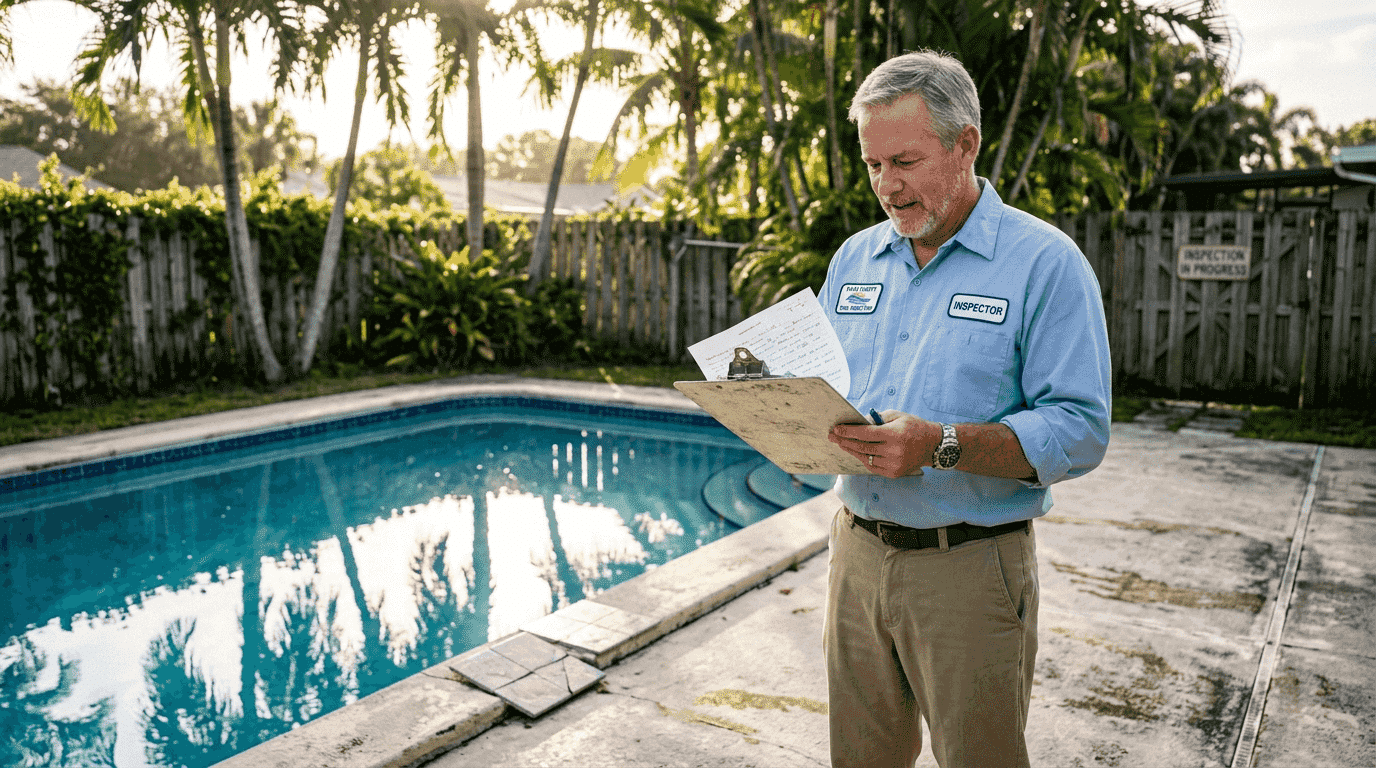
Many homeowners mistakenly view pool inspections as red tape, a bureaucratic formality that slows down their dream pool project. This misconception can lead to serious safety risks and fines reaching thousands of dollars. In Central Florida, pool inspections serve as critical checkpoints ensuring your custom pool meets Florida’s safety codes, protects your family, and preserves your investment. This guide clarifies inspection roles, permit requirements, and compliance strategies specific to Central Florida custom pool projects in 2026.
Table of Contents
- Understanding Pool Inspection Roles And Safety Requirements
- Permit Requirements And Inspection Stages For Pool Resurfacing And Custom Renovations
- Special Considerations For Custom Pool Designs And Local Regulations
- Maintaining Compliance And The Benefits Of Regular Inspections Throughout Your Pool’s Lifespan
- Discover Expert Custom Pool Services For Central Florida Homeowners
- Frequently Asked Questions
Key takeaways
| Point | Details |
|---|---|
| Pool inspections ensure safety and legal compliance | Florida mandates specific barrier heights and safety features to prevent drowning accidents |
| Permit requirements vary by county | Orange, Pinellas, and Seminole counties each have unique permit fees and inspection stages for renovations |
| Custom designs demand specialized inspections | Non-standard shapes, water features, and complex plumbing require additional scrutiny beyond basic pools |
| Ignoring inspections risks fines and costs | Non-compliance is a misdemeanor in Florida and can increase long-term maintenance expenses by 30% |
| Regular inspections protect your investment | Early detection of structural issues prevents expensive repairs and maintains property value |
Understanding pool inspection roles and safety requirements
Pool inspections in Florida exist primarily to enforce barrier requirements under Florida Statute §515, which mandates specific safety features protecting children from drowning. These inspections verify that your pool installation or renovation meets legal standards designed to save lives. Every year, drowning remains a leading cause of accidental death for young children in Florida, making these requirements far more than bureaucratic formality.
Florida law requires barriers at least 4 feet high surrounding residential pools, with strict specifications about gaps, gate mechanisms, and climbable surfaces. Inspectors measure barrier height precisely, check for gaps exceeding four inches, and verify self-closing, self-latching gates open outward away from the pool. These specifications exist because determined toddlers can exploit any structural weakness to access water unsupervised.
Beyond barriers, inspections confirm approved safety features like pool alarms, safety covers meeting ASTM standards, or direct door alarms if your home provides direct pool access. You have flexibility in choosing which approved features to install, but inspectors must verify at least one compliant system protects every pool. When planning your pool renovation checklist, factor these requirements early to avoid costly retrofits.
Key safety elements inspectors verify:
- Barrier height and structural integrity meeting Florida specifications
- Self-closing, self-latching gate mechanisms functioning properly
- Absence of climbable surfaces within three feet of barriers
- Approved alarms or safety covers as barrier alternatives
- Electrical bonding and grounding preventing shock hazards
Non-compliance carries serious consequences. Florida statute classifies safety violations as second-degree misdemeanors, potentially resulting in fines and mandatory attendance at drowning prevention education programs. Beyond legal penalties, homeowners who skip inspections face significantly higher maintenance costs down the line. Studies show pools without proper initial inspections experience equipment failures and structural issues requiring repairs that increase total ownership costs by approximately 30% over five years.
“Florida’s approach to pool safety combines physical barriers, technological solutions like alarms, public education, and strict enforcement to create multiple layers of protection for children.”
Pro Tip: Schedule your initial inspection consultation before finalizing custom pool designs. Inspectors can identify potential compliance issues during the planning phase, saving you from expensive design changes after construction begins.
Permit requirements and inspection stages for pool resurfacing and custom renovations
Understanding when you need permits prevents project delays and legal headaches. In Central Florida, permits are required for structural changes affecting pool safety or integrity, including shell modifications, finish replacements involving removal of existing surfaces, plumbing alterations, and deck expansions. Simple cosmetic work like minor patching or tile replacement typically does not require permits, but confirm with your local building department before starting work.
The inspection process unfolds in distinct stages, each verifying specific compliance elements. Plan review happens first, where officials examine your proposed designs against Florida Building Code and local amendments. Inspectors check structural calculations, safety feature placements, and electrical plans during this paper review before any physical work begins. Passing plan review does not guarantee smooth sailing, but it confirms your design meets code on paper.
Once construction starts, you will face multiple field inspections. The bonding inspection occurs after electrical work installation but before covering, verifying all metal components are properly bonded to prevent electrical shock. The finish inspection happens after surface application, checking material quality and proper installation techniques. If your renovation includes deck modifications, expect a separate structural inspection verifying proper drainage, non-slip surfaces, and adequate support.
Permit requirements and inspection stages vary significantly across Central Florida counties. Orange County typically requires three inspections for major renovations with permit fees around $350. Pinellas County may mandate four inspections with fees reaching $425. Seminole County often requires two inspections with fees near $300. These variations reflect different local priorities and enforcement philosophies.
| County | Typical Permit Fee | Standard Inspection Count | Average Processing Time |
|---|---|---|---|
| Orange | $350 | 3 inspections | 5-7 business days |
| Pinellas | $425 | 4 inspections | 7-10 business days |
| Seminole | $300 | 2 inspections | 4-6 business days |
| Hillsborough | $375 | 3 inspections | 6-8 business days |
Common permit rejection reasons include incomplete applications missing required documentation, designs conflicting with setback requirements or easements, inadequate safety barrier specifications, and electrical plans not meeting current code. Each rejection delays your project weeks while you revise and resubmit, making initial accuracy essential.
Steps to streamline your permit approval:
- Gather property surveys and existing pool documentation before applying
- Verify your design complies with current Florida Building Code amendments
- Include detailed specifications for all safety features and materials
- Submit complete electrical and plumbing plans with licensed contractor stamps
- Schedule pre-application consultations with building department staff
- Confirm your contractor holds current licenses and insurance certificates
Pro Tip: Work with contractors experienced in your specific county’s requirements. Local expertise navigating inspection quirks and building department preferences dramatically reduces approval delays. Ask potential contractors how many projects they have completed in your municipality within the past year, focusing on those demonstrating consistent success with pool installation steps similar to your planned renovation.
Special considerations for custom pool designs and local regulations
Custom pool features like vanishing edges, grottos, water slides, and integrated spas introduce complexity requiring specialized inspection attention. Standard rectangular pools follow straightforward code compliance, but custom designs require specialized scrutiny addressing unique safety and structural challenges. Inspectors examine non-standard shapes for hidden entrapment risks, verify water feature electrical safety, and confirm complex plumbing meets code standards.
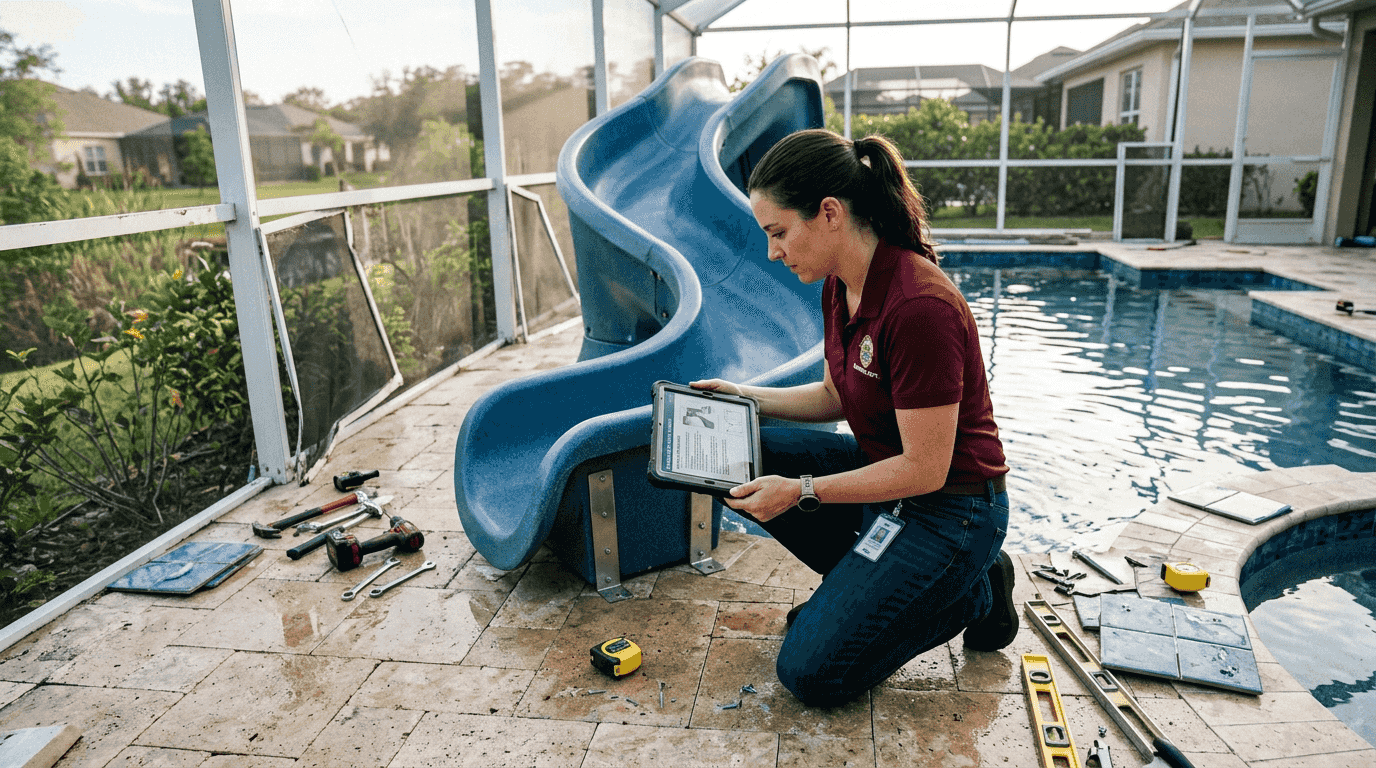
Local municipal codes often impose requirements beyond county regulations. Tampa and other cities may add amendments addressing neighborhood aesthetics, historical district restrictions, or environmental protections. These local amendments can affect allowable materials, barrier designs, and even pool placement on your property. A design approved in unincorporated Hillsborough County might face additional hurdles within Tampa city limits.
Jurisdictional comparison of key requirements:
| Jurisdiction | Barrier Height | Gate Requirements | Special Restrictions |
|---|---|---|---|
| Orange County | 4 feet minimum | Self-closing, self-latching | Setback 10 feet from property lines |
| Pinellas County | 4 feet minimum | Self-closing, self-latching, outward opening | Drainage plan required |
| Tampa (city) | 4 feet minimum | Self-closing, self-latching, keyed locks | HOA approval before permit |
| Seminole County | 4 feet minimum | Self-closing, self-latching | Impact-resistant barriers in hurricane zones |
Homeowners associations add another compliance layer affecting inspections and permits. Many HOAs require architectural review board approval before you can apply for county permits. HOA rules may dictate specific materials, color palettes, or design elements more restrictive than county codes. Failing to secure HOA approval first can force expensive redesigns even after passing county plan review.
Unique inspection focus areas for custom pools include:
- Electrical grounding for waterfalls, fountains, and decorative lighting
- Structural integrity of rock formations and artificial grottos
- Entrapment prevention in irregular shapes and underwater benches
- Proper chemical distribution in multi-depth or oddly shaped pools
- Accessibility compliance for integrated spa and pool combinations
Complex plumbing systems in custom pools face intense inspection scrutiny. Multi-speed pumps, elaborate filtration systems, and separate spa heating require proper installation preventing backflow, ensuring adequate circulation, and meeting energy efficiency standards. Inspectors verify pipe sizing matches flow requirements, check valve placements prevent contamination, and confirm heating systems include required safety cutoffs.
Pro Tip: Before finalizing your custom pool installation guide plans, schedule informal consultations with both county building officials and your HOA architectural review board. These early conversations identify potential conflicts between different regulatory bodies, allowing design adjustments before investing in formal permit applications. Experienced custom pool contractors maintain relationships with local officials, leveraging these connections to clarify ambiguous requirements and expedite approvals.
Maintaining compliance and the benefits of regular inspections throughout your pool’s lifespan
Pool safety compliance does not end when construction finishes and you receive final inspection approval. Ongoing maintenance and periodic safety inspections ensure your pool continues meeting Florida standards as equipment ages and wear occurs. Regular inspections reduce risks of equipment failure, structural deterioration, and safety feature degradation that can lead to accidents or expensive emergency repairs.
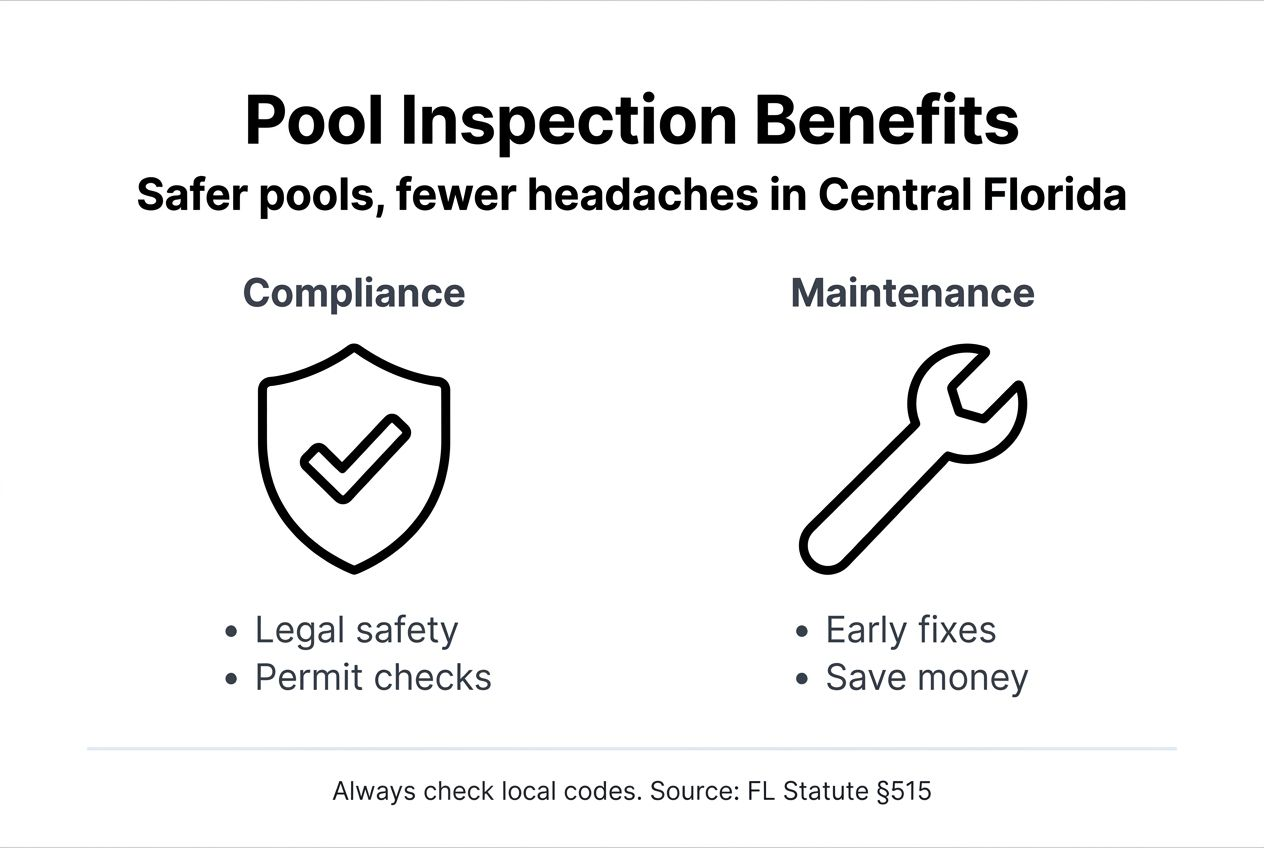
Scheduling professional inspections annually or biannually catches problems early when fixes remain simple and affordable. Inspectors check barrier integrity, test gate mechanisms, verify alarm functionality, and assess equipment condition during these routine visits. Early detection of minor cracks, corroded bonding wires, or failing pumps prevents catastrophic failures requiring major reconstruction. Statistics show proactive inspection programs lower long-term maintenance costs by approximately 30% compared to reactive repair approaches.
Consequences of ignoring ongoing inspections extend beyond increased repair costs. Safety violations can result in misdemeanor charges even years after initial construction if accidents occur due to deteriorated safety features. Your homeowner’s insurance may deny claims related to pool accidents if investigations reveal you failed maintaining required safety equipment. Additionally, selling your home becomes complicated when inspections during closing reveal code violations requiring correction before transfer.
Benefits of maintaining regular inspection schedules:
- Early identification of structural cracks before they require shell replacement
- Verification that safety barriers remain compliant as landscaping grows
- Detection of electrical issues before they cause equipment failure or safety hazards
- Documentation proving compliance if accidents or insurance claims occur
- Peace of mind knowing your family swims in a safe, well-maintained pool
Homeowners should prioritize several inspection areas throughout their pool’s lifespan. Safety barriers require annual checks ensuring gates still self-close properly, latches function correctly, and no new climbable features have appeared near fences. Electrical systems need inspection every two years verifying bonding remains intact and ground fault circuit interrupters function properly. Pool surfaces should be examined annually for cracks, delamination, or rough areas posing injury risks.
Create a personal inspection checklist covering items between professional visits. Monthly, test your gate latches and alarms to confirm functionality. Quarterly, examine your pool deck for cracks or uneven surfaces creating trip hazards. Seasonally, inspect your barrier for damage from storms, assess equipment for unusual noises or performance issues, and verify proper water chemistry to prevent surface degradation.
“Florida’s comprehensive pool safety framework recognizes that preventing drowning requires multiple coordinated strategies: physical barriers preventing access, technological alarms providing warnings, public education building awareness, and consistent enforcement ensuring compliance.”
When you identify issues during personal inspections, address them immediately rather than waiting for scheduled professional visits. Broken gate latches, non-functioning alarms, or damaged barriers create liability exposure and safety risks requiring urgent correction. Many violations discovered and corrected within 45 days avoid penalties if building officials conduct surprise compliance checks. For guidance on addressing common issues, consult resources on pool renovation importance to understand when professional intervention becomes necessary versus simple homeowner fixes.
Discover expert custom pool services for Central Florida homeowners
Navigating the complex landscape of pool inspections, permits, and safety compliance becomes significantly easier when you partner with experienced professionals who understand Central Florida’s regulatory environment. Since 1985, specialized pool contractors have helped thousands of homeowners design and install custom pools that meet all safety requirements while delivering the aesthetic and functional features families desire.
Working with established Central Florida pool builders ensures your project proceeds smoothly from initial design through final inspection approval. Expert contractors maintain current knowledge of county-specific requirements, building department preferences, and common inspection issues. They coordinate permit applications, schedule required inspections at appropriate construction stages, and address inspector concerns quickly to prevent project delays. This expertise proves especially valuable for custom designs requiring specialized compliance strategies.
Explore comprehensive resources designed to guide your pool project from concept to completion. The custom pool installation guide provides detailed information about design options, construction processes, and timeline expectations. The pool renovation checklist helps you plan renovation projects addressing safety, aesthetics, and functionality. For broader pool knowledge, review the expert guide to inground pools covering everything from initial planning through long-term maintenance.
Frequently asked questions
What is the role of pool inspections in ensuring safety?
Pool inspections verify compliance with Florida safety codes designed to prevent drowning accidents, particularly among young children. Inspectors confirm barriers meet height requirements, gates function properly, and approved safety features like alarms are installed correctly. They also identify structural or equipment problems early, when repairs remain manageable and affordable. Inspections occur at multiple stages including plan review, during construction, post-renovation, and ideally during regular maintenance schedules throughout your pool’s lifespan.
Do I need a permit for pool resurfacing or renovation in Central Florida?
You need permits for structural changes affecting pool safety or integrity, including shell modifications, complete surface replacements, plumbing alterations, and deck expansions. Minor cosmetic work like small patches or tile repairs typically does not require permits, though confirming with your local building department prevents misunderstandings. Ignoring permit requirements when they apply can result in fines, stop-work orders, project delays, and complications when selling your home if unpermitted work is discovered during closing inspections.
How do local regulations affect pool inspections in Central Florida?
Central Florida counties and municipalities maintain different permit fees, inspection stage requirements, and processing timelines. Orange County typically charges around $350 for permits requiring three inspections, while Pinellas County may charge $425 for four inspections. Cities like Tampa often impose additional requirements beyond county codes, including HOA approval mandates and aesthetic restrictions. These variations make working with contractors experienced in your specific jurisdiction valuable for navigating local quirks and building department preferences efficiently.
What are the penalties for not complying with pool safety inspection requirements?
Non-compliance with Florida pool safety requirements constitutes a second-degree misdemeanor under state law. Penalties can include fines, mandatory attendance at drowning prevention education programs, and requirements to correct violations immediately. If you correct violations within 45 days of notification, authorities may waive penalties. Beyond legal consequences, non-compliance creates liability if accidents occur, may void homeowner insurance coverage for pool-related claims, and complicates home sales when violations are discovered during buyer inspections.
