
TL;DR:
- True hydrotherapy involves specially heated pools used for medical treatment, not just warm backyard pools with jets. Designing such pools requires precise temperature control, targeted jets, safety features, and proper sanitation to ensure therapeutic benefits and safety. Implementing a genuine hydrotherapy setup in Central Florida is feasible with professional guidance, ensuring effective rehabilitation and wellness outcomes.
Hydrotherapy started as a clinical treatment tool, not a backyard luxury. While most Central Florida homeowners picture a bubbling spa when they hear the word, medical hydrotherapy means water-based treatment in a specially heated pool that’s warmer than a standard swimming pool, typically administered by a physiotherapist as part of a structured rehabilitation program. That gap between what most people imagine and what genuine hydrotherapy requires is exactly what this guide addresses. You’ll learn what separates a true hydrotherapy setup from a regular pool with jets, what the research actually says about benefits, and how Central Florida homeowners can design a pool that delivers real therapeutic value.
Table of Contents
- What is hydrotherapy in pools?
- The science-backed benefits (and limitations) of hydrotherapy
- Hydrotherapy pool essentials: Features, safety, and maintenance
- Integrating hydrotherapy into your Central Florida pool project
- What most homeowners (and some designers) miss about hydrotherapy pools
- Ready to create your own hydrotherapy pool oasis?
- Frequently asked questions
Key Takeaways
| Point | Details |
|---|---|
| True hydrotherapy defined | Hydrotherapy uses specially heated, well-equipped pools for targeted wellness and rehab. |
| Evidence-based benefits | Research shows hydrotherapy aids movement and relaxation, but success relies on the right setup. |
| Specialized pool design | Proper water temperature, sanitation, and features must be built in for safety and effectiveness. |
| Customizable for home | Modern Central Florida pools can integrate hydrotherapy zones for superior wellness and comfort. |
What is hydrotherapy in pools?
The word “hydrotherapy” gets used loosely in the pool industry, and that creates real confusion for homeowners. At its core, hydrotherapy means water-based treatment in a specially heated pool that is warmer than a typical swimming pool, not just a regular pool with a few jets added to the wall.
In clinical practice, hydrotherapy pools run at temperatures between 92°F and 96°F, sometimes higher, depending on the patient’s condition and the stage of their rehabilitation. Therapists use buoyancy, resistance, and heat together to help patients rebuild strength, reduce pain, and improve mobility in ways that land-based exercise simply can’t replicate. The water’s buoyancy reduces body weight load by as much as 90 percent when a person is submerged to the neck, which makes movement possible for people who couldn’t otherwise exercise at all.
Home pools can absolutely incorporate the principles behind hydrotherapy, but calling any warm pool a “hydrotherapy pool” overstates what it delivers. The features that make it work medically include controlled water temperature, targeted jet placement, slip-resistant entry and exit areas, and specific user protocols that most backyard pools don’t have by default.
| Feature | Clinical hydrotherapy pool | Standard backyard pool | Hydrotherapy-ready home pool |
|---|---|---|---|
| Water temperature | 92°F to 96°F | 78°F to 82°F | 90°F to 95°F (controlled) |
| Jet placement | Therapist-directed | Cosmetic/generic | Targeted to treatment zones |
| Entry/exit | Hoists, ramps, rails | Steps or ladder | Gradual entry, rails, ramp |
| Monitoring | Physiotherapist on site | None | User protocols + safety checks |
| Sanitation frequency | High-frequency testing | Standard schedule | Elevated testing required |
“Hydrotherapy is not just about warm water. It’s a structured therapeutic system. Replicating even a fraction of that at home requires intentional design and ongoing attention to water quality and user safety.” This distinction matters whether you’re building a brand-new pool or renovating an existing one.
Hydrotherapy is also not a one-size-fits-all solution. Some conditions benefit greatly from warm-water therapy, while others, including certain cardiovascular issues or open wounds, may make it unsafe. Knowing this upfront helps you design with intention rather than just aesthetics.
The science-backed benefits (and limitations) of hydrotherapy
Does hydrotherapy actually work, and who benefits most? The honest answer is: yes, for specific conditions, with meaningful caveats.
Research has examined hydrotherapy across a range of populations. One well-analyzed area involves children and adolescents with cerebral palsy, where hydrotherapy can improve gross motor function more than conventional land-based therapy for certain conditions, though the quality of evidence across studies varies. In adult rehabilitation, warm-water therapy consistently shows benefits for joint mobility, pain reduction, and cardiovascular conditioning in people recovering from orthopedic procedures.
The broader benefits of backyard pools extend well beyond hydrotherapy itself. Social wellness, low-impact exercise, and mental relaxation are all supported simply by regular pool use. But if you’re specifically interested in therapeutic outcomes, the distinction between a relaxation pool and a true hydrotherapy setup matters enormously.
Conditions that show the strongest hydrotherapy evidence:
- Osteoarthritis and joint pain
- Post-surgical rehabilitation
- Neurological conditions affecting mobility
- Fibromyalgia and chronic pain syndromes
- Lower back pain rehabilitation
Where evidence is weaker or mixed:
- General fitness (a regular pool works just as well)
- Mental health improvements (warm water helps, but specific protocols aren’t proven superior)
- Weight loss (water exercise helps, but calorie burn depends on intensity)
| Goal | Hydrotherapy pool features needed | Relaxation pool sufficient? |
|---|---|---|
| Rehabilitation after surgery | Yes, targeted jets + temperature control | No |
| Joint pain relief | Yes, warm water + buoyancy | Partially |
| General relaxation | Minimal | Yes |
| Low-impact fitness | Moderate | Yes |
| Neurological recovery | Yes, therapist guidance + design | No |
The biggest limitation homeowners often overlook is this: hydrotherapy is most effective as part of a broader wellness or rehabilitation plan. Using a warm pool with jets for a sore back feels great, and that has real value. But expecting clinical rehabilitation outcomes from a backyard setup without professional guidance is unrealistic. Always consult a physician or licensed physiotherapist before using pool-based therapy to treat a medical condition.
Hydrotherapy pool essentials: Features, safety, and maintenance
Now that you understand the science, here’s what a hydrotherapy-ready pool actually requires beyond what most backyard pools already have.
Getting the design right from the start saves you money and frustration. If you’re designing a custom pool with hydrotherapy in mind, these features should be part of your initial plans, not an afterthought.
Core features a hydrotherapy-ready pool needs:
- Dedicated heating system. You need a heater capable of maintaining water consistently above 90°F. Standard pool heaters often struggle to hold therapeutic temperatures, especially in larger pools. A separate heated zone or spa attachment solves this efficiently.
- Targeted therapy jets. Not all jets are equal. Hydrotherapy-grade jets are positioned and angled to target specific muscle groups and joints. Lumbar jets, shoulder jets, and calf massage jets serve distinct therapeutic purposes and should be placed with input from someone who understands body mechanics.
- Slip-resistant surfaces and entry points. Clinical pools use ramped entries and ceiling hoists. For home pools, well-placed grab rails, non-slip pool finishes, and gradual step entries dramatically reduce fall risk, which matters more at therapeutic temperatures when users may feel dizzy or fatigued.
- Enhanced filtration and sanitation systems. Warmer water breeds bacteria faster than cooler water. This is not negotiable. Clinical guidelines consistently emphasize that water temperature and filtration protocols are critical safety elements in any hydrotherapy pool. For home use, that means investing in a commercial-grade filtration upgrade, testing water chemistry more frequently than a standard pool requires, and considering UV or ozone sanitation systems in addition to chlorine.
- Temperature monitoring equipment. A simple pool thermometer isn’t enough. Digital temperature monitors with alerts help you maintain the therapeutic range and catch problems before they become safety hazards.
Routine maintenance tasks you cannot skip:
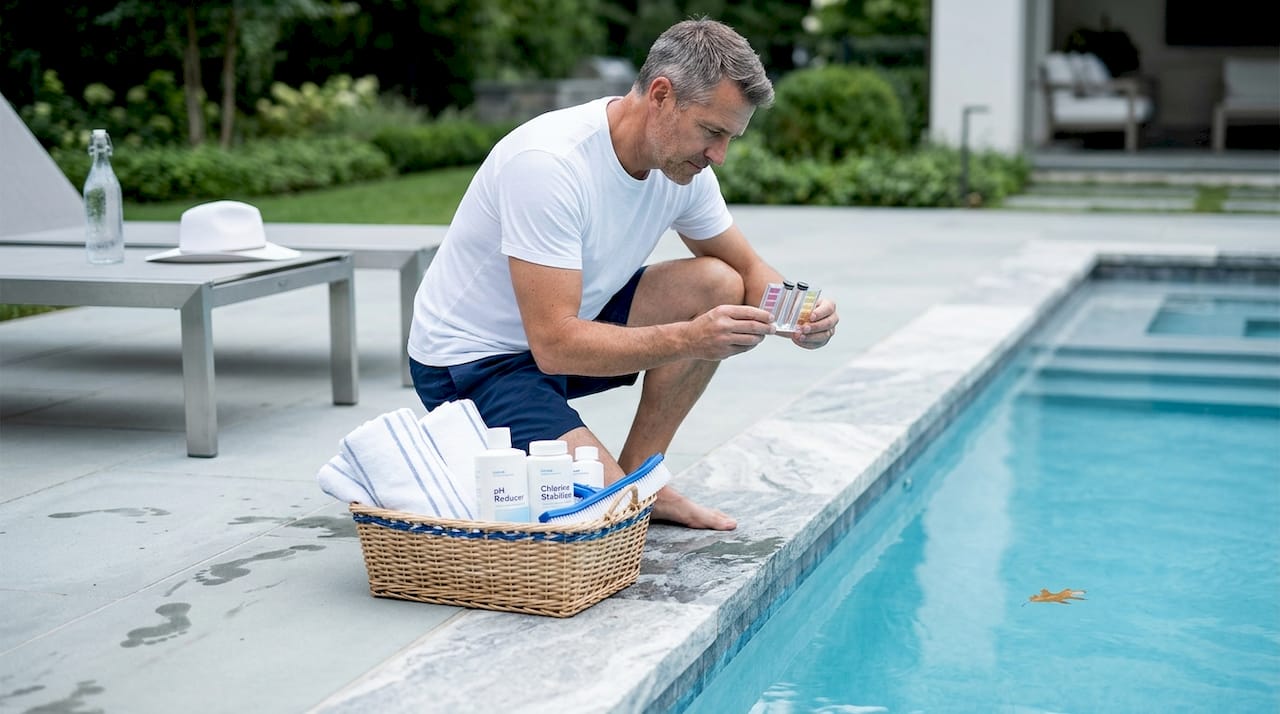
- Test water chemistry twice per week, minimum (compared to once weekly for standard pools)
- Inspect jets and seals monthly for debris buildup or pressure loss
- Monitor heater performance weekly, especially during Florida’s cooler months
- Clean filter media more frequently than manufacturer recommendations due to elevated temperatures
Pro Tip: In Central Florida’s humid climate, warm hydrotherapy water evaporates faster and can throw off chemical balance quickly. Building a partial shade structure over your hydrotherapy zone not only makes soaking more comfortable but also slows evaporation and reduces chemical demand.
Good pool maintenance in Central Florida already requires more attention than pools in drier climates. Hydrotherapy features raise that bar further, so factor maintenance costs into your budget before committing to the design.
User safety guidelines to establish from day one:
- Limit hydrotherapy sessions to 20 to 30 minutes to avoid heat-related fatigue
- Never use the hydrotherapy zone alone if you have a mobility limitation
- Post water temperature and session time limits visibly near the pool entry
- Keep cold drinking water accessible at poolside at all times
Integrating hydrotherapy into your Central Florida pool project
Central Florida’s climate is actually one of the best places in the country to build a hydrotherapy-focused pool. Year-round warmth means you can use an outdoor hydrotherapy zone in every month of the year, and the combination of sun and water creates a genuinely restorative environment when designed thoughtfully.
Popular hydrotherapy add-ons Central Florida homeowners choose:
- Therapy jet benches. Built-in seating with jets at shoulder, lumbar, and calf height allows targeted massage without requiring a separate spa. These work beautifully in both new builds and renovations.
- Separate heated spa zone. A spillover spa attached to the main pool gives you a dedicated area that can reach therapeutic temperatures without heating the entire pool. This is the most energy-efficient approach for most families.
- Resistance swim jets. Counter-current swim systems create a water current strong enough to swim against in place. These are exceptional for cardiovascular rehabilitation and low-impact fitness.
- Tanning shelves with jets. Shallow, sun-exposed shelves with small jets provide gentle leg and back therapy while you relax in just a few inches of water. These are especially popular in spa and pool combo ideas for Florida backyards.
Pro Tip: If you’re adding hydrotherapy features to an existing pool, don’t start by picking jet models. Start with your goals. Are you rehabilitating a specific injury, managing chronic pain, or simply want a more wellness-focused backyard? The answer changes the entire design priority, from heating capacity to jet placement to entry design. Browse examples of backyard pool upgrades to see what other Central Florida homeowners have added and what delivers the most long-term satisfaction.
Florida’s intense sun also plays a role in design. Positioning your hydrotherapy zone where it gets morning sun but afternoon shade keeps water temperatures more stable and prevents the discomfort of soaking in direct mid-afternoon heat. Pergolas, sail shades, and tropical landscaping all serve this function beautifully while adding visual appeal.
Home pools tailored for wellness require temperature controls, water features, and zoned access designed with both sanitation and user safety as primary concerns, not secondary ones. Starting with those priorities produces a much better result than adding therapeutic features to a design built purely for aesthetics.
Renovation vs. new construction is worth thinking through carefully. New construction gives you maximum flexibility to route plumbing for jet placement, incorporate heating zones from the start, and build entry features that meet safety standards without compromise. Renovations can absolutely deliver excellent results, but deep hydrotherapy features like ramp entries or resistance swim systems are significantly easier and cheaper to include in a new build.
What most homeowners (and some designers) miss about hydrotherapy pools
Here’s what we’ve seen in nearly four decades of building pools across Central Florida: most homeowners add spa jets and a heater, call it a hydrotherapy pool, and then wonder why it doesn’t feel noticeably different from a regular spa. The reason is almost always the same. They optimized for luxury looks and missed the operational details that make therapeutic water use actually work.
A beautiful pool with jets and warm water feels wonderful. That’s valuable on its own. But if you want genuine therapeutic benefit, the design conversation needs to include temperature precision, sanitation elevation, jet targeting, and user protocols from the very first planning session. Most pool builders are not going to bring these topics up unless you ask. That’s not a criticism; it’s simply that most clients aren’t asking for clinical outcomes.
A physiotherapist should determine whether hydrotherapy is appropriate for a specific condition, and the patient guidance around infection control and temperature-related fatigue are serious safety factors that residential pools routinely underestimate. We’ve seen pools designed with luxury pool features that look stunning but were never sanitized to the standard their warm-water configuration actually demands.
The hidden risk isn’t just ineffectiveness. Warm water that isn’t properly sanitized becomes a health hazard faster than most people realize. Bacteria like Pseudomonas and Legionella thrive in warm, under-treated water. Maintaining therapeutic temperatures without a matching upgrade in filtration and chemical management is genuinely dangerous.
Our honest advice: if wellness and rehabilitation are real goals for your pool project, bring a medical professional into the design conversation early. Even a single consultation with a physiotherapist can give your pool contractor the specific information needed to position jets correctly and design entry and exit features that actually serve your health needs rather than just looking the part.
Ready to create your own hydrotherapy pool oasis?
Building a hydrotherapy-ready pool in Central Florida is absolutely achievable, and when done right, it becomes one of the most-used and most-valued features of your property. The key is working with a team that asks the right questions before a single shovel hits the ground.
At R&R Swimming Pools, we’ve been designing and building custom pools across Central Florida since 1985. Whether you’re starting from scratch or renovating an existing pool, our team can walk you through every decision, from heater sizing to jet placement to sanitation systems. Start with our inground pool installation guide to understand the full process, or explore our pool remodeling process if you’re upgrading an existing backyard. Contact us today for a free consultation and take the first real step toward a pool that supports your wellness goals year-round.
Frequently asked questions
Is hydrotherapy safe for everyone?
No, hydrotherapy is not suitable for all health conditions, and a physiotherapist should evaluate whether it’s appropriate based on your specific stage of rehabilitation or medical history before you begin.
Do I need special equipment for a home hydrotherapy pool?
Yes, genuine hydrotherapy requires temperature controls and filtration well beyond what standard pools offer, along with targeted jets and safety-focused entry and exit features.
Does warm pool water alone provide hydrotherapy benefits?
Not at the clinical level. Medical hydrotherapy combines precise temperature control, targeted resistance or jet work, and supervised protocols, meaning warm water alone delivers comfort but not the full therapeutic outcome.
What design mistakes reduce hydrotherapy effectiveness?
The most common mistakes are inadequate sanitation for elevated water temperatures, infection control oversights, poor temperature monitoring, and failing to establish clear user session guidelines that prevent heat fatigue or overexposure.
