
TL;DR:
- Pool shell integrity is the combined ability of a pool’s structure to hold water and resist environmental stresses. In Central Florida, sandy soils and high water tables significantly threaten this integrity during installation and maintenance. Regular inspections and proper reinforcement are essential for ensuring long-lasting, safe pools.
Pool shell integrity is the measure of a swimming pool’s foundational strength and its ability to withstand environmental and operational stresses without failure. For Central Florida homeowners, this is not a theoretical concern. Sandy soils, high water tables, and year-round chemical exposure create conditions that test every pool shell constantly. Understanding what pool shell integrity means, what threatens it, and how to protect it is the difference between a pool that lasts 50 years and one that needs a costly rebuild in 15. This guide covers what is pool shell integrity, how to assess it, and what maintenance practices keep it sound.
What is pool shell integrity and why it matters in Central Florida
Pool shell integrity, known in the construction industry as structural shell performance, refers to the combined ability of a pool’s walls, floor, and bond beam to hold water, resist soil pressure, and maintain shape without cracking, shifting, or leaking. It is not just about the concrete mix or the fiberglass layer. Pool shell integrity is a systems approach involving material quality, design, reinforcement, and environmental factors working together.
Central Florida adds specific pressure to this system. The region’s sandy, porous soil drains quickly but also shifts under load. The water table in many Lake County, Orange County, and Osceola County communities sits close to the surface. That means a pool shell faces upward hydrostatic pressure from below, not just the weight of water from above. A shell that would perform well in a drier climate can fail here within a decade if it was not engineered for these conditions.
The importance of pool shell integrity goes beyond aesthetics. A compromised shell leaks water into surrounding soil, which accelerates erosion and can undermine the pool deck and surrounding structures. Left unaddressed, a structurally failed shell becomes a safety hazard and a financial liability.
What factors influence pool shell integrity in Central Florida
Several forces work against pool shell durability in Florida, and most homeowners are unaware of all of them.
- Soil movement: Florida’s sandy soils compress unevenly under a pool’s weight. Expansive or reactive soils cause cracking if the shell is not properly engineered for local soil conditions. This is why soil testing before installation is not optional.
- Hydrostatic pressure: A high water table pushes upward against the pool floor. Without a hydrostatic relief valve, fiberglass shells can buckle or float when drained.
- Water chemistry imbalance: Low pH and low calcium hardness cause calcium leaching in concrete pools. That process literally dissolves the cement paste binding the shell together. Saltwater pools require higher minimum concrete strength and lower water-cement ratios to resist chloride penetration.
- Thermal cycling: Florida’s heat does not produce freeze-thaw damage like northern states, but daily temperature swings still cause minor expansion and contraction in concrete. Over years, this contributes to surface cracking and corner stress.
- Construction quality: Proper rebar placement, minimum concrete cover, and adherence to ACI 318 standards for chloride exposure are non-negotiable for a shell built to last. Concrete shells should meet a minimum compressive strength of 4,000 PSI. Design flaws that reduce structural resistance can shorten a shell’s lifespan by 15–20 years.
Pro Tip: Ask your contractor for the concrete mix design and compressive strength test results before your pool is filled. A reputable builder will provide this without hesitation.
How do popular pool shell materials compare in durability and maintenance?
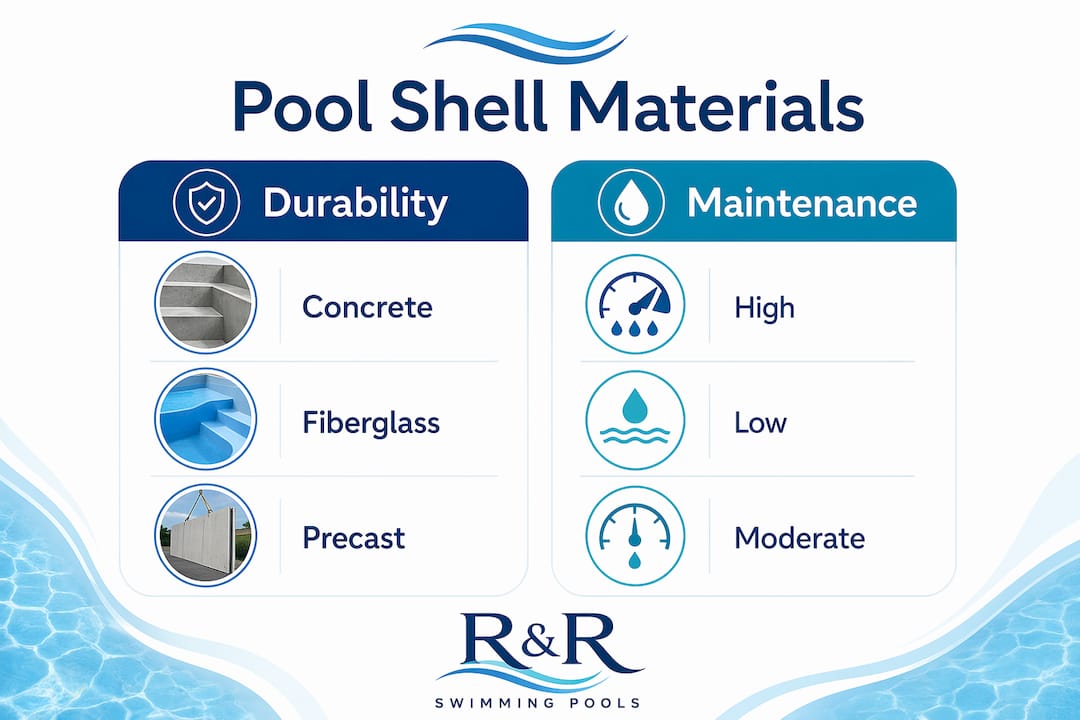
The three main inground pool shell materials are concrete (gunite/shotcrete), fiberglass, and precast concrete. Each performs differently under Central Florida conditions.
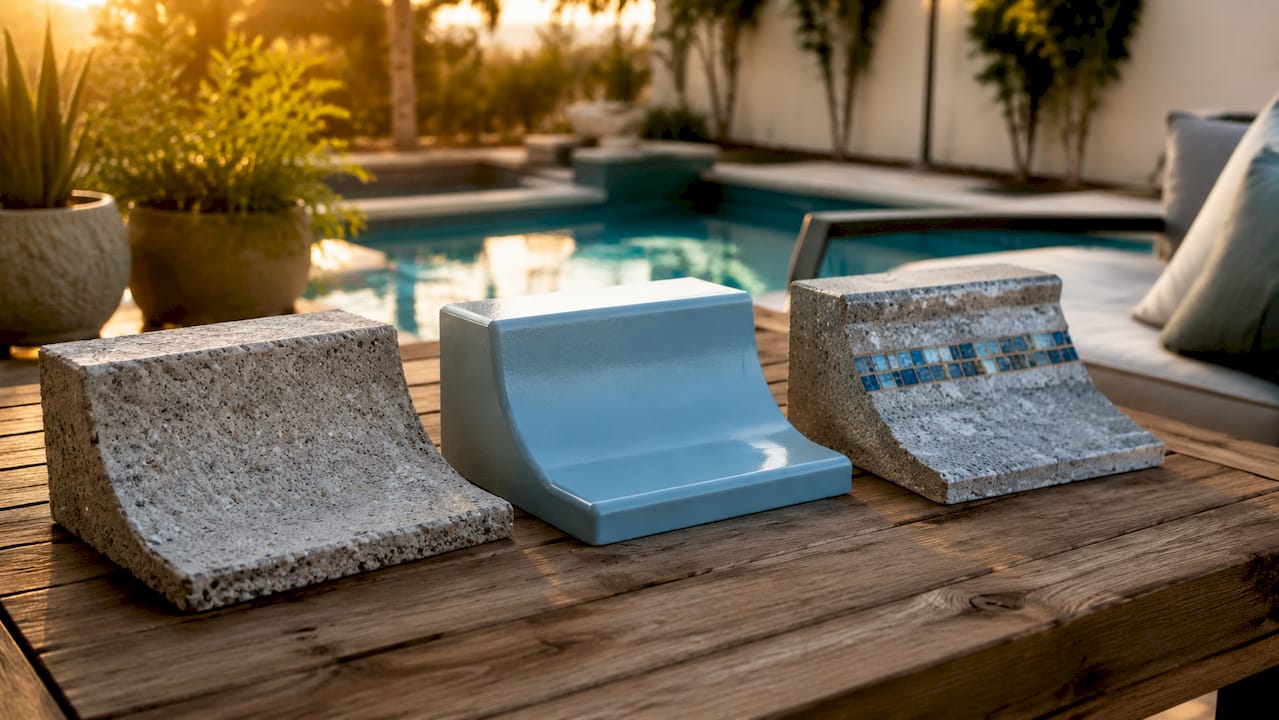
Concrete (gunite) shells
Concrete is the most common choice in Florida and the most customizable. A well-built gunite shell lasts 50 or more years with finish renewals every 10–20 years. The shell itself is the structure. The plaster, pebble, or tile finish on top is a separate layer that wears independently. Many homeowners confuse a worn finish with a failing shell. They are not the same thing. You can read more about concrete pool advantages specific to Florida’s environment to understand why gunite remains the dominant choice here.
Fiberglass shells
Fiberglass pools arrive as a single molded unit. They resist algae better than concrete and require fewer chemicals weekly. Premium fiberglass shells typically last 25–35 or more years. Their main vulnerability in Florida is hydrostatic pressure. Draining a fiberglass pool without a hydrostatic relief valve can cause the shell to buckle or float out of the ground. That is an installation error, not a material defect.
Precast concrete shells
Precast concrete pools are cast in a controlled factory environment with engineered reinforcement. They deliver predictable structural performance and durability exceeding 75 years. The tradeoff is site access. Precast panels require larger equipment and more space to install, which limits their use on some residential lots.
| Material | Structural lifespan | Finish renewal | Key Florida risk | Maintenance level |
|---|---|---|---|---|
| Concrete (gunite) | 50+ years | Every 10–20 years | Chemical erosion, surface cracks | Moderate to high |
| Fiberglass | 25–35+ years | Rarely needed | Hydrostatic pressure, delamination | Low to moderate |
| Precast concrete | 75+ years | Every 15–25 years | Site access limitations | Low |
The lifespan of any pool depends more on initial installation quality and proper site engineering than on the material’s age alone. A poorly installed gunite pool will fail before a well-installed fiberglass pool, regardless of what the material specs say.
What signs indicate compromised pool shell integrity?
Knowing the warning signs of shell damage lets you act before a small problem becomes a structural failure. Here is what to look for during your own visual checks.
- Cracks wider than 1/16 inch near wall-floor joints. These are not cosmetic. Cracks at wall-floor joints signal stress concentration at the most vulnerable point of the shell.
- Deck separation greater than 1/4 inch. This signals foundation-level shifts requiring professional soil and structural assessment, not just surface patching.
- Hollow sounds when tapping the shell. A hollow tap indicates delamination, where the finish or a structural layer has separated from the shell beneath it.
- Unexplained water loss. Losing more than 1/4 inch of water per day beyond normal evaporation points to a leak in the shell or plumbing.
- Visible rust stains. Rust streaks on a concrete shell mean the rebar inside is corroding and expanding, which will eventually crack the shell from within.
For signs that are not visible to the eye, professionals use non-invasive diagnostics. Ultrasonic testing can differentiate between cosmetic surface damage and structural failure without cutting into the shell. Core sampling gives a direct look at concrete density and rebar condition. These tools matter because homeowners often overlook early visible signs like minor cracks, which if addressed promptly, prevent expensive repairs down the road.
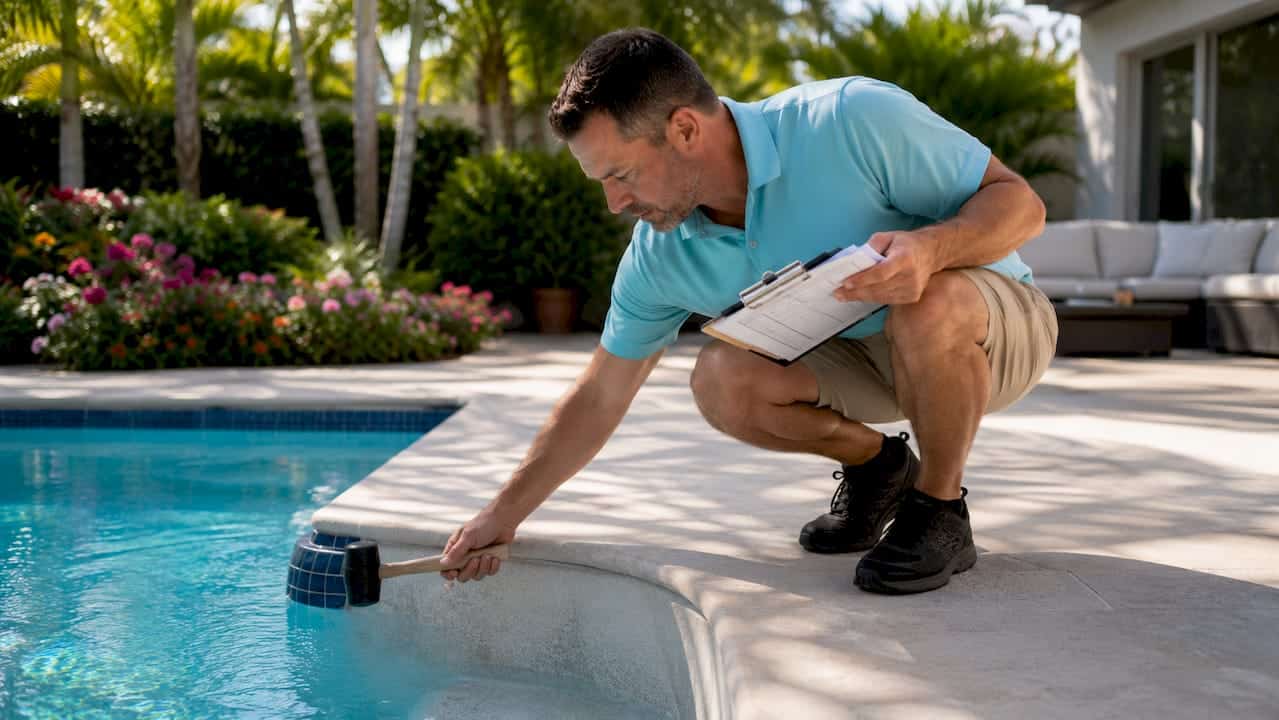
Pro Tip: Walk your pool deck every month and tap the shell walls with a rubber mallet in several spots. A solid thud is normal. A hollow ring means call a professional.
Routine visual inspections are your first line of defense. Professional structural inspections, which should last 30–60 minutes, are the second. Schedule one annually, especially after a major storm or drought period. You can learn more about pool inspections in Central Florida and what a thorough assessment covers.
What maintenance practices protect pool shell integrity?
Consistent maintenance is the single most effective tool for preserving pool shell durability. Sporadic repairs cost more and accomplish less than a steady weekly routine.
- Test and balance water chemistry weekly. Target pH between 7.4 and 7.6, total alkalinity between 80 and 120 ppm, and calcium hardness between 200 and 400 ppm for concrete pools. Weekly chemical testing prevents the erosion that degrades structural materials over time.
- Never drain a fiberglass pool without professional guidance. Hydrostatic pressure from Florida’s water table can lift or buckle the shell within hours of draining. Always use a hydrostatic relief valve and consult a professional first.
- Brush the shell walls and floor weekly. Algae and mineral deposits are not just cosmetic problems. Left to grow, they trap moisture against the shell surface and accelerate chemical erosion.
- Manage drainage around the pool perimeter. Poor grading that directs rainwater toward the pool causes soil saturation and increases hydrostatic pressure. Regrade or add French drains where needed.
- Schedule an annual professional structural inspection. A trained eye catches early delamination, rebar corrosion, and joint stress that a homeowner’s visual check will miss.
Pro Tip: Keep a simple log of your weekly water chemistry readings. Patterns in pH drift or calcium loss are early warnings of shell erosion that show up in the numbers before they show up on the surface.
Routine cleaning and consistent maintenance prevent algae growth and chemical erosion far more effectively than sporadic repairs. This is not a complicated system. It is a calendar commitment.
How can homeowners plan for durable pool shell installation or renovation?
Whether you are building a new pool or repairing an aging one, the decisions made before construction begins determine how long the shell will last.
For new pool construction
- Require soil testing before design begins. Your contractor should analyze soil composition, bearing capacity, and water table depth. A shell designed for the wrong soil type will fail regardless of material quality.
- Verify contractor credentials. Look for builders with certified engineering knowledge and a track record in Central Florida’s specific soil and climate conditions. Randrswimmingpools has built custom inground pools in Central Florida since 1985 and understands the regional engineering requirements firsthand. Their Lake County pool construction process reflects decades of site-specific experience.
- Specify minimum compressive strength in the contract. For standard concrete pools, require 4,000 PSI minimum. For saltwater pools, require higher strength and a lower water-cement ratio per ACI 318 standards.
- Confirm hydrostatic relief valve installation for fiberglass pools. Improper backfilling and missing relief valves are the most common causes of fiberglass pool failures, not the shell material itself.
For renovation and repair of aging shells
- Get a professional structural assessment before any cosmetic work begins. Resurfacing over a structurally compromised shell wastes money.
- Use epoxy injection for active cracks in concrete shells. This stops water infiltration and stabilizes the crack before it widens.
- Resurface concrete shells on schedule, every 10–20 years, to protect the structural layer beneath. A worn finish is not a failed shell, but a neglected finish eventually becomes one.
- For fiberglass shells showing delamination, consult a specialist before attempting DIY repairs. Improper patching can trap moisture and accelerate the damage.
Key Takeaways
Pool shell integrity depends on material quality, proper installation, consistent maintenance, and early detection of warning signs working together as a system.
| Point | Details |
|---|---|
| Shell integrity is a system | Material, design, reinforcement, and environment all determine structural performance. |
| Central Florida adds unique risk | Sandy soils, high water tables, and year-round chemical exposure accelerate shell degradation. |
| Material lifespan varies widely | Concrete lasts 50+ years, fiberglass 25–35+ years, and precast concrete 75+ years with proper care. |
| Early signs prevent costly repairs | Cracks wider than 1/16 inch, deck separation over 1/4 inch, and hollow sounds require professional assessment. |
| Consistency beats reactive repair | Weekly chemical testing and annual inspections protect the shell far better than sporadic fixes. |
What I’ve learned after 40 years of building pools in Central Florida
The most common mistake I see homeowners make is treating pool maintenance as optional until something goes wrong. By then, a $200 chemical balance correction has turned into a $15,000 shell repair. The second most common mistake is panicking over a worn finish and assuming the shell is failing. Structural lifespan and aesthetic lifespan are completely distinct. Finishes require renewal every 10–25 years, but finish degradation does not mean the shell is failing. Knowing the difference saves homeowners from unnecessary and expensive structural interventions.
What I tell every homeowner in Central Florida is this: your pool’s longevity was largely decided the day it was installed. Soil testing, proper reinforcement, correct concrete strength, and a hydrostatic relief valve on fiberglass pools are not upgrades. They are baseline requirements. If your contractor skipped any of those steps, you are managing the consequences now. If you are planning a new pool, those steps are non-negotiable.
The good news is that a properly built shell, maintained consistently, will outlast most of the other structures on your property. I have seen 40-year-old gunite pools in Central Florida that are structurally sound and still in daily use. The owners brushed them weekly, balanced the chemistry, and called a professional at the first sign of trouble. That is the entire formula.
— Randrswimmingpools
Build or renovate your pool with confidence
Randrswimmingpools has designed and installed custom inground pools across Central Florida since 1985, with deep experience in the soil conditions, water table challenges, and material requirements that determine long-term shell performance.
Whether you are planning a new build or assessing an aging shell, the Randrswimmingpools team brings certified engineering knowledge and regional expertise to every project. Start with their inground pool installation guide for a step-by-step look at how a durable, properly engineered pool shell gets built from the ground up. For homeowners considering fiberglass, their fiberglass pool installation service page covers the specific installation standards that prevent the hydrostatic and backfill failures common in Florida. Contact Randrswimmingpools today for a free consultation.
FAQ
What is pool shell integrity in simple terms?
Pool shell integrity is the structural strength of your pool’s walls and floor to hold water and resist soil pressure without cracking, shifting, or leaking. It depends on material quality, construction standards, and ongoing maintenance.
How do I know if my pool shell is damaged?
Look for cracks wider than 1/16 inch near wall-floor joints, deck separation greater than 1/4 inch, hollow sounds when tapping the walls, and unexplained water loss beyond normal evaporation. Any of these signs warrants a professional inspection.
How often should a pool shell be professionally inspected?
An annual professional structural inspection lasting 30–60 minutes is the standard recommendation. Schedule additional inspections after major storms, extended droughts, or any visible change in the pool deck or shell surface.
Can a fiberglass pool shell be damaged by draining?
Yes. Draining a fiberglass pool without a hydrostatic relief valve allows Florida’s high water table to push upward against the shell, causing buckling or the shell to float out of the ground. Always consult a professional before draining a fiberglass pool.
Does a worn pool finish mean the shell is failing?
No. Structural lifespan and aesthetic lifespan are separate. A concrete shell can last 50 or more years, but its plaster or pebble finish needs renewal every 10–20 years. A worn finish is a maintenance issue, not a structural failure, unless underlying cracks or delamination are also present.