
TL;DR:
- Central Florida’s pool season lasts from March through November, requiring year-round maintenance to handle seasonal changes. Twice-weekly servicing during the wet season prevents algae growth, while safety laws mandate multiple barriers to protect swimmers. Proper preparation and appropriate heating systems can extend the swimming season and ensure safe, enjoyable pool use.
Central Florida’s pool season runs from march through november, giving homeowners roughly nine months of prime swimming weather driven by the region’s two-season climate. That extended window is a genuine advantage over most of the country, but it also means your pool faces nine months of UV exposure, chemical swings, and heavy summer rains. Understanding how the wet and dry seasons affect your water chemistry, equipment, and safety compliance is the difference between a pool you enjoy and one that costs you money and headaches. Randrswimmingpools has worked with Central Florida homeowners since 1985, and this guide reflects what actually works in this specific climate.
How does central florida’s climate shape your pool season?
Central Florida does not follow a four-season model. The region runs on two seasons: a wet season from may through october and a dry season from november through april. Each one demands a different approach to pool care.
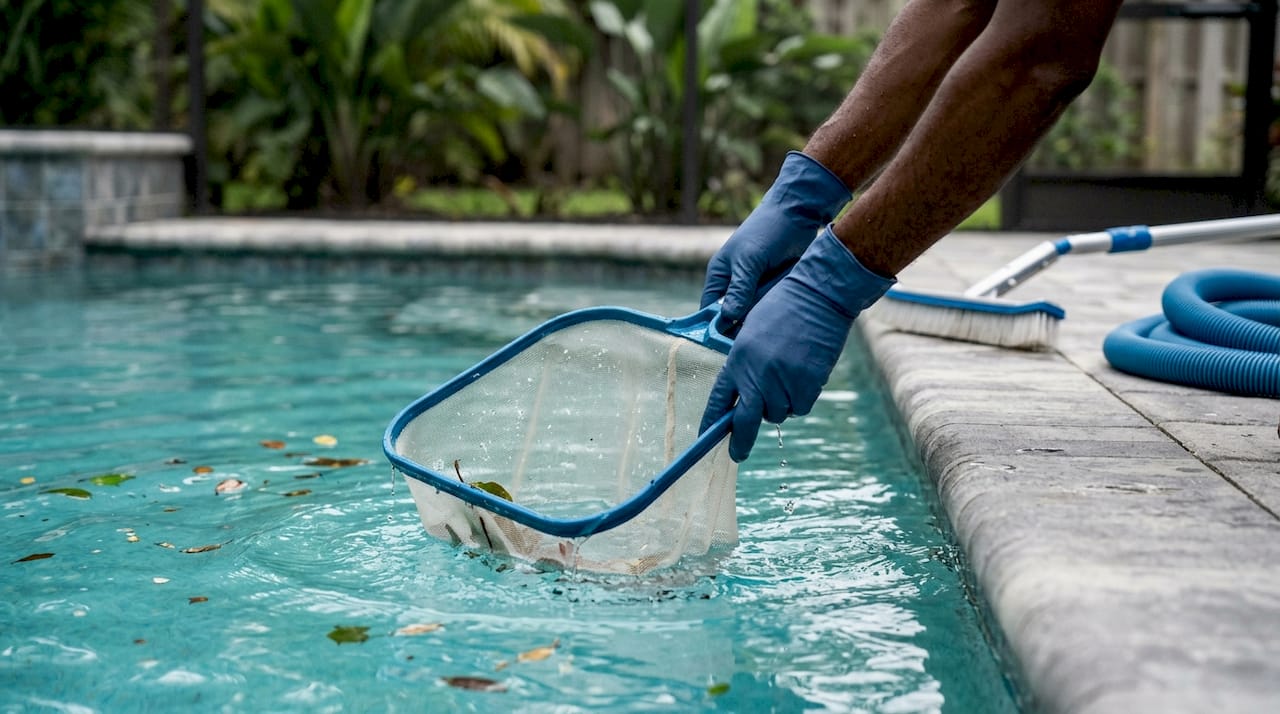
The wet season brings heavy rain, algae pressure, and high chlorine demand. Central Florida receives about 53 inches of rain annually, and roughly 60% of that falls between may and october. Any rainfall over one inch dilutes your chlorine, raises phosphate levels, and creates ideal conditions for algae. The dry season flips the problem: lower rainfall means your pool water concentrates minerals, raising the risk of scale buildup and surface staining.
Here is what each part of the year looks like for your pool:
- January and February: Cool temperatures slow algae growth significantly. Focus on equipment checks and filter cleaning. Chlorine demand is low.
- March and April: Pollen season hits hard. Debris loads increase, and you will need to clean your skimmer baskets and filter more often. Water temperatures climb toward the low 70s, making the pool usable for most swimmers.
- May through August: Peak algae pressure and chlorine demand define these months. Heat, UV, and heavy rains combine to stress your water chemistry. This is the most demanding stretch of the year for pool maintenance.
- September and October: Rain continues but temperatures start to drop. Algae risk stays elevated until water cools below 60°F.
- November through December: The dry season begins. Maintenance frequency drops, but you need to watch for scale and staining as minerals concentrate.
Pro Tip: After any rain event exceeding one inch, shock your pool within 24 hours and add a phosphate remover. Skipping this step is the single most common reason Central Florida pools turn green in summer.
Wet season pools often require twice-weekly servicing to prevent chlorine loss and algae growth. That frequency surprises many homeowners who are used to a once-a-week schedule. Adjusting your service calendar to match the season is one of the most cost-effective habits you can build.
What pool safety regulations apply to central florida homeowners?
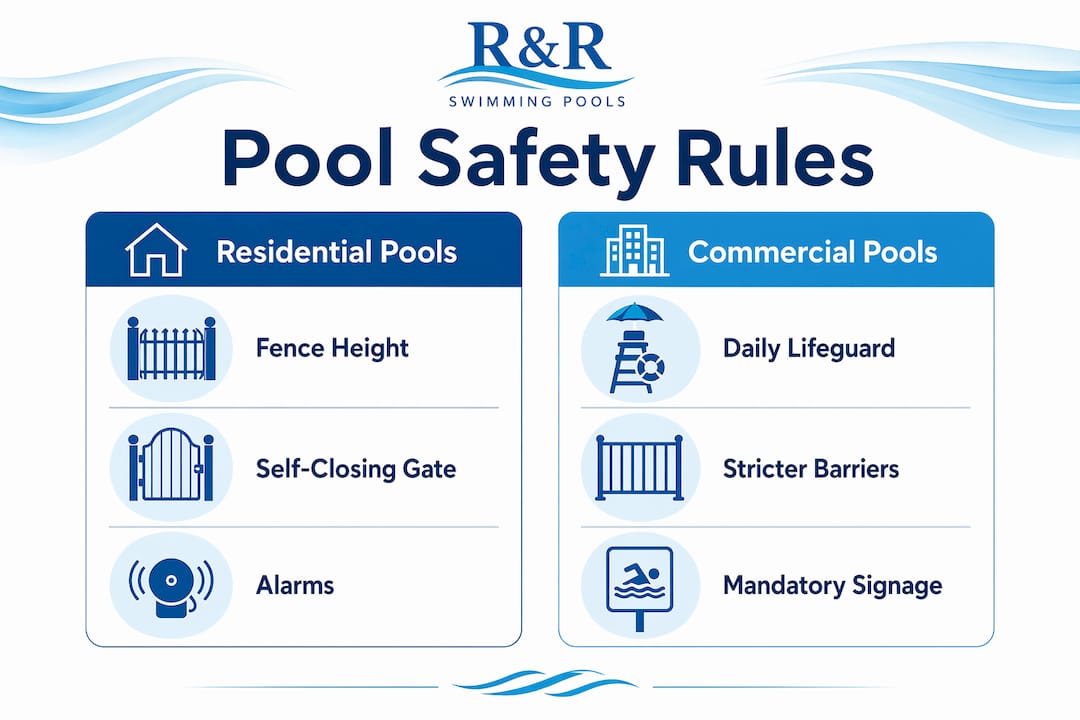
Florida’s Residential Swimming Pool Safety Act sets the legal baseline for every residential pool in the state. Compliance is not optional, and the penalties for ignoring it are serious.
The law requires all residential pools to have at least one of the following safety features:
- A fence or barrier at least four feet high with self-closing, self-latching gates
- An approved safety cover that meets ASTM International standards
- Door alarms on all doors providing direct access to the pool
- A pool alarm that detects unauthorized entry
Pools built after 2000 must have at least two of these features. That distinction matters if you are renovating or installing a new pool. You can review the full requirements in Randrswimmingpools’ pool safety guide for Central Florida homeowners.
Removing or disabling any required pool safety device is a state misdemeanor under Florida Statute 515.27. Penalties include fines up to $500 per day and up to 60 days in jail. City and state agencies both have enforcement authority.
The gap between residential and commercial pool rules is significant. Commercial pools, including HOA-managed community pools, fall under Florida Administrative Code Chapter 64E-9. That code requires daily water testing and a certified pool operator on record. Your backyard pool does not face those same requirements, but HOA rules can add restrictions on top of state law. Check your HOA documents for rules on fencing styles, gate colors, and equipment placement before you start any project.
Lake County pool regulations generally mirror state law but may include additional setback requirements from property lines. Always confirm local rules with your county building department before breaking ground on a new pool or fence.
Pro Tip: Schedule a self-inspection of your pool barriers every spring before swim season starts. Check that gate latches are functioning, hinges are not corroded, and no gaps have opened at the base of your fence. A 15-minute check can prevent a costly violation.
How do you prepare your pool for the swim season?
Getting your pool ready for peak use takes a systematic approach. Rushing the process leads to chemistry problems that cost more to fix than they would have cost to prevent.
Follow this sequence each spring:
- Remove and clean all debris. Clear leaves, pollen, and winter buildup from the pool floor, walls, and skimmer baskets. Brush the walls and vacuum before you adjust any chemistry.
- Inspect all equipment. Check your pump, filter, heater, and automation systems for wear. Look for cracked o-rings, corroded fittings, and worn impellers. Replace anything that shows damage before the heavy-use months begin.
- Test your water chemistry. Use a professional-grade test kit or take a water sample to a pool supply store. You need readings for pH, total alkalinity, calcium hardness, cyanuric acid, and chlorine.
- Balance chemistry in the correct order. Adjust total alkalinity first (target: 80–120 ppm), then pH (target: 7.4–7.6), then calcium hardness (target: 200–400 ppm), then sanitizer levels.
- Shock the pool. Use a calcium hypochlorite shock to reset your chlorine baseline and kill any dormant algae spores from the winter months.
- Add a phosphate remover. Central Florida’s water supply and heavy rains introduce phosphates that feed algae. Removing them proactively is far easier than fighting an algae bloom.
| Chemistry Parameter | Target Range | Why It Matters |
|---|---|---|
| pH | 7.4–7.6 | Affects sanitizer effectiveness and swimmer comfort |
| Total Alkalinity | 80–120 ppm | Stabilizes pH against rapid swings |
| Calcium Hardness | 200–400 ppm | Prevents surface etching and scale buildup |
| Cyanuric Acid | 30–50 ppm | Protects chlorine from UV degradation |
| Free Chlorine | 1–3 ppm | Primary sanitizer against bacteria and algae |
Pro Tip: Do not add chemicals all at once. Space additions at least four hours apart and run your pump continuously for 24 hours after each adjustment. This prevents chemical interactions that can cloud your water or damage your pool surface.
For a deeper look at year-round care, Randrswimmingpools covers pool maintenance tips specifically for Central Florida conditions.
How can you extend your swimming season and upgrade your pool?
Central Florida’s mild winters make season extension genuinely practical. Water temperatures drop into the low 60s from december through february, which is too cold for most swimmers without a heater. The right heating system can add two to three months of comfortable swimming.
Here is how the three main heating options compare:
| Heating Method | Best Use Case | Efficiency | Upfront Cost | Operating Cost |
|---|---|---|---|---|
| Solar heater | Shoulder months (March, April, November) | 50%–85% | Low to moderate | Near zero |
| Heat pump | Moderate cold spells above 45°F | High | Moderate to high | Low to moderate |
| Gas heater | Any temperature, including cold snaps | Guaranteed | Moderate | High |
Solar heaters deliver 50%–85% efficiency during shoulder months when daytime temperatures stay warm. They are the most cost-effective choice if you want to swim in march, april, and november without a large operating expense. Heat pumps work well through most of Central Florida’s mild winters but lose efficiency when air temperatures drop below 45°F. Gas heaters cost the most to operate but guarantee warm water regardless of outside conditions.
Matching your heating technology to your actual usage goals is the key decision. A homeowner who wants to swim on warm winter weekends needs a different solution than one who wants year-round daily use.
Beyond heating, several upgrades meaningfully improve your pool experience:
- Automated chemistry monitors: Real-time monitoring systems track pH and chlorine continuously. They are especially valuable during the wet season when chemistry shifts fast.
- LED lighting: Extends usable hours into the evening and adds visual appeal at low operating cost.
- Water features: Waterfalls and spa jets improve circulation and add a resort-quality feel. Randrswimmingpools details the benefits of pool waterfalls for Central Florida properties, including local rules that apply.
- Pool landscaping: Strategic planting reduces debris, provides shade, and cuts down on evaporation. A well-designed landscape also reduces your maintenance load during the wet season.
What i’ve learned after decades of central florida pool seasons
The homeowners who get the most out of their pools are not the ones with the fanciest equipment. They are the ones who treat maintenance as a calendar habit rather than a reaction to problems.
The biggest mistake I see is treating the wet season like the dry season. Homeowners who service their pool once a week in july are almost always fighting algae by august. The chemistry moves fast when you have 90-degree heat, daily afternoon storms, and heavy bather loads. Doubling your service frequency from june through september is not overcautious. It is the minimum that the climate demands.
The second mistake is ignoring safety compliance until something goes wrong. Florida’s barrier laws exist because drowning is the leading cause of accidental death for children under five in the state. A self-latching gate that sticks or a fence with a gap at the base is not a minor issue. Walk your barriers every spring and fix problems before the season starts.
On the upgrade side, I consistently see homeowners underestimate how much a heater changes their relationship with their pool. Families who install a heat pump typically swim two to three months longer per year. That is a real return on investment, not just a luxury.
If you are considering a new pool or a major renovation, do not let the wet season catch you mid-project. Plan your construction or remodel to finish before may, so you can enjoy the full swim season without construction delays eating into your best months.
Ready to make the most of your pool season?
R and R Swimming Pools has been building and supporting custom inground pools across Central Florida since 1985. Whether you are preparing an existing pool for peak season, considering a heating upgrade, or planning a new installation, the team brings decades of local knowledge to every project. Central Florida’s climate is specific, and cookie-cutter advice from national sources rarely fits the reality of managing a pool through a nine-month season with 53 inches of annual rainfall.
If you are thinking about a new pool, start with Randrswimmingpools’ inground pool installation guide to understand the full process from design to first swim. For homeowners exploring pool types, the expert guide to inground pools covers concrete and fiberglass options with honest comparisons. Contact Randrswimmingpools for a free quote and get a plan built around your backyard, your budget, and your swim season goals.
Key takeaways
Central Florida’s pool season demands a maintenance and safety strategy built around the region’s wet and dry seasons, not a generic year-round schedule.
| Point | Details |
|---|---|
| Season length | The swim season runs march through november, with peak maintenance demands from june through august. |
| Wet season care | Rainfall over one inch requires shock treatment and phosphate removal within 24 hours to prevent algae. |
| Safety compliance | Florida law requires at least one barrier feature; pools built after 2000 need two, with fines up to $500 per day for violations. |
| Season extension | Solar heaters work best for shoulder months; heat pumps cover moderate cold; gas heaters guarantee warmth at higher cost. |
| Prep sequence | Balance chemistry in order: alkalinity, then pH, then calcium hardness, then sanitizer, before adding shock. |
FAQ
How long is the central florida pool season?
The Central Florida pool season runs approximately march through november, covering about nine months. Water temperatures and weather conditions make this the most comfortable window for regular swimming without a heater.
What are the pool barrier requirements in orlando and central florida?
Florida law requires residential pools to have at least one approved safety feature, such as a four-foot fence with a self-closing gate, a certified safety cover, or door alarms. Pools built after 2000 must have at least two of these features.
How often should i service my pool during the wet season?
Wet season pools often need twice-weekly servicing from june through september due to heavy rain diluting chlorine and increasing algae pressure. Once-weekly service is typically sufficient during the dry season.
Do HOA pool rules differ from state regulations in central florida?
Yes. HOA-managed community pools fall under stricter rules than private residential pools, including mandatory daily water testing and certified operators under Florida Administrative Code Chapter 64E-9. Your HOA may also add restrictions beyond state law for private pools on your property.
What is the best way to extend my swim season in central florida?
A heat pump is the most practical choice for extending swimming through Central Florida’s mild winters, covering temperatures above 45°F efficiently. For shoulder months only, a solar heater delivers strong performance at minimal operating cost.
