
TL;DR:
- Modern pool fencing separates the pool from the yard while meeting safety codes and complementing home design. Four-sided isolation fences with self-closing gates provide the highest safety for families, especially those with children. Cost-effective options include glass, aluminum, and mesh, with materials chosen based on style, maintenance, and budget.
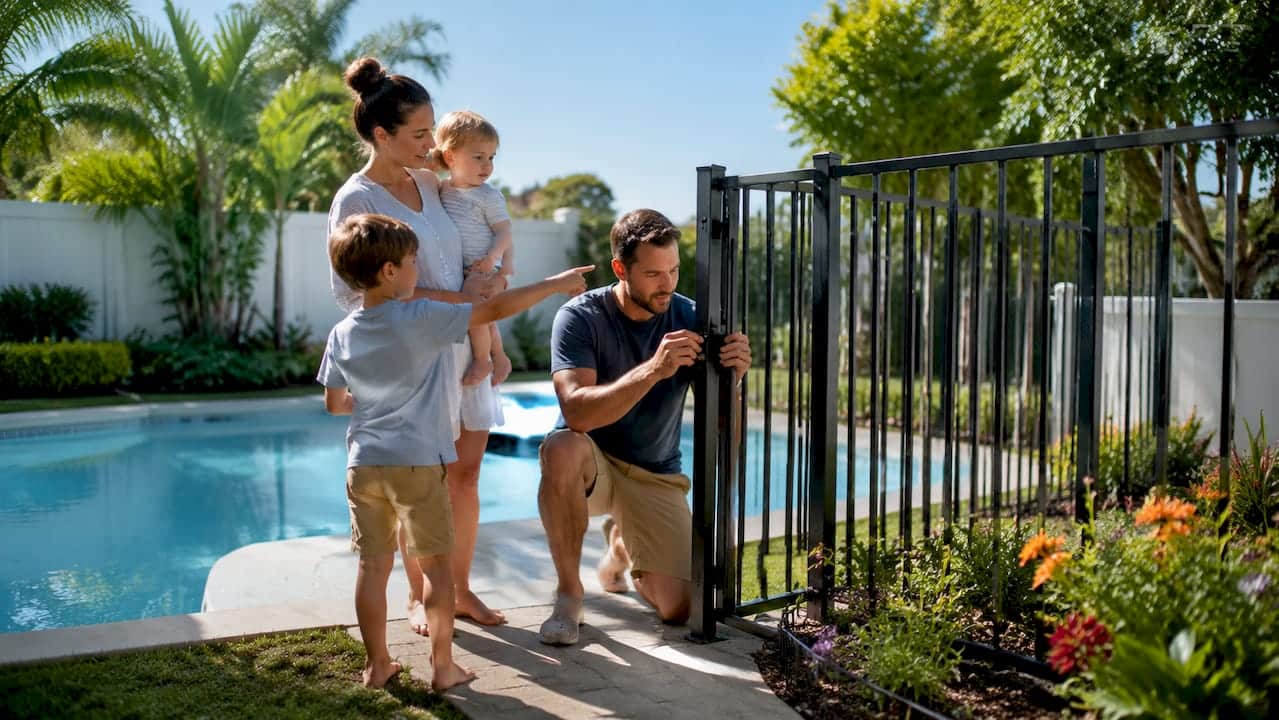
Modern pool fencing is defined as a barrier system that physically separates a swimming pool from its surrounding yard while meeting local safety codes and complementing the home’s design. The best modern pool fencing ideas use materials like tempered glass, powder-coated aluminum, and removable mesh to achieve both goals at once. Frameless glass panels run $200–$350 per linear foot, while aluminum and mesh options cost significantly less. Getting the balance right between safety, style, and budget is the central challenge every homeowner faces when planning a new pool or upgrading an existing one.
1. What are the safest modern pool fencing options for families?
Four-sided isolation fencing reduces a child’s drowning risk by 83%. That single statistic makes it the most important design decision you will make for your pool. A four-sided barrier completely separates the pool from the house and yard, so a child cannot wander in from a back door.
Building codes in most jurisdictions require pool fences to have openings no wider than 4 inches and non-climbable designs. Those two rules exist to prevent children from slipping through gaps or scaling the fence. Horizontal rail designs can create footholds, so vertical picket or frameless glass panels are the safer choice.
Self-closing, self-latching gates are the most overlooked part of pool fence safety. A gate that fails to latch fully defeats the entire barrier. The latch should sit on the pool side of the gate, out of a child’s reach, and engage automatically every single time.
- Glass panels: No horizontal rails, no footholds, fully transparent for supervision
- Powder-coated aluminum: Vertical pickets, no climbable horizontal bars, code-compliant spacing
- Removable mesh: Aluminum and stainless steel poles, no gaps, portable for seasonal use
- Vinyl: Smooth surface, no climbable texture, good for privacy configurations
Pro Tip: Inspect your gate latch monthly. Spring tension weakens over time, and a gate that looks closed but does not fully engage is the most common safety failure point on residential pool fences.
2. Top materials for contemporary pool barriers
The material you choose determines your fence’s look, maintenance load, cost, and lifespan. Each option suits a different combination of budget, climate, and home style.
Frameless and semi-frameless glass
Frameless tempered glass is the top choice for homeowners who want an unobstructed view of the pool. Transparent glass panels let parents monitor children from inside the house without leaving the room. The panels attach to stainless steel spigots drilled into a concrete deck, creating a clean, minimal look that suits modern and Mediterranean home styles equally well.
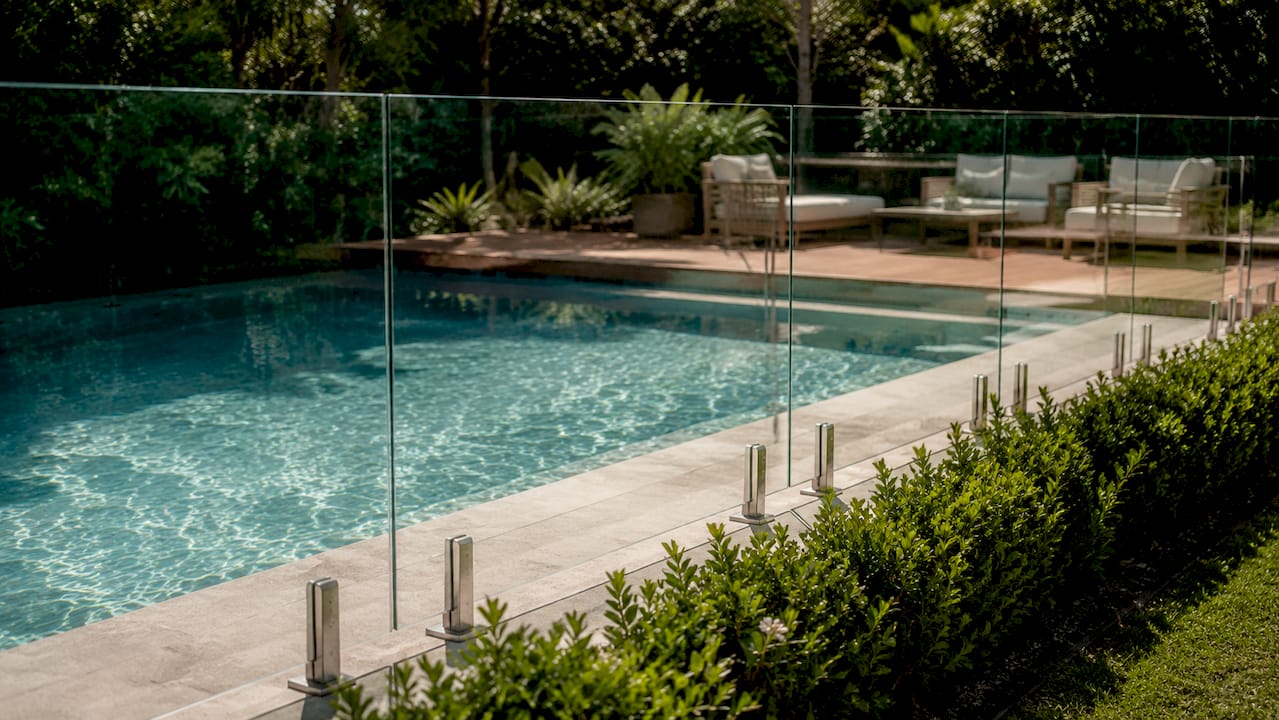
The trade-off is maintenance. Glass fences need weekly cleaning during swim season to prevent hard water and salt residue from dulling the surface. A specialized glass cleaner and a squeegee keep the panels clear. Skip that routine and the fence looks foggy within a few weeks.
Powder-coated aluminum
Powder-coated aluminum fencing is durable, weather-resistant, and available in dozens of colors. It suits mid-century modern, industrial, and contemporary home styles. Aluminum does not rust, which makes it a strong pick for Florida’s humid climate and salt air near coastal areas.
Removable mesh
Removable mesh pool fences use aluminum and stainless steel poles to create a transparent, unobtrusive barrier. High-quality mesh systems come with lifetime warranties and are the most DIY-friendly option on the market. They cost less than glass or aluminum and can be removed for adult-only gatherings, then reinstalled in minutes.
Vinyl and wood
Vinyl fencing offers a clean, low-maintenance surface and works well for homeowners who want privacy alongside safety. Wood delivers a warm, natural look but requires annual sealing or staining to resist moisture. Neither material is as transparent as glass or mesh, which limits sightlines to the pool.
| Material | Approx. cost per linear foot | Maintenance level | Best for |
|---|---|---|---|
| Frameless glass | $200–$350 | High (weekly cleaning) | Open sightlines, modern style |
| Powder-coated aluminum | $25–$75 | Low | Durability, color variety |
| Removable mesh | $15–$25 | Low | Budget, portability |
| Vinyl | $20–$40 | Low to medium | Privacy, clean look |
| Wood | $15–$35 | High (annual sealing) | Natural aesthetic |
3. How to balance pool fence aesthetics with safety and local regulations
Safety codes set the floor. Your design choices build on top of that floor. The two goals do not conflict when you plan in the right order.
Start by pulling your local permit requirements before you buy a single panel. Most Florida counties require a permit for any pool barrier, and inspectors check fence height, gate hardware, and gap spacing before signing off. Skipping this step leads to expensive retrofits. Engaging local authorities early reduces the risk of costly changes after installation.
- Check local codes first. Confirm minimum fence height (typically 48 inches), maximum gap size (4 inches), and gate latch requirements with your county building department.
- Choose a transparent material. Glass or mesh keeps sightlines open and makes the pool feel larger, not enclosed.
- Match finishes to your home. Black powder-coated aluminum pairs well with dark trim and modern architecture. Brushed stainless spigots suit coastal or contemporary homes.
- Integrate with landscaping. Low plantings along the fence line soften the look without creating climbable footholds. Keep shrubs at least 18 inches from the fence base.
- Plan gate placement carefully. Gates should open away from the pool, self-close, and latch on the pool side. Place them where adults naturally enter, not where children play.
Pro Tip: If you choose glass panels, apply a hydrophobic coating at installation. It repels water and mineral deposits, cutting your cleaning time in half and extending the life of the glass.
4. What are cost and installation considerations for modern pool fencing?
Cost varies widely based on material, linear footage, and design complexity. Frameless glass is the most expensive option at $200–$350 per linear foot, with curved layouts and custom hardware pushing totals higher. Aluminum and vinyl fall in the $25–$75 range. Mesh is the most affordable at $15–$25 per linear foot.
Professional installation is strongly recommended for permanent materials like glass, aluminum, and vinyl. Improper post setting or gate alignment creates safety gaps that fail inspection. DIY installation is feasible for mesh fences, but permits and inspections are still required in most jurisdictions.
- Permits: Budget $50–$200 for permit fees depending on your county. Factor in inspection scheduling time.
- Labor: Professional installation typically adds $10–$30 per linear foot on top of material costs.
- Gate hardware: Quality self-latching gate hardware costs $50–$150 per gate. Do not cut costs here.
- Retrofits: Fences installed without permits can require full removal and reinstallation. That cost far exceeds the permit fee.
- Complexity premium: Corner posts, curved pool edges, and uneven terrain all increase labor time and total cost.
Professional installation also protects you legally. If a fence installed without a permit fails and a child is injured, homeowner liability exposure increases significantly. The permit process exists to protect families, not to create paperwork.
5. Stylish fencing for pools: design trends worth knowing
The most popular residential pool fencing trend right now is the frameless glass panel with black spigots. It reads as minimal and modern, photographs well, and does not compete visually with pool water or landscaping. Black hardware has largely replaced brushed chrome in new installations because it holds up better against sun fading and complements dark-trimmed homes.
Horizontal slat aluminum fencing is the second major trend. Widely spaced horizontal slats create a mid-century modern look and allow airflow, which matters in humid climates. The key is keeping slat spacing under 4 inches to meet code. Wider spacing looks cleaner but fails inspection.
Mixed-material designs combine two fence types for different zones. A glass panel section faces the house for sightlines, while a wood or vinyl section runs along the property line for privacy. This approach lets you prioritize supervision where it matters most and privacy where you want it. Choosing the right pool materials for each zone makes the combined design cohesive rather than disjointed.
Color matters more than most homeowners expect. White vinyl reads as traditional. Black aluminum reads as modern. Tan or bronze aluminum blends into natural landscaping. Match the fence color to your home’s trim color and the design feels intentional rather than afterthought.
6. How to fence a pool area: a practical installation overview
Fencing a pool area follows a defined sequence. Skipping steps creates safety gaps and code violations.
First, measure the full perimeter of the pool barrier zone, not just the pool edge. The fence must enclose the pool completely, including any spa or water feature attached to the pool. Second, mark post locations based on your chosen panel width. Glass panels typically run 36–48 inches wide. Aluminum picket sections run 4–6 feet. Third, set posts in concrete footings at the correct depth for your soil type. Shallow footings shift over time and create gaps at the base.
Fourth, install panels and check gap spacing at every point, including corners and gate openings. Fifth, hang the gate and test the self-closing mechanism under load. A gate that closes freely when empty may not close fully when a towel or pool toy catches on it. Sixth, schedule your permit inspection before using the pool. Pool safety compliance in Central Florida requires a passed inspection before the barrier is considered legally complete.
The entire process from permit application to passed inspection typically takes two to four weeks for a straightforward residential installation. Complex designs with custom glass or curved layouts take longer.
Key takeaways
The most effective pool fencing strategy combines four-sided isolation, code-compliant materials, and self-latching gates to protect children while keeping the backyard visually open.
| Point | Details |
|---|---|
| Four-sided isolation is the safest layout | It reduces child drowning risk by 83% and is the most proven safety configuration. |
| Glass costs the most but delivers the best sightlines | Frameless glass runs $200–$350 per linear foot and requires weekly cleaning to stay clear. |
| Gate hardware is the most common failure point | Self-latching gates must be inspected monthly to confirm full latch engagement every use. |
| Permits are not optional | Unpermitted fences can require full removal and reinstallation, costing far more than the permit fee. |
| Material choice drives both cost and maintenance | Aluminum is low maintenance and durable; mesh is the most affordable and DIY-friendly option. |
Why I always tell homeowners to pick safety first, then style
After years of working with Central Florida families on pool projects, the pattern is consistent. Homeowners who start with aesthetics and retrofit for safety spend more money and end up with compromises they did not plan for. Homeowners who start with the four-sided isolation requirement and code specs, then choose materials within that framework, end up with fences they are genuinely proud of.
Glass fencing is the one I recommend most often for families with young children. The transparency is not just beautiful. It is functional. A parent inside the house can see the pool at a glance. That visibility is worth the maintenance commitment.
The gate is where I see the most complacency. Families spend $15,000 on a glass fence and then install a $30 latch that fails within a year. The gate is the weakest point in any fence system. Spend the extra $100 on quality hardware and inspect it every month. That one habit prevents more tragedies than any other single action.
My honest advice on wood fencing: it looks great in photos and deteriorates faster than any other material in Florida’s heat and humidity. If you love the natural look, choose a composite material or a wood-grain aluminum panel instead. You get the aesthetic without the annual maintenance cycle.
The role of safety features in pools goes well beyond fencing, but fencing is the first and most critical layer. Get it right before you think about lighting, landscaping, or water features.
— Results
Plan your pool fence with Randrswimmingpools
R and R Swimming Pools has been building custom inground pools across Central Florida since 1985. The team brings the same depth of experience to fencing guidance as it does to pool construction, helping homeowners choose materials that meet Florida building codes and complement their backyard design.
Whether you are planning a new pool or upgrading an existing barrier, Randrswimmingpools walks you through permit requirements, material selection, and installation options without the guesswork. Read the inground pool installation guide to understand how fencing fits into the full pool build process, or explore the custom pool planning guide to start designing your complete backyard setup. Contact Randrswimmingpools for a free quote and get a clear picture of what your project will cost before you commit.
FAQ
What is the safest type of modern pool fencing?
Four-sided isolation fencing is the safest configuration, reducing drowning risk by 83%. Frameless glass or vertical aluminum picket panels within that layout meet code and eliminate climbable surfaces.
How much does modern pool fencing cost per linear foot?
Frameless glass runs $200–$350 per linear foot. Powder-coated aluminum costs $25–$75, and removable mesh runs $15–$25. Labor adds $10–$30 per linear foot for professional installation.
Do I need a permit to install a pool fence in Florida?
Yes. Florida requires a permit for all pool barriers, and a passed inspection is required before the fence is considered legally complete. Skipping the permit can require full removal and reinstallation.
How often should I clean a glass pool fence?
Glass pool fences need cleaning weekly during swim season using a specialized glass cleaner and squeegee. A hydrophobic coating applied at installation reduces cleaning frequency.
Can I install a pool fence myself?
Removable mesh fences are the most DIY-friendly option, but permits and inspections are still required. Permanent materials like glass, aluminum, and vinyl require professional installation to pass code inspection and avoid safety gaps.
