
Many Central Florida homeowners believe their pool warranty covers everything that could go wrong, only to discover too late that damage from neglected maintenance or storm debris isn’t included. This misconception leads to thousands of dollars in unexpected repair bills and frustration with builders. Understanding the nuances of pool warranties, what they actually protect, their limitations, and how to use them effectively is essential for protecting your investment. This guide breaks down warranty types, coverage specifics, Florida’s legal requirements, and practical steps to maximize your warranty protection.
Table of Contents
- What Pool Warranties Cover: Understanding Types And Durations
- Limitations And Exclusions To Watch For In Pool Warranties
- Florida’s Legal Protections And Builder Considerations For Pool Warranties
- How To Choose, Use, And Maximize Your Pool Warranty In Central Florida
- Explore Expert Inground Pool Installation And Warranties In Central Florida
- Frequently Asked Questions
Key takeaways
| Point | Details |
|---|---|
| Warranty types vary significantly | Pool warranties include structural, equipment, finish, and labor coverage with different durations for each component. |
| Exclusions are common | Most warranties exclude damage from poor maintenance, natural disasters, and pre-existing conditions that homeowners often assume are covered. |
| Florida law mandates minimum coverage | New pool construction in Florida must include at least a one-year warranty covering defects that violate building codes. |
| Builder reputation matters critically | A warranty is only as reliable as the company backing it, making builder research essential before purchase. |
| Documentation protects your investment | Keeping detailed maintenance records and warranty documents in writing ensures successful claims and prevents denials. |
What pool warranties cover: understanding types and durations
When you invest in an inground pool, you’re actually receiving multiple warranties that protect different components for varying lengths of time. Pool warranties typically cover structural components, equipment, finishes, and labor, but understanding which warranty applies to what can save you from costly surprises down the road.
Pool service warranties are categorized into service guarantees, workmanship warranties, and manufacturer warranties, each serving a distinct purpose. Service guarantees focus on the outcome of the work performed, promising that your pool will function as intended. Workmanship warranties cover the quality of installation labor, protecting you if construction defects appear due to poor craftsmanship. Manufacturer warranties protect the equipment and materials themselves, covering defects in pumps, heaters, filters, and other components.
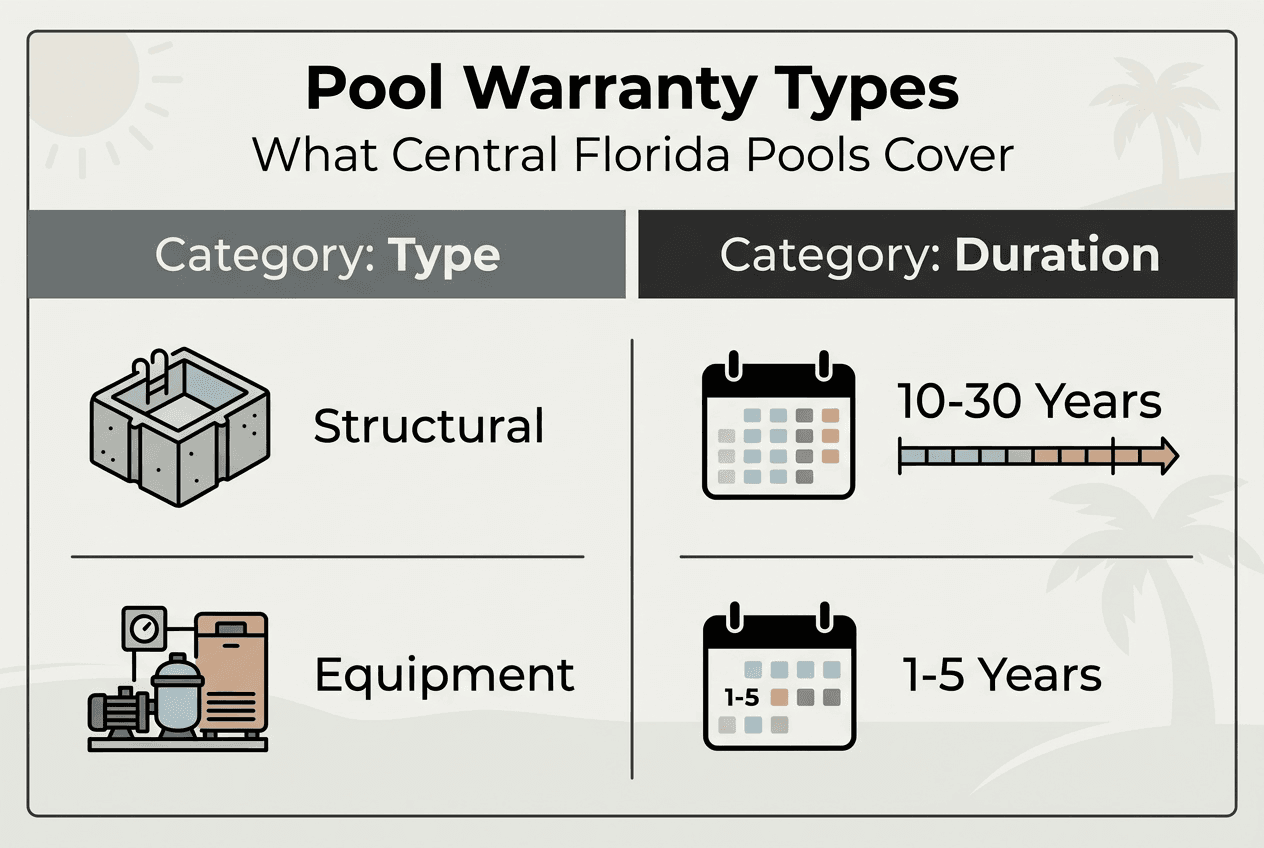
Structural warranties typically last the longest, often covering the pool shell for 10 years or more against cracks, leaks, and structural failures. Equipment warranties usually run 1 to 3 years, protecting mechanical components like pumps and heaters from manufacturing defects. Finish warranties cover the pool surface, whether plaster, tile, or fiberglass gel coat, typically for 1 to 5 years depending on the material. Workmanship warranties are often the shortest, commonly limited to just 1 year from installation completion.
The duration and scope of these warranties directly impact your long-term costs. A pool with a comprehensive 10-year structural warranty and 3-year equipment coverage provides significantly more protection than one with minimal 1-year coverage across the board. Understanding the role of pool maintenance becomes crucial because proper upkeep is typically required to keep warranties valid.
Here’s a comparison of typical warranty types and their coverage periods:
| Warranty Type | Typical Duration | What It Covers |
|---|---|---|
| Structural | 10-30 years | Pool shell, major leaks, structural integrity |
| Equipment | 1-3 years | Pumps, heaters, filters, automation systems |
| Finish | 1-5 years | Plaster, tile, fiberglass gel coat surface defects |
| Workmanship | 1 year | Installation labor, construction defects |
Pro Tip: Always request warranty specifics in writing before signing any contract, including exact coverage periods, what’s included and excluded, and the process for filing claims. Verbal promises mean nothing if a dispute arises later.
When evaluating cost factors for pools homeowner guide, factor in warranty quality as part of your total investment. A slightly higher upfront cost with superior warranty coverage often proves more economical than saving money initially only to face expensive repairs within the first few years.
Limitations and exclusions to watch for in pool warranties
Even the most comprehensive pool warranty comes with significant limitations that catch homeowners off guard. Understanding what your warranty doesn’t cover is just as important as knowing what it does, because these exclusions represent your financial responsibility when problems occur.
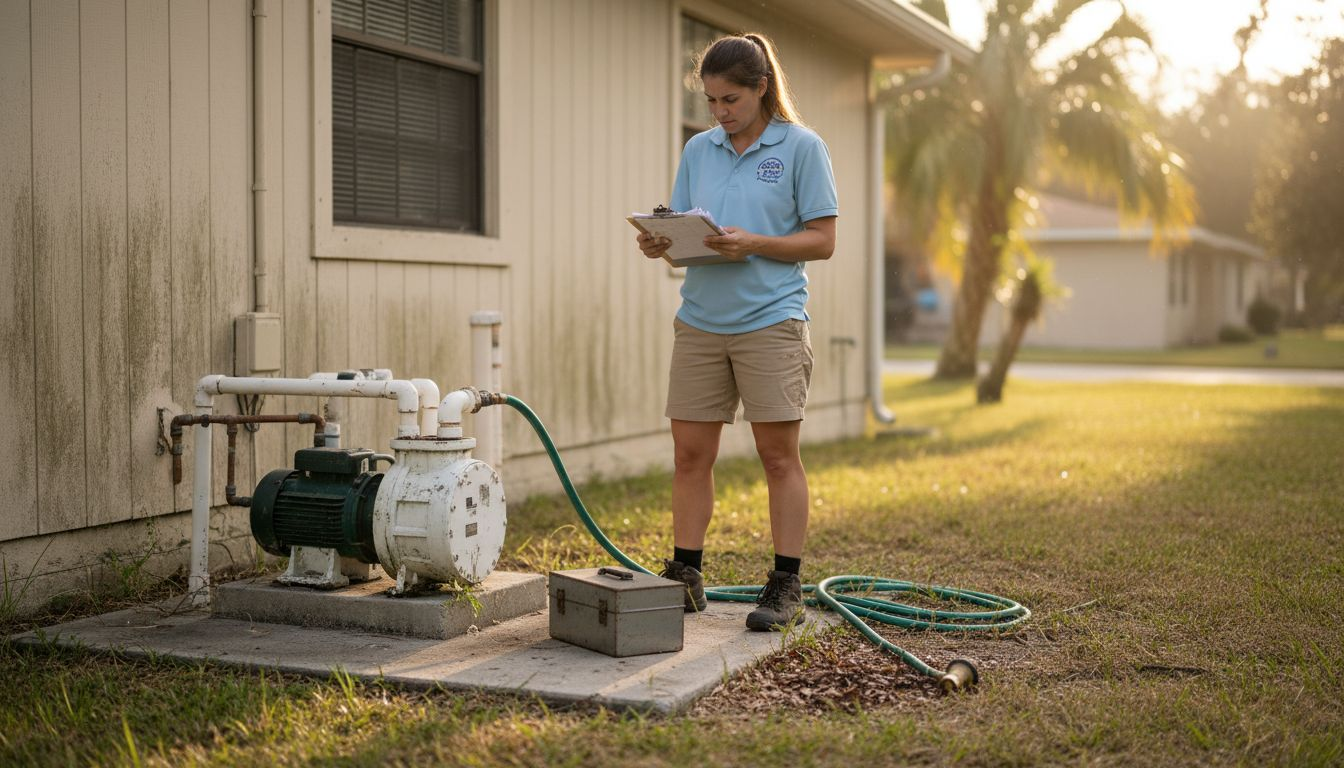
Common warranty exclusions include damage from improper maintenance, natural disasters like hurricanes and flooding, chemical imbalances that damage surfaces or equipment, and pre-existing conditions that weren’t disclosed at installation. Normal wear and tear, cosmetic issues that don’t affect function, and damage from unauthorized repairs or modifications are also typically excluded. Many homeowners assume storm damage or algae staining falls under warranty coverage, only to learn these are considered maintenance issues.
Many pool owners are unaware of the exclusions in their warranties, with surveys showing over 60% misunderstand what their coverage actually includes. This knowledge gap leads to denied claims and unexpected repair bills that strain household budgets. The difference between a covered structural crack and an excluded cosmetic crack often comes down to documentation and whether you maintained proper water chemistry.
“Over 60% of pool owners misunderstand their warranty coverage, particularly regarding maintenance-related exclusions, leading to claim denials and financial surprises.” – Association of Pool & Spa Professionals
Warranty activation and enforcement generally follow a structured sequence that includes documentation of the issue, inspection and diagnosis by the warranty provider, and finally remedy through repair or replacement. This process can take weeks or even months, during which your pool may remain unusable. Some warranties require you to use specific repair companies or obtain pre-approval before any work begins, or risk voiding coverage entirely.
The claims process typically works like this:
- Document the issue with photos, videos, and written descriptions noting when you first noticed the problem
- Contact the warranty provider immediately, following their specific notification requirements and deadlines
- Allow inspection by their authorized technician, who determines if the issue qualifies for coverage
- Obtain written approval before proceeding with repairs if required by your warranty terms
- Keep all receipts and documentation throughout the repair process
Pro Tip: Maintain a dedicated file with all maintenance receipts, water chemistry test results, and service records from day one. This documentation becomes your defense against claim denials based on alleged improper maintenance.
Understanding the role of pool maintenance isn’t just about keeping your pool clean and safe; it’s about preserving your warranty coverage. A single gap in your maintenance records can provide grounds for denial, even if that gap didn’t actually cause the problem. Weekly water testing, regular cleaning, and professional service visits create the paper trail that validates your warranty claims.
Florida’s legal protections and builder considerations for pool warranties
Florida law provides baseline warranty protections for pool owners that go beyond what individual builders might offer. Florida Statute 553.837 mandates a one-year warranty for new home construction covering defects that violate the Florida Building Code, which includes pools installed as part of new residential construction. This statutory warranty protects you against construction defects for at least one year, regardless of what the builder’s warranty states.
Contractor licensing requirements in Florida also affect warranty obligations. Licensed pool contractors must carry insurance and meet specific bonding requirements that provide additional consumer protection. If a licensed contractor fails to honor their warranty, you have recourse through the Florida Department of Business and Professional Regulation. Unlicensed contractors offer no such protection, making warranty enforcement nearly impossible if they disappear or refuse to honor claims.
However, the real value of any warranty depends on whether the company backing it will still exist when you need to file a claim. The longevity and enforceability of a pool warranty depend on the financial stability of the pool builder or manufacturer. A 10-year structural warranty means nothing if the builder goes bankrupt in year three. This reality makes researching your builder’s reputation and financial stability just as important as comparing warranty terms.
Steps to vet pool builders for warranty dependability:
- Verify current Florida contractor licensing and check for any disciplinary actions or complaints
- Review Better Business Bureau ratings and read both positive and negative customer reviews carefully
- Ask for references from customers whose pools are at least 3 to 5 years old to assess long-term reliability
- Confirm the builder carries adequate liability insurance and bonding beyond minimum state requirements
- Research how long the company has operated under its current ownership and business structure
“A warranty is only as good as the company behind it. Builder bankruptcy or closure leaves homeowners with worthless warranty documents and no recourse for covered repairs, making due diligence essential before signing any contract.”
When evaluating a pool builder Clermont FL or anywhere in Central Florida, prioritize established companies with decades of local presence over newer businesses offering seemingly better warranty terms. A company that’s survived multiple economic cycles demonstrates the stability needed to honor long-term warranty commitments. Ask potential builders directly about their warranty claim history, how many claims they’ve honored in the past year, and what percentage of claims they deny.
Florida’s climate presents unique warranty challenges. Hurricane damage, extreme heat affecting equipment, and heavy seasonal rain impacting water chemistry create conditions that test warranty boundaries. Clarify with your builder exactly how weather-related issues are handled under warranty, because Florida’s “acts of nature” can be interpreted broadly to exclude coverage.
How to choose, use, and maximize your pool warranty in Central Florida
Selecting the right warranty coverage starts during the shopping phase, long before installation begins. Compare warranty offers from multiple builders by examining not just duration but also coverage limits, deductibles, and claim procedures. A 10-year warranty with a $500 deductible per claim and coverage capped at $5,000 total may prove less valuable than a 5-year warranty with no deductible and unlimited coverage for qualifying issues.
When filing a warranty claim, following the correct procedure dramatically increases your approval odds:
- Document the issue thoroughly with dated photos, videos, and written descriptions before the problem worsens.
- Contact the warranty provider within the timeframe specified in your warranty documents, typically 30 to 60 days of discovering the issue.
- Maintain your pool properly throughout the claim process, continuing regular maintenance to prevent the problem from worsening.
- Obtain written communication for all interactions, avoiding reliance on phone conversations that leave no paper trail.
- Keep copies of all submitted documentation and follow up regularly on claim status if you don’t receive timely responses.
Extended warranties deserve consideration for comprehensive protection beyond standard coverage periods. Extended warranties for pools can range from a few hundred to over a thousand dollars, often worth the cost compared to repair expenses for major equipment failures. A $600 extended warranty that covers your $4,000 heater for an additional three years represents smart financial planning, especially given Florida’s year-round pool usage that accelerates equipment wear.
Pro Tip: Create a dedicated warranty file containing all warranty documents, maintenance logs, receipts, water test results, and correspondence with your builder. Update this file monthly and store it somewhere safe from water damage, because this documentation becomes critical evidence if disputes arise.
Expert advice emphasizes getting warranty details in writing and maintaining meticulous maintenance records as proof for claims. Verbal assurances from salespeople carry no legal weight. If a builder promises coverage beyond what’s written in the warranty document, request that promise be added to the contract in writing before signing.
Before purchasing, ask builders these detailed questions:
- What specific components does each warranty type cover, and what’s explicitly excluded?
- Who handles warranty claims, the builder or the equipment manufacturer, and what’s the average response time?
- Are there deductibles or coverage caps that limit total claim amounts?
- What maintenance requirements must I meet to keep the warranty valid?
- How are disputes resolved if we disagree about whether an issue qualifies for coverage?
Understanding the inground pool installation guide Central Florida helps you recognize potential issues early, before they escalate into major warranty claims. Catching a small leak during the first year when workmanship coverage applies costs nothing, while waiting until year two when only structural warranty remains might leave you paying for labor.
Consider pool financing options that include warranty coverage in your loan amount, ensuring you can afford comprehensive protection without compromising your budget. Financing extended warranties alongside your pool installation spreads the cost over time while securing long-term protection from day one.
Explore expert inground pool installation and warranties in Central Florida
Navigating pool warranties requires expertise that comes from decades of industry experience and deep knowledge of what homeowners actually need versus what sounds good in marketing materials. R & R Swimming Pools has served Central Florida since 1985, building a reputation on transparent warranty practices and standing behind every installation with comprehensive coverage that protects your investment.
Our team helps you understand exactly what your warranty covers, what it doesn’t, and how to maintain your pool to preserve coverage throughout the warranty period. We explain complex warranty terms in plain language and provide detailed documentation that eliminates confusion when claims arise. Explore our inground pool installation guide Central Florida to see how proper installation from the start minimizes warranty claims altogether. Our expert guide to inground pools covers everything from design to long-term maintenance, while our flexible pool financing options make comprehensive warranty coverage affordable for every budget.
Frequently asked questions
What types of pool warranties should I expect when installing a new inground pool?
You should receive multiple warranties covering different components. Service guarantees promise functional outcomes, workmanship warranties protect against installation defects, and manufacturer warranties cover equipment and material defects. Most comprehensive installations include structural coverage for the shell, equipment warranties for mechanical components, finish warranties for surfaces, and labor warranties for installation quality. Always request written documentation specifying each warranty type, its duration, and exactly what components it covers.
How long do standard pool warranties typically last in Central Florida?
Structural warranties commonly last 10 years or more for the pool shell and major leaks. Equipment warranties typically run 1 to 3 years for pumps, heaters, and filters. Finish warranties cover surfaces for 1 to 5 years depending on materials used. Workmanship warranties usually last just 1 year from installation completion. Florida law mandates at least a one-year warranty for new home construction pools covering building code violations, providing baseline protection regardless of builder terms.
Are pool warranties transferable if I sell my home?
Most manufacturer warranties are not transferable unless the original registration is assigned to new owners through a formal process. Workmanship warranties typically end with the original homeowner and don’t transfer at sale. Structural warranties sometimes transfer but may require registration updates and fees. Check your specific warranty documents carefully before listing your home, as transferable warranties can increase property value and appeal to buyers.
What should I do if my pool warranty claim is denied?
Gather all documentation including maintenance records, photos of the issue, and copies of your warranty documents. Request a detailed written explanation of why the claim was denied, including specific warranty language supporting the denial. Review the denial reason against your warranty terms to determine if it’s valid or disputable. Consider consulting with local consumer protection agencies or an attorney specializing in construction disputes if the denial seems unjustified, especially for significant repair costs. Many denials result from incomplete documentation rather than actual exclusions, so thorough records often lead to successful appeals.