
TL;DR:
- Proper pool lighting improves safety, extends swimming hours, and enhances property value.
- LED lights are the most efficient, long-lasting, and effective choice for safety and aesthetics.
- Integrating lighting during construction or renovation ensures safety and design quality, saving costs.
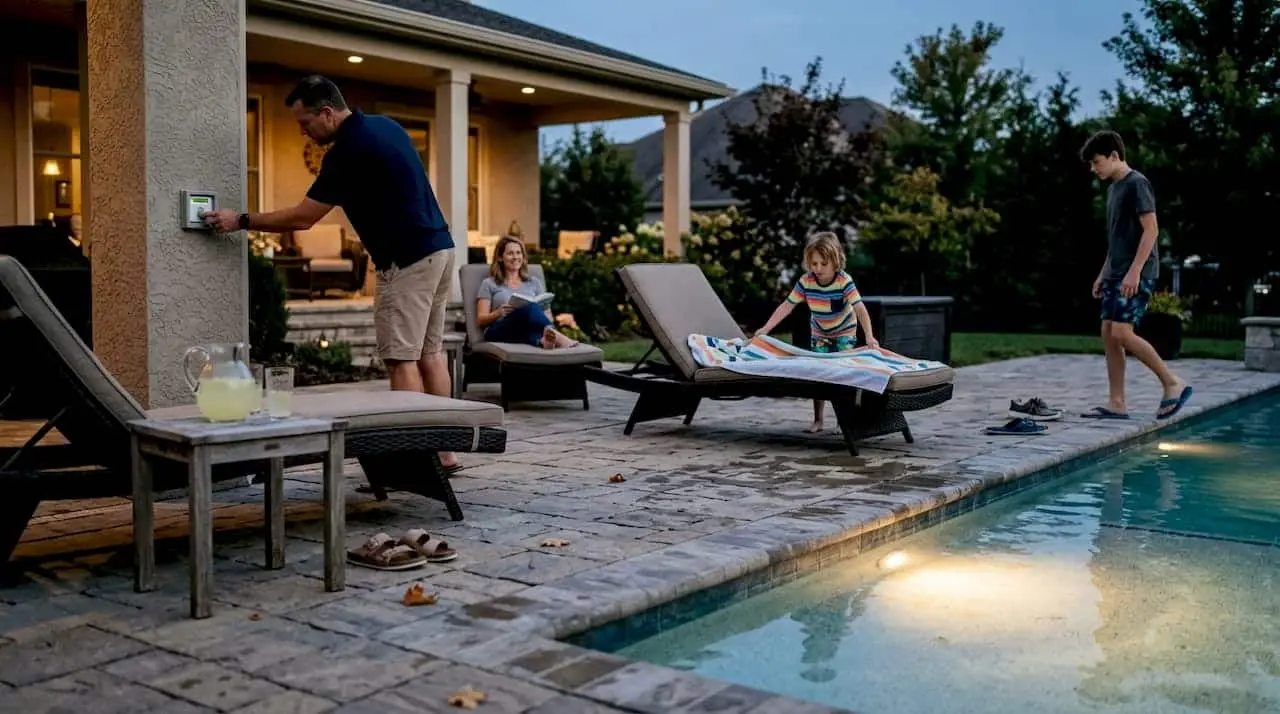
Pool lighting is one of those features that many Central Florida homeowners treat as optional, like a luxury upgrade you add after everything else is done. That thinking can cost you. Florida leads the nation in drowning incidents, and poor visibility around pools is a contributing factor, especially after dark when families are still swimming. Modern pool lighting does far more than create a pretty glow. It actively reduces accident risk, extends your pool’s usable hours, and can even raise your property value. This guide breaks down the real safety data, the best lighting types for Florida conditions, and how to make smart choices whether you’re building new or renovating.
Table of Contents
- The real impact of pool lighting on safety
- Types of pool lighting and what actually works best
- How pool lighting enhances aesthetics and night-time enjoyment
- Integrating pool lighting with renovation or new installation
- The big-picture benefits: Style, safety, and property value
- Why most pool lighting advice misses the real point
- Ready to upgrade? Your Central Florida pool lighting experts
- Frequently asked questions
Key Takeaways
| Point | Details |
|---|---|
| Safety is essential | Proper pool lighting drastically improves nighttime safety and visibility for families. |
| Layered LED works best | Warm LED lighting offers the best mix of efficiency, safety, and style for Central Florida pools. |
| Right timing saves money | Planning lighting during installation or renovation enhances results and reduces long-term costs. |
| Avoid trendy mistakes | Trendy RGB or poorly installed lights can lower style and create hazards. |
The real impact of pool lighting on safety
Most people think of pool lighting as the finishing touch, something you pick after the tile and the waterfall feature. But safety professionals and data tell a different story. Visibility is one of the most critical factors in preventing pool accidents, and poor lighting after sunset creates real danger for families.
The numbers are sobering. The Consumer Product Safety Commission reports approximately 6,300 nonfatal child injuries annually from pool or spa submersions, along with 357 fatalities among children under 15. Poor visibility and murky water are cited as contributing factors, and electrical faults rank among the top-tier hazards identified in that same report. That last point matters: outdated or poorly installed pool lighting is not just ineffective, it can be an active hazard.
Florida’s situation is unique. The state has one of the highest concentrations of residential pools in the country, and because of the warm climate, pools are used year-round, including well into the evening. That extended use window means more nighttime swimming, and more nighttime swimming without proper lighting means more risk. Understanding pool safety for families in this context isn’t just good practice, it’s essential.
| Age group | Estimated nonfatal injuries | Reported fatalities |
|---|---|---|
| Under 5 years | Highest proportion | Highest risk group |
| 5 to 14 years | Significant share | 357 total under 15 |
| Adults 15 and older | Lower relative rate | Varies by year |
“Electrical faults in pool lighting systems are classified as a Tier 1 hazard, meaning they carry the highest severity rating in pool safety assessments.” — CPSC 2025 Pool Submersion Report
Beyond the statistics, think practically. A pool that’s well-lit at night is one where you can actually see a child who is struggling. You can see the steps, the depth markers, and the edges clearly. These aren’t decorative benefits. They’re functional safety features. Looking at examples of pool upgrades that combine safety with aesthetics shows just how much lighting shapes the overall experience.
Pro Tip: Install layered, glare-free LED lighting at multiple depths and angles so you eliminate dark spots without blinding swimmers or bystanders.
Types of pool lighting and what actually works best
Not all pool lights are created equal, and choosing the wrong type can leave you with a pool that looks awkward, wastes energy, or creates glare that actually makes it harder to see into the water. Here’s a clear breakdown of what’s available and what performs best in Central Florida conditions.
LED lights are the current standard for good reason. They use significantly less energy than older halogen fixtures, last far longer (often 50,000 hours or more), and produce consistent, bright illumination without excessive heat. They’re available in both white and color options, making them versatile for both safety and style. Exploring your pool lighting options will show just how far LED technology has advanced for residential pools.

Halogen lights were once the default but are now largely outdated. They burn hotter, consume more power, and need replacing far more often. If your pool still uses halogens, an upgrade to LED is one of the most cost-effective changes you can make.
Fiber optic lighting creates a softer, more ambient glow and is often used for decorative accents rather than primary illumination. It’s a beautiful addition to luxury pool features, but it shouldn’t be your only light source.
RGB color-changing lights are popular and can look stunning when used correctly. However, experts warn that overusing color-changing lights often results in a pool that looks garish or distracting rather than elegant. Flashing or rapidly cycling colors can also be disorienting for swimmers.
Pros and cons at a glance:
- LED: Long lifespan, energy-efficient, bright and clear. Higher upfront cost.
- Halogen: Lower initial price. High energy use, short lifespan, generates heat.
- Fiber optic: Beautiful ambient effect. Not suitable as primary safety lighting.
- RGB color-changing: Versatile and dramatic. Easy to overdo, can create glare.
| Light type | Energy use | Lifespan | Best use case |
|---|---|---|---|
| LED | Low | 50,000+ hours | Primary safety and ambient lighting |
| Halogen | High | 1,000 hours | Legacy installs only |
| Fiber optic | Very low | Long | Accent and decorative |
| RGB LED | Low | 50,000+ hours | Accent with restraint |
Pro Tip: Blend warm white LED fixtures for your main pool illumination and add subtle cool-toned accent lighting along steps or water features. This approach covers safety and creates a polished, layered look without the chaos of constant color cycling.
How pool lighting enhances aesthetics and night-time enjoyment
There’s a version of pool lighting that transforms your backyard into something genuinely spectacular after dark. And there’s a version that makes your yard look like a carnival ride. The difference is almost entirely in the design choices.
Thoughtful lighting turns a pool into a focal point. Soft underwater illumination creates a glowing effect that makes the water look inviting and clear. Accent lights placed along pathways, near landscaping, or highlighting water features like fountains or spillovers add depth and dimension. The result is a space that feels intentional and polished, not just lit up.
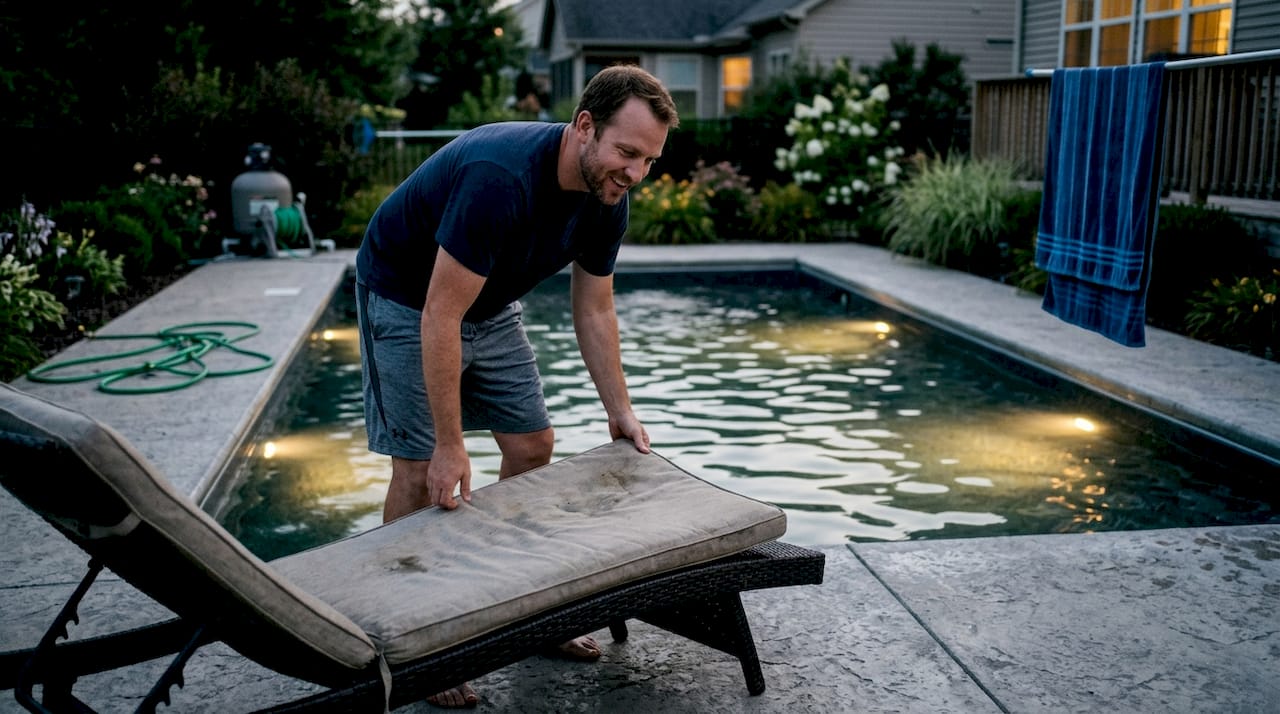
For hosting guests, layered lighting gives you control over the mood. Bright, even underwater lights for active swimming. Softer perimeter lights for relaxed conversation. A few well-placed accent lights to highlight your landscaping or a waterfall feature. This kind of setup is what separates a thoughtfully designed pool from one that was lit as an afterthought. Getting pool lighting design inspiration early in the planning process helps you see what’s possible before you commit to fixture placement.
Common design mistakes to avoid:
- Placing all lights at the same depth or angle, which creates flat, uninteresting illumination
- Using too many color-changing modes simultaneously
- Installing fixtures that point toward the house or seating areas, creating glare
- Ignoring the landscaping and lighting synergy that makes the whole yard feel cohesive
- Skipping dimmers, which locks you into one brightness level for every occasion
Experts consistently emphasize that layering and careful placement are what separate a lighting design that looks expensive from one that looks like a mistake.
Pro Tip: Install dimmable, zone-controlled lighting so you can adjust brightness and which areas are lit based on what’s happening. Swimming with kids calls for full brightness. A quiet evening by the pool calls for something softer.
Integrating pool lighting with renovation or new installation
The single most expensive pool lighting mistake homeowners make is treating it as an afterthought. When lighting is added after construction is complete, you’re often working around existing conduit, limited access points, and wiring that wasn’t designed for the fixtures you now want. That means higher labor costs, more disruption, and sometimes compromised results.
Planning lighting from the start, or incorporating it into a renovation, gives your contractor the ability to route wiring properly, choose fixture locations based on design intent rather than what’s accessible, and ensure all electrical work meets current safety codes. The CPSC data is clear that safety upgrades are most effective when planned during major renovations rather than patched in later.
Here’s a simple process to follow:
- Plan first. Before selecting any fixtures, decide how you want to use your pool at night. Safety-focused, entertainment-focused, or both. This shapes every decision that follows.
- Choose your fixture types. Based on your goals, select LED types, placement zones, and whether you want color capability or strictly white light.
- Install with a licensed professional. Pool electrical work is not a DIY project. Improper wiring near water is a serious hazard. Work with someone who understands both pool construction and electrical code.
- Test thoroughly before finalizing. Walk the pool perimeter at night, check for dark spots, glare points, and uneven coverage. Adjust before the project is closed out.
If you’re planning a full renovation, reviewing the pool renovation process in detail helps you understand where lighting fits into the broader timeline. There are also smart pool renovation ideas that show how lighting integrates with other upgrades like automation systems and energy-efficient equipment.
The big-picture benefits: Style, safety, and property value
Investing in quality pool lighting pays off in ways that go well beyond how your pool looks on a Saturday night. For Central Florida homeowners, where pools are a year-round feature and a major component of home value, lighting is one of the highest-return upgrades you can make.
Real estate professionals consistently note that well-designed outdoor living spaces, including pools with quality lighting, contribute meaningfully to home sale prices. A pool that looks beautiful and functional at night signals to buyers that the property has been maintained and thoughtfully upgraded. The CPSC’s own data reinforces that pool safety improvements like proper lighting also reduce liability, which matters to both owners and prospective buyers.
What quality pool lighting delivers:
- Immediate safety improvement, especially for children and evening swimmers
- Extended usable hours, turning your pool into a genuine evening entertainment space
- Reduced maintenance surprises, since modern LED systems flag electrical issues more reliably than older halogen setups
- Stronger curb appeal and property value, particularly in high-pool-density markets like Orlando and surrounding communities
- Peace of mind, knowing your pool is as safe at 9 PM as it is at 2 PM
Central Florida’s density of pool homes means buyers compare properties carefully. A pool with dated or absent lighting stands out for the wrong reasons. If you want to understand how lighting fits into the broader picture of raising your pool’s value, the combination of safety, aesthetics, and energy efficiency makes it one of the smartest single investments you can make in your outdoor space.
Why most pool lighting advice misses the real point
After decades of designing and installing pools across Central Florida, we’ve noticed a pattern in how lighting gets discussed. Most conversations focus on which fixture looks coolest or which color mode is trending. That’s the wrong starting point.
The homeowners who end up happiest with their pool lighting are the ones who started with function. Where are the dark spots? Where do kids typically swim? Where are the entry and exit points? Once those questions are answered, style decisions become much easier and the results look better too.
The mistake we see most often is choosing dramatic RGB setups because they look impressive in showrooms, then living with a pool that feels like a nightclub rather than a backyard retreat. The second most common mistake is skipping professional design entirely and ending up with glare problems or uneven coverage that no amount of bulb-swapping fixes.
Our honest take: prioritize layered, warm LED lighting with professional placement, then add accent color if it fits your style. Reviewing Central Florida pool lighting options with a professional eye makes all the difference between a pool that looks great in photos and one that actually works for your family every single evening.
Ready to upgrade? Your Central Florida pool lighting experts
If this article has shifted how you think about pool lighting, you’re already ahead of most homeowners who start the process. Good lighting isn’t a finishing touch. It’s a core part of what makes a pool safe, beautiful, and worth every dollar you put into it.
At R&R Swimming Pools, we’ve been helping Central Florida families build and renovate pools since 1985. Whether you’re starting from scratch or upgrading an existing pool, our team can walk you through every lighting decision with expertise you can trust. Visit our pool school for in-depth education, explore our inground pool installation guide for new builds, or start planning your upgrade through our pool remodeling process page today.
Frequently asked questions
Does pool lighting really make my pool safer for kids?
Yes. Proper pool lighting significantly improves nighttime visibility, which helps caregivers spot children in the water faster. The CPSC reports 357 fatalities among children under 15 annually, with visibility and electrical hazards both flagged as contributing risk factors.
What kind of pool lights should I avoid?
Avoid cheap RGB fixtures with poor installation and any lighting that creates glare toward swimmers or seating areas. Experts warn that trendy color-changing installs often look unappealing and can reduce rather than improve safety.
How can I combine beauty with safety in my pool lighting?
Choose layered LED lighting with warm white as your primary source and subtle accents for visual interest. Professional placement ensures you cover every safety-critical zone without sacrificing the aesthetic you want.
Is it worth upgrading my pool lights during a renovation?
Absolutely. Upgrading during a renovation lets contractors route wiring correctly and choose optimal fixture locations. The CPSC confirms that safety upgrades are far more effective and cost-efficient when integrated into major renovation work rather than added afterward.
