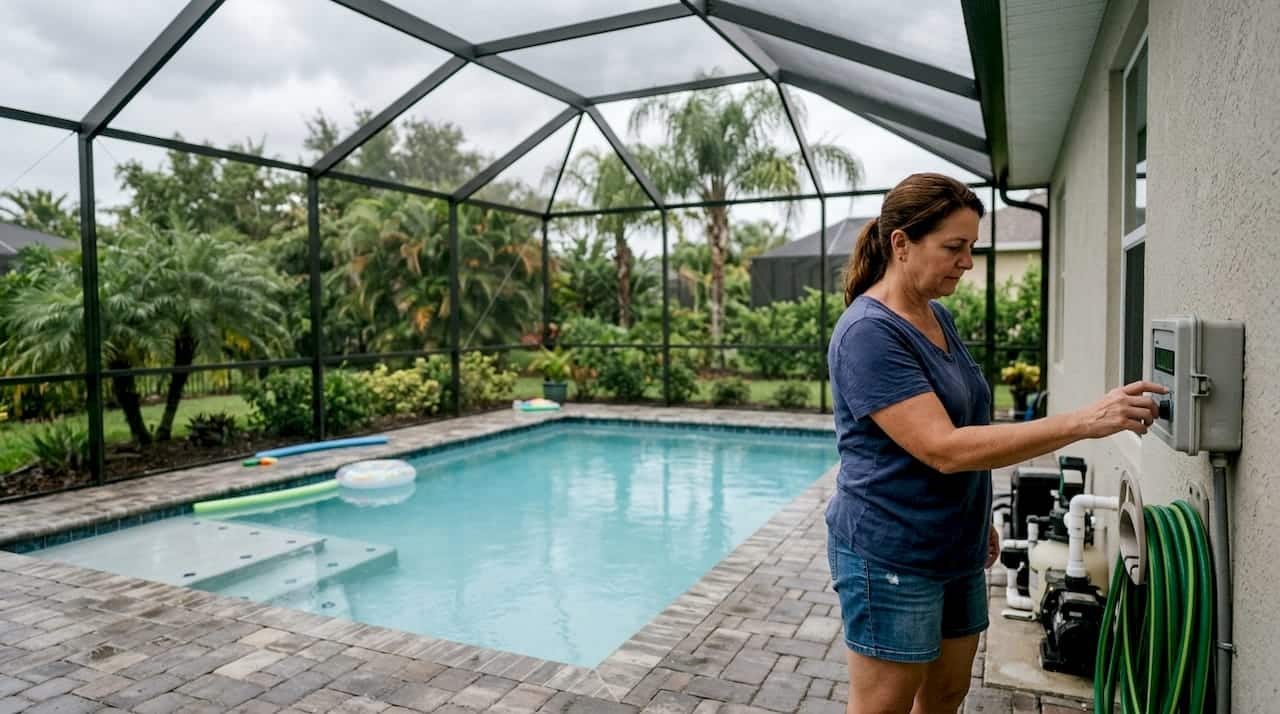
Choosing the right pool features for your Central Florida backyard can feel overwhelming when you’re balancing luxury desires with practical realities. You want a stunning pool that enhances your lifestyle, but you also need features that withstand hurricane season, resist intense sun exposure, and deliver long-term value without draining your budget on maintenance. The wrong choices can lead to costly repairs, disappointing performance, or features you rarely use. This guide walks you through what to consider, how to prepare, and how to choose features that enhance your backyard experience while respecting Central Florida’s unique climate and construction realities. You’ll learn expert tips geared specifically to this region’s weather patterns and local building requirements.
Table of Contents
- Key takeaways
- Understanding your Central Florida pool environment
- Preparing to choose your pool features: permits, timeline, and budget
- How to choose luxury and functional pool features
- Executing your pool feature selection: expert guidance and avoiding common mistakes
- Enhance your custom pool experience with expert design and installation
- How to choose pool features FAQ
Key Takeaways
| Point | Details |
|---|---|
| Hurricane resistant design | Prioritize structural reinforcement and features engineered for storm conditions to avoid expensive post construction upgrades. |
| Plan features early | Incorporate permits, engineering approvals, and budget constraints into the design timeline to prevent costly changes later. |
| Energy efficiency matters | Choose energy efficient pumps, heaters, and lighting to cut long term operating costs. |
| Consult experts early | Work with experienced professionals to ensure code compliance and streamline feature selection. |
Understanding your Central Florida pool environment
Central Florida’s subtropical climate creates unique challenges that directly impact which pool features make sense for your investment. You’re not just dealing with occasional rain or heat. You’re planning for a region where hurricane season demands pools engineered for 130+ mph winds, where pool cages and enclosures often fail first during major storms, and where year-round sun exposure accelerates material degradation.
Hurricane preparedness isn’t optional here. Your pool structure needs reinforcement to handle hydrostatic pressure when groundwater rises during storms. This affects everything from the shell design to which water features you install. A beautiful vanishing edge might look stunning, but it requires additional engineering to prevent catastrophic failure when storm surge hits. Similarly, elaborate lighting systems need waterproof housings rated for submersion, not just splash resistance.
Critical hurricane preparation steps include:
- Lowering pool water 12-18 inches before storms to prevent overflow and deck damage
- Shocking chlorine levels to prevent contamination from debris and floodwater
- Securing all removable equipment including ladders, diving boards, and decorative elements
- Installing backup power for essential systems if you choose automation features
The intense UV exposure in Central Florida also matters for feature selection. Materials that perform beautifully in northern climates can fade, crack, or degrade within a few years here. Natural stone coping needs sealing more frequently. Certain tile finishes lose their luster faster. Even your choice of pool cage material affects how much additional UV protection your water surface receives.
“The biggest mistake homeowners make is choosing features based on aesthetics alone without considering our hurricane and weather realities. What looks amazing in a showroom might become a maintenance nightmare or safety hazard after the first major storm.” — Experienced Central Florida Pool Engineer
Pro Tip: When evaluating any pool feature, ask your contractor specifically how it performs during hurricane conditions and what additional reinforcement or preparation it requires. Features requiring extensive storm prep may not fit your lifestyle if you travel frequently during summer months.
Your custom pool planning should account for these environmental factors from day one. Retrofitting hurricane protection or replacing weather-damaged features costs significantly more than building resilience into your initial design.
Preparing to choose your pool features: permits, timeline, and budget
Before you fall in love with specific waterfalls or lighting systems, you need a realistic framework for what’s actually feasible given regulatory requirements, construction realities, and financial constraints. Custom pools require permits and engineering approvals, with construction taking 8-12 weeks for gunite, and these timelines directly influence which features you can integrate smoothly versus which become expensive add-ons.
Permit requirements in Central Florida vary by municipality, but all require structural engineering stamps for inground pools. Some features trigger additional permits. Adding a spa with separate heating requires plumbing and electrical permits beyond your basic pool permit. Installing a pool house or outdoor kitchen means separate building permits with their own inspection schedules. Gas fire features need gas line permits and inspections. Understanding this upfront prevents frustrating delays when you discover your dream fire bowl requires a two-month permitting process.
Typical permit and approval timeline:
- Submit initial pool design and engineering plans (1-2 weeks for approval)
- Obtain structural engineering stamp (concurrent with design approval)
- Schedule utility locates and setback verifications (3-5 days)
- Receive building department approval to begin construction (1-2 weeks)
- Schedule required inspections at specific construction milestones (ongoing)
- Obtain final approval and certificate of completion (after final inspection)
Budget realism matters enormously. Annual maintenance costs range $3,000-$6,000 for basic pools in the Orlando area, but luxury features increase this substantially. Here’s what different feature categories typically add to your annual operating costs:
| Feature Category | Installation Cost Range | Annual Operating Cost Increase |
|---|---|---|
| Basic lighting (LED) | $2,000-$4,000 | $100-$200 |
| Waterfalls and features | $3,000-$15,000 | $200-$500 |
| Attached spa | $8,000-$15,000 | $600-$1,200 |
| Heating system (gas) | $3,000-$5,000 | $1,000-$2,500 |
| Automation system | $2,000-$5,000 | $50-$150 |
| Salt system | $1,500-$2,500 | $200-$400 |
Pro Tip: Create two budgets during planning. Your installation budget covers construction costs, while your operating budget accounts for ongoing maintenance, utilities, chemicals, and repairs. Many homeowners budget adequately for installation but get surprised by operating costs, leading them to underutilize expensive features they can’t afford to run regularly.
Your preparation for the pool build should include conversations with your contractor about which features integrate most cost-effectively during initial construction versus which you can add later. Some upgrades like advanced plumbing loops or electrical conduit cost minimally during construction but become major projects to retrofit.
How to choose luxury and functional pool features
Now comes the exciting part where you select specific features that transform your pool from basic to extraordinary. The key is balancing luxury appeal with practical considerations like energy consumption, maintenance requirements, and actual usage patterns. You want features you’ll genuinely enjoy, not just impressive additions that sit unused while driving up your utility bills.
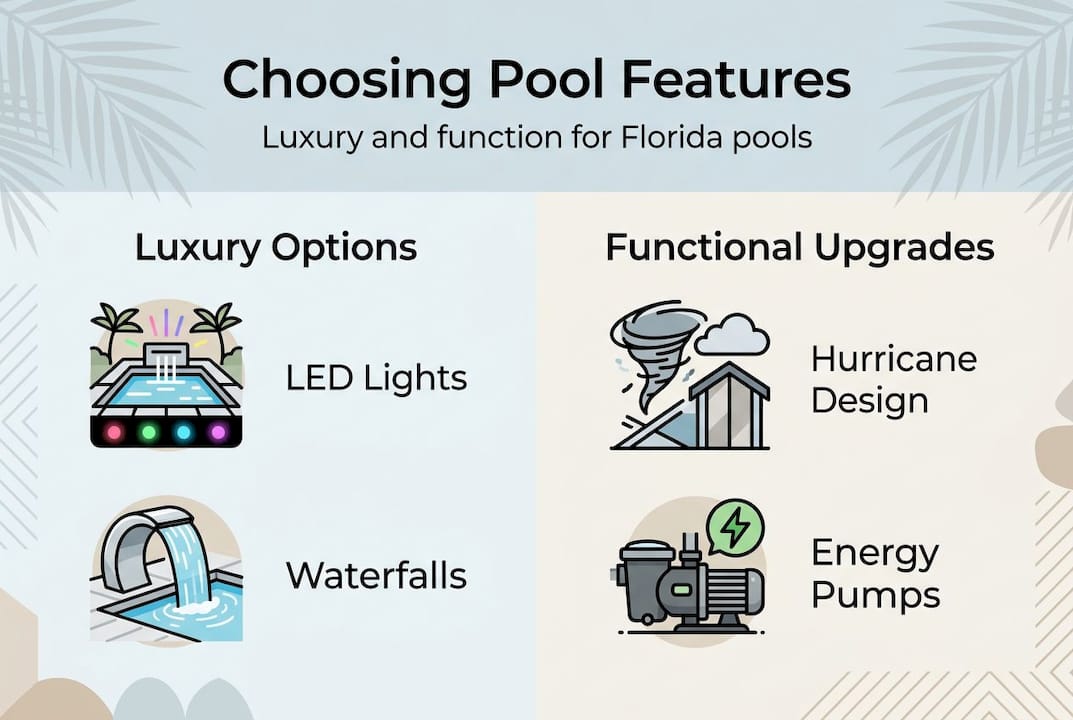
Popular luxury features for Central Florida pools:
- Waterfalls and rock formations that create natural aesthetics and soothing sounds
- Color-changing LED lighting systems for evening ambiance and safety
- Attached spas with independent heating and jet systems
- Tanning ledges and baja shelves for lounging in shallow water
- Beach entries that slope gradually like natural shorelines
- Automation systems controlling all pool functions via smartphone
- Fire features including bowls, pits, and torches around the deck
- Outdoor kitchens and bars for seamless entertaining
Each luxury feature delivers different value propositions. Lighting enhances safety and extends usable hours while consuming minimal energy with modern LEDs. Waterfalls add visual and auditory appeal but increase water evaporation and require additional pump capacity. Spas provide therapeutic benefits but substantially increase heating costs if used year-round.
Functional features that improve efficiency and reduce costs:
- Variable-speed pumps that cut energy consumption by 50-70% compared to single-speed models
- Solar heating systems that eliminate or reduce gas heating expenses
- Automated covers that reduce evaporation, chemical use, and heating costs
- Salt chlorination systems that reduce chemical handling and ongoing chemical purchases
- Smart controllers that optimize run times and chemical dosing
- Energy-efficient LED lighting throughout the pool and landscape
The smartest approach combines luxury and function. Color-changing LEDs provide ambiance while using 75% less energy than incandescent pool lights. A spa with a separate heater lets you enjoy hot water without heating the entire pool. Automation systems add convenience while optimizing energy use by running equipment during off-peak hours.
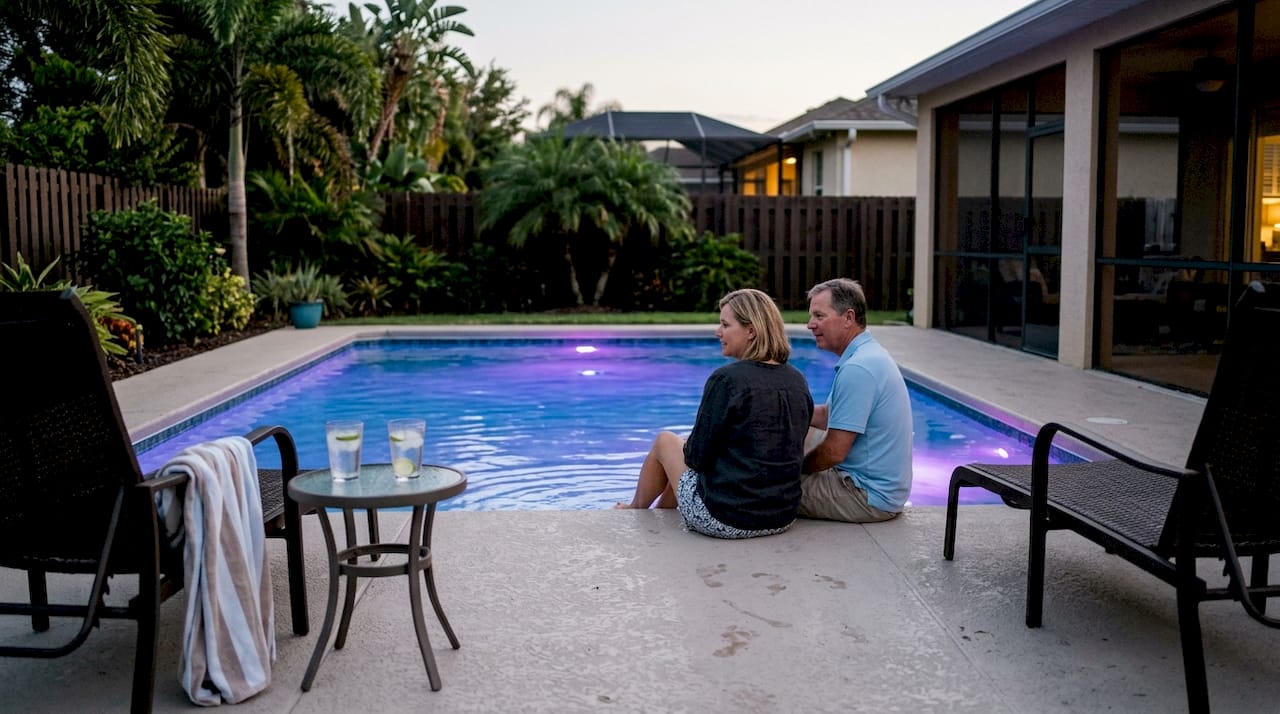
Pools add $20,000-$21,000 to home value in the Orlando market, but luxury features boost value selectively. Buyers appreciate well-integrated features that don’t require excessive maintenance. They’re often deterred by elaborate setups demanding constant attention or high operating costs. A beautiful pool with efficient equipment and moderate luxury features typically attracts more buyers than an over-the-top installation with intimidating maintenance requirements.
Pro Tip: Prioritize features based on your actual lifestyle, not aspirational use. If you rarely entertain large groups, an expensive outdoor kitchen might sit unused. If you travel frequently, high-maintenance water features requiring daily attention become burdens. Choose features matching how you’ll genuinely use your pool, not how you imagine using it.
Explore detailed information about available custom pool features and energy-efficient pool options to understand which combinations deliver the best value for your specific situation and budget.
Executing your pool feature selection: expert guidance and avoiding common mistakes
Having a clear selection process prevents costly mistakes and ensures your chosen features integrate seamlessly with your pool design and local requirements. The execution phase is where theoretical plans meet practical realities, and expert guidance becomes invaluable for navigating the complexities of custom pool construction in Central Florida’s unique regulatory and climate environment.
Step-by-step feature selection process:
- Define your primary pool purposes (exercise, entertaining, relaxation, aesthetics)
- List must-have features versus nice-to-have additions
- Consult with experienced designers about climate-appropriate options for each feature
- Review engineering requirements and permit implications for your selections
- Calculate total ownership costs including installation, operation, and maintenance
- Prioritize features fitting within budget while delivering maximum value
- Plan feature integration with construction timeline and milestone inspections
- Build in flexibility for one or two future additions if budget allows
Consulting experienced pool designers and engineers early in this process saves substantial money and frustration. They understand which features require engineering to handle hurricane winds and additional structural support. They know which combinations create permitting complications or inspection delays. They can identify where spending extra upfront prevents expensive retrofits later.
Common mistakes Central Florida homeowners make:
- Ignoring hurricane preparedness when selecting water features and equipment
- Underestimating ongoing maintenance time and costs for elaborate features
- Making feature decisions late in the design process, forcing expensive change orders
- Choosing trendy features without considering long-term durability in Florida’s climate
- Skipping energy-efficiency upgrades to save initial costs, then paying premium operating expenses
- Failing to plan adequate electrical capacity for future feature additions
- Selecting materials based solely on appearance without weather-resistance consideration
The biggest mistake is treating feature selection as separate from overall pool design. Features should integrate organically with your pool’s shape, size, and structural design. A waterfall looks awkward when obviously added as an afterthought. Lighting creates ambiance when planned into the design but looks haphazard when retrofitted. Spas flow naturally when incorporated into the pool shell but appear disconnected when added later.
“Homeowners who involve design professionals early and make feature decisions during initial planning consistently report higher satisfaction and fewer regrets. Those who make impulsive additions mid-construction often face budget overruns and compromised aesthetics.” — Central Florida Pool Design Specialist
Timing matters significantly. Features requiring structural integration like beach entries, tanning ledges, or attached spas must be part of your initial design. Equipment like pumps, heaters, and automation can be specified during planning but installed at appropriate construction phases. Decorative elements like fire features or outdoor kitchens can be added after pool completion if needed, though coordinating during construction usually costs less.
Pro Tip: Request detailed maintenance requirements for every feature you’re considering. Ask your contractor to walk you through the weekly, monthly, and seasonal maintenance each addition requires. This reality check often reveals which features truly fit your lifestyle and which will become burdensome.
Leverage professional resources including pool design consultation services and comprehensive installation guidance to ensure your feature selections align with best practices for Central Florida construction and deliver lasting value.
Enhance your custom pool experience with expert design and installation
Selecting the right pool features for your Central Florida home requires balancing aesthetic vision with practical realities including hurricane preparedness, energy efficiency, and long-term maintenance. Professional design consultation helps you navigate these complexities, ensuring every feature you choose enhances your lifestyle while respecting budget constraints and climate challenges. Working with experienced professionals who understand local regulations, weather patterns, and construction best practices streamlines the entire process.
Our comprehensive custom pool planning guide walks you through every decision point, while our detailed installation guide explains what to expect during construction. When you’re ready to discuss your specific vision and receive expert recommendations tailored to your property and preferences, our design consultation services provide the personalized guidance that transforms ideas into reality. Partner with experts who’ve built hundreds of custom pools across Central Florida, creating beautiful, durable installations that maximize value and enjoyment for decades.
How to choose pool features FAQ
How do hurricane considerations affect pool feature choices?
Hurricane preparedness directly impacts which features make sense for Central Florida pools. You need features engineered to withstand extreme winds and hydrostatic pressure, which often means avoiding tall or fragile elements like elaborate pool cages or delicate water features. Prioritize reinforced construction, secure equipment mounting, and features requiring minimal storm preparation if you travel during hurricane season.
What are the most cost-effective luxury features for Central Florida pools?
LED lighting systems deliver maximum impact for minimal ongoing cost, transforming your pool’s appearance while using 75% less energy than traditional lighting. Tanning ledges and beach entries add luxury appeal during construction at relatively low cost compared to retrofitting later. Salt chlorination systems reduce chemical expenses while providing a premium swimming experience, typically paying for themselves within three to five years.
When should I consult a pool design professional?
Consult design professionals before making any feature decisions, ideally during your initial planning phase. Early consultation ensures features integrate properly with your pool’s structural design, meet local permitting requirements, and align with your budget. Professionals help you avoid expensive mistakes like choosing features requiring extensive retrofitting or selecting materials unsuitable for Florida’s climate.
How can I minimize my pool’s energy consumption with upgrades?
Variable-speed pumps represent the single most effective upgrade, reducing energy consumption by 50-70% compared to traditional single-speed models. Combine this with solar heating to eliminate or dramatically reduce gas heating costs, automated covers to minimize heat loss and evaporation, and LED lighting throughout. Smart automation systems optimize equipment run times, further reducing consumption. Explore comprehensive energy-efficient pool upgrades to understand all available options.
What maintenance challenges come with popular pool features?
Waterfalls and rock features require regular cleaning to prevent algae buildup and calcium deposits, plus periodic resealing depending on materials. Spas demand more frequent chemical balancing and filter cleaning due to higher temperatures and smaller water volumes. Automation systems need software updates and occasional sensor replacements. Beach entries and tanning ledges accumulate debris more readily than deeper areas, requiring extra attention during cleaning. Understanding these requirements upfront helps you choose features matching your available maintenance time and budget.
