TL;DR:
- The durability of a pool depends on selecting materials resistant to Florida’s harsh climate, chemical exposure, and UV radiation. Proper water chemistry management during startup and ongoing maintenance significantly extends the lifespan of finishes like pebble or fiberglass surfaces. For long-lasting pools, homeowners should prioritize disciplined chemistry, professional inspections, and materials suited to high-use conditions.
The durability of a swimming pool is fundamentally determined by the pool construction materials used in its shell and finish. The role of pool materials in durability goes beyond surface appearance. Every material you choose determines how your pool resists chemical attack, physical wear, UV radiation, and Florida’s relentless heat. Get this decision right, and your pool lasts decades with manageable upkeep. Get it wrong, and you face resurfacing bills within seven years.
Central Florida’s climate adds a layer of complexity that homeowners in cooler states never encounter. Year-round sun, heavy summer rains, and high bather loads all stress pool surfaces in ways that make material selection a genuine long-term financial decision. Randrswimmingpools has been building pools in this region since 1985, and the patterns are clear: the pools that hold up longest share one thing in common. They were built with the right materials and managed with disciplined water chemistry from day one.
How does water chemistry affect pool material durability?
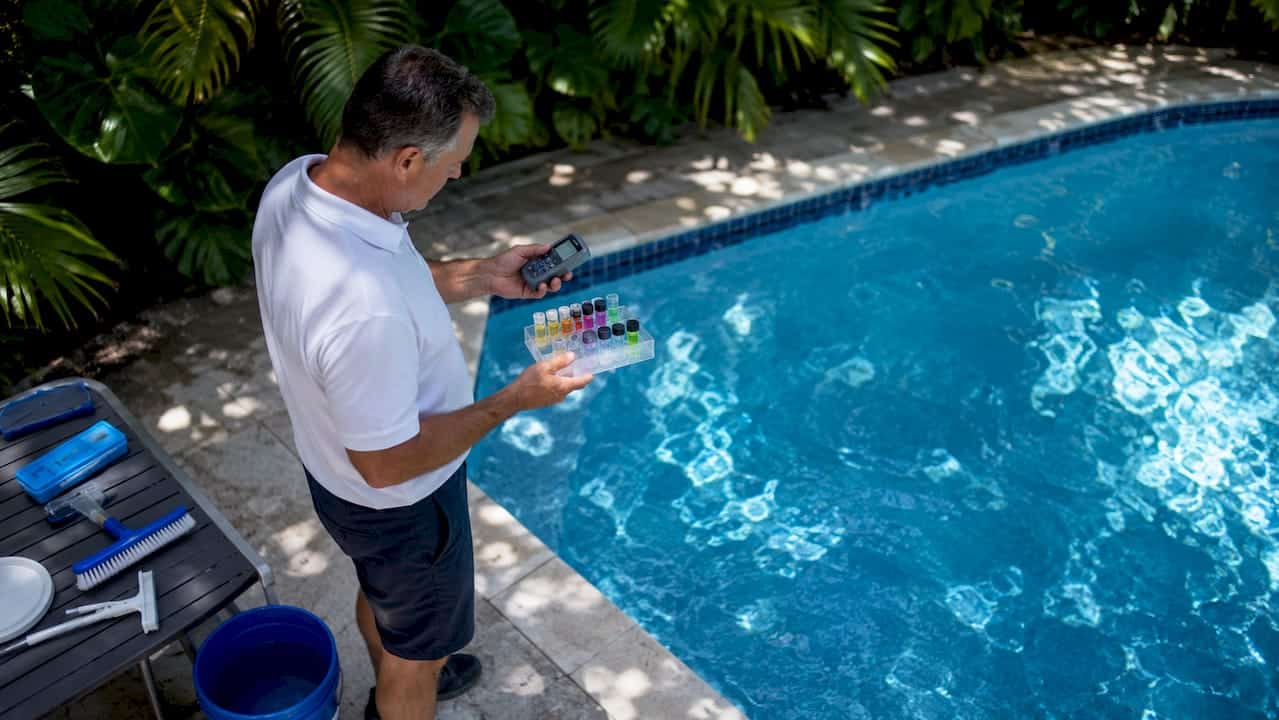
Water chemistry is the single most aggressive force acting on your pool finish every day. The interaction between water and surface material determines whether your finish lasts seven years or twenty-five. Most homeowners focus on chemistry to keep water clear, but the deeper purpose is protecting the material underneath.
Acidic water with low pH etches plaster surfaces by dissolving calcium from the finish. Startup water chemistry sets the tone for plaster life, with out-of-spec conditions accelerating damage within the first weeks of a new pool’s life. This means a single month of neglect during startup can permanently shorten your finish’s lifespan by years.
High calcium and alkaline conditions create the opposite problem. Scaling builds up on surfaces, creating rough patches that trap algae, bacteria, and debris. Aging rough surfaces increase chemical demand and operating costs by making water balance harder to maintain. The rougher the surface gets, the more chemicals you need, and the faster the surface continues to degrade.
Stable pH between 7.2 and 7.6, combined with calcium hardness between 300 and 400 ppm, is the target range for protecting aggregate finishes. The first 28 to 30 days after filling a new pool set the material lifespan trajectory through chemistry discipline. Treating this startup window as optional is one of the most expensive mistakes a pool owner can make.
Pro Tip: Schedule a professional water chemistry check within the first 72 hours of filling a new pool. Correcting imbalances early costs far less than repairing a finish that has been etched or scaled in its first month.
Which pool materials last the longest?
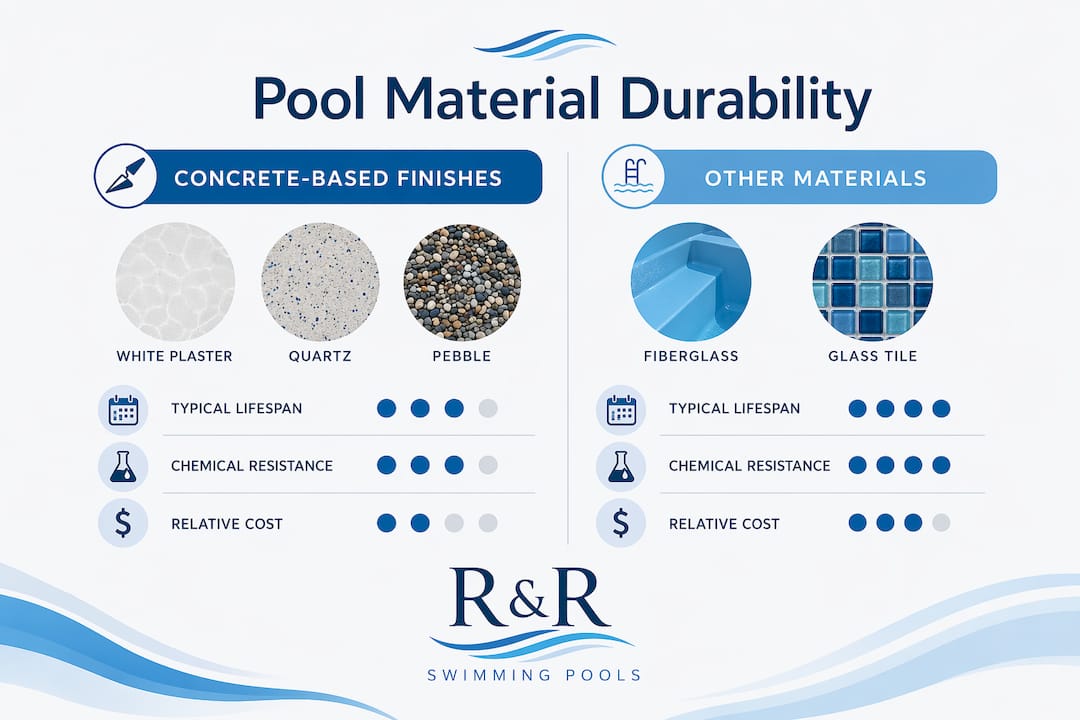
Pool construction materials fall into three broad categories: concrete-based finishes, fiberglass, and tile. Each carries a different lifespan, maintenance profile, and cost structure. Understanding these differences is the foundation of smart pool material selection.
Concrete-based finishes: plaster, quartz, and pebble
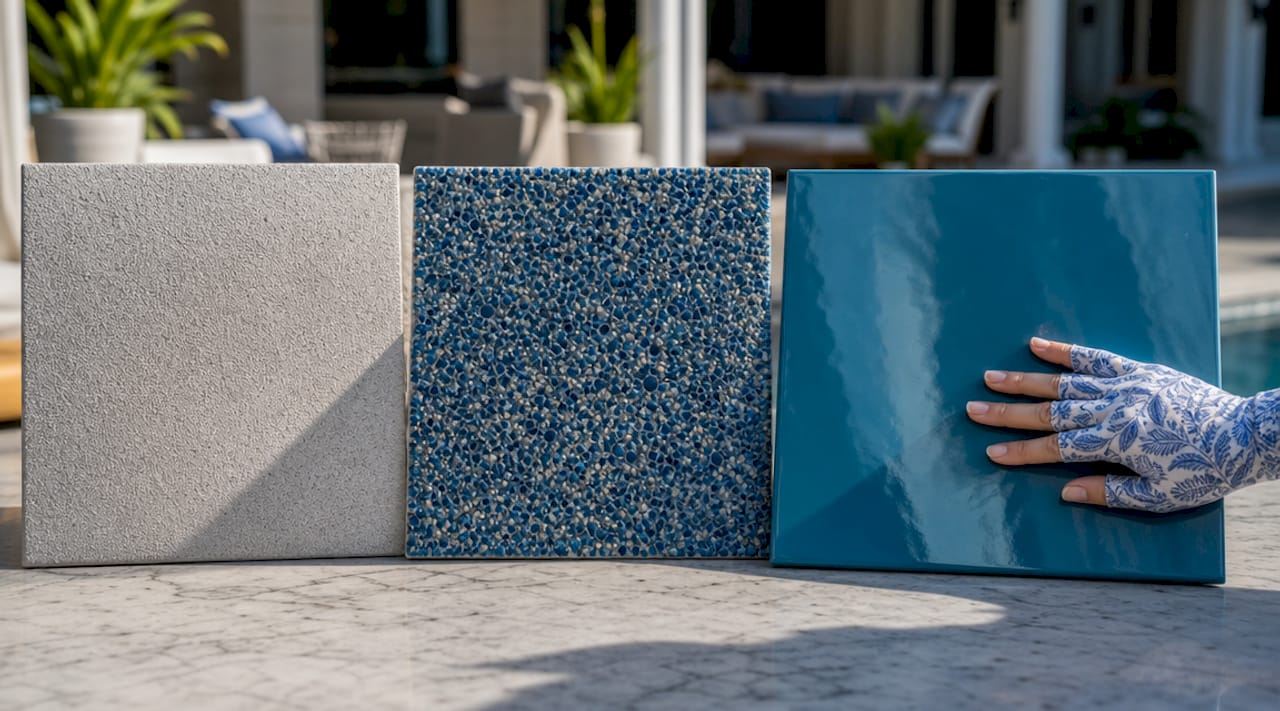
Standard white plaster is the most affordable finish and the most vulnerable. It typically lasts 7 to 12 years under normal conditions, but Central Florida’s chemistry fluctuations can push it toward the lower end of that range. Quartz aggregate finishes extend that window to 12 to 15 years by adding harder minerals that resist etching and staining better than pure plaster.
Pebble finishes represent the top tier of concrete-based options. Pebble finishes last 15 to 25 years and offer superior UV resistance and chemical durability compared to plaster or quartz. For Central Florida pools that see year-round use and intense sun, pebble is the most practical upgrade for homeowners who want to minimize resurfacing frequency. You can explore the full breakdown of these options in this pool plaster comparison from Randrswimmingpools.
Fiberglass: chemical resistance built in
Fiberglass pools carry a smooth, non-porous gelcoat finish that resists algae growth and chemical absorption. Fiberglass pools typically last 30 years or longer due to their seamless construction and chemical-resistant surface. The tradeoff is limited shape customization and the possibility of gelcoat osmotic blistering if water chemistry is poorly managed over years.
Glass tile: the premium longevity choice
Glass tile sits at the top of the durability spectrum. Glass tile finishes last 25 to 50 years or more, are impervious to chemical damage, and require less frequent major maintenance than any other surface. The upfront cost is significantly higher, but for a property developer building a high-end residential pool, the math often favors tile over multiple resurfacing cycles.
Material comparison at a glance
| Material | Typical lifespan | Chemical resistance | Relative cost |
|---|---|---|---|
| White plaster | 7 to 12 years | Low | $ |
| Quartz aggregate | 12 to 15 years | Moderate | $$ |
| Pebble aggregate | 15 to 25 years | High | $$$ |
| Fiberglass gelcoat | 25 to 30+ years | Very high | $$$$ |
| Glass tile | 25 to 50+ years | Excellent | $$$$$ |
Pro Tip: Pool paint is not a finish upgrade. It requires repainting every 1 to 3 years and masks surface deterioration without fixing the substrate underneath. Avoid it as a cost-saving measure.
How does Central Florida’s climate stress pool materials?
Central Florida presents a specific set of environmental challenges that accelerate material wear faster than in most other U.S. regions. Understanding these stressors helps you choose materials that are matched to the actual conditions your pool will face.
- UV exposure: Central Florida receives intense UV radiation year-round. Plaster surfaces fade and become brittle faster under prolonged UV exposure. Pebble and quartz finishes hold their color and structural integrity significantly longer under the same conditions.
- Rainy season chemistry swings: Summer storms dump large volumes of fresh water into pools within hours, diluting calcium hardness and dropping pH. These rapid chemistry swings stress finishes repeatedly over a season, compounding wear on softer materials like standard plaster.
- Heat and thermal expansion: High ambient temperatures cause pool shells and finishes to expand and contract. Finishes with lower flexibility, including basic plaster, develop micro-cracks over time that allow water infiltration and accelerate deterioration.
- Saltwater systems: Many Central Florida homeowners choose saltwater chlorination for comfort. Salt chlorine generators produce chlorine at a steady, lower concentration, which is gentler on most finishes. However, salt water at elevated concentrations can accelerate corrosion on metal fittings and degrade lower-quality plaster faster than traditional chlorine systems if chemistry is not carefully managed.
- High bather loads: Florida pools are used year-round, not seasonally. Continuous bather load introduces body oils, sunscreen, and organic matter that stress water chemistry and increase surface wear compared to pools used only in summer months.
Choosing pool finishes suited to Central Florida conditions is not a luxury decision. It is a practical response to a climate that genuinely shortens the life of materials that perform adequately in cooler, less demanding environments.
How to choose pool materials for maximum durability in Central Florida
Selecting the right material requires matching your priorities, budget, and usage patterns to what each material actually delivers. Here is a practical framework for making that decision.
- Assess your usage intensity first. A pool used daily by a family with children needs a harder, more chemical-resistant finish than a decorative pool used occasionally. Pebble aggregate or fiberglass are the right starting points for high-use pools in Central Florida.
- Set a realistic maintenance commitment. Every material requires chemistry management, but softer finishes punish neglect faster. If you plan to rely on a weekly service company rather than daily monitoring, choose a material with higher chemical tolerance. Fiberglass and pebble finishes give you more margin for minor chemistry drift.
- Prioritize startup chemistry management. A disciplined startup and maintenance plan can extend pool finish life well beyond standard ranges, sometimes over 20 years. The material you choose only performs as well as the chemistry environment you create for it.
- Plan for resurfacing as a known cost. Even the best concrete finish will eventually need resurfacing. When that time comes, proper preparation matters as much as material choice. Hydro-blasting at 40,000 PSI before resurfacing ensures adhesion and prevents delamination, which is the most common cause of premature finish failure after resurfacing.
- Avoid short-term cost savings on finishes. The cheapest finish option almost always costs more over a ten-year period than a mid-range or premium material installed correctly. A plaster finish that needs resurfacing at year eight costs more in labor and disruption than a pebble finish that lasts twenty years. Factor total lifecycle cost, not just installation price, into your decision.
- Schedule professional inspections annually. Surface integrity directly affects water chemistry stability and operational costs. Catching early signs of etching, scaling, or delamination before they spread saves significant money. An annual inspection by a qualified pool professional is the lowest-cost insurance you can buy for your finish. You can also review maintenance tips for Central Florida pools to build a year-round care routine.
Key takeaways
The durability of pool materials in Central Florida depends on matching chemical resistance, surface hardness, and startup chemistry discipline to the region’s specific environmental demands.
| Point | Details |
|---|---|
| Material choice drives lifespan | Pebble lasts 15 to 25 years; plaster lasts 7 to 12 years under the same conditions. |
| Startup chemistry is non-negotiable | The first 30 days after filling set the finish’s lifespan trajectory. |
| Climate compounds wear | Central Florida’s UV, rain, and year-round use accelerate degradation of softer finishes. |
| Lifecycle cost beats upfront price | Premium materials cost less over ten years than repeated resurfacing of cheap finishes. |
| Surface integrity affects operating costs | Rough or degraded surfaces increase chemical demand and maintenance frequency. |
What four decades of building pools in Central Florida taught me
After nearly 40 years of building pools across Central Florida, the pattern I see most often is this: homeowners make a smart material choice and then undermine it with poor startup chemistry. They spend the money on a quality pebble finish and then let a contractor fill the pool and walk away without a proper startup protocol. Six years later, they are calling about etching and discoloration that should not appear in a finish rated for twenty-plus years.
The uncomfortable truth about pool material durability is that the material itself is only half the equation. The other half is the water chemistry environment you create for it from day one. I have seen basic plaster finishes outlast their expected lifespan by years because the owner was meticulous about chemistry. I have also seen premium pebble finishes fail early because nobody managed the startup window properly.
The other thing I would push back on is the idea that fiberglass is always the low-maintenance answer. Fiberglass is genuinely excellent for chemical resistance, and it earns its reputation. But osmotic blistering is a real failure mode when water chemistry is neglected over years, and it is expensive to repair. No material is maintenance-free. Every finish rewards attention and punishes neglect, just at different rates and price points.
My honest recommendation for most Central Florida homeowners is pebble aggregate for concrete pools or fiberglass for those who want the smoothest surface and lowest algae risk. Either choice, paired with disciplined chemistry management and annual professional inspections, will give you a pool that performs well for decades. The right pool materials for your home are the ones that match your lifestyle, not just your budget.
— Randrswimmingpools
Build your Central Florida pool to last with Randrswimmingpools
R and R Swimming Pools has been designing and installing custom inground pools across Central Florida since 1985. The team specializes in both custom concrete pools and fiberglass pool installation, with deep expertise in matching materials to the specific demands of Florida’s climate and water conditions.
Every project includes personalized guidance on material selection, startup chemistry management, and long-term care planning. Whether you are building a new pool or planning a resurfacing project, Randrswimmingpools brings the experience to help you make decisions that protect your investment for decades. Explore the best inground pool types available in 2026, or contact the team today for a free quote tailored to your property and goals.
FAQ
What is the most durable pool finish for Central Florida?
Pebble aggregate finishes offer the best durability for Central Florida pools, lasting 15 to 25 years with strong UV and chemical resistance. Glass tile lasts even longer at 25 to 50-plus years but carries a significantly higher upfront cost.
How does water chemistry affect how long a pool finish lasts?
Acidic or imbalanced water etches plaster and degrades finishes rapidly, while the startup period in the first 30 days sets the lifespan trajectory for any new finish. Maintaining pH between 7.2 and 7.6 and calcium hardness between 300 and 400 ppm protects the surface from premature wear.
Is fiberglass more durable than concrete in Florida’s climate?
Fiberglass pools typically last 30 years or more due to their chemical-resistant gelcoat and non-porous surface, which resists algae and reduces chemical demand. Concrete pools with pebble finishes can match that lifespan when properly maintained, giving homeowners a genuine choice between the two.
Why does pool paint fail faster than resurfacing?
Pool paint requires repainting every 1 to 3 years and masks substrate deterioration without repairing it, leading to early failure and higher long-term costs. Proper resurfacing with a quality aggregate or plaster finish addresses the underlying surface and delivers a lifespan measured in decades, not years.
How often should a Central Florida pool be professionally inspected?
An annual professional inspection is the minimum recommended frequency for Central Florida pools, given the year-round use and climate stressors that accelerate surface wear. Early detection of etching, scaling, or delamination prevents small issues from becoming full resurfacing projects.
