
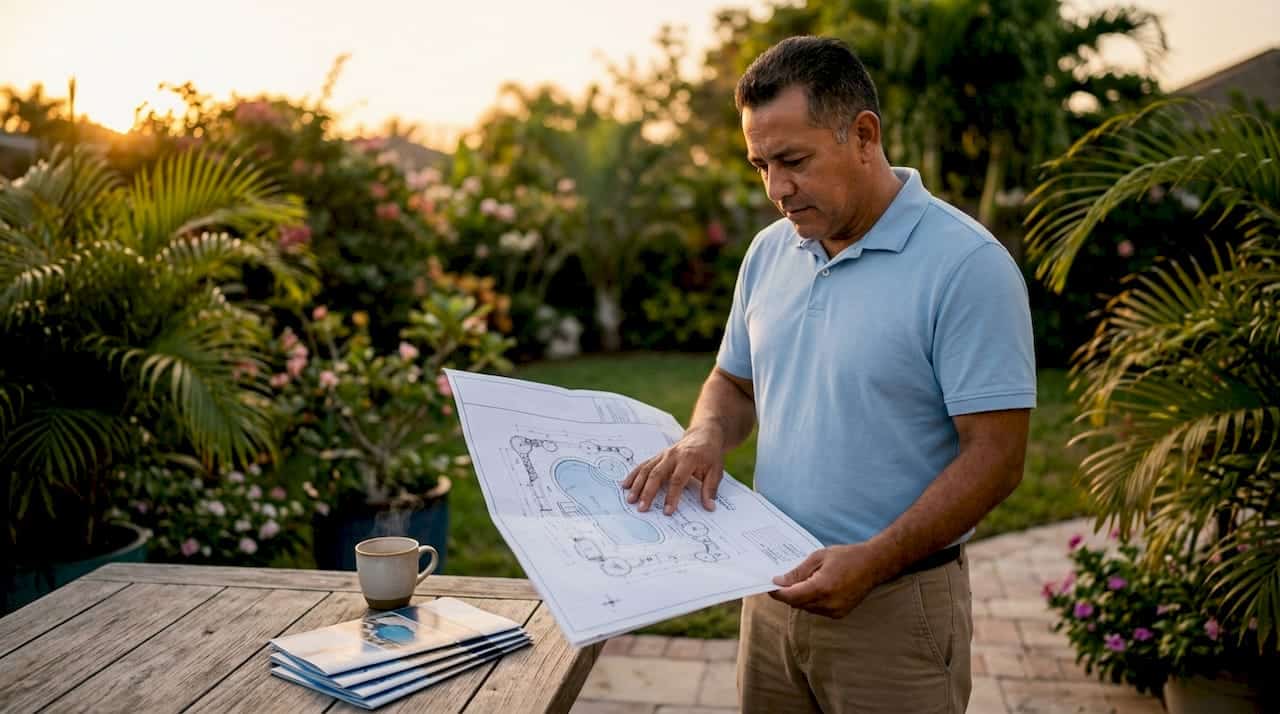
TL;DR:
- Proper soil testing is essential before pool installation in Crystal River to prevent structural failures caused by variable soil conditions. Choosing the right pool type depends on budget, soil stability, and desired features, with licensed contractors handling permits and inspections to ensure compliance. Following a structured process from design to startup and avoiding common mistakes leads to durable pools that last decades.
Crystal river pool installation is the process of designing, permitting, and building a customized backyard pool suited to Central Florida’s unique soil and climate conditions. Homeowners in Crystal River face specific challenges that most pool guides ignore: sandy and organic soil layers, high groundwater tables, and Citrus County permitting requirements that differ from other Florida jurisdictions. Getting these details right from the start separates a pool that lasts 30 years from one that cracks within five. This guide covers pool types, soil testing, permits, installation steps, and the most common mistakes that cost homeowners thousands.
What pool types work best for Crystal River yards?
The three main inground pool types are gunite (concrete), fiberglass, and vinyl liner. Each performs differently in Central Florida’s environment, and the right choice depends on your soil conditions, budget, and how you plan to use the pool.
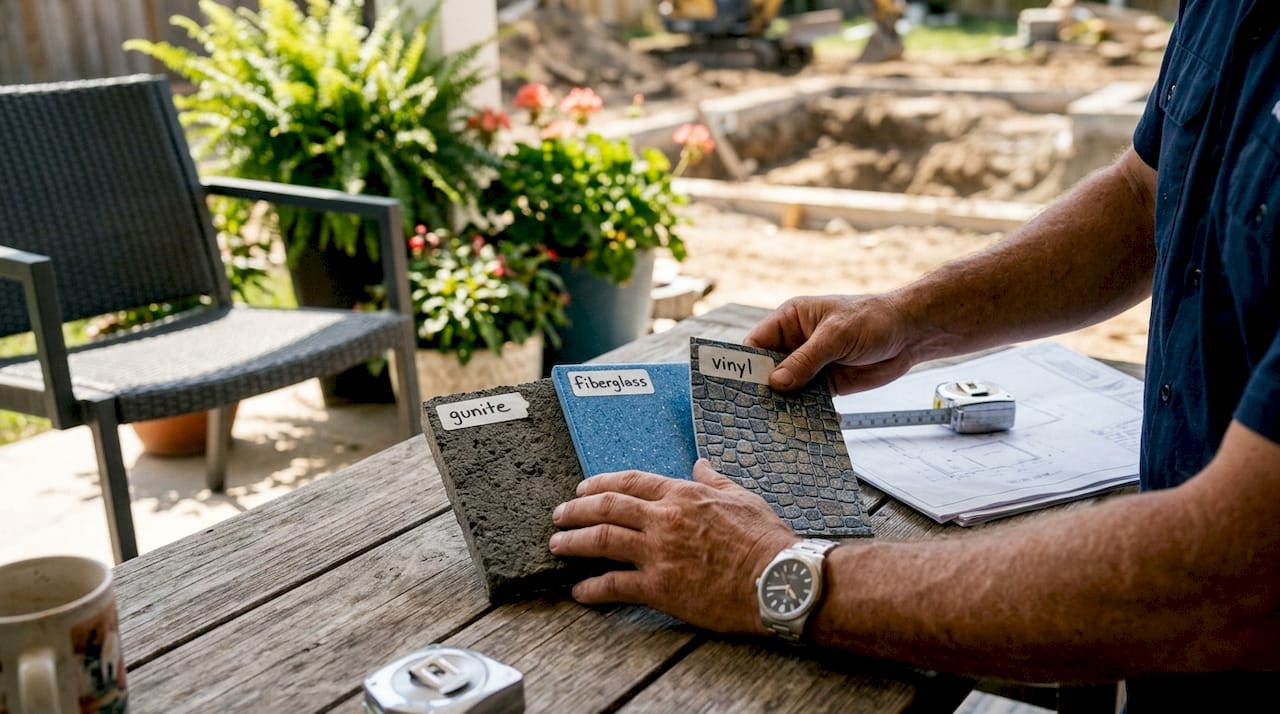
Gunite pools offer the most design freedom. You can build any shape, depth, or feature combination you want. Standard concrete pools in Florida typically cost between $70,000 and $100,000, with excavation alone ranging from $1,700 to over $13,800 depending on site conditions. Gunite holds up well in Florida’s heat but requires resurfacing every 10–15 years.
Fiberglass pools install faster, typically in two to four weeks, and resist algae better than concrete. The shell arrives pre-formed, which limits shape options but reduces long-term maintenance costs. Fiberglass pool installation works especially well in Crystal River yards where soil instability makes prolonged excavation risky.
Vinyl liner pools carry the lowest upfront cost but require liner replacement every 8–12 years. In Florida’s high-UV environment, liners degrade faster than in northern climates. Most experienced local contractors steer homeowners away from vinyl for permanent installations in this region.
| Pool Type | Typical Cost Range | Best For | Key Drawback |
|---|---|---|---|
| Gunite/Concrete | $70,000–$100,000+ | Custom shapes, long-term durability | Higher upfront cost, longer build time |
| Fiberglass | $45,000–$85,000 | Fast install, low maintenance | Limited shape options |
| Vinyl Liner | $35,000–$65,000 | Budget-conscious buyers | Liner replacement every 8–12 years |
Popular custom pool features in Crystal River include attached spas, sun shelves, water features, and travertine decking. Heat-resistant materials like travertine prevent scalding pool surfaces and improve safety with non-slip textures built for Florida’s wet conditions.
Why soil testing is the most critical step before you dig
Florida’s pool industry operates in one of the most geotechnically challenging environments in the United States. Crystal River sits in Citrus County, where soil profiles shift dramatically across short distances. One yard may have stable limestone-based soil while the property next door sits on layers of organic muck or loose sand.
Soil conditions can vary dramatically even between neighboring properties in Florida. That variability makes a personalized geotechnical assessment non-negotiable before any excavation begins.
Pre-construction soil testing tells your contractor three critical things: how deep to excavate, what stabilization methods to use, and what drainage systems the site requires. Soil testing data directly shapes the pool shell design, the thickness of the concrete shell, and whether hydrostatic relief valves are needed.
“Florida’s groundwater fluctuations can cause hydrostatic uplift pressures capable of damaging pools if not mitigated by design informed by soil testing. Empty or partially drained pools are particularly vulnerable to these uplift forces.”
NicNevol Engineering Services
Hydrostatic uplift is the force that pushes an empty pool shell out of the ground like a bathtub floating in a puddle. In Crystal River, where the water table sits close to the surface in many neighborhoods, this is not a theoretical risk. It is a documented cause of pool failure when soil testing is skipped.
Engineered solutions for unstable soils include compaction grouting, helical piers, and enhanced drainage systems with hydrostatic relief valves built into the pool floor. These solutions add cost upfront but prevent structural failures like cracks and sinking that cost far more to repair after the pool is built.
Pro Tip: Ask your contractor for a written soil report before signing any construction contract. If they cannot provide one or say it is unnecessary, that is a red flag worth taking seriously.
How to navigate permits and regulations in Crystal River
Pulling the right permits is not optional in Florida. Skipping permits or proper inspection can delay projects, trigger fines, and leave homeowners personally liable for structural failures or injuries on their property.
In Crystal River and Citrus County, a pool construction permit typically requires:
- A site plan showing pool placement, setbacks from property lines, and utility locations
- Structural drawings stamped by a licensed Florida engineer
- Electrical and plumbing sub-permits for pool equipment
- Barrier and fencing plans that comply with Florida’s pool safety laws
- A series of inspections at each construction phase
Florida pool barrier laws require a four-sided fence or approved barrier around all residential pools. The barrier must meet specific height and latch requirements. Non-compliance after installation can result in fines and mandatory corrections that cost more than doing it right the first time.
Licensed professionals handle permits, code compliance, and inspections, which reduces risk for homeowners significantly. An unlicensed contractor cannot legally pull permits in Florida. If they offer to “work around” the permit process, walk away. The homeowner bears full legal liability for any unpermitted work.
The most common permit delay in Citrus County is an incomplete site plan. Submitting accurate property surveys and engineering drawings at the start of the application cuts weeks off the approval timeline.
What does the pool installation process look like step by step?
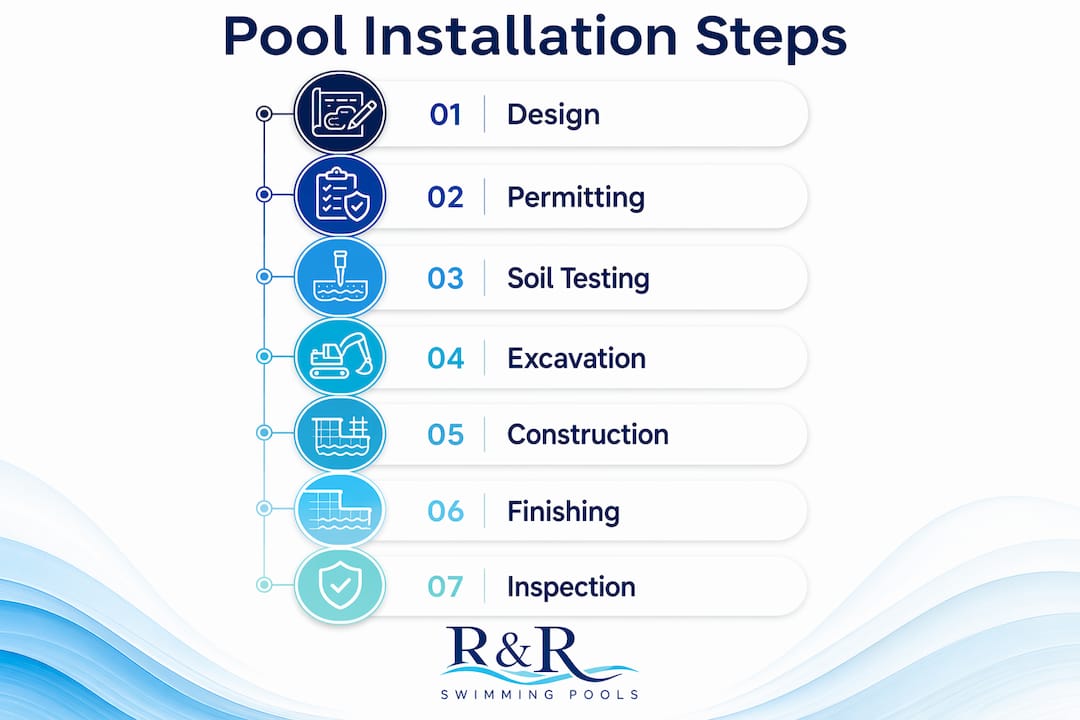
A well-run pool project in Crystal River follows a clear sequence. Knowing each phase helps you hold your contractor accountable and avoid surprises.
- Initial consultation and design. Your contractor assesses the site, discusses your goals, and produces a design with a detailed cost estimate. This phase includes selecting pool type, size, shape, and features.
- Permit application. The contractor submits all required documents to Citrus County. Approval typically takes two to six weeks depending on application completeness and county workload.
- Site preparation and excavation. The crew marks the pool outline, removes vegetation, and excavates to the engineered depth. Soil remediation happens here if the report identified unstable layers.
- Pool shell construction. For gunite pools, crews install steel rebar, then spray concrete in layers. For fiberglass, the pre-formed shell is lowered into the excavation and leveled. Plumbing and electrical rough-in happens during this phase.
- Decking and coping installation. Contractors pour or lay the pool surround. Proper base preparation and drainage are critical here to prevent sinking pavers in Florida’s rainy season.
- Landscaping integration. Grading, sod, and plantings go in around the pool. Thoughtful landscaping around your pool improves drainage, privacy, and the overall look of the finished project.
- Final inspection and pool startup. The county inspector signs off on all systems. The contractor fills the pool, balances the water chemistry, and walks you through equipment operation.
| Phase | Typical Duration | Key Milestone |
|---|---|---|
| Design and permitting | 3–8 weeks | Permit approval received |
| Excavation and shell | 2–4 weeks | Shell passes structural inspection |
| Plumbing and electrical | 1–2 weeks | Sub-permit inspections passed |
| Decking and finish | 1–3 weeks | Final county inspection |
| Fill and startup | 3–5 days | Water chemistry balanced |
Common mistakes that derail Crystal River pool projects
Most pool installation problems trace back to a small set of avoidable errors. Knowing them in advance puts you in a much stronger position.
- Skipping soil testing. This is the single most expensive mistake a homeowner can make. Structural repairs to a cracked or shifted pool shell routinely cost more than the original soil assessment would have.
- Hiring unlicensed contractors. Florida law requires pool contractors to hold a state-issued license. Verify any contractor’s license at the Florida Department of Business and Professional Regulation before signing anything. Choosing reliable pool contractors protects your investment and your legal standing.
- Ignoring drainage planning. Crystal River receives heavy summer rainfall. A pool deck without proper slope and drainage channels water toward your home’s foundation.
- Underestimating the permit timeline. Homeowners who plan a pool for a specific summer date often get frustrated when permits take longer than expected. Build at least eight weeks of permit time into your project schedule.
- Neglecting post-installation maintenance. A new pool requires weekly water chemistry checks for the first 30 days. Skipping this step during the startup period causes surface staining and equipment damage.
Pro Tip: Request a copy of your contractor’s current license, liability insurance certificate, and workers’ compensation coverage before any work begins. A reputable contractor provides these without hesitation.
Key Takeaways
Successful pool installation in Crystal River depends on soil testing, proper permitting, and a licensed contractor who knows Central Florida’s specific conditions.
| Point | Details |
|---|---|
| Soil testing is non-negotiable | Florida’s variable soils cause structural failures when testing is skipped before excavation. |
| Pool type affects long-term cost | Gunite offers durability; fiberglass reduces maintenance; vinyl costs less upfront but more over time. |
| Permits protect homeowners | Unpermitted pools create legal liability and can require costly corrections after the fact. |
| Installation follows a clear sequence | Seven phases from design to startup, each with inspections that protect your investment. |
| Contractor licensing matters | Only licensed contractors can legally pull permits in Florida, and they carry the liability coverage you need. |
What I’ve learned from watching Florida pools fail and succeed
The homeowners who end up happiest with their pools share one trait: they treated the planning phase as seriously as the construction phase. The ones who rushed into a contract based on the lowest bid almost always called back with problems within three years.
Soil testing is the detail that separates experienced local contractors from those who are just passing through the market. A contractor who skips it is not saving you money. They are transferring risk onto you. I have seen pools in Central Florida neighborhoods where one shell cracked within two years while the pool two doors down, built by a contractor who insisted on a full geotechnical report, looked perfect a decade later.
Permits feel like bureaucracy until something goes wrong. An unpermitted pool is a liability that shows up on your property title, complicates your homeowner’s insurance, and can block a home sale. The paperwork is worth every hour it takes.
The best local contractors in Crystal River know Citrus County’s soil patterns, have relationships with county inspectors, and can anticipate problems before they become change orders. That local knowledge is worth more than a low bid from a contractor who has never worked in this area. When you are evaluating contractors, ask specifically how many pools they have built in Citrus County and request references from those projects.
— Results
Randrswimmingpools brings Central Florida expertise to your backyard
Randrswimmingpools has been building custom inground pools across Central Florida since 1985. That means four decades of working with the region’s soils, navigating Florida’s permitting system, and delivering pools that hold up in this climate.
R and R Swimming Pools handles the full project from initial design through final inspection, including soil evaluation coordination, permit applications, and all required inspections. Their team builds both concrete and fiberglass pools and offers custom features including spas, water features, and specialty decking. If you are ready to move from planning to building, their inground pool installation guide is a strong starting point. You can also request a free quote directly to get a cost estimate specific to your Crystal River property and goals.
FAQ
How long does pool installation take in Crystal River?
A typical inground pool project in Crystal River takes 12–20 weeks from the initial consultation to final inspection. Permitting alone accounts for 3–8 weeks of that timeline.
What does a concrete pool cost in Florida?
Standard concrete pools in Florida typically cost between $70,000 and $100,000, with excavation costs ranging from $1,700 to over $13,800 depending on site conditions and soil complexity.
Do I need a permit to install a pool in Crystal River?
Yes. Citrus County requires building, electrical, and plumbing permits for all inground pool installations. Skipping permits creates legal liability and can result in mandatory removal or costly corrections.
Why is soil testing required before pool installation in Florida?
Florida’s variable soils, including sandy layers, organic muck, and high groundwater, cause structural failures like cracking and uplift when ignored. Soil testing determines excavation depth, stabilization methods, and drainage requirements before construction begins.
Can I install an above ground pool without a permit in Crystal River?
Above ground pool installation requirements vary by size and permanence. Pools over a certain depth or those with attached decking typically still require a permit in Citrus County. Check with the county building department before installation to confirm current requirements.
