
TL;DR:
- Proper chlorination is vital due to Florida’s harsh climate and heavy rainfall.
- Salt systems offer automation but face faster cell wear in Florida’s conditions.
- Regular water testing and maintenance extend chlorinator lifespan and pool health.
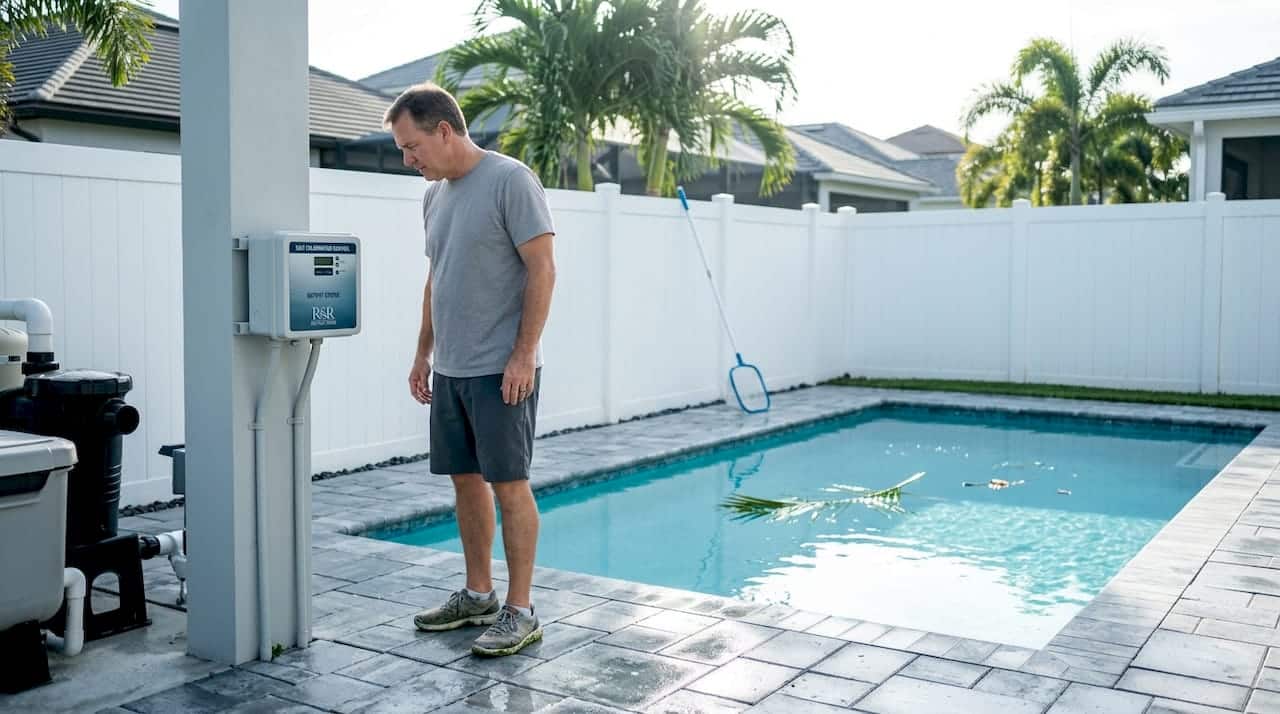
Florida pool owners know this frustration well: you spend the weekend getting your water crystal clear, then three days of summer thunderstorms roll through and suddenly you’re staring at a cloudy, greenish mess. The culprit is almost never laziness. It’s almost always the wrong chlorination system paired with zero understanding of how Central Florida’s climate actively works against you. Not all pool chlorinators perform the same way, and high UV, heat, and rain accelerate chlorine loss in ways most product guides simply don’t mention. Getting this right from the start is the difference between a pool you love and one you dread.
Table of Contents
- What is a pool chlorinator and how does it work?
- Why chlorination is essential in Central Florida pools
- Salt water vs tablet chlorinators: Pros, cons, and cost comparison
- Choosing and maintaining your pool chlorinator for long-term efficiency
- What most homeowners miss about pool chlorinator efficiency in Florida
- Upgrading your pool? Find the best chlorinator and expert help
- Frequently asked questions
Key Takeaways
| Point | Details |
|---|---|
| Chlorinator basics | A pool chlorinator automatically adds chlorine to keep water clear and safe. |
| Florida climate impact | Heat, UV, and rain speed up chlorine loss and require careful monitoring. |
| Salt vs tablet comparison | Salt systems offer convenience but higher costs; tablets are cheaper but require manual dosing. |
| Maintenance is critical | Regular chemical checks and acid wash are essential for chlorinator longevity in Florida. |
| Upgrade opportunities | Local experts and resources can help homeowners choose and maintain an efficient system. |
What is a pool chlorinator and how does it work?
A pool chlorinator is a device that introduces chlorine into your pool water at a controlled rate to kill bacteria, algae, and other contaminants. Without it, even the cleanest-looking water can harbor harmful organisms that cause skin infections, eye irritation, and worse. Think of a chlorinator as the immune system of your pool. It works quietly in the background, but when it fails, everything falls apart fast.
There are two primary types that Central Florida homeowners choose between:
- Salt chlorinators (SWCG): These convert dissolved salt in the water into chlorine through a process called electrolysis. The result is a steady, automated supply of free chlorine without you having to handle tablets or liquid chemicals directly.
- Tablet chlorinators (erosion feeders): These hold slow-dissolving trichlor tablets and release chlorine gradually as water flows through. They’re familiar, affordable up front, and widely available.
Both systems do the same basic job, but they operate very differently in practice. Salt systems provide consistent chlorine output but have salt cells that can scale faster in areas with hard water, which is a real issue across Central Florida. Tablet systems give you more direct control but require you to stay on top of refills and adjustments regularly.
Understanding how chlorine actually works helps. When chlorine enters the water, it reacts to form hypochlorous acid, the active sanitizing agent that destroys bacteria and algae cell walls. The key measurement here is free chlorine (FC), the amount of active chlorine available to sanitize. Too low and your pool turns green. Too high and you’re irritating swimmers’ eyes and skin. The sweet spot is tight, and your chlorinator is what keeps you in it.
“A properly functioning chlorinator isn’t just about convenience. It’s the foundation of every other aspect of pool maintenance importance in your backyard.”
Why chlorination is essential in Central Florida pools
Understanding how a chlorinator works is just the start. Here’s why precise chlorination is particularly crucial in Central Florida compared to pools in cooler, drier parts of the country.
Central Florida gets roughly 53 inches of rain annually, most of it falling in hard, fast summer storms. Every time it rains, fresh water pours into your pool, diluting your carefully balanced chemicals. This happens again and again from June through September, sometimes multiple times in a single week. That’s not just a chlorine problem. It throws off pH, cyanuric acid (CYA), and salt concentration all at once.
Then add heat and UV radiation. Florida summers regularly push air temperatures above 90°F, and pool water temperatures can climb into the high 80s. Warmer water depletes chlorine faster because chemical reactions speed up with temperature. UV radiation destroys unstabilized chlorine in a matter of hours. Without the right CYA level to act as a sunscreen for your chlorine, you could be burning through sanitizer before it even gets a chance to work.
Following maintenance tips for Florida pools starts with knowing your target parameters. Here’s a quick reference:
| Parameter | Target range | Why it matters |
|---|---|---|
| Free chlorine (FC) | 1-3 ppm | Active sanitizer level |
| pH | 7.4-7.6 | Affects chlorine effectiveness |
| Cyanuric acid (CYA) | 30-50 ppm | Protects chlorine from UV |
| Salt (for SWCG) | 2700-3400 ppm | Enables chlorine generation |
| Total alkalinity | 80-120 ppm | Stabilizes pH |
To keep your pool healthy through Florida’s challenging seasons, follow these steps as part of your routine:
- Test your water at least once a week, not once a month.
- Test immediately after any heavy rainfall and rebalance before algae gets a foothold.
- Adjust CYA in spring before peak UV season begins.
- Check salt levels monthly if you use a salt system, since rain dilutes salt concentration too.
- Run your pump longer during summer (8-10 hours daily) to maximize chlorinator output and circulation.
The pool maintenance checklist you follow should reflect Florida’s climate, not generic national advice. A weekly schedule that works in Minnesota will leave a Central Florida pool in trouble within days during July.
Pro Tip: After a major rainstorm, check your pool chemistry levels within 24 hours. Rain is slightly acidic and adds volume, which drops chlorine, pH, and salt concentration all at once. Catching this early prevents the algae bloom that takes days to clear.
Salt water vs tablet chlorinators: Pros, cons, and cost comparison
Now that we’ve covered why chlorination matters so much in this region, let’s compare the two main chlorinator types that Central Florida homeowners use. This is where the real decision-making happens, and where getting it wrong costs money.
Salt water chlorinators carry an upfront cost of roughly $1,500 to $2,500 for the unit and installation. The big draw is automation. Once set, the system continuously generates chlorine from the salt in your water, delivering consistent levels without weekly trips to the pool store. Swimmers love the feel of salt water, which is gentler on skin and eyes compared to traditionally chlorinated pools.
However, Florida’s conditions are harder on salt cells than most manufacturers admit. Salt chlorinator cells last 3-5 years in Florida compared to a national average of 5-7 years, largely because of year-round use, heat, and hard water scaling. Cell replacement runs $800 to $1,000 each time. That’s a significant ongoing cost that many homeowners don’t factor in when they sign up for a salt system.
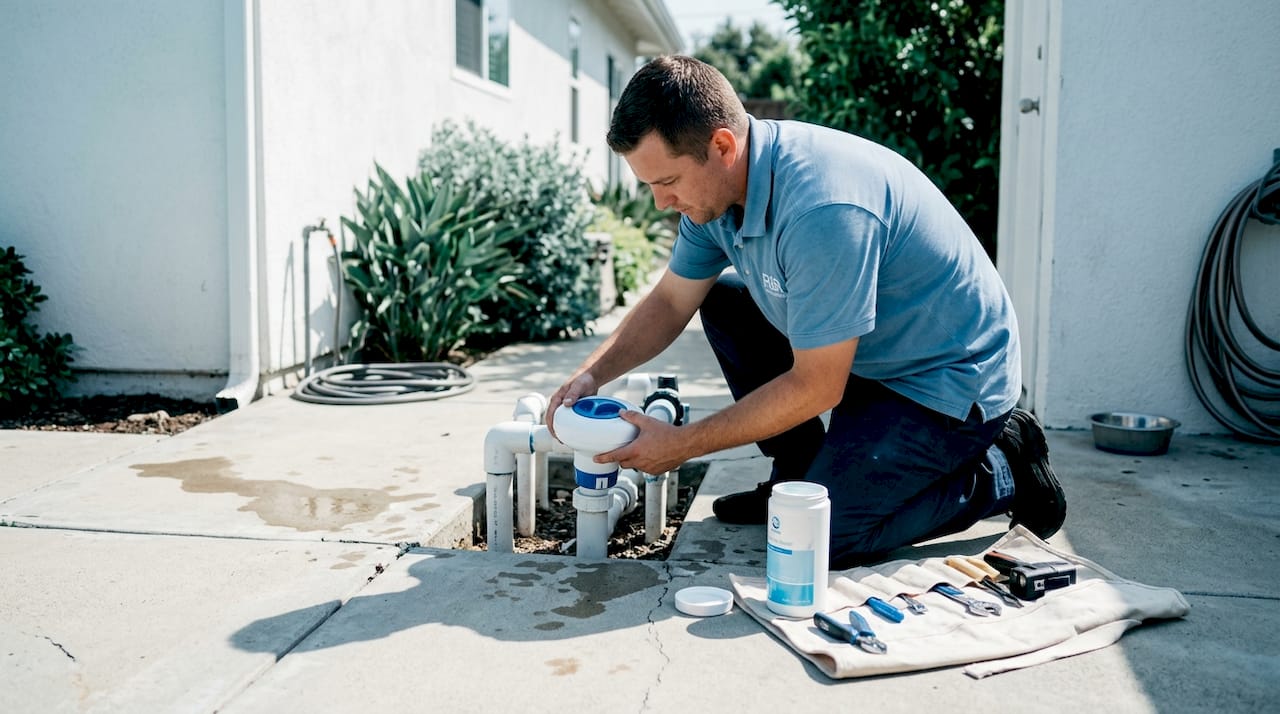
Tablet chlorinators cost far less upfront, typically $150 to $300 for a quality feeder, and tablets are widely available. The trade-off is ongoing chemical costs of roughly $30 to $50 per month, plus more hands-on work. You’re refilling the feeder, monitoring levels more actively, and dealing with the tablets directly.
Here’s a side-by-side breakdown:
| Feature | Salt system | Tablet chlorinator |
|---|---|---|
| Upfront cost | $1,500-$2,500 | $150-$300 |
| Monthly chemical cost | Low ($10-$20 salt) | $30-$50 |
| Cell/feeder replacement | $800-$1,000 every 3-5 years | $150-$300 every 5-8 years |
| Manual labor | Low | Moderate to high |
| Water feel | Softer, silkier | Standard |
| Corrosion risk | Higher (salt on metal/stone) | Lower |
| Scaling issues | Higher in hard water | Lower |
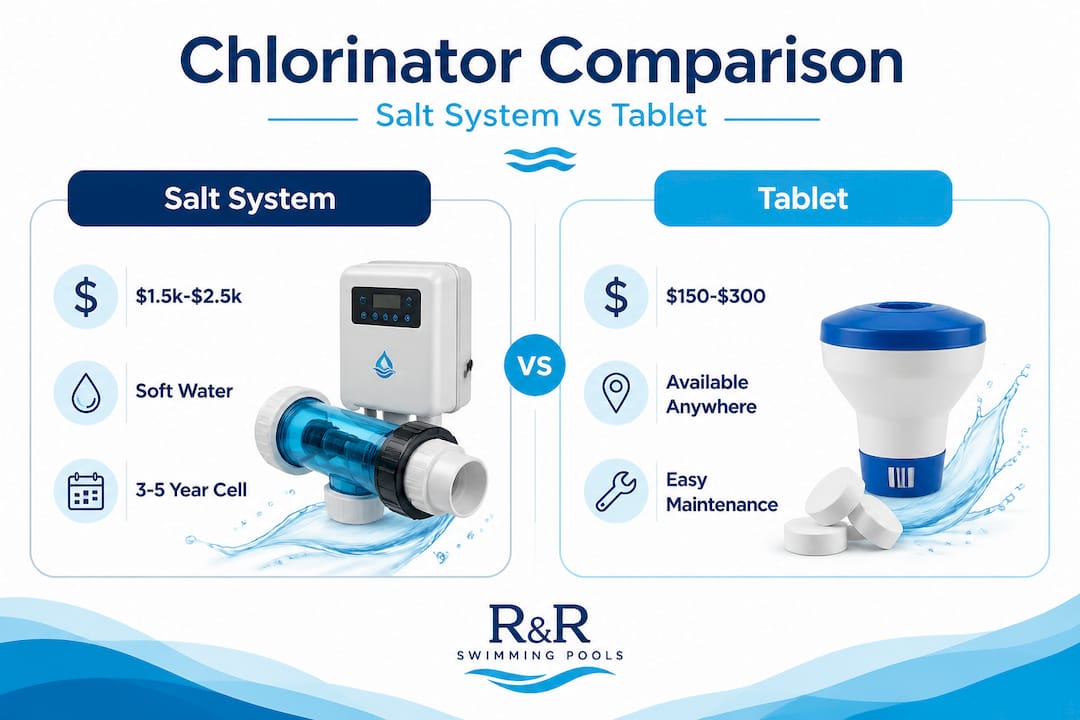
Salt systems are praised for soft water and stable chlorine delivery, but the higher upfront cost, cell replacements, and corrosion risk from salt affecting pool equipment and surrounding surfaces are real drawbacks. Some Central Florida homeowners do switch back to tablets for the simplicity and lower long-term cost, particularly if their pool area features natural stone decking or metal fixtures that salt water can damage over time.
The saltwater pool health benefits are real, especially for swimmers with sensitive skin or eyes. But it’s only the right choice if you’re prepared for the maintenance and replacement cycle that Florida’s climate demands. For homeowners who want a more energy-efficient pool setup overall, pairing a salt system with a variable-speed pump can offset some of those long-term costs.
Choosing and maintaining your pool chlorinator for long-term efficiency
After understanding your options, the next step is making an informed choice and keeping your chlorinator running efficiently for years.
Start with your budget and your honest assessment of how much time you want to spend on maintenance. If the idea of weekly feeder checks and chemical adjustments sounds tedious, a salt system is worth the higher upfront investment. If you’re handy, enjoy managing your pool yourself, and want to keep initial costs low, a tablet system is perfectly capable of keeping your water clean when managed properly.
Once you’ve chosen your system, follow these steps to get the most out of it:
- For salt systems: Test and record your salt level monthly. Inspect the cell every 3 months for calcium buildup. A salt cell coated in white scaling produces less chlorine, which means your pool gets less sanitation even though the system appears to be running fine.
- Schedule acid washes regularly. Acid washing every 3-6 months is the standard recommendation for salt cell maintenance in hard water areas like Central Florida. This dissolves the calcium deposits that choke off chlorine production.
- For tablet systems: Check the feeder weekly and refill as needed. Never mix old and new tablets, as degraded trichlor can cause chemistry spikes.
- Keep your CYA in range. Too low and UV destroys your chlorine before it works. Too high and chlorine becomes far less effective even at proper FC levels. Many Florida pools creep too high on CYA after months of tablet use, since trichlor tablets contain stabilizer.
- Run your pump during daylight hours when UV demand is highest, so your chlorinator is actively generating or distributing chlorine when it’s needed most.
Following solid pool maintenance tips year-round is what separates homeowners who fight algae every summer from those who almost never see it.
Pro Tip: Set a recurring calendar reminder every 90 days to inspect your salt cell or tablet feeder, check all water parameters, and note any changes in chlorine production. Catching a failing cell early saves you from a green pool and an emergency repair bill.
What most homeowners miss about pool chlorinator efficiency in Florida
Here’s an uncomfortable truth we’ve seen play out repeatedly over the decades we’ve been building pools in Central Florida: most homeowners buy a chlorinator based on the sales pitch, set it up once, and then treat it like a “set it and forget it” appliance. It is not. Florida will punish that approach every single time.
The guides you find online give solid general advice. They tell you the right numbers and explain the systems well enough. What they underplay is the compounding effect of Florida’s climate on chlorinator performance. It’s not just that heat speeds up chlorine loss. It’s that heat, UV, heavy rainfall, hard water scaling, and year-round swim season all hit your system simultaneously. A salt cell that performs perfectly in spring can be producing 40% less chlorine by August if you haven’t stayed ahead of the scaling, especially because salt cell scale and rain dilution make maintenance routines critical in Florida in a way that simply doesn’t apply in most other states.
We also see homeowners skip water testing because the pool “looks fine.” Clear water is not the same as balanced water. A pool can look perfectly blue while the pH is off, CYA has climbed too high, and the chlorinator is working twice as hard to compensate. That’s how you burn through a salt cell two years ahead of schedule.
The smartest investment you can make alongside your chlorinator is a reliable water testing kit or a standing relationship with a local pool professional who tests your water regularly. The cost of routine checks is a fraction of what you’ll spend recovering from an algae outbreak or replacing a worn-out cell prematurely. Check out our maintenance guide for Florida for a deeper look at building a realistic year-round routine.
Upgrading your pool? Find the best chlorinator and expert help
If you’re ready to improve your pool’s chlorination or explore upgrades, here’s where to start.
At R&R Swimming Pools, we’ve been designing and installing custom inground pools across Central Florida since 1985. We know firsthand how this climate affects every piece of pool equipment, including your chlorinator. Whether you’re building a new pool and deciding between salt and tablet systems from day one, or you’re upgrading an existing pool that’s been giving you trouble, we’re here to help you make the right call.
Our pool school resource is a great starting point if you want to build your own knowledge before making any decisions. If budget is on your mind, we offer flexible pool financing options to make the right system accessible without compromise. And if you’re still weighing the full scope of a new installation, our expert inground pool guide walks you through everything from design to equipment selection. Reach out to schedule a free consultation and let’s talk about the right chlorination solution for your home.
Frequently asked questions
How often should I check pool chemical levels in Central Florida?
Check your pool’s chlorine, pH, and CYA levels at least once a week, and always within 24 hours after heavy rainfall since rain dilutes pool chemistry significantly in Florida’s storm-heavy summers.
How long do salt chlorinator cells last in Florida?
Salt chlorinator cells typically last 3-5 years in Florida due to the combination of intense heat, year-round use, and hard water scaling, which is notably shorter than the national average of 5-7 years.
What are the key maintenance steps for a salt chlorinator?
Acid washing the cell every 3-6 months and keeping your water chemistry balanced are the two most important habits, since calcium scaling is the leading cause of reduced chlorine output and shortened cell life in Florida.
Are tablet chlorinators easier to use than salt systems?
Tablet chlorinators involve more manual labor with weekly feeder refills and closer monitoring, while salt systems automate chlorine delivery, but salt systems require more expensive maintenance when cells scale or need replacement.
