
TL;DR:
- A pool heater extends swim seasons by warming water efficiently, depending on climate and heater type. Choosing the right system, paired with a pool cover, optimizes energy savings and enhances longevity. Proper sizing and professional installation ensure reliable, cost-effective heating for year-round enjoyment.
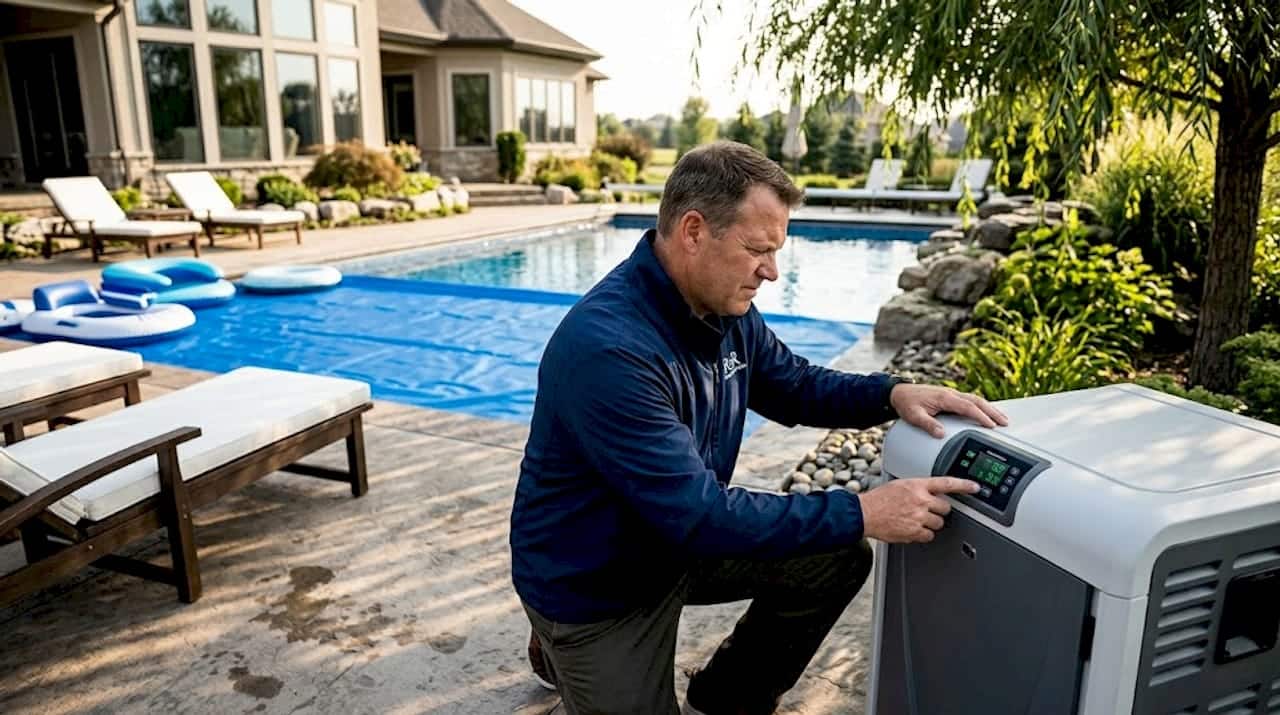
If you’ve ever stepped into a backyard pool expecting relief on a cool spring morning and been met with bone-chilling water instead, you already understand why knowing what is a pool heater matters. A pool heater is a mechanical system that warms your pool water to a comfortable, consistent temperature regardless of air temperature or season. But here’s what most homeowners don’t realize: not all pool heaters work the same way, and choosing the wrong type for your climate and usage habits can cost you thousands of dollars in wasted energy. This guide breaks down everything you need to make a smart decision.
Table of Contents
- Key Takeaways
- How pool heaters work
- Types of pool heaters compared
- Benefits of installing a pool heater
- Pool heater installation: what to plan for
- My honest take on pool heater decisions
- Ready to add a heater to your pool?
- FAQ
Key Takeaways
| Point | Details |
|---|---|
| Pool heaters extend swim seasons | The right heater adds weeks or months of comfortable swimming beyond summer’s peak. |
| Heater type determines efficiency | Gas, heat pump, solar, and electric resistance heaters each serve different climates and budgets. |
| Climate drives the best choice | Cold regions favor gas; warm, sunny climates get far more value from heat pumps or solar. |
| Pool covers multiply savings | Pairing any heater with a cover reduces heating costs by up to 50% or more. |
| Professional sizing is non-negotiable | An undersized heater wastes money; a licensed contractor sizes equipment to your pool volume and local climate. |
How pool heaters work
At its core, a pool heater’s job is to transfer energy into water until that water reaches your target temperature. The process sounds simple, but the mechanics vary significantly depending on the heater type.
All pool heaters operate by moving your pool water through a circulation loop. Your pool pump pulls water from the pool, passes it through the heater’s heat exchanger, and returns warm water back into the pool. The heat exchanger is the heart of the system. It’s the component where heat gets transferred into the water without the water coming into direct contact with a flame or electrical element.
Here’s where it gets interesting. Some heaters generate heat through combustion or electrical resistance, while others move existing heat from the surrounding air. Heat pumps move heat rather than create it, which is why they use dramatically less energy than a gas or electric resistance unit running at the same output.
Key elements of how heat transfer works in pool heaters:
- Gas heaters burn natural gas or propane to create a flame that heats a copper heat exchanger, warming water as it passes through.
- Heat pump heaters use a refrigerant cycle similar to an air conditioner running in reverse, pulling warmth from outdoor air and concentrating it before transferring it to your water.
- Solar heaters circulate pool water through rooftop collectors where sunlight heats the water passively before returning it to the pool.
- Electric resistance heaters pass electrical current through heating elements that directly warm the water, similar to how an electric kettle works.
Pro Tip: If your pool runs daily or several times a week, efficiency matters far more than speed. A heat pump costs more upfront but delivers water at a stable temperature for a fraction of the fuel bill.
Speed also varies sharply by heater type. Gas heaters raise temperature by 10°F in 8 to 12 hours. Heat pumps take 24 to 72 hours. Solar can take 2 to 4 days depending on sun exposure. That difference matters less if you plan ahead, but for spontaneous swimmers, a gas heater’s speed is genuinely useful.
Types of pool heaters compared
Choosing the right pool heater is less about which type is “best” and more about which type fits your situation. Here’s an honest look at your four main options.
Gas pool heaters
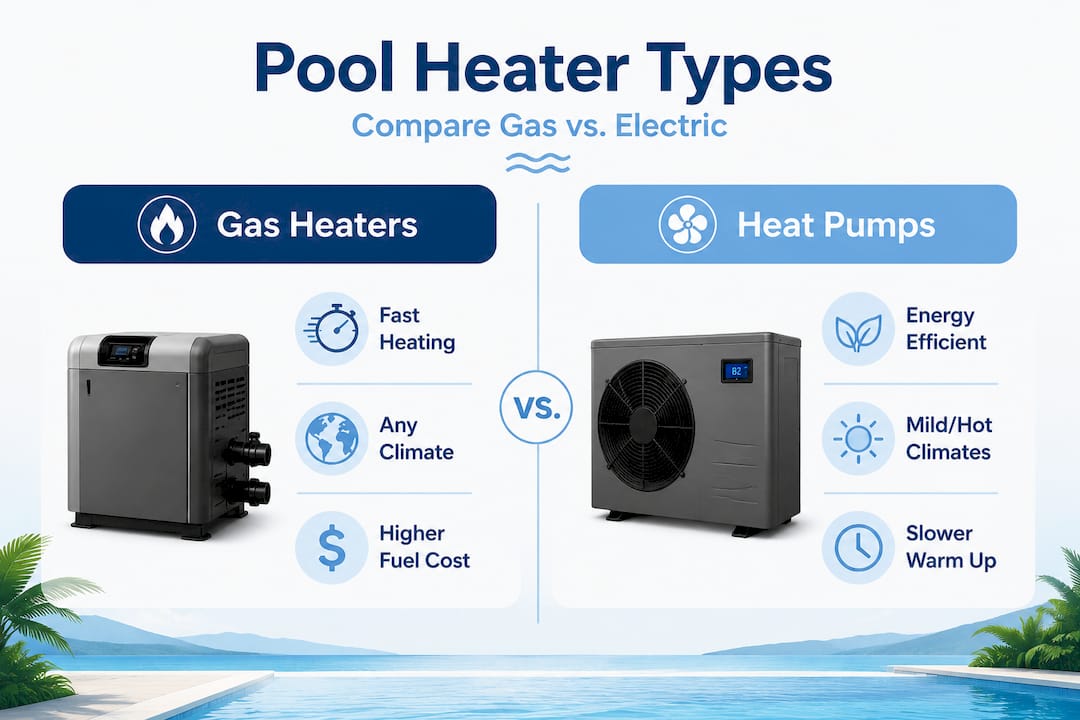
Gas heaters are the most widely recognized option, and for good reason. They heat fast, work in any climate, and cost less to purchase upfront. The trade-off is that they burn fuel continuously while running, so operating costs add up quickly. Many homeowners regret choosing gas for daily heating once they see how much they could save with a heat pump over a season.
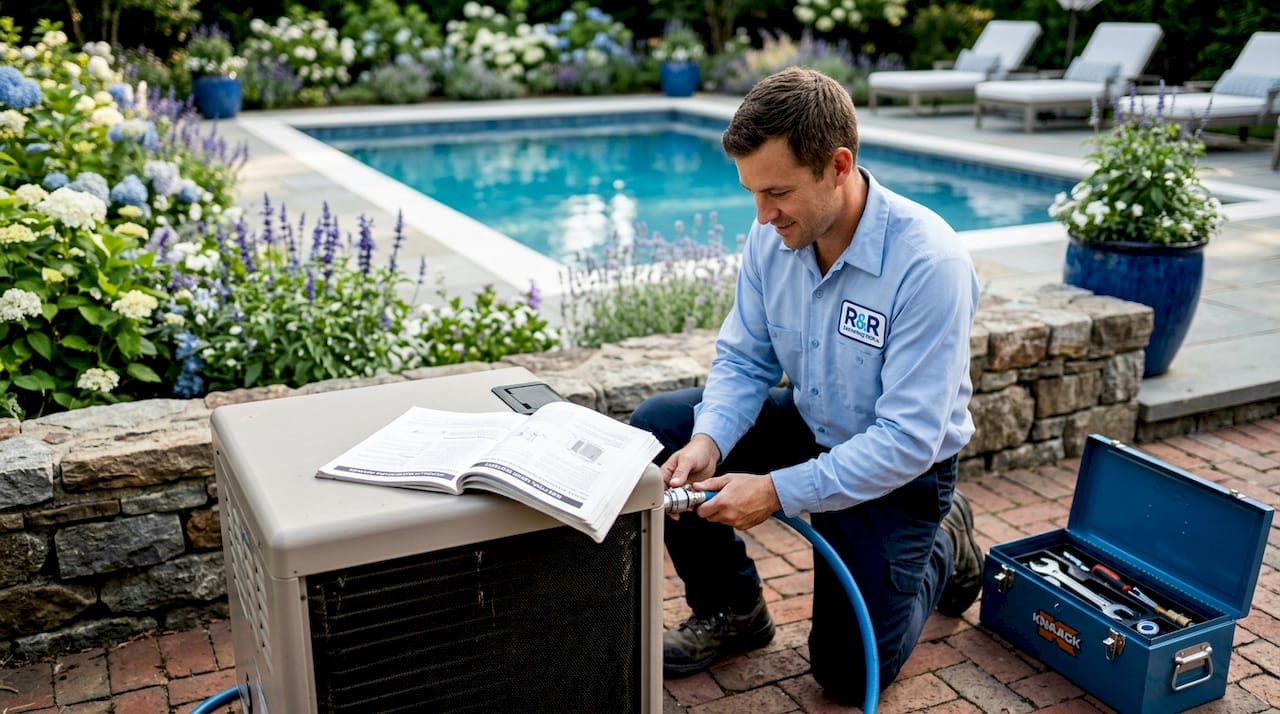
Gas is genuinely the right call when you want rapid heat for occasional weekend use, or when you live in a region with cold winters where heat pumps lose effectiveness.
Electric heat pumps
Heat pumps are the workhorses of pool heating for homeowners in mild to warm climates. They pull warmth from outdoor air using a refrigerant cycle, meaning they use electricity only to move heat rather than generate it. The result: heat pumps reduce operating costs by 60 to 70 percent compared to gas in mild climates. For Central Florida homeowners, a heat pump is often the smartest long-term investment.
The one limitation is temperature sensitivity. Below around 45°F to 50°F, heat pumps lose efficiency because there’s less warmth in the air to extract. In Central Florida’s mild winters, that rarely matters.
Solar pool heaters
Solar heaters have essentially zero operating cost once installed. They use your existing pool pump to circulate water through roof-mounted collectors that absorb sunlight. The limitation is obvious: no sun, no heat. Cloudy weeks mean cold water, and solar alone rarely heats a pool on demand.
That said, solar is the most environmentally responsible option and works beautifully as a supplement to a heat pump in a sunny state like Florida.
Electric resistance heaters
Electric resistance heaters are simple to install and inexpensive to buy, but they consume enormous amounts of electricity to generate heat. They make the most sense for small above-ground pools or as a backup rather than a primary heater for a full-size inground pool.
Comparison table:
| Heater type | Installation cost | Operating cost | Heat-up speed | Best climate fit |
|---|---|---|---|---|
| Gas | $1,500–$6,000 | High | Fast (8–12 hrs) | Any, especially cold |
| Heat pump | $2,500–$7,500 | Low | Moderate (24–72 hrs) | Warm/mild |
| Solar | $2,500–$9,500 | Very low | Slow (2–4 days) | Sunny/warm |
| Electric resistance | $1,000–$6,000 | Very high | Fast | Any (small pools) |
Installation costs vary considerably by region, pool size, and site conditions.
Pro Tip: In Central Florida, a heat pump is almost always the right daily driver. If you want a backup for cold snaps or last-minute pool parties, consider pairing it with a gas heater.
Benefits of installing a pool heater
The most obvious benefit is a longer swim season. A pool heater extends swimming by weeks or months in both directions of the calendar year. In Florida, that can mean comfortable water from February through November with the right setup.
But the benefits go beyond just warm water:
- Precise temperature control. You set your target temperature and the heater maintains it. No more guessing whether the pool will be comfortable before guests arrive.
- Increased home value. A heated pool is significantly more appealing to buyers and appraisers than an unheated one, particularly in markets where year-round outdoor living is a selling point.
- Improved physical recovery. Warm water supports muscle relaxation and physical therapy, which makes a heated pool genuinely useful beyond recreation.
- Remote management. Smart pool controls let you adjust your heater’s settings from your phone, so you can warm the pool before heading home without running it all day unnecessarily.
The single biggest factor in maximizing all of these benefits is pairing your heater with a pool cover. A pool cover reduces heat loss by up to 75% by preventing evaporation, which is the largest source of thermal loss in any pool. Cut evaporation and your heater works faster, runs less, and costs less to operate every single month. You can explore how covers work alongside your heating system to get the full picture.
Pool heater installation: what to plan for
Installing a pool heater involves more than simply bolting a unit to your equipment pad. Getting it right from the start saves you from undersized performance, code violations, or a costly replacement a few years down the road.
Here are the key steps and considerations for a successful installation:
- Assess your climate first. Your region determines which heater type makes practical sense. Regional climate strongly influences heater effectiveness. Central Florida’s mild winters make heat pumps an ideal choice, while homeowners in northern states often need gas or a hybrid system.
- Size the heater to your pool. Undersizing is the most common installation mistake. A heater that’s too small for your pool volume will run constantly, wear out faster, and never reach your target temperature on cool days. Always involve a licensed contractor in the sizing calculation.
- Understand local codes. Gas heaters require proper venting and gas line capacity. Some municipalities have environmental regulations around pool heating equipment. Your installer should pull permits and meet all local codes.
- Consider a hybrid approach. Many experienced pool owners use heat pump and gas combinations for the best of both worlds: the heat pump handles daily heating efficiently, while the gas unit handles rapid temperature recovery when needed.
- Plan for Energy STAR efficiency standards. Updated 2026 standards now require greater transparency about cold-weather performance for heat pumps, making it easier to compare models and choose a unit that performs reliably under your actual conditions.
Pro Tip: Ask your installer to run a heat loss calculation for your pool. This accounts for pool size, average nighttime temperatures, wind exposure, and whether you use a cover. It’s the only way to know what size heater you actually need.
For Central Florida homeowners, you can also review energy-efficient pool options that account for the region’s specific climate patterns before committing to a heater type.
My honest take on pool heater decisions
I’ve seen hundreds of homeowners make the same mistake: they buy a gas heater because it’s fast and familiar, run it daily for a season, then wince at the utility bill. The speed of gas is real and useful. But for everyday pool use in a warm climate, speed isn’t what matters. Efficiency is.
What I’ve found is that the upfront cost of a heat pump scares people, but the operating savings over three to five years almost always more than cover the difference. Heat pumps are a better answer for most Florida homeowners than gas, and the gap only widens as energy prices rise.
The other mistake I see consistently is skipping the pool cover. A heater without a cover is like heating your house with the windows open. Covers cut evaporation dramatically and that’s where most of your heat disappears overnight. Pair them together and the heater becomes genuinely efficient rather than just technically functional.
My broader advice: don’t let the upfront price on a heat pump or solar system push you toward a cheaper option that costs more every month for years. Think in total cost of ownership, not sticker price. And always size to your actual pool volume with help from a professional who knows your local climate.
— Randrswimmingpools
Ready to add a heater to your pool?
At R and R Swimming Pools, we’ve been designing and building custom inground pools across Central Florida since 1985. We know that a pool heater isn’t just an add-on. It’s what separates a pool you use three months a year from one you enjoy almost year-round.
Whether you’re installing a brand-new pool and want to incorporate heating from the start, or you’re upgrading an existing pool to extend your swim season, our team will walk you through the right heater type for your pool size, usage habits, and budget. Start with our inground pool installation guide to understand how heating fits into the broader build process, or explore our expert inground pool guide for a deeper look at equipment decisions. Contact Randrswimmingpools today for a free quote and let’s build something you’ll actually use every month of the year.
FAQ
What is a pool heater and what does it do?
A pool heater is a system that warms your pool water to a set temperature using gas, electricity, or solar energy. It connects to your pool’s circulation system and heats water as it passes through before returning it to the pool.
What type of pool heater is most energy efficient?
Solar and heat pump heaters are the most energy-efficient options. Heat pumps use electricity to move heat rather than generate it, reducing operating costs by 60 to 70% compared to gas in mild climates.
How long does a pool heater take to warm a pool?
It depends on the type. Gas heaters raise the temperature by 10°F in 8 to 12 hours, heat pumps take 24 to 72 hours, and solar heaters take 2 to 4 days depending on sun exposure.
What size pool heater do I need?
Sizing depends on your pool’s volume, your target water temperature, average air temperatures, and whether you use a pool cover. A licensed pool contractor should run a heat loss calculation to recommend the correct size for your specific setup.
Does a pool heater work better with a pool cover?
Yes, significantly. An insulating pool cover can reduce heat loss by up to 75% by stopping evaporation, which is the biggest source of thermal loss in any pool. Using both together cuts heating costs and shortens warm-up times.
