
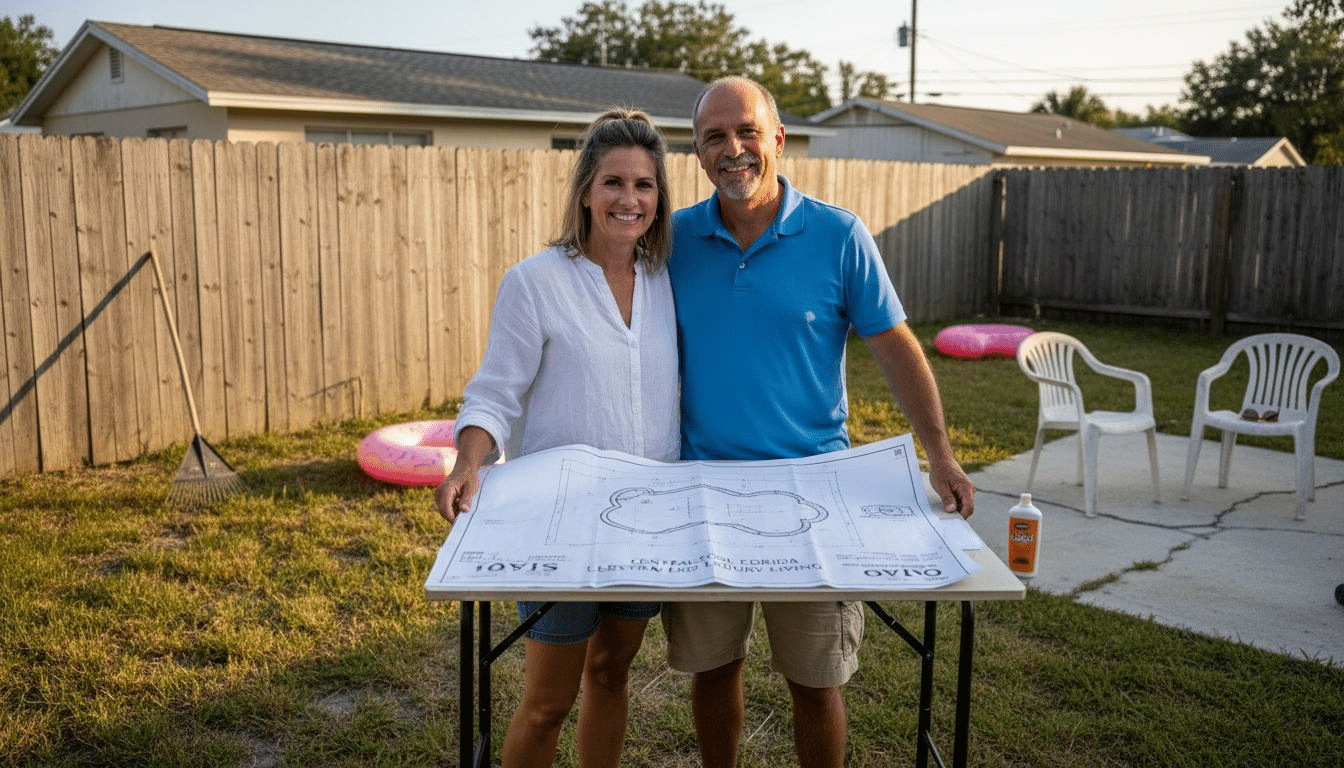
Building a pool in Central Florida is an exciting investment, but unclear cost expectations can quickly turn dreams into financial stress. Many homeowners worry about hidden expenses, choosing the wrong materials, or overspending on features they don’t need. This guide walks you through realistic budgeting for your pool project, from understanding cost drivers like materials and site preparation to selecting the right pool type for your lifestyle. You’ll discover practical steps to plan your budget, avoid common mistakes, and make informed decisions that fit your financial goals while creating the perfect backyard oasis.
Table of Contents
- Understanding Pool Cost Factors In Central Florida
- Choosing The Right Pool Type For Your Budget
- Planning And Budgeting Your Pool Project Step-By-Step
- Common Budgeting Mistakes And How To Avoid Them
- Discover Expert Pool Installation Services In Central Florida
Key takeaways
| Point | Details |
|---|---|
| Pool costs vary widely | Inground pool costs in Florida for 2026 range from $35,000 to $100,000 for standard pools, depending on materials, size, and features. |
| Material choice impacts budget | Concrete pools offer durability but higher costs, fiberglass balances price and maintenance, while vinyl liner pools have the lowest upfront investment. |
| Site preparation matters | Florida’s soil conditions and landscaping needs influence excavation costs and material suitability for long-term performance. |
| Plan for ongoing expenses | Maintenance, resurfacing, and repairs add to lifetime costs beyond initial installation. |
| Contingency prevents surprises | Budget an extra 10–15% for unexpected expenses to keep your project on track. |
Understanding pool cost factors in Central Florida
Your pool budget depends on several interconnected factors that shape both upfront and long-term expenses. Pool materials form the foundation of your budget decision. Concrete pools deliver maximum design flexibility and durability but command premium prices. Fiberglass pools install faster with lower maintenance needs at mid-range costs. Vinyl liner pools offer the most affordable entry point but require periodic liner replacements that add to lifetime expenses.
Size directly affects excavation labor, materials, and ongoing chemical costs. A compact 12×24 foot pool costs significantly less than a sprawling 20×40 foot design. Your lot’s unique characteristics play a major role too. Rocky soil, steep slopes, or limited equipment access increase site preparation costs. Florida’s climate and soil conditions influence pool material suitability and maintenance, making professional site assessment essential before finalizing your budget.
Additional features transform basic pools into custom retreats but expand budgets accordingly. Consider these popular upgrades:
- LED lighting systems for evening ambiance
- Waterfalls and rock features for visual appeal
- Heating systems to extend swimming seasons
- Attached spas for year-round relaxation
- Automated cleaning and chemical systems
Maintenance represents an ongoing budget commitment many homeowners underestimate. Chemical treatments, equipment repairs, energy costs, and periodic resurfacing accumulate over your pool’s lifetime. Understanding cost factors for pools helps you make informed decisions that align with both your immediate budget and long-term financial capacity.
Pro Tip: Request itemized estimates from multiple contractors to compare costs across materials, labor, site prep, and features rather than accepting single lump-sum quotes.
Choosing the right pool type for your budget
Selecting your pool type represents the most significant budget decision you’ll make. Each option delivers distinct advantages and tradeoffs in cost, maintenance, and longevity tailored to Central Florida conditions.
Concrete pools dominate the luxury market with unmatched customization potential. You can create any shape, depth, or feature configuration imaginable. These pools withstand Florida’s climate exceptionally well and last decades with proper care. However, concrete pools cost $50,000 to $150,000 and require resurfacing every 10–15 years, adding $5,000–$10,000 to long-term expenses. Weekly brushing and higher chemical use increase ongoing maintenance time and costs.
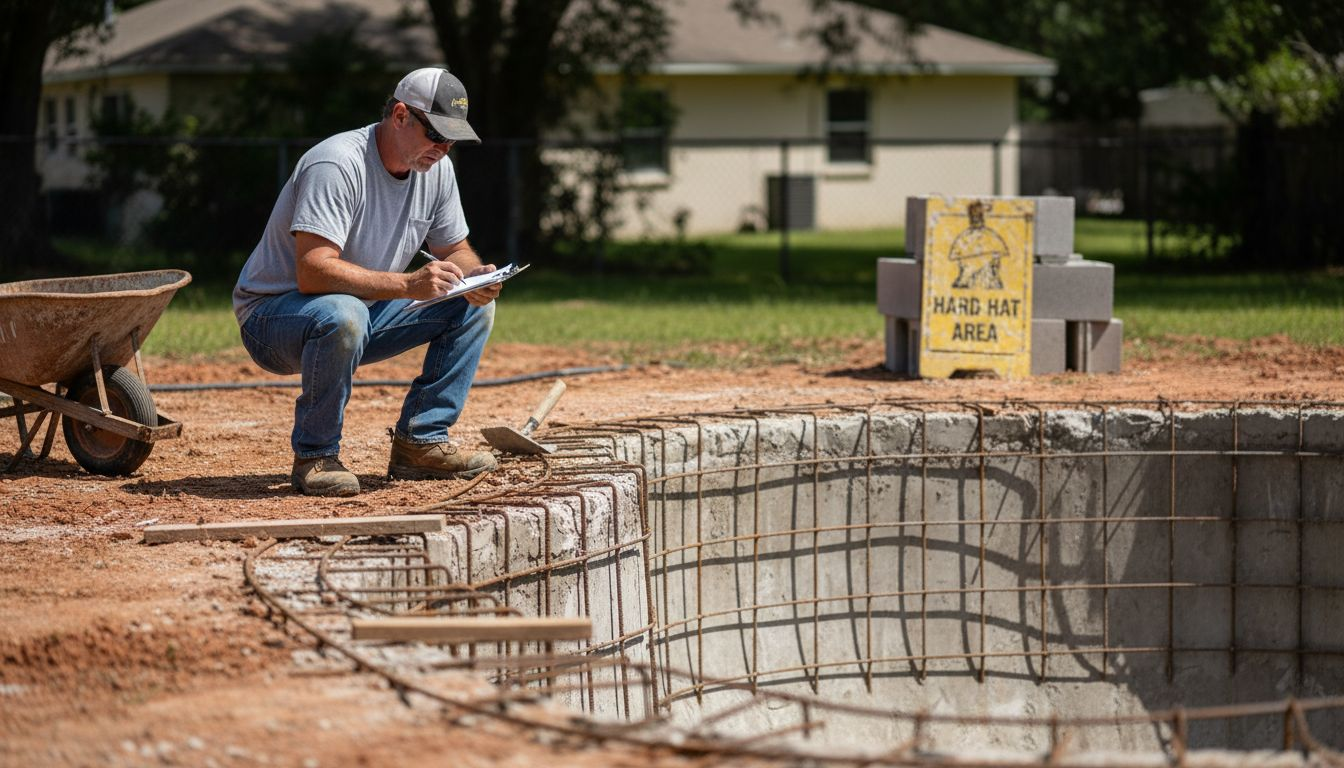
Fiberglass pools strike an appealing middle ground for budget-conscious homeowners. Factory molding limits shape options to available molds, but installation completes in days rather than weeks. The smooth gel coat surface resists algae growth, reducing chemical needs and cleaning time. Fiberglass handles Florida’s soil movement better than concrete, minimizing crack risks. With costs ranging $35,000 to $85,000, fiberglass delivers excellent value when you find a mold matching your vision. The non-porous surface also helps maintain comfortable water chemistry with less effort.
Vinyl liner pools offer the lowest entry point at $30,000 to $65,000. The flexible liner accommodates ground movement well, making it suitable for challenging soil conditions. However, liners need replacement every 7–10 years at $3,000–$5,000 per replacement. Sharp objects and pet claws can puncture liners, creating repair headaches. While initial savings attract budget-focused buyers, lifetime costs often match or exceed fiberglass options.
| Pool Type | Initial Cost | Maintenance Level | Lifespan | Best For |
|---|---|---|---|---|
| Concrete | $50,000–$150,000 | High | 50+ years | Custom designs, luxury features |
| Fiberglass | $35,000–$85,000 | Low | 30+ years | Quick installation, low upkeep |
| Vinyl Liner | $30,000–$65,000 | Moderate | 20+ years | Tight budgets, simple shapes |
Consider how each type handles Florida’s unique challenges:
- High humidity accelerates concrete surface degradation
- Sandy soil shifts over time, favoring flexible materials
- Intense UV exposure fades vinyl liners faster
- Saltwater systems work best with fiberglass surfaces
Exploring pool finishes helps you understand how surface choices within each pool type further impact your budget and maintenance requirements.
Pro Tip: Calculate total 15-year ownership costs including resurfacing, liner replacements, and maintenance to compare true value across pool types rather than focusing solely on installation prices.
Planning and budgeting your pool project step-by-step
A structured budgeting approach prevents costly surprises and keeps your project on track. Follow these steps to create a realistic financial plan.
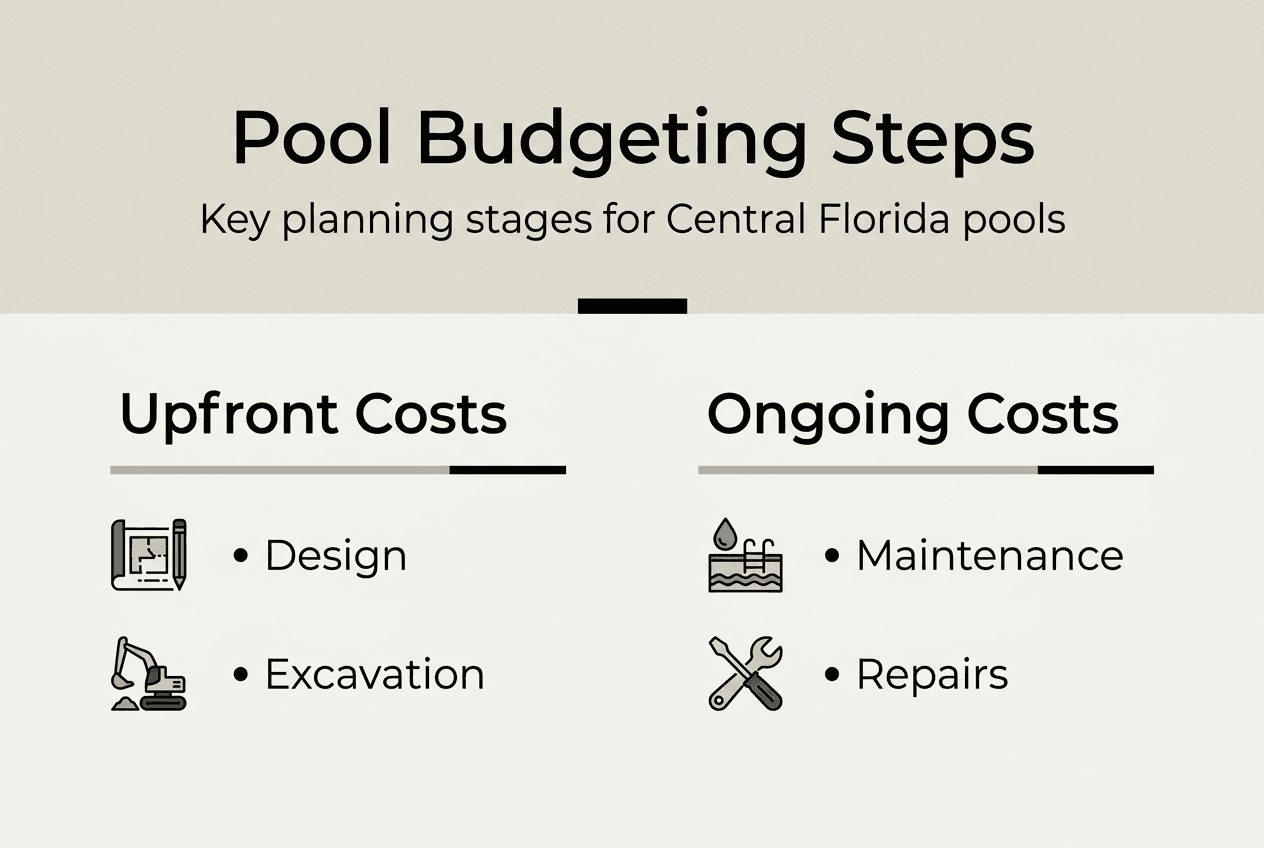
Step 1: Define your budget range based on pool type preferences and must-have features. Review your financing capacity honestly, considering how monthly payments fit your household budget. Average costs vary widely based on design, size, materials, optional features, and landscaping, so establish both minimum and maximum spending limits before meeting contractors.
Step 2: Choose pool size and design elements suited to your yard dimensions and lifestyle needs. A family with young children prioritizes shallow play areas and safety features. Fitness enthusiasts need lap pool dimensions. Entertainers want spacious decks and integrated seating. Measure your available space carefully, accounting for required setbacks from property lines and utility easements.
Step 3: Include site preparation and landscaping in your initial estimates rather than treating them as afterthoughts. Excavation costs vary based on soil conditions, equipment access, and waste removal requirements. Budget for deck materials, fencing, lighting, and plantings that complete your outdoor space. Underground utilities may need relocation, adding unexpected expenses if not identified early.
Step 4: Add a 10–15% contingency for unexpected costs that emerge during construction. Rock removal, permit delays, weather interruptions, and design modifications commonly arise. This buffer prevents project stalls when surprises occur. Contractors appreciate clients who budget realistically rather than demanding work beyond available funds.
Step 5: Factor maintenance and resurfacing costs into your long-term financial planning. Monthly chemical treatments, equipment repairs, energy bills, and periodic renovations continue throughout ownership. A $60,000 pool might cost $1,500–$3,000 annually in upkeep, totaling $30,000–$60,000 over 20 years.
Consult professionals early for accurate personalized estimates reflecting your specific property and preferences. Experienced builders identify cost factors you might overlook. They also suggest value-engineering alternatives that preserve key features while reducing expenses. Review how to prepare for your pool build to understand what contractors need from you during planning.
Plan your timeline and financing to avoid rushed decisions. Pool construction takes 8–12 weeks typically, with permitting adding several weeks upfront. Seasonal demand affects both pricing and contractor availability. Spring bookings often cost more due to high demand, while fall projects may offer better rates. Explore financing options early so you understand monthly payment obligations before committing to specific designs.
Pro Tip: Create a priority list ranking features from essential to nice-to-have, allowing you to adjust scope if bids exceed your budget without sacrificing your most important elements.
Common budgeting mistakes and how to avoid them
Even well-intentioned homeowners fall into predictable budgeting traps that derail pool projects. Recognizing these pitfalls helps you sidestep financial stress.
Ignoring the full project scope causes budget shortfalls. Many homeowners focus exclusively on pool installation costs while overlooking permits, inspections, fencing, decking, landscaping, and equipment. A $50,000 pool estimate might balloon to $70,000 after adding required safety barriers, patio extensions, and plantings. Request comprehensive quotes covering every project element rather than piecemeal estimates.
Underestimating maintenance and repair costs creates long-term financial strain. That affordable vinyl liner pool needs a $4,000 liner replacement in seven years. Concrete pools require $8,000 resurfacing every decade. Equipment failures, chemical treatments, and energy bills continue indefinitely. Understanding average cost factors is crucial for homeowners planning pool installations in Florida, including realistic lifetime expense projections.
Skipping contingencies leads to budget overruns that halt construction. Unexpected rock formations, utility conflicts, or design changes commonly emerge during excavation. Without financial reserves, you face difficult choices between compromising your vision or scrambling for additional funds. Smart homeowners budget 10–15% above estimated costs to handle surprises smoothly.
Not consulting local experts familiar with Florida conditions costs money through inappropriate material choices and design flaws. Central Florida’s unique soil composition, water table levels, and climate patterns require specialized knowledge. Out-of-state contractors or inexperienced builders create problems that demand expensive corrections. Verify contractors understand regional building codes, soil challenges, and weather considerations.
Rushing decisions without full cost comparison leaves money on the table. Accepting the first quote or choosing contractors based solely on price often backfires. Quality materials, experienced crews, and comprehensive warranties justify higher upfront costs through better performance and fewer repairs. Interview multiple contractors, check references, and compare detailed proposals before committing.
Common mistakes to avoid:
- Financing the full project amount without down payment savings
- Choosing features based on trends rather than personal use patterns
- Neglecting energy-efficient equipment that reduces operating costs
- Overlooking permit requirements and inspection fees
- Failing to verify contractor licensing and insurance coverage
“Realistic budgeting means planning for both the pool you want today and the maintenance it requires tomorrow. Homeowners who budget comprehensively enjoy their investment without financial regrets.”
Review cost factors for pools to understand how seemingly small decisions compound into significant budget impacts over your pool’s lifetime.
Discover expert pool installation services in Central Florida
Now that you understand budgeting fundamentals, partnering with experienced professionals transforms your planning into reality. R & R Swimming Pools has served Central Florida homeowners since 1985, bringing decades of expertise to custom pool design and installation. Our team understands local soil conditions, climate challenges, and permitting requirements that affect your budget and timeline.
We offer personalized consultations that align pool designs with your financial goals and lifestyle needs. Our inground pool installation guide walks you through every phase, while our custom pool planning resources help you make informed material and feature choices. Explore flexible financing options designed to make your dream pool affordable without compromising quality or rushing decisions.
FAQ
How much does an inground pool typically cost in Central Florida?
Standard inground pools in Florida range from $35,000 to $100,000 in 2026, with luxury pools exceeding $150,000. Your final cost depends on pool type, size, features, site conditions, and material choices. Fiberglass pools typically fall in the middle of this range, while concrete pools with custom features command premium prices.
Which pool type offers the best value for Central Florida homeowners?
Fiberglass pools balance cost and maintenance well for most homeowners, offering durability without concrete’s high upkeep demands. Vinyl liner pools are cheaper upfront but require periodic replacements, while concrete pools cost most initially but last longest with proper resurfacing. Your best value depends on how long you plan to own your home and your tolerance for ongoing maintenance tasks.
How can I prepare financially for unexpected pool project expenses?
Set aside at least 10–15% contingency in your budget to handle unforeseen costs like rock removal, utility relocation, or design modifications. Explore financing options early so you understand borrowing capacity and monthly payment obligations before construction begins. Consulting experienced contractors for detailed estimates helps identify potential cost factors specific to your property before breaking ground.
What ongoing maintenance costs should I budget for my pool?
Budget $1,500–$3,000 annually for chemical treatments, equipment repairs, energy costs, and routine maintenance. Concrete pools require resurfacing every 10–15 years at $5,000–$10,000, while vinyl liners need replacement every 7–10 years at $3,000–$5,000. Energy-efficient pumps and automated systems reduce long-term operating costs despite higher upfront prices.
