
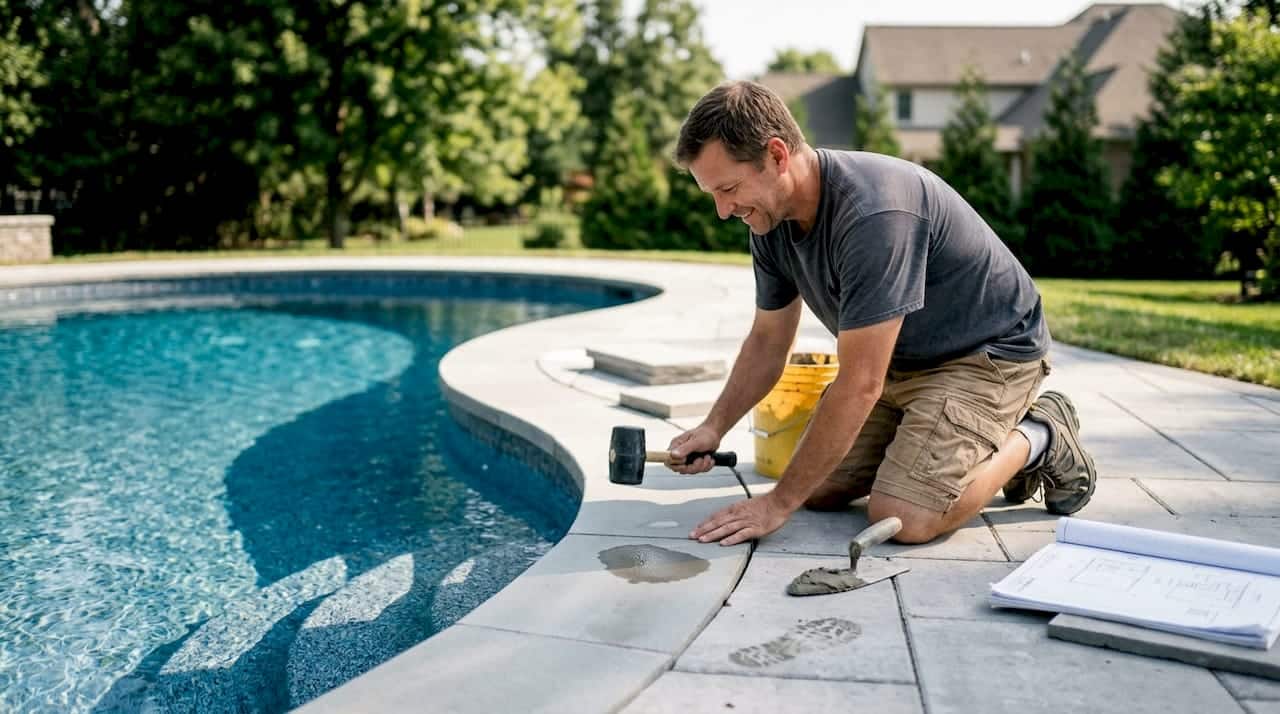
TL;DR:
- Proper installation of pool coping protects the pool structure and enhances aesthetic appeal.
- Material choice impacts temperature, durability, maintenance, and safety in Central Florida’s climate.
- Professional installation is highly recommended to prevent water damage and ensure longevity.
Pool coping is the finished edge that caps the top of your pool shell, and getting it right is one of the most important decisions you’ll make for your inground pool. In Central Florida’s intense heat, heavy rains, and chlorine-rich water, poorly installed coping can crack, shift, or let water seep into the pool’s structure within just a few seasons. Whether you’re building a brand-new custom pool or updating an older one, understanding the installation process helps you avoid costly mistakes and get an edge that looks great and holds up for decades. This guide walks you through every step.
Table of Contents
- What is pool coping and why does it matter?
- What you’ll need: Tools, materials, and prep for Central Florida
- Step-by-step pool coping installation process
- Finishing, curing, and troubleshooting: Getting it right
- Expert choices: Coping design considerations for Central Florida
- The real challenge: Why DIY pool coping isn’t always worth it
- Upgrade your pool with trusted Central Florida professionals
- Frequently asked questions
Key Takeaways
| Point | Details |
|---|---|
| Coping is critical | Properly installed pool coping protects your pool’s structure, safety, and aesthetic appeal. |
| Preparation is key | Using the right tools and materials makes installation easier and more durable, especially in Florida’s climate. |
| Follow precise steps | Detailed, step-by-step installation reduces leaks and extends your pool’s life. |
| Consider hiring a pro | While DIY is possible, professional help often prevents expensive mistakes and repairs. |
What is pool coping and why does it matter?
Pool coping is the cap material installed along the perimeter of an inground pool, sitting directly on top of the bond beam (the concrete ledge that forms the top edge of the pool shell). It bridges the pool water and the surrounding deck, creating a defined, finished edge. As coping prevents damage to your pool’s structural integrity, choosing and installing it well is non-negotiable.
Pool coping protects the bond beam, prevents water infiltration, and enhances safety. Without it, water sneaks behind your pool shell and causes expensive structural failure. It’s also what gives your pool that polished, intentional look that ties together your whole backyard design.
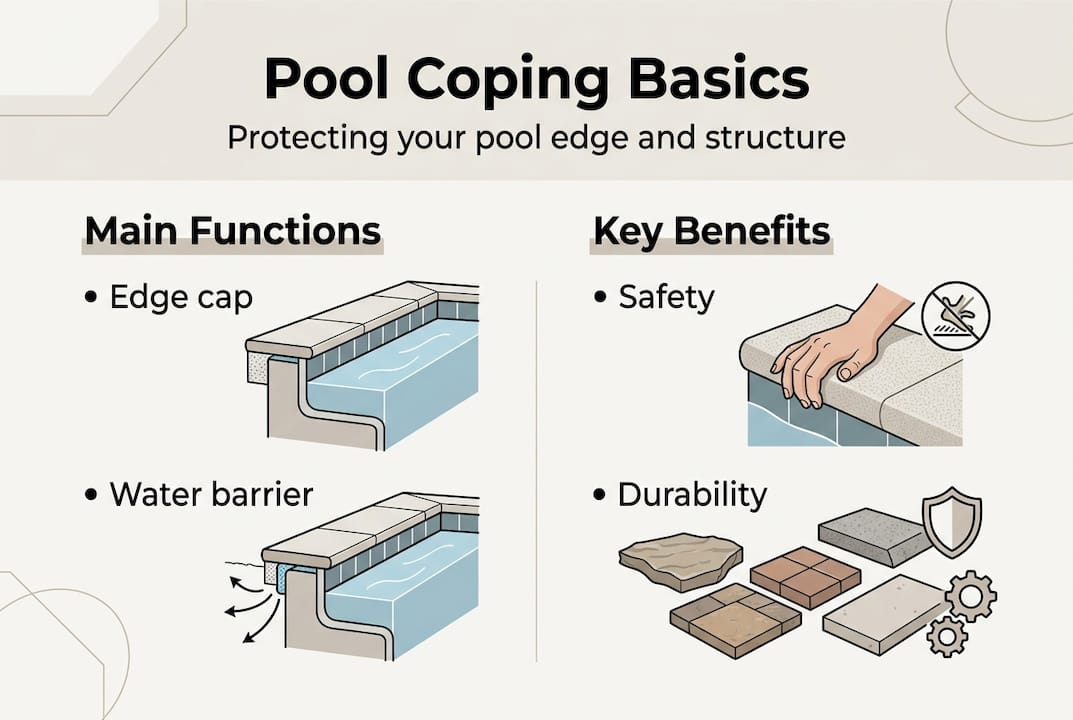
In Central Florida, coping faces unique stress. Summer heat can push surface temperatures past 140°F. Afternoon rainstorms dump water against the pool edge daily. Salt or chlorine exposure weakens porous materials over time. Getting your material and installation right at the start saves thousands in repairs later.
Here’s what quality pool coping does for you:
- Directs water away from the pool shell and toward drainage
- Protects the pool shell from erosion and water infiltration
- Supports deck and finish materials at the waterline
- Prevents slips by providing a defined, grippy edge
- Enhances curb appeal with a clean, finished look
One key material advantage: travertine stays 30% cooler underfoot compared to standard concrete, making it a popular choice for Florida pools where bare feet on a hot surface are a real concern. Pair that with good pool decking design benefits and you have a poolside environment that’s both safe and comfortable year-round.
What you’ll need: Tools, materials, and prep for Central Florida
Before any coping goes down, you need the right tools and materials. Skipping prep is the number one reason coping fails early.
Essential tools:
- Wet saw with diamond blade (for precise cuts)
- Notched adhesive or mortar trowel
- Level and rubber mallet
- Safety glasses and gloves
- Flexible sealant gun and backer rod
- Tape measure and chalk line
For materials, recommended options for Florida include travertine, porcelain, and precast concrete. Avoid porous natural stone unless it’s properly sealed, since Florida’s moisture and heat cause untreated materials to crack or stain quickly. When selecting grout, choose a salt-resistant, pool-grade formula rated for submerged or wet-area applications.
Here’s a quick comparison of the most common coping materials:
| Material | Heat resistance | Maintenance | Relative cost | Best for |
|---|---|---|---|---|
| Travertine | Excellent (stays cooler) | Medium (seal regularly) | Moderate | Style and comfort |
| Porcelain | Very good | Low | Moderate to high | Low-maintenance pools |
| Precast concrete | Good | Low to medium | Low to moderate | Budget-friendly builds |
| Natural stone | Variable | High (must seal) | High | Premium custom looks |
For pool pavers in Central Florida, the combination of thermal properties and durability should drive your material choice more than looks alone. Also review concrete pool advantages when planning your shell type, since it affects coping compatibility.
Prep work matters just as much as material choice. Inspect the bond beam for cracks, chips, or uneven surfaces. Repair any damage before installation. Clean away oils, dust, and loose concrete so your mortar bonds properly. A weak bond beam means coping that shifts or pops off within a year.
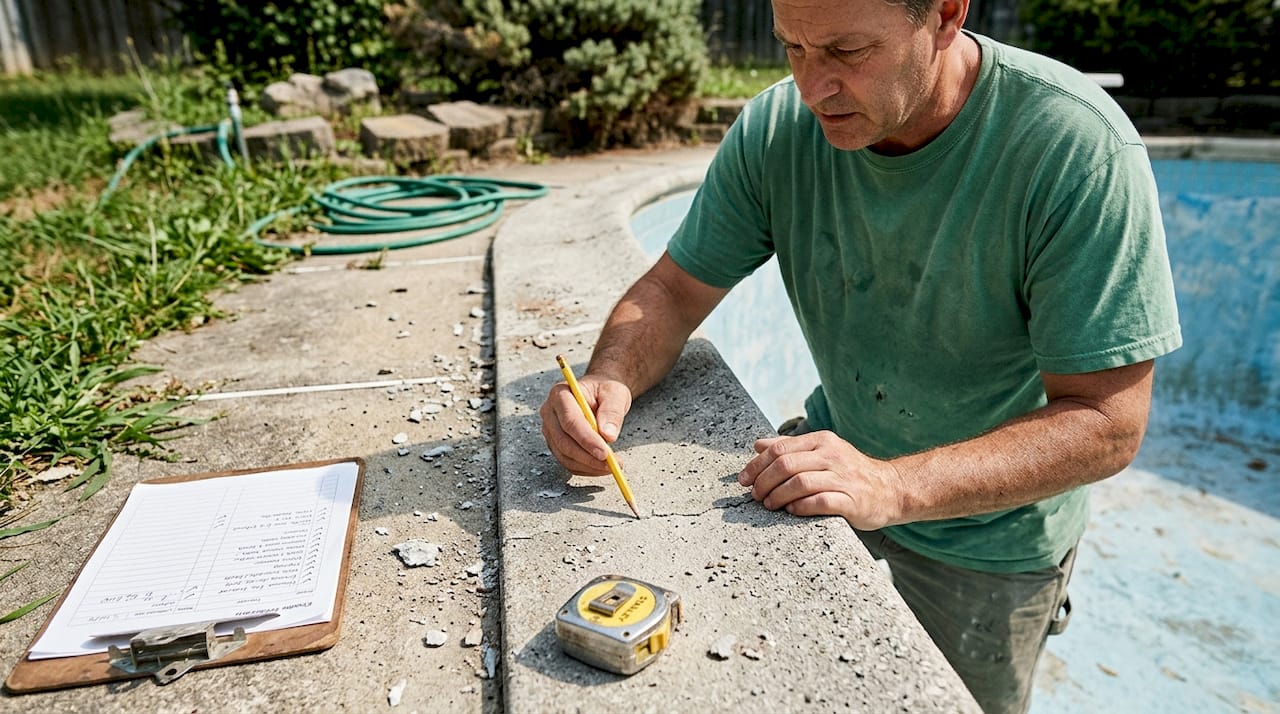
Pro Tip: Dry-fit your coping pieces around the entire pool perimeter before mixing any mortar. This lets you spot problem cuts, adjust spacing, and confirm your layout looks right, all without the pressure of wet adhesive setting beneath you.
For more expert guidance on layout and materials, review these pool coping pro tips before starting your project.
Step-by-step pool coping installation process
Following a clear sequence is what separates a solid installation from one that fails in two seasons. Standard installation steps include assessing the bond beam, dry-fitting coping, preparing the surface, setting with mortar, grouting joints, sealing, and curing.
Here’s how each step works in practice:
- Assess and repair the bond beam. Check for cracks, low spots, and debris. Patch with hydraulic cement if needed and let it cure fully before moving on.
- Dry-fit all coping pieces. Lay out every piece without adhesive. Mark cuts, verify spacing, and check corner miters or curves before anything is permanent.
- Clean and level the surface. Sweep, vacuum, and dampen the bond beam. Use a level to identify any high or low spots that need correction.
- Mix and apply mortar or adhesive. Use a notched trowel to spread a consistent layer. Work in manageable sections so the adhesive doesn’t skin over before you set the coping.
- Set coping with correct overhang and slope. Each piece should overhang the pool edge by 1 to 1.5 inches to direct splashwater back into the pool. The surface should slope away from the pool at 1 to 2% to push rainwater toward deck drains. Check this with a level on every few pieces.
- Grout and apply flexible sealant to joints. Pack joints with pool-grade grout. Anywhere two planes meet, like corners or expansion areas, use a flexible, waterproof sealant instead of rigid grout. Install expansion joints every 10 to 20 feet to handle Florida’s temperature swings.
- Apply final sealer. Once grouting cures, coat porous materials with a penetrating sealer rated for wet environments.
Pro Tip: Use a polyurethane or silicone-based flexible sealant rather than standard caulk for Florida pools. The heat and wet/dry cycles here expand and contract materials constantly. Rigid grout in expansion joints will crack within a year.
Here’s a realistic look at DIY versus hiring a professional:
| Factor | DIY | Professional |
|---|---|---|
| Upfront cost | Lower (labor savings) | Higher |
| Difficulty | High (many technical steps) | Managed by experts |
| Risk of error | Significant | Minimal |
| Time to complete | Several days to a week | 1 to 3 days typically |
| Warranty protection | Usually none | Often included |
For a full picture of what goes into a pool build, see our complete pool installation steps and custom pool installation tips. For more detail on concrete pool coping methods, it’s worth reviewing before your contractor meeting.
Finishing, curing, and troubleshooting: Getting it right
Setting the coping is only half the job. What happens in the days after installation determines whether your work lasts or fails.
Grout joints with flexible sealant and seal porous materials, then allow 3 to 7 days of curing before anyone uses the pool deck or fills the pool. Rushing this step causes grout to crack and sealant to peel. In Florida’s humidity, even the drying time can vary, so give it the full window.
Safety warning: If grouting or sealing fails, water infiltration behind the bond beam can cause serious structural damage to the pool shell. This type of repair can cost thousands of dollars and may require tearing out sections of coping and deck.
Here are the most common problems and how to catch them early:
- Hairline sealant cracks: Often appear if rigid grout was used where flexible sealant was needed. Regrout with the right material before water gets in.
- Uneven joints: Usually caused by skipping the dry-fit step. Consistent 3/16-inch joints look best and drain properly.
- Coping overhang too short or too long: Less than 1 inch means water runs behind the coping; more than 2 inches creates a tripping edge. Reset affected pieces before grouting.
- Hollow sound when tapping coping: Indicates a poor mortar bond. Those pieces need to come up and be reset properly.
- Staining or efflorescence (white mineral deposits): Apply a pool-safe stone cleaner and reseal immediately.
Use our pool renovation checklist to track every stage and make sure nothing gets skipped. For a detailed look at proper coping sealing techniques, review the guide before your installation date.
Expert choices: Coping design considerations for Central Florida
Beyond function, coping is a major visual element of your pool. The style and material you choose affects how your pool looks, how hot the edge gets under bare feet, and how long it holds up against Florida’s environment.
Common style options include:
- Mitered edge coping: A 45-degree cut where the coping meets the pool wall, creating a seamless, modern look. Popular with tile-finish pools.
- Bullnose coping: Rounded front edge, comfortable to grip, ideal for family pools where kids hang on the edge.
- Cantilevered concrete: Poured directly over the bond beam, smooth and affordable but harder to replace if damaged.
- Custom paver coping: Natural stone or pavers cut to fit, offering the most personalized look and best thermal properties.
Poured cantilever concrete is cheaper but harder to replace, while stone is preferred by pros for longevity in wet climates like Florida’s. That’s a trade-off worth thinking through before committing to a material.
Travertine stays up to 30% cooler in direct sun compared to poured concrete, which matters enormously when kids and adults are walking barefoot around the edge on a July afternoon.
Before meeting with your contractor, ask these questions:
- What materials do you recommend for this specific pool shell type?
- How will the coping style integrate with my deck material?
- What’s the expected lifespan with proper sealing in Florida’s climate?
- What’s included in your warranty for coping installation?
For a broader look at your options, explore the best inground pool types to see how your pool shell choice connects to coping decisions.
The real challenge: Why DIY pool coping isn’t always worth it
Every step in this guide looks manageable on paper. Mix mortar, set stone, grout, seal. But after nearly four decades building pools across Central Florida, we can tell you the steps on paper miss what actually goes wrong on the job.
Bond beam repair sounds simple until you realize the damage runs deeper than the surface. Slope and overhang sound easy until you’re setting the 20th piece and realize your first few were slightly off. Flexible sealant sounds like an obvious choice until you’re standing in a hardware store facing 15 options with no guidance on which one handles Florida’s temperature swings.
DIY coping is possible for experienced homeowners, but professionals are strongly recommended to avoid water infiltration that damages the bond beam. That’s not a scare tactic. It’s the reality we see when pool owners call us after a DIY project went wrong. Re-doing coping costs far more than getting it right the first time.
Pro Tip: Even minor installation errors can void your pool’s structural warranty. If your pool was built with a contractor warranty attached, check the fine print before attempting any coping work yourself.
The truth is that professional installation pays for itself in avoided repairs and longevity. For a deeper look at what sets expert pool work apart, explore our expert pool installation insights to understand what experienced contractors actually check that most homeowners never think to ask.
Upgrade your pool with trusted Central Florida professionals
Now that you understand what quality pool coping installation involves, you can see why it takes more than a weekend and a YouTube tutorial to get it right in Florida’s demanding climate. Getting your coping done correctly the first time protects your investment, keeps your family safe, and gives your pool the polished look it deserves for years to come.

At R & R Swimming Pools, we’ve been installing and renovating custom inground pools across Central Florida since 1985. Whether you’re starting from scratch or updating existing coping, our team brings the experience to do it right. Start with our inground pool installation guide, review the custom pool planning guide to map out your project, or visit our Pool School resources for additional homeowner education. We’re ready to help.
Frequently asked questions
How long does it take for pool coping mortar and sealant to cure before I can use the pool?
Mortar and sealant cure in 3 to 7 days before the pool or deck can be safely used. Rushing this window risks cracking and early sealant failure.
Can I install pool coping myself, or should I hire a professional?
DIY is possible for skilled homeowners, but pros are recommended to prevent water infiltration and bond beam damage that can lead to major structural repairs.
What’s the best pool coping material for Central Florida homes?
Travertine, porcelain, and precast concrete are the top choices for Florida pools. Always seal porous materials to protect against moisture and chlorine exposure.
How much should pool coping overhang and slope?
A 1 to 1.5-inch overhang and a 1 to 2% slope away from the pool are the standard specs for proper drainage and safety.
Recommended
- Fiberglass Pool Installation Steps for Homeowners
- Central Florida Pool Installation Steps for Homeowners
- How to Prepare for Pool Build: Step-by-Step Homeowner Guide
- Custom Pool Installation Guide for Central Florida Homes
- Fence post installation in Los Angeles: 5 key essentials | LA Electric Gate Service
