
TL;DR:
- Pool tiles are specially designed to withstand water, chemicals, and UV exposure.
- Porcelain and glass mosaic tiles are the most durable options for Florida’s climate.
- Proper installation and regular maintenance are crucial for long-lasting pool tile performance.
Most homeowners assume any tile will work in a pool. That’s a costly mistake. Pool tile is specialized for constant water exposure, chemical contact, and structural stress that regular tile simply cannot handle. In Central Florida, where hard water, intense UV rays, and year-round pool use are facts of life, the tile you choose can mean the difference between a pool that looks stunning for decades and one that starts cracking or staining within a few seasons. This guide walks you through every tile type, material option, selection strategy, and maintenance habit you need to make the smartest choice for your home.
Table of Contents
- What is pool tile and why does it matter?
- Types of pool tile materials: Pros, cons, and comparisons
- How to choose the right pool tile for Central Florida
- Pool tile care and maintenance: Preventing common issues
- The uncomfortable truth about pool tiles in Florida
- Ready to upgrade your pool? Explore the top tile options
- Frequently asked questions
Key Takeaways
| Point | Details |
|---|---|
| Pool tile definition | Pool tile is a specialized material that combines durability, water resistance, and style for your swimming pool. |
| Best tile choices | Porcelain and glass mosaic tiles are the top picks for Florida’s climate. |
| Maintenance matters | Proper care and chemistry checks are key to avoiding expensive repairs and keeping tiles looking new. |
| Installation tip | Professional installation with epoxy grout ensures your tile lasts in the Florida sun and water. |
What is pool tile and why does it matter?
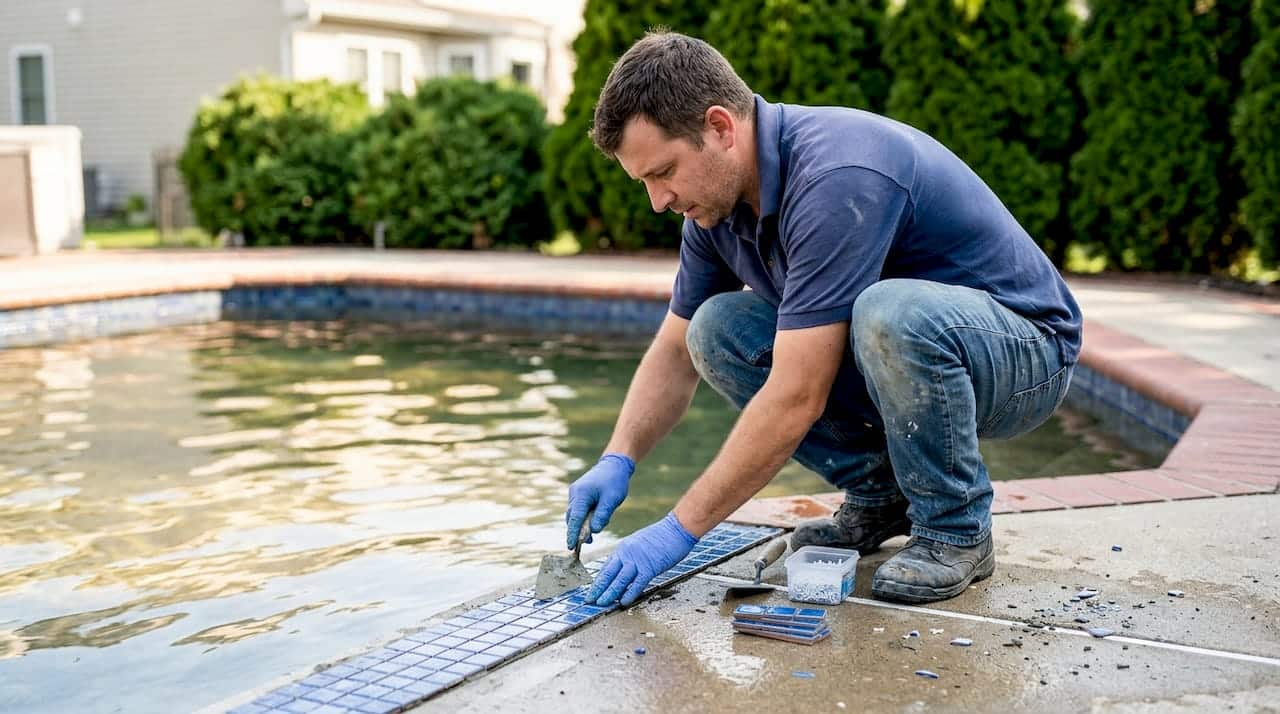
Pool tile isn’t just a pretty border around your water. It’s a purpose-built material designed to survive conditions that would destroy standard home tile within months. Pool tile serves both functional and decorative roles with special durability built into every layer, from its dense body to its sealed glaze.
You’ll find pool tile used most often in three key areas: the waterline band that runs around the pool’s perimeter, the steps and entry areas where slip resistance matters most, and accent features like spas, waterfalls, or decorative mosaics. Each location puts different demands on the tile, which is why material selection isn’t a one-size-fits-all decision.
Here’s what pool tile actually does for your pool:
- Prevents waterline staining by blocking mineral deposits and oils from soaking into the pool shell
- Adds slip resistance on steps and ledges, reducing injury risk for your family
- Protects the pool structure by creating a barrier against water infiltration
- Simplifies cleaning because tile surfaces are far easier to scrub than plaster or pebble finishes
- Elevates visual appeal with color, pattern, and texture options that plain finishes can’t match
For Central Florida homeowners specifically, tile selection carries extra weight. Florida’s water is notoriously hard, meaning it’s loaded with calcium and magnesium that build up fast on pool surfaces. Add intense UV exposure and high humidity, and you have an environment that punishes the wrong tile choice quickly. Pairing tile with the best pool finishes for your region makes a measurable difference in long-term performance.
Choosing the right pool tile for Florida’s climate isn’t about aesthetics first. It’s about finding a material that can handle hard water, strong chemicals, and relentless sun before you even think about color.
Types of pool tile materials: Pros, cons, and comparisons
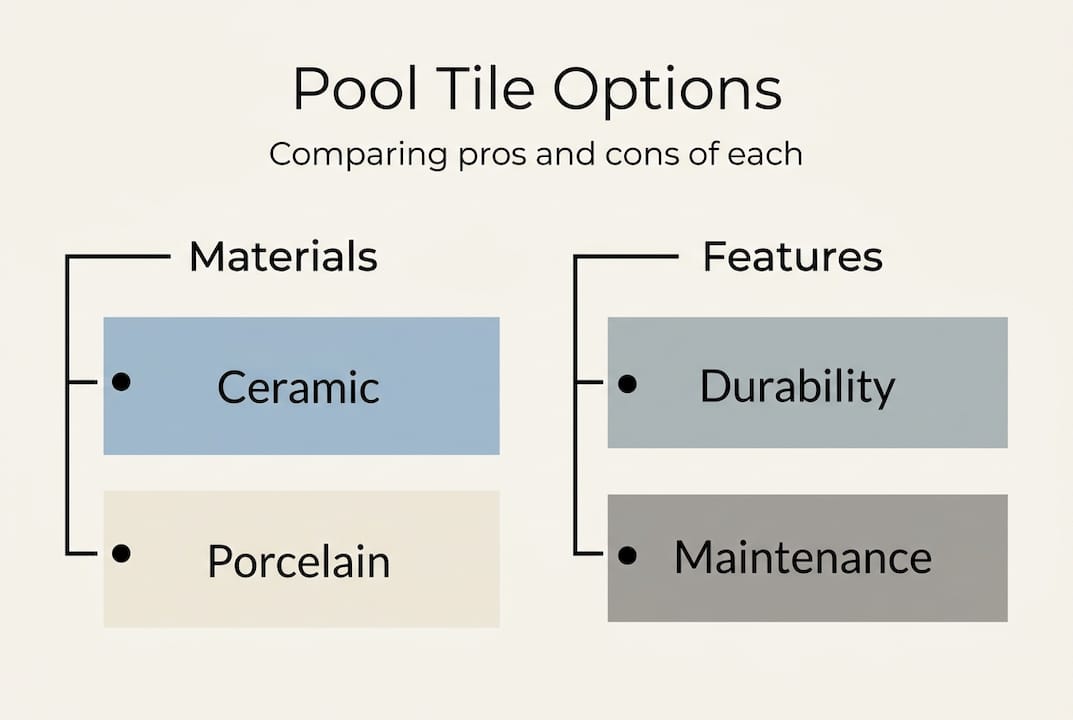
Knowing your material options is the fastest way to narrow down your decision. Ceramic, porcelain, glass, and stone each carry different durability, water absorption, and cost profiles that matter enormously in Florida conditions.
Ceramic tile is the most affordable option and works fine in mild climates. However, it absorbs more water than other materials, which makes it vulnerable to cracking when pool chemistry swings or temperatures shift. It’s a budget-friendly starting point but not the top performer for Florida pools.
Porcelain tile is fired at higher temperatures, making it denser and far less porous. Its water absorption rate sits below 0.5%, which is critical in a pool environment. It resists staining, handles chemical exposure well, and holds up against UV fading. Many Central Florida pool owners find it hits the sweet spot between cost and performance.
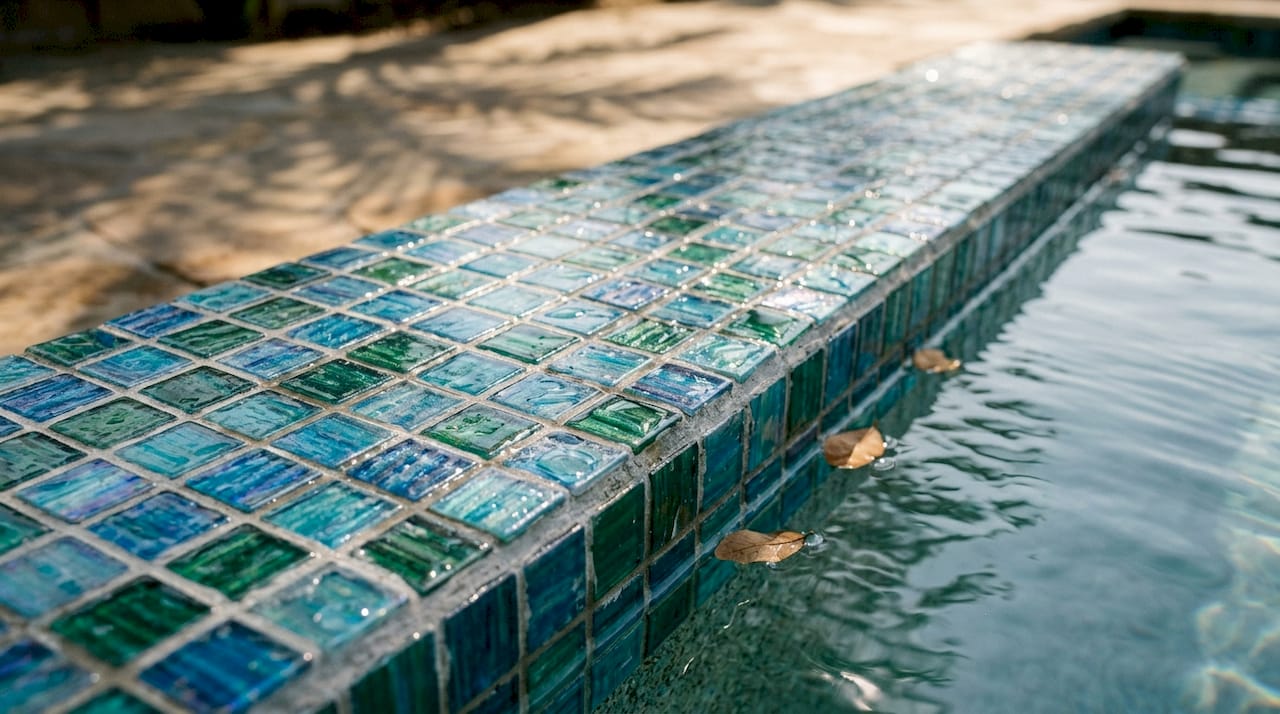
Glass mosaic tile is fully non-porous, meaning water and chemicals cannot penetrate it at all. It reflects light beautifully, stays vibrant under UV exposure, and never absorbs the minerals that cause staining. It costs more upfront but often lasts longer with less maintenance. When you’re choosing pool features that will define your pool’s look for years, glass mosaic is hard to beat.
Natural stone like travertine or slate brings an upscale, organic look that’s genuinely stunning. The trade-off is that most natural stone is porous and requires sealing, plus more careful chemical management to avoid surface damage.
| Material | Durability | Water absorption | Maintenance | Cost |
|---|---|---|---|---|
| Ceramic | Moderate | Moderate | Low to moderate | Low |
| Porcelain | High | Very low (<0.5%) | Low | Moderate |
| Glass mosaic | Very high | None | Very low | High |
| Natural stone | Moderate | High | High | High |
Pro Tip: In Florida’s climate, porcelain and glass mosaic consistently outlast ceramic and natural stone without requiring extra sealing or special chemical routines. If long-term value matters to you, start your search with those two.
How to choose the right pool tile for Central Florida
Once you understand the materials, the next step is matching them to your specific pool, lifestyle, and yard. Here’s a straightforward process to guide your decision.
- Prioritize durability first. Florida’s hard water and UV exposure will test any tile. Start by ruling out materials with high water absorption rates. Porcelain and glass are your safest bets from a performance standpoint.
- Factor in slip resistance. If you have children or elderly family members using the pool, look for tiles rated for wet slip resistance, especially for steps and shallow entry zones.
- Match your landscaping and home style. Tile color and texture should complement your outdoor space. Cool blues and greens work beautifully in Florida’s natural light, while earthy tones blend with tropical landscaping.
- Think about long-term maintenance. Some tiles look incredible but demand constant upkeep. Be honest about how much time you’ll spend on pool care each week before choosing a high-maintenance option like natural stone.
- Consider your pool’s pavers and surroundings. Your tile should work visually with your pool paver options and deck materials for a cohesive look.
- Plan ahead for installation quality. Planning pool features early gives your contractor time to source the right tile and prep the surface properly.
Florida homeowners should prioritize low-absorption tiles and professional installation for results that last. Even the best tile fails quickly if it’s set with the wrong adhesive or grout.
Pro Tip: Always ask your installer to use epoxy grout instead of standard cement grout. Epoxy grout is waterproof, stain-resistant, and won’t crack or erode the way traditional grout does in a pool environment. It costs a little more but saves significant repair costs down the road.
Pool tile care and maintenance: Preventing common issues
Your tile choice is only half the battle. How you care for it determines whether it looks great for five years or twenty-five. After choosing your pool tile, it’s important to know how to keep it beautiful and strong for years.
The main threats to pool tile in Florida are calcium scale buildup, algae growth, chemical staining, cracked grout, and loose tiles caused by freeze-thaw stress or improper installation. Most of these problems are preventable with a consistent routine.
Regular chemistry balance prevents up to 80% of pool tile failures, making water testing your most powerful maintenance tool. Good pool maintenance tips always start with chemistry before anything else.
| Problem | Cause | Prevention |
|---|---|---|
| Calcium scale | Hard water, high pH | Balance pH, use a scale inhibitor |
| Algae staining | Poor sanitizer levels | Maintain proper chlorine, brush weekly |
| Grout cracking | Wrong grout type, age | Use epoxy grout, inspect annually |
| Loose tiles | Poor adhesion, water intrusion | Professional installation, prompt repairs |
| Chemical staining | Imbalanced water | Test water weekly, adjust chemicals |
Here’s a simple maintenance schedule to protect your investment:
- Weekly: Brush tile surfaces with a soft pool brush, test water chemistry, and adjust pH and chlorine as needed
- Monthly: Inspect grout lines for cracks or gaps, check for any loose tiles, and apply a scale inhibitor if your water is particularly hard
- Annually: Have a professional inspect tile adhesion, deep clean any mineral buildup with a pumice stone or tile cleaner, and reseal natural stone if applicable
Understanding the role of pool maintenance goes beyond just keeping water clear. It directly protects your tile, your pool shell, and your investment. A solid maintenance guide tailored to Central Florida’s conditions will keep your tile looking sharp season after season.
The uncomfortable truth about pool tiles in Florida
Here’s something most pool contractors won’t say out loud: the tile itself is rarely the problem. After decades of building and renovating pools across Central Florida, we’ve seen expensive glass mosaic tiles fail in two years and basic porcelain tiles look flawless after fifteen. The difference almost always comes down to installation quality and maintenance habits, not the tile’s price tag.
The most common and costly tile repairs we see start as chemistry problems. A homeowner lets their pH drift high for a few months, calcium scale locks onto the tile surface, and what should have been a five-minute brushing job turns into an expensive acid wash or full retile. Cement grout installed instead of epoxy grout is another silent killer. It looks fine on day one and starts eroding by year two.
Our honest recommendation: spend a reasonable amount on good tile, then invest the rest in choosing a pool contractor who uses the right materials and techniques from the start. A great installer with mid-range tile will always outperform a careless installer with premium tile. Knowledge and consistency beat expensive upgrades every time.
Ready to upgrade your pool? Explore the top tile options
You now have a clear picture of what pool tile does, which materials perform best in Florida, and how to keep them looking great for years. The next step is putting that knowledge to work with a team that knows Central Florida pools inside and out.
At R&R Swimming Pools, we’ve been designing and installing custom pools since 1985. Whether you’re exploring Latham Florida pool models, working through a custom pool installation guide, or navigating the pool remodeling process for an existing pool, our team can help you select the right tile and install it correctly the first time. Reach out today for a free consultation and let’s build something you’ll love.
Frequently asked questions
What is the best pool tile material for Florida pools?
Porcelain and glass outperform others for durability and resistance in Florida conditions, making them the top choices for homeowners dealing with hard water and intense UV exposure.
Can pool tile be repaired if it cracks or falls off?
Yes, cracked or loose pool tile can be repaired, but using the correct adhesive and grout type is critical to prevent the same problem from recurring in the same spot.
How often should I clean my pool tile?
Brush pool tile weekly and test water balance regularly to prevent mineral buildup and extend the life of both the tile and grout.
Is special grout needed for pool tile installation?
Epoxy grout is required for pool tile to create a fully waterproof, stain-resistant seal that holds up against constant chemical and water exposure.
Recommended
- Pool Plaster Explained: Benefits, Lifespan, and Best Choices
- Pool pavers for Central Florida: safety, style, and value
- Pool decking: materials, design, and benefits in Florida
- Pool finishes for Central Florida: choose the best option
- Top benefits of travertine decor for luxury interiors – Marmorique
