
TL;DR:
- Proper pool prep in Central Florida is essential to prevent structural issues caused by high water tables and unstable soils.
- Key steps include soil analysis, utility locating, dewatering, soil stabilization, and precise grading.
- Investing in thorough prep saves long-term costs by ensuring pool durability and minimizing repairs.
Most homeowners think installing a pool is mostly about picking tiles and choosing a shape. The real work happens before any water flows. Pool prep work, the series of steps taken before your pool shell ever touches the ground, is where Central Florida projects succeed or fail. Between high water tables and unstable soils, this region presents challenges that simply don’t exist in drier climates. Get prep right and your pool lasts for decades. Cut corners here and you’re looking at cracked shells, floating structures, and repair bills that dwarf your original budget. This guide walks you through everything you need to know.
Table of Contents
- What is pool prep work?
- Unique site challenges in Central Florida
- Step-by-step pool prep process
- How to make pool prep work pay off
- Why smart pool prep is the best investment homeowners overlook
- Ready to get your pool prep right?
- Frequently asked questions
Key Takeaways
| Point | Details |
|---|---|
| Comprehensive site prep | Thorough pool prep work helps prevent costly disasters and future repairs. |
| Central Florida challenges | High water tables and variable soils require region-specific preparation steps. |
| Expert guidance matters | Hiring pros who understand Central Florida conditions ensures a long-lasting, safe pool. |
| Planning saves money | Proper prep and timing can save thousands and make your project run smoother. |
What is pool prep work?
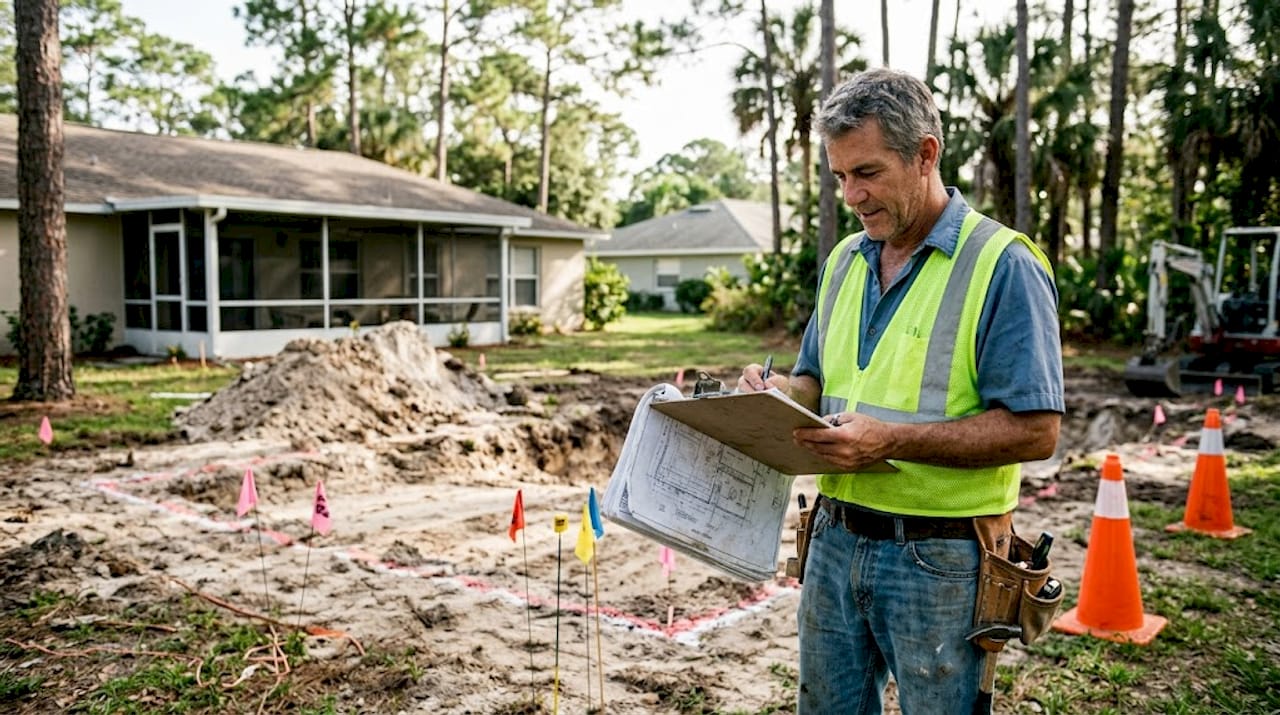
Pool prep work is every task your contractor completes before the pool shell gets installed. It’s not just digging a hole. It’s a coordinated series of assessments, safety checks, and ground modifications that make everything else possible.
In Central Florida, that process is more involved than in most parts of the country. The sandy and clay-rich soils shift under pressure. The water table sits dangerously close to the surface in many neighborhoods. Skip a single step and you could end up with a pool that tilts, cracks, or literally pops out of the ground.
Here’s what pool prep work actually includes:
- Soil analysis: Identifies what’s underground and how it will respond to excavation and load.
- Utility locating: Finds gas lines, water mains, and electrical conduits before digging begins.
- Dewatering: Pumps groundwater away to allow safe excavation in high water table zones.
- Soil stabilization: Reinforces unstable ground so the pool shell has a solid foundation.
- Grading: Levels the site and ensures proper drainage around the pool area.
- Access planning: Determines how heavy equipment enters and exits the yard without causing damage.
As pool excavation experts confirm, preparation includes addressing hydrostatic pressure and soil stabilization, not just digging. Hydrostatic pressure is the upward force groundwater exerts on a pool shell. Ignore it and your pool can actually lift out of the ground, especially if it’s ever drained for maintenance.
“The biggest mistake homeowners make is assuming prep work is just excavation. In Central Florida, it’s the most technically demanding part of the entire project.”
Pro Tip: Always ask your contractor for a copy of the soil report before work begins. If they don’t offer one, that’s a serious red flag. A licensed geotechnical engineer’s assessment protects your investment and gives your contractor the data they need to build correctly.
A thorough soil report reveals everything from underground rock formations to organic material that could decompose and cause settling. That information directly affects how your pool is engineered, what materials are used, and what the final cost looks like.
Unique site challenges in Central Florida
Central Florida looks flat and manageable on the surface. Underneath, it’s a different story entirely. The region’s geology creates complications that surprise even experienced homeowners who have had pools built in other states.
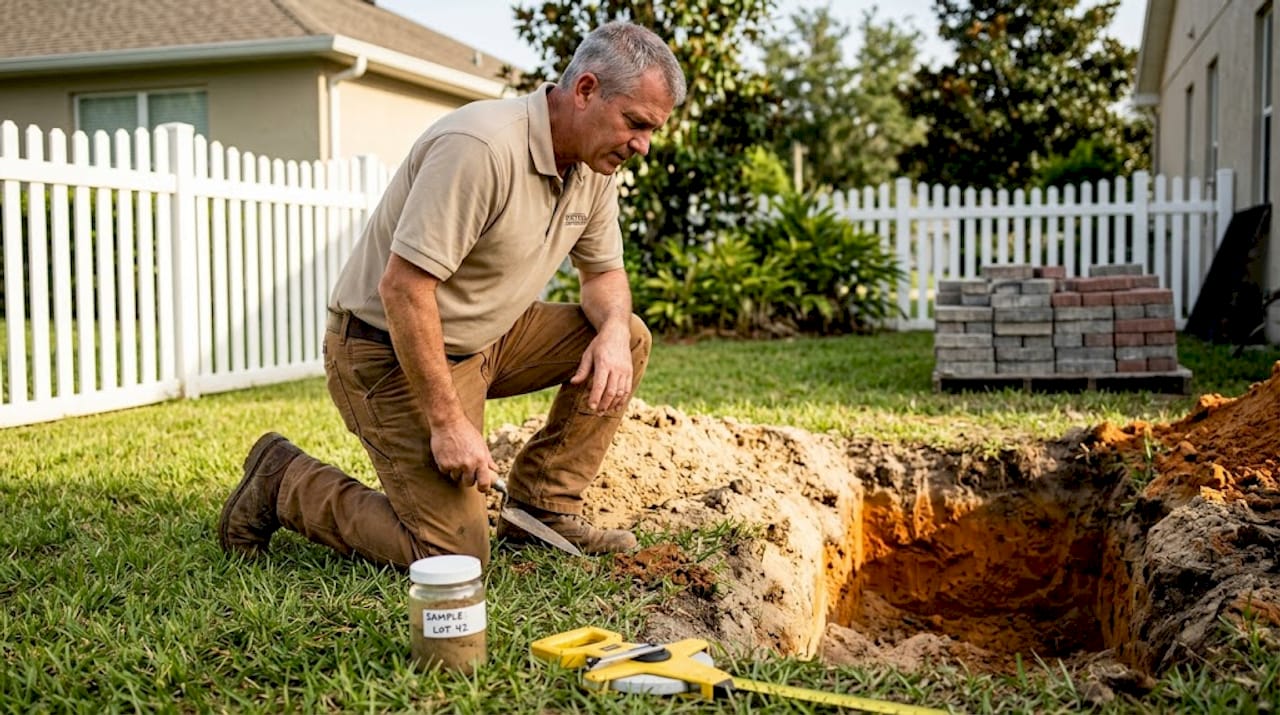
High water table is the biggest factor. In many Central Florida communities, groundwater sits just a few feet below the surface. During wet season, it rises even higher. A high water table means expensive dewatering and careful hydrostatic management are non-negotiable parts of your prep process.
Soil variability adds another layer. You might have sandy soil in the front of your yard and clay-heavy soil just twenty feet back. Some lots sit on limestone formations. Each soil type behaves differently under the weight of a concrete or fiberglass pool shell.
Rainy season runs from roughly June through October in Central Florida. Rain can halt excavation, flood a freshly dug pit, and cause soil erosion that sets your timeline back by days or even weeks.
Underground utilities are dense in established neighborhoods. Damaging a gas or water line during excavation is dangerous and expensive. Utility locating is mandatory by Florida law, and for good reason.
Here’s a quick comparison of what high water table sites require versus standard conditions:
| Prep factor | Standard site | High water table site |
|---|---|---|
| Dewatering needed | Rarely | Almost always |
| Soil stabilization | Occasionally | Frequently |
| Engineering review | Recommended | Required |
| Timeline impact | Minimal | Can add 1-2 weeks |
| Added cost estimate | Low | $1,000-$3,000+ |
For ongoing protection, reviewing maintenance tips for high water table conditions helps you understand what comes after installation too. And before you commit to a builder, reading a solid custom pool installation guide gives you the full picture of what a quality build involves.
One more risk that catches homeowners off guard: never fully drain a Central Florida pool without a professional present. Even existing pools can pop out of the ground if hydrostatic pressure isn’t managed during a full drain.
Pro Tip: Schedule your pool build or renovation between November and April. The dry season reduces your risk of rain delays, keeps the water table lower, and makes excavation significantly more predictable and cost-effective.
Step-by-step pool prep process
To handle these challenges, here’s the proven pool prep work process Central Florida experts recommend. Each step builds on the last. Skipping any one of them introduces risk that multiplies downstream.
- Site evaluation: Your contractor walks the property, assesses slope, drainage, and access points. This shapes every decision that follows.
- Utility locating: A licensed locator marks all underground lines. This is legally required in Florida before any ground is broken.
- Geotechnical soil report: A soil engineer drills test holes and analyzes what’s underground. Best practice is to always obtain a soil report and coordinate hydrostatic management with a licensed professional.
- Dewatering setup: If the water table is high, pumping equipment is installed to keep the excavation site dry and stable.
- Excavation and grading: The hole is dug to precise dimensions. The surrounding soil is graded to ensure water drains away from the pool, not toward it.
- Staking and layout: The pool’s exact shape is staked out on the ground, verified against permit drawings before any forming begins.
- Access planning finalized: Equipment paths are confirmed and protective measures are put in place to prevent yard damage.
Here’s a general overview of what each stage typically involves in terms of time and cost:
| Stage | Typical duration | Estimated cost range |
|---|---|---|
| Site evaluation | 1-2 days | Included in quote |
| Utility locating | 1 day | $100-$300 |
| Soil report | 3-5 days | $500-$1,500 |
| Dewatering (if needed) | Ongoing during dig | $1,000-$3,000 |
| Excavation and grading | 2-5 days | $2,500-$6,000 |
| Staking and layout | 1 day | Included in quote |
For a deeper look at what comes next, the installation steps and the pool planning guide break down the full build sequence from prep through finish.
Skipping dewatering in a high water table area is one of the most common and costly shortcuts contractors take. The result is a floating shell, a cracked structure, and a repair bill that can exceed the original prep cost several times over.
How to make pool prep work pay off
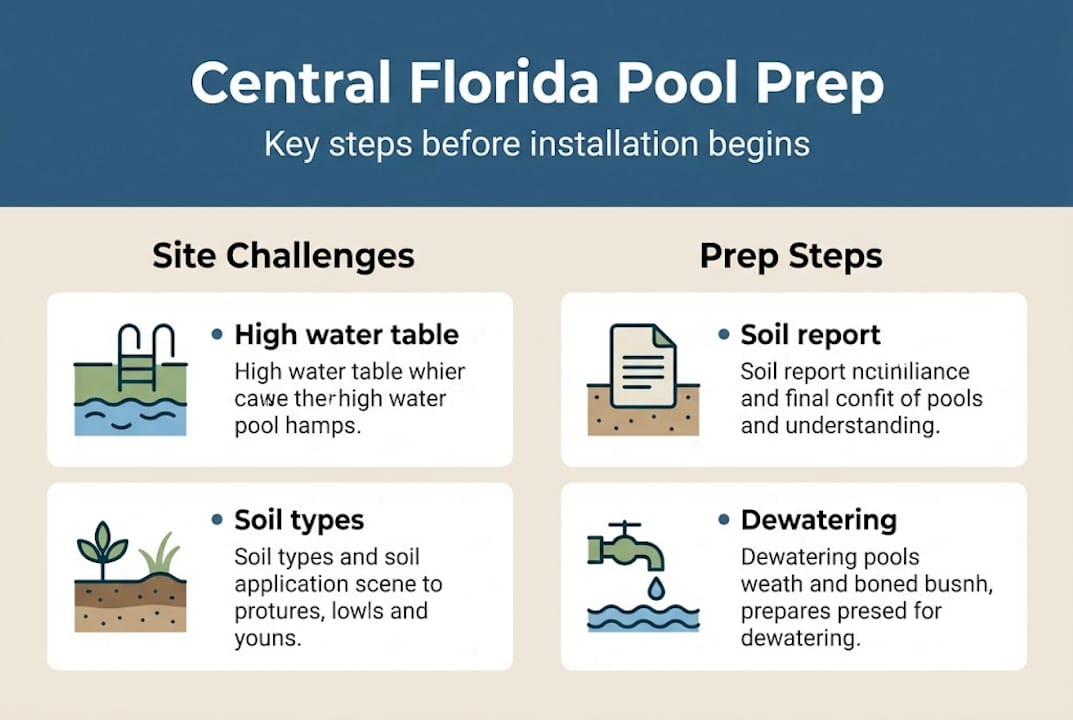
Now let’s translate prep knowledge into real financial and practical benefits for your pool investment. The good news is that doing prep right the first time is almost always cheaper than fixing the consequences of doing it wrong.
Here’s what poor prep actually leads to:
- Shifting or settling: The pool gradually tilts or sinks, cracking tile, plumbing, and the shell itself.
- Pool popping: Hydrostatic pressure lifts the shell out of the ground, causing catastrophic structural damage.
- Deck cracking: Unstabilized soil subsides under the surrounding concrete, creating dangerous trip hazards.
- Plumbing failures: Shifted ground pulls pipes apart, causing leaks underground that are expensive to locate and fix.
- Early resurfacing: Structural movement accelerates surface wear, forcing costly resurfacing years ahead of schedule.
Dewatering alone can add $1,000 to $3,000 to your upfront budget. But improper prep can cost thousands more in repairs and lead to premature pool failure. That’s not a close comparison. The upfront investment wins every time.
Pro Tip: When evaluating contractors, ask specifically about their experience with Florida’s hydrostatic and soil challenges. A contractor who has never managed a high water table site is a liability, no matter how good their finished pools look in photos.
Here’s a practical checklist to protect yourself when hiring for pool prep:
- Verify the contractor pulls all required permits before work begins.
- Confirm utility locating is scheduled and documented.
- Request the soil report in writing before excavation starts.
- Ask how they handle unexpected groundwater during excavation.
- Get dewatering costs and methods spelled out in the contract.
When you view pool prep as a permanent foundation investment rather than an annoying line item, your perspective shifts. A well-prepped pool adds genuine long-term value to your home. You can review the essential planning steps to build a checklist that covers every phase before you sign anything.
Why smart pool prep is the best investment homeowners overlook
After nearly four decades building pools across Central Florida, we’ve noticed a pattern. Homeowners spend hours choosing waterfall features, debating tile colors, and comparing LED lighting options. Almost none of them spend equivalent time understanding what’s happening underground before any of that gets built.
That’s backwards. The features you can see are important. But the insights from excavation experts point to the same truth every time: pools that last 30 years and stay low-maintenance all have one thing in common. They were prepped correctly.
Skimping on prep to save a few thousand dollars up front often doubles total project costs within ten years. Conversely, homeowners who invest in full soil studies, proper dewatering, and thoughtful drainage solutions rarely deal with structural problems at all. Their pools just work. Year after year, season after season, through every Florida rainy season.
The real secret to a beautiful, low-maintenance pool isn’t the brand of tile you choose. It’s what your contractor did before the first bucket of concrete was poured.
Ready to get your pool prep right?
If you’re serious about a pool that stands the test of time, the next step is working with a team that knows Central Florida’s ground as well as they know pool design. Since 1985, R&R Swimming Pools has been navigating the exact site challenges described here, from high water tables in Orlando suburbs to clay-heavy soils in surrounding communities.
We offer a detailed step-by-step installation guide so you understand exactly what your project involves before work begins. And if you’re ready to talk specifics about your site, our custom pool installation guide is a great place to start. Reach out for a site assessment and free quote. Let’s build something that lasts.
Frequently asked questions
How long does pool prep work usually take in Central Florida?
Pool prep work typically takes 1 to 3 weeks, depending on water table management, soil conditions, and weather. Rainy season and high water tables can push that timeline toward the longer end.
Why is dewatering so important during pool prep?
Dewatering removes groundwater from the excavation zone before and during digging, preventing the pool shell from floating or cracking due to hydrostatic pressure. Dewatering is crucial in any Central Florida site with a high water table.
Can I fully drain my existing pool for renovation?
Never fully drain a pool in Central Florida without professional oversight. Hydrostatic pressure from the surrounding soil can push an empty pool shell right out of the ground.
Do I need a soil report before installing a pool?
A soil report is strongly recommended before any pool installation. Soil reports help prevent costly future problems by revealing underground conditions that affect pool stability, engineering requirements, and total project cost.
